BoredomBusted — Find Your Next Favorite Thing To Do
Discover hobbies, activities, places, and ideas that spark joy. Whether you're looking for something creative, active, social, or relaxing, BoredomBusted helps you find your next favorite thing to do.
Browse our hobby guides, things-to-do collections, and place ideas to never be bored again.
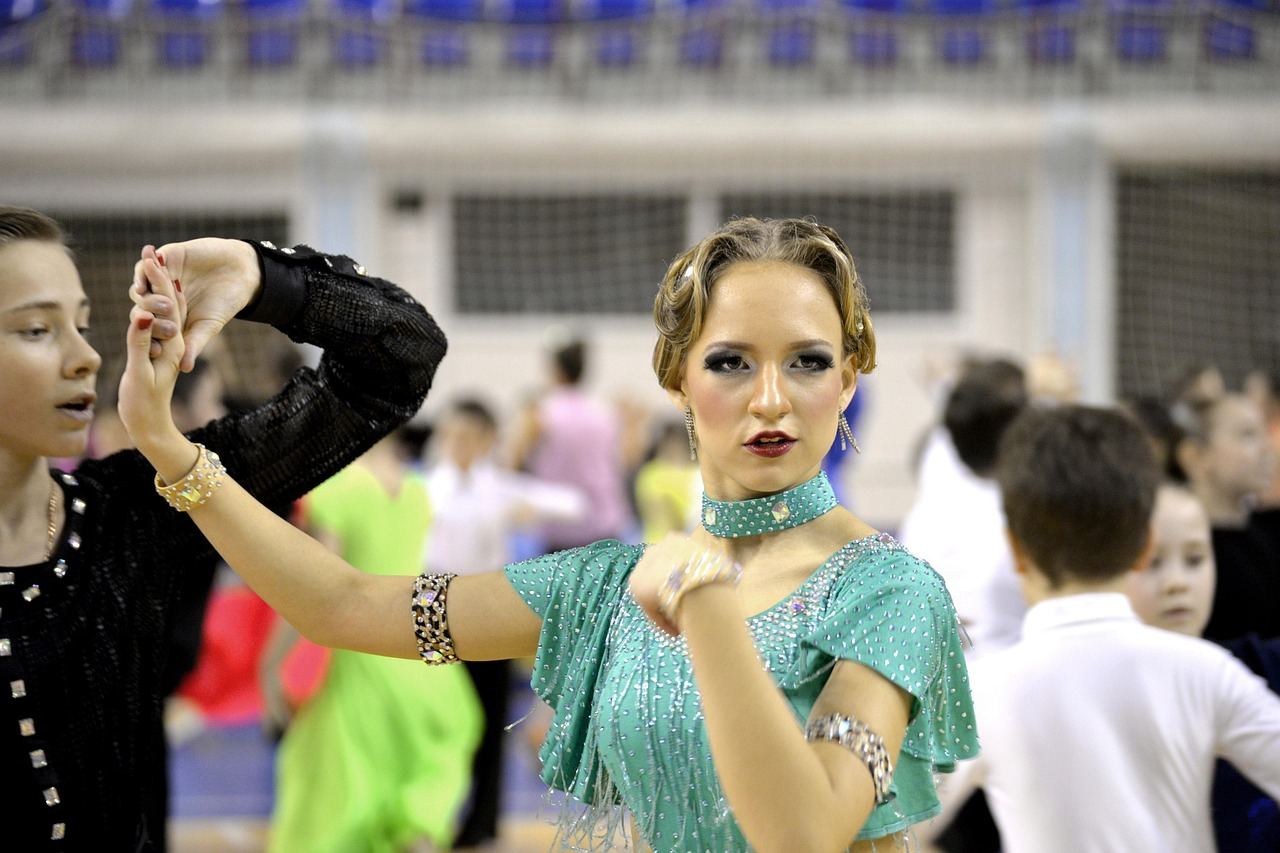
Ballroom dance is a high-intensity sport that enhances full-body coordination and cognitive skills—it's more demanding than most workout routines.
Learning ballroom dance as a beginner involves understanding the fundamental steps and developing a connection with your partner through music.
You learn defined patterns – then train your body to make them feel effortless.
Unlike solo dance styles, the lead-follow dynamic means you're always reading another person, which makes it social, athletic, and technically demanding all at once.
In ballroom dance, participants engage in structured partner-based movements set to music, requiring them to synchronize footwork, maintain a proper upper-body frame, and shift their weight rhythmically. They practice both predetermined step sequences and isolated skill components like posture and musicality, either alone or with a partner, while dynamically responding to each other's movements.
Ballroom dance fosters skill feedback loops as dancers progress through increasingly complex patterns, allowing for continuous improvement and immediate feedback on their execution. The partner-based nature creates accountability, enhancing social connection and engagement, while the variety of skills being developed prevents repetitive practice, keeping each session stimulating.
You think ballroom dance is for weddings and old people. Maybe also for reality TV contestants who cry a lot. That assumption is costing you a hobby that challenges both mind and body.
Ballroom dance demands full-body coordination — not just footwork. You're managing frame, weight transfer, timing, and another person's body signals all at once.
Within minutes of meeting a stranger, you're learning to lead or follow them through space. That builds a kind of kinesthetic communication most people never develop across an entire lifetime of handshakes and small talk.
The mental load is genuinely underrated. Patterns, musicality, and spatial awareness all hit simultaneously — which is exactly why neurologists recommend partner dance for cognitive longevity.
One competitive amateur described her first six months as "learning to walk again, but with deadlines." She was a marathon runner with excellent cardio — and ballroom exposed body-control gaps that years of road running had never touched.
The physical rebuild.
The cognitive demand.
The social wiring you didn't know was missing.
Most people expect an awkward fitness class and leave with something closer to a second language — one you feel in your body rather than speak with your mouth. That shift starts the moment you pick a style and a first class, which is where the next section picks up.
Stepping onto a ballroom floor for the first time feels genuinely disorienting. The smooth, flowing motion you saw on YouTube has nothing to do with what your body is doing right now. Most of your first session is counting out loud and apologizing to your partner.
The first two weeks are mostly footwork and restarts. By week three, something brief and almost accidental happens — you feel the rhythm land, your body moves without counting, and it works. Then it disappears. That preview of flow is more frustrating than the early stumbling — because now you know what you're chasing.
By week four, the basics stop requiring active thought. You can occasionally look up from your feet. The gap between awkward and confident is smaller than it looks — most people abandon the hobby in the exact week before it compounds.
The thing beginners don't expect is that connection in partner dancing travels through your frame, not your words or eye contact. Your arms and torso shape the entire lead-follow dynamic. Ask your instructor about a proper closed hold in your first or second session — it's easy to skip and hard to unlearn later.
The next section covers the specific mistakes that keep people stuck in the frustrating half of that gap longer than necessary.
When to start: Morning
Duration: 1.5 hours
Cost to try: $0
Success criteria: if you finished without stepping on each other's toes, do session 2.
Most beginners count out loud to stay on beat — and that works for the first week or two. But counting occupies the same mental bandwidth you need for footwork, frame, and connection. Past the early stages, it actively slows you down.
The fix is to replace counting with humming the melody — your phrasing locks to the music instead of a number in your head. You stop chasing the beat and start feeling it.
Nervous dancers tighten their grip when they lose confidence — it feels like control, but it actually telegraphs panic to your partner and makes leading or following harder for both of you.
Connection in partner dancing comes through your arm and frame, not your fingers. A soft hand with a firm forearm gives your partner something to read without locking them in place. Think of it as holding a small bird — present, not clenched.
It's tempting to sample salsa, waltz, and swing all in the same month. Each one feels fresh and the variety keeps it fun — until none of them stick and you can't confidently lead or follow a basic step in any of them.
Pick one dance and stay with it until the basic step is automatic — meaning you can hold a conversation while doing it. That automaticity is the actual foundation. Without it, adding a second dance just doubles your confusion.
Looking down feels like the safe move — you can see exactly where your feet land. But it drops your chest, collapses your frame, and cuts off your connection to your partner entirely.
Keep your gaze at eye level, aimed at a fixed point or your own reflection in a mirror strip. Your feet will find the floor on their own — your posture and frame are what your partner is actually responding to. Trust the footwork you've drilled and let your upper body lead the communication.
When something breaks down mid-routine, both dancers often freeze and look at each other. Nobody says anything, you restart, and the same moment falls apart again — because neither person took ownership of what actually happened.
After a rough pass, each dancer should name one specific thing they personally did — not what their partner did. "I came in a beat late" or "I didn't extend my arm on the turn" is actionable. "That didn't work" is not. Concrete self-correction is how you stop repeating the same breakdown.
Ballroom dance thrives in settings like dedicated dance studios, community centers, and hotel ballrooms. Explore these venues to find what suits you best.
Simply walking in and saying "I've never danced before – is this a good night to start?" is powerful. You'll likely be directed to a suitable class, possibly enjoy a free first session, and be paired up with a partner quickly.
Ballroom dance comes in many flavors, each with its own vibe and tempo.
Cha-Cha, Salsa, Rumba, and Samba are all fast, rhythmic, and hip-driven. If you want to feel the music immediately, Latin gets you there faster.
Perfect for high-energy enthusiasts who don't mind awkward moments before mastering the moves.
Waltz, Foxtrot, Tango, and Viennese Waltz all rely on an upright frame and elegant footwork. Most beginners picture this when they think "ballroom dance," and it rewards patience.
Ideal for anyone seeking sophistication and elegance.
Same dances as American Smooth, but with strict closed holds and tighter technique. Best for aspiring competitors, as most global contests use these rules.
Expect to invest more in high-quality shoes and attire here.
This is relaxed ballroom—suitable for group classes and casual events. No one's grading your frame.
Great for those who want to feel confident dancing without taking on a full course.
Argentine Tango is slow, improvisational, and quite intimate, with its own community. Best for those who value depth over breadth and are ready for a social learning curve.
Readers who enjoy this often gravitate toward Swing Dance next.
If you want a related angle, Contemporary Dance is the natural next stop.
For something adjacent, see Folk Dance.
The skill that separates improving dancers from plateaued ones isn't footwork. It's frame integrity under movement — a consistent, pressured connection through your arms and torso that stays alive while your feet are busy doing something else.
Most beginners treat frame as a starting position. They set their arms, then abandon the tension the moment they take a step. The shape looks right in a freeze-frame photo and falls apart in actual movement.
When your frame holds through a weight shift, your partner feels your intention before your feet move. No eye contact needed. No watching your shoulders for clues.
Gone.
Guessing.
Compensating.
Without frame integrity, you're both executing choreography in parallel — not actually dancing together. Real leads become real leads the moment the connection has consistent tension behind them.
Frame integrity is a physical sensation before it's a technique. These drills make that sensation repeatable.
Once this sensation becomes automatic, your whole partnership dynamic shifts. The next section covers which dance styles put this skill under the most pressure — and reward it most visibly.
Plan for six sessions over 30 days. One lesson and one practice each week gives your body enough repetition to learn movement, not just your mind.
You want to come back — not because you're good at it, but because that hour feels different from everything else in your week. That pull is the hobby, not the skill level. Lock in a regular class slot or a consistent partner before you second-guess yourself.
You showed up, it was fine, but there's no pull to return. Try one more month with a different instructor or a different style — foxtrot and salsa are genuinely different physical experiences. Indifference toward one style isn't indifference toward all of them.
You dreaded going before each session — not nerves, not awkwardness, but actual reluctance. Dread is a clean answer. Move on without reframing it as something to push through.
You're watching couples dance at weddings or pausing scenes in movies to study footwork at midnight. Ballroom requires a genuine draw toward partner movement early — that's what carries you through the learning curve.
Chronic hip, knee, or back problems are a real barrier here — ballroom imposes continuous joint stress, not occasional impact like some other activities. That's a structural mismatch, not a motivation problem.
No nearby studio and a thin local partner pool make this hobby genuinely hard to sustain. Ballroom runs on in-person connection in a way that virtual lessons can't replicate.
An hour a week is a lesson, not a practice. Progress in ballroom needs repetition between sessions, and one slot a week rarely provides enough of it.
Not ready to pick a hobby yet? The boredom busters page has smaller things to try first.
Most beginners can learn fundamental steps and patterns in 4–8 weeks of consistent practice, attending 1–2 classes per week. However, developing smooth technique, musicality, and partnering skills typically takes 3–6 months of dedicated training.
While ballroom is a partnered activity, most beginner classes pair you with other students or instructors, so you don't need to bring a partner. Many people find partners through their dance community after starting classes.
Waltz is smooth, flowing, and romantic with a 3/4 time signature and continuous movement around the floor. Tango is more dramatic and staccato with sharp, dramatic movements and a 2/4 time signature, emphasizing passion and tension between partners.
Group classes typically cost $10–25 per session, while private lessons range from $40–100+ per hour. Many studios offer starter packages or trial classes at discounted rates, making it affordable to test the hobby before committing.
Ballroom is accessible to beginners of all fitness levels—instructors teach progressively from basic steps to advanced patterns. The main requirement is patience and practice, as coordination and musicality improve naturally over time with consistent training.
Beginners can start in comfortable clothing like athletic wear, but ballroom shoes with smooth soles are essential to glide properly across the floor. As you progress, many dancers invest in practice wear and eventually performance costumes for competitions or showcases.