BoredomBusted — Find Your Next Favorite Thing To Do
Discover hobbies, activities, places, and ideas that spark joy. Whether you're looking for something creative, active, social, or relaxing, BoredomBusted helps you find your next favorite thing to do.
Browse our hobby guides, things-to-do collections, and place ideas to never be bored again.
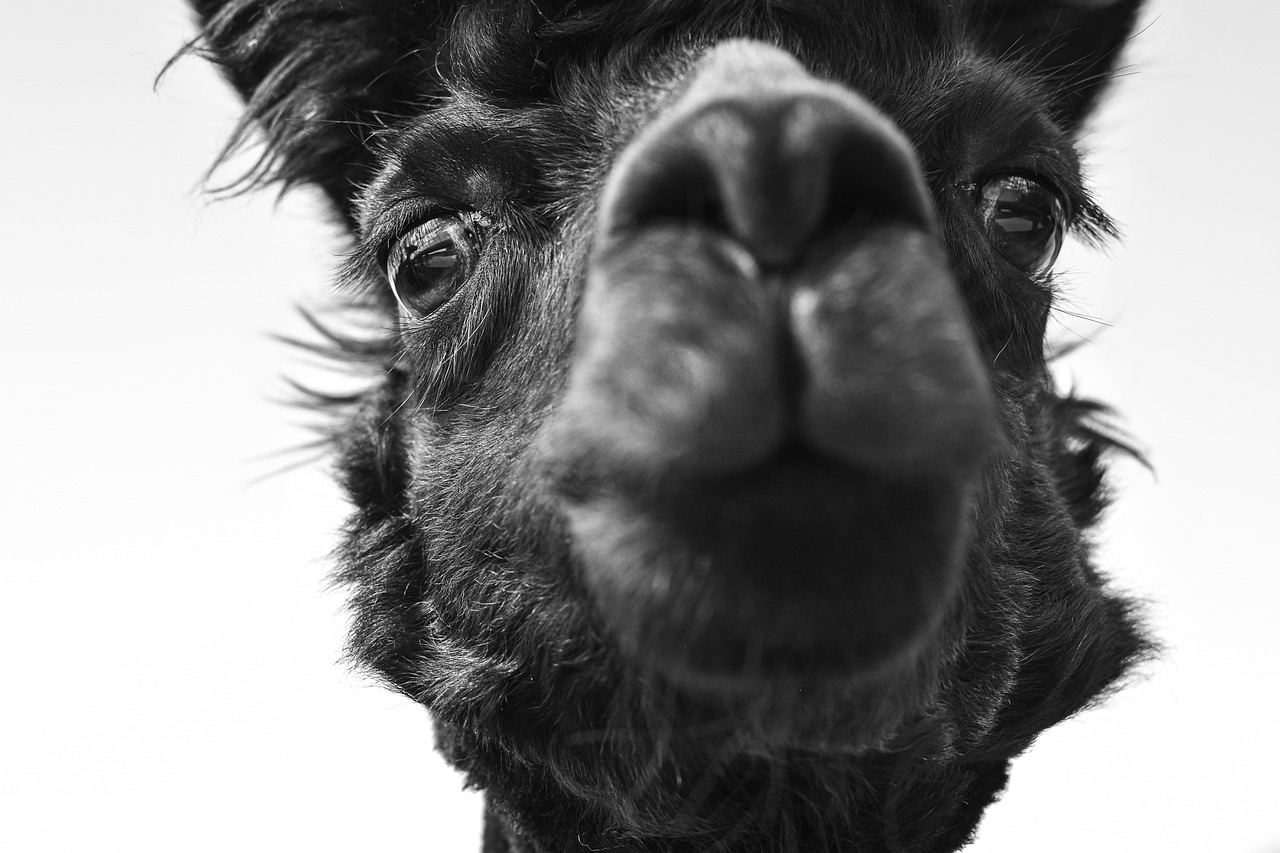
Sanctuary volunteering isn't about heartwarming moments with animals—it's about quiet observation and earning trust through patient, unglamorous work.
Getting started with animal sanctuary volunteering as a beginner involves unpaid, hands-on work caring for rescued, abused, or surrendered animals at a dedicated sanctuary – feeding, cleaning, socializing, and supporting rehabilitation.
Unlike wildlife volunteering or shelter work, sanctuary animals are permanent residents, not temporary boarders awaiting adoption, so your relationship with them builds over time rather than resetting each week.
Volunteering at an animal sanctuary involves physical tasks such as cleaning kennels, filling food and water bowls, grooming animals, and maintaining habitats, all while engaging with animals and observing their behaviors during structured shifts.
This hobby induces a flow state through repetitive physical tasks that require focused attention and skill application, fostering a sense of accomplishment as volunteers see the direct impact of their work on animal welfare and community engagement.
You imagine cuddling rescued dogs and bottle-feeding adorable lambs. Perfect lighting, grateful animals, and picturesque Instagram moments.
That's only about 20% of the reality of sanctuary work.
A volunteer at a pig sanctuary in Vermont spent three weeks simply being near a fear-aggressive sow named Clover. No eye contact, no sudden movements, just being present. When Clover finally approached on her own, that moment felt more earned than any in years.
You're not here to rescue animals. You're here to prove you're worth trusting—and that journey begins the moment you step into orientation.
Online videos get the animals right and everything else wrong. You see cuddly lambs and wagging tails. You don't see the smell of industrial cleaning supplies or the fact that your first task is mucking out a pen before you've met a single animal.
Most animals in shelters and sanctuaries have trauma histories. Moving slowly and staying quiet is often the right call. Rushing in to comfort them — which feels generous — can set back weeks of trust-building work. The instinct to immediately reassure an anxious animal is usually the first thing staff will ask you to unlearn.
When staff correct you, it happens fast and in front of others. That can sting. But those corrections are the whole point — the volunteers who grow quickest are the ones who treat early feedback as the actual curriculum, not a disruption to it.
The gap between awkward and capable closes faster than most people expect — but only if you avoid the mistakes that stall beginners in those first sessions. That's where the next section picks up.
When to start: Early morning
Duration: 2 hours
Cost to try: $0
Success criteria: If you spent 2 hours following staff instructions to feed, clean, or groom animals and left with at least one animal calmly accepting your touch, do session 2.
Sanctuary animals often carry trauma from captivity or neglect. Reaching out to touch them may feel kind, but it can disrupt months of trust-building work.
Check with your coordinator about hands-off protocols — before you interact with any animal, you need to know which ones are off-limits entirely.
Animals recovering from instability read consistency as safety. A familiar face twice a week builds that; showing up whenever your schedule allows does not.
Commit to one regular weekly slot. Predictable presence is the thing that actually earns trust over time.
New volunteers rush toward animal interaction and treat facility tasks as obstacles. That gets it backwards. Cleaning enclosures and managing feeding schedules is how you learn the animals' routines, health baselines, and behavioral quirks — all the context that makes animal handling safer.
Master the feeding schedule and diet ratios first. Coordinators hand more responsibility to volunteers who already understand how the facility runs.
Extending interactions past the animal's comfort zone feels like effort. It reads as pressure. Progress that looks slow from your end may be exactly on pace from theirs.
Let the animal initiate. When a goat walks toward you unprompted, that moment means more than ten sessions where you closed the gap yourself.
Sanctuaries expose you to suffering on a regular basis. Volunteers who stay for years are not tougher — they just figured out how to process it instead of carrying it home silently.
Build a debriefing habit: texting a fellow volunteer after a tough shift or jotting a quick note about your observations offloads the weight before it compounds.
Volunteering at animal sanctuaries includes wildlife rehabilitation centers, farm animal sanctuaries, and exotic animal rescues.
These venues range from rural farms to urban clinics.
Feeding goats is not the same as handling raptors. Your experience will vary based on the type of sanctuary.
Introduce yourself honestly: "I'm new and ready to help." They'll appreciate it and get you involved faster.
You're working with injured or orphaned wild animals — birds, hedgehogs, foxes — with the goal of releasing them back into the wild. Perfect for those seeking purpose-driven work who are okay keeping animals at a deliberate distance.
Expect strict handling protocols and, in many cases, mandatory training before you touch anything.
Cows, pigs, goats, and donkeys need feeding, mucking out, and physical maintenance. Ideal for those drawn to agriculture and outdoor labor — the work is heavier than small-animal care, and the animals are bigger in every sense.
The emotional dimension is distinct here. Many of these animals come from factory farming backgrounds, and that shapes the work.
Big cats, primates, and reptiles require specialized knowledge. Your starting role will almost certainly be maintenance, not direct handling. Best for seasoned volunteers who already understand animal behavior at this level.
Always verify accreditation before committing. There are real bad actors in exotic animal tourism, and they use volunteer programs as cover.
You take neonates, sick animals, or overflow cases into your home temporarily until they're ready for adoption or release. The go-to option if you don't live near a sanctuary — the main costs are time, routine, and emotional resilience.
Data entry, grant writing, social media, and adoption profiles are real, ongoing needs at most sanctuaries. Great for those with allergies, mobility limitations, or no sanctuary nearby — and more in demand than most people assume.
Sanctuaries frequently run lean on admin and comms support. Showing up consistently in this role often matters more than a single weekend of hands-on help.
If the texture of this appeals to you, Zoo Volunteering is built on similar bones.
Reading to Children lives in the same world — different mechanics, similar appeal.
Another variant that pulls from the same roots is Community Volunteering.
Most new volunteers pour everything into doing tasks faster – cleaning pens quicker, filling feeders more efficiently, moving through the checklist. The animals don't care about your checklist.
Success with animals comes from knowing their body language before you act. It's not just spotting fear. It's understanding the pre-signals each species uses before they escalate, shut down, or trust you.
A cow dropping its head and shifting weight isn't random. A pig turning its shoulder toward you is communicating something. You learn to read those signals, and every interaction changes shape.
When you can read an animal's state before you approach, you stop creating stress and start building trust. Trust compounds across every future visit, not just today's.
Without it, you're resetting the relationship every single session because the animal learned to brace when they see you coming.
Six sessions in 30 days. One or two visits per week — enough space between them to reflect rather than just react.
If you're already rearranging your schedule to fit sessions in, that's not enthusiasm wearing off — that's the hobby taking hold. You're thinking about specific animals between visits — the timid goat in the corner, whether the new rescue is settling in. Start keeping a simple log of what you did each session and look into volunteer roles with more direct animal care responsibility.
If the sessions were fine but forgettable, that's honest data. Try one session focused entirely on a task you haven't done yet — bottle-feeding, intake assessments, or a different species entirely. Flat engagement after six sessions usually means the specific format isn't the fit, not that animals aren't.
If every session felt like something to get through, don't reframe that as a motivation problem. Physical sanctuary work — manure, heavy feeding routines, outdoor conditions — has a specific profile that doesn't suit everyone. Foster care or wildlife rehabilitation involve animals without the same demands. Those are real alternatives, not consolation prizes.
The sign that it's working: you're making small donations to rescues at midnight and you weren't planning to.
Still looking for something to do? Browse things to do when bored for more ideas.
Volunteer tasks typically include feeding and watering animals, cleaning enclosures, preparing enrichment activities, and assisting with basic medical care under staff supervision. Most sanctuaries match your tasks to your physical ability and comfort level with different species, so you'll be doing meaningful work that directly benefits the animals.
Most sanctuaries require a minimum commitment ranging from a few weeks to several months, though some accept day volunteers or short-term programs. Check your specific sanctuary's requirements, as they vary based on training needs and ongoing care responsibilities.
There are inherent risks working with animals, especially large or stressed ones, but sanctuaries prioritize safety with comprehensive training, proper equipment, and strict protocols. Most volunteers successfully complete their time injury-free when they follow guidelines and respect animal boundaries.
Many sanctuaries don't charge volunteers, though some require a fee ($50–$500+) to cover training, insurance, and meals. A few offer room and board for extended volunteers, which may offset costs or include additional expenses—always ask about what's included upfront.
No experience is required at most sanctuaries; they provide comprehensive training for all volunteers regardless of background. What matters more is your genuine care for animals, willingness to learn, and ability to follow safety protocols.
You'll likely form strong bonds with the animals and witness both heartwarming recoveries and sad cases of past abuse. This emotional intensity is part of the experience; sanctuaries often provide peer support and debriefing to help volunteers process what they encounter.