BoredomBusted — Find Your Next Favorite Thing To Do
Discover hobbies, activities, places, and ideas that spark joy. Whether you're looking for something creative, active, social, or relaxing, BoredomBusted helps you find your next favorite thing to do.
Browse our hobby guides, things-to-do collections, and place ideas to never be bored again.
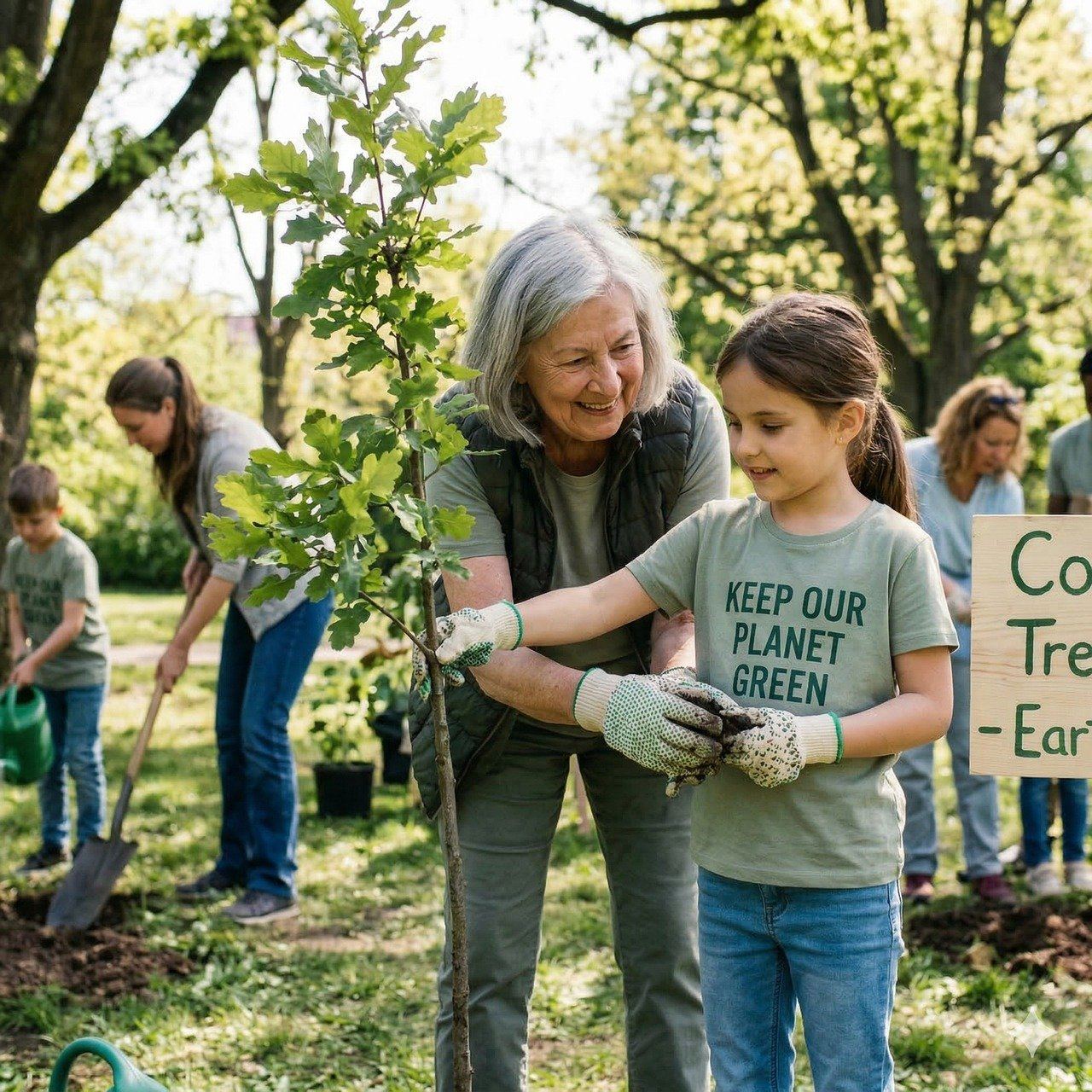
Volunteering isn't just giving up your time; it's about discovering your true skills and transforming your week into an engaging, impactful experience.
Getting started with community volunteering as a beginner means dedicating your time selflessly to make a positive impact beyond your immediate surroundings. You show up, do work that matters, and leave a place, person, or organization better than you found it.
Unlike charity donations or one-off good deeds, volunteering is relational and recurring – it builds something over time, including you.
In community volunteering, you engage in hands-on activities like cleaning public spaces, sorting food at pantries, or helping build homes, often working alongside others in structured shifts that fit your schedule.
Community volunteering fosters a sense of accomplishment through tangible results, like restored parks or packed food boxes, while providing social belonging from shared tasks, ultimately combating boredom through teamwork and immediate feedback on your efforts.
You think volunteering is giving something up. Time, energy, Saturday mornings. All flowing one direction — out of your life and into someone else's.
That view is why most people never even start.
A woman began volunteering at a local food bank, sorting donations. She did it just to fill her Thursday evenings. Six months on, she'd redesigned their whole inventory system.
No one asked her to. She just saw an issue and tackled it. That's more than charity. That's involvement.
Here's what people don't realize.
Volunteering is a two-way street; it's a gain, not a loss. Volunteering effectively reshapes how you experience it.
Anchor your week, meet new people, and find out what you're truly good at. But how you begin makes all the difference.
Watching people volunteer feels like you missed an orientation that never existed. Everyone knows the regulars, navigates the space easily, and moves like they belong. It's normal to feel lost initially, but the gap closes faster than you think.
The start is full of nervous energy. You're unsure where to stand and over-explain why you're there. The fear of messing up runs in the background like white noise.
Soon, familiar faces emerge and tasks become intuitive. You know where the supplies live without asking.
Your first week involves more watching than doing. This observation time isn't wasted; it's how the place starts to make sense.
Week two, expect the task no one wants. Take it on without complaint and it builds trust fast.
By week three, someone remembers your name. Little moments like this bring you back more than anything else.
Week four surprises you when you help others. Without realizing it, you've found your groove.
Instead of waiting for guidance, take initiative and ask for the smallest task. This simple move sets you apart from those who've been there longer.
It's awkward but also useful. You'll genuinely feel glad you stayed. The place feels like home the more you keep showing up.
When to start: Morning
Duration: 2 hours
Cost to try: $0
Success criteria: If you finished without committing to a specific volunteering opportunity, do session 2.
You see your empty calendar and every cause feels urgent. So, you sign up for four organizations before you even start with one.
Start small. Commit to one organization and attend twice. Only add more if it feels right.
New volunteers often breeze through training, thinking they'll learn everything on the job.
Take notes on what your coordinator emphasizes. These repeated points highlight where new volunteers trip up.
You care about the cause, like food insecurity, but end up in a job stacking boxes in the cold, alone.
Review the actual responsibilities, not just the mission. Make sure the daily tasks align with your interests.
When something goes wrong, you might try to handle it alone. Whether it's a tough client or an overwhelming task, you end up stressed and silent.
Talk to your coordinator immediately. Address issues after a challenging shift instead of letting them pile up.
An awkward interaction or unclear task can make you doubt continuing. Suddenly, you "don't have time" anymore.
Push through at least three visits. The first two are usually awkward. By the third, you'll know if it's a fit.
Volunteering happens wherever help is needed. Community centers, food banks, animal shelters, hospitals, and parks are great starting points.
Choose the environment first; the cause comes later.
AmeriCorps (americorps.gov) is the national coordinator in the U.S. They don't directly place volunteers, but their state commissions can guide you.
For an immediate role, walk in and ask, "I'm new, I don't have experience, what's the most useful thing I can do today?" This honesty typically gets you started quickly.
Offer your professional skills like legal aid, accounting, or web design instead of generic tasks.
For those tired of generic shifts, this lets your time truly matter.
Flood cleanups, wildfire recovery, and emergency food distribution. Intense, short-term, and physically tough, but you see results immediately.
For those who need to see their impact right away, not months later.
Work remotely on tasks like tutoring, data entry, or translation. The loss of the commute means even busy people now have time.
Perfect for caregivers and those with mobility challenges, or anyone unable to commit to in-person roles.
Trail work, habitat restoration, and beach cleanups. It's physical and outdoors, a straightforward experience without complicated onboarding.
Ideal for beginners who want to dive in, without wading through organizational hurdles.
Pair with a young person through organizations like Big Brothers Big Sisters for ongoing support. A sustainable relationship that takes consistent effort.
Not for those who can't commit regularly, as inconsistency can cause harm.
Animal Sanctuary Volunteering lives in the same world — different mechanics, similar appeal.
If this resonates, Zoo Volunteering explores a similar direction.
Some of the same instincts show up in Wildlife Conservation Volunteering — worth a look if this clicked.
Most new volunteers invest their energy in showing up regularly and completing tasks effectively. But these aren't the factors that differentiate those who burn out from those who thrive.
Real impact comes from reading the situation between the mission and the current moment. Adaptive empathy is the key.
It's about sensing what the person you're serving needs on a human level. Efficiency, dignity, silence, or humor—adjusting your approach naturally depends on this perception.
With adaptive empathy, you move beyond scripts and truly connect. Without it, help may feel hollow and miss the mark emotionally.
Those who develop this skill navigate more complex roles over time. Others remain in basic tasks, not from lack of reliability, but because their ability to handle human complexity is untested.
Commit to sessions 4 sessions over 30 days – roughly once a week.
One session won't cut it. Four gives you time to see if the people, issues, and effort appeal to you.
You realize you want more. Not from obligation, but because a moment or task clicked for you. That's a clear sign of connection.
You feel indifferent, which can be misleading. It may not be volunteering itself but the type of task. Try switching from food bank sorting to hands-on youth mentoring to see if another type resonates.
You didn't enjoy it at all, which is a clear signal to stop. The activities may feel too abstract or the social dynamics just aren't for you.
If you're catching yourself pondering community issues often and feel driven to see who's acting on them, that's a strong hint you're ready to jump in.
Tight or unpredictable schedules can be a dealbreaker. Volunteer roles generally rely on consistency.
Feeling drained quickly by social interaction? High-contact roles may not suit you, and the beneficiaries deserve fully engaged support.
Living far from opportunities can also deter. A long drive might kill your motivation to volunteer before it even begins.
Want broader ideas first? Our list of hobbies gives you the lay of the land.
Still looking for something to do? Browse things to do when bored for more ideas.
Volunteer commitments vary widely—some opportunities require just a few hours monthly, while others ask for regular weekly shifts. Most organizations are flexible and can accommodate your schedule, whether you prefer one-time events or ongoing roles. Start by discussing availability with the organization before you sign up.
You don't need special skills—most volunteer roles welcome beginners and provide training on the job. Whether you're organizing food drives, tutoring, or helping at events, organizations value your willingness and enthusiasm. Your existing skills in communication, organization, or teaching are bonuses, but not requirements.
Search local nonprofits, community centers, schools, and food banks in your area, or use platforms like VolunteerMatch and Idealist.org to browse opportunities by location and interest. Many communities also have volunteer coordinators who can match you with roles that fit your goals. Start with one organization that aligns with your values.
Most volunteering is completely free—organizations cover materials and training. Some roles may involve minimal costs like transportation or parking, but reputable nonprofits typically reimburse volunteers or provide assistance. Always ask about costs upfront when contacting an organization.
Your first day usually includes a brief orientation, introduction to the team, and training on your specific role. You'll likely work alongside experienced volunteers or staff who'll show you the ropes and answer questions. Most organizations keep first shifts shorter to help you get comfortable and decide if it's the right fit.
Volunteering connects you with like-minded people working toward shared goals, creating friendships and a stronger local network. You'll see the direct impact of your work on neighbors and local causes, which fosters belonging and purpose. Many volunteers report that these connections extend beyond the work itself into lasting community bonds.