BoredomBusted — Find Your Next Favorite Thing To Do
Discover hobbies, activities, places, and ideas that spark joy. Whether you're looking for something creative, active, social, or relaxing, BoredomBusted helps you find your next favorite thing to do.
Browse our hobby guides, things-to-do collections, and place ideas to never be bored again.
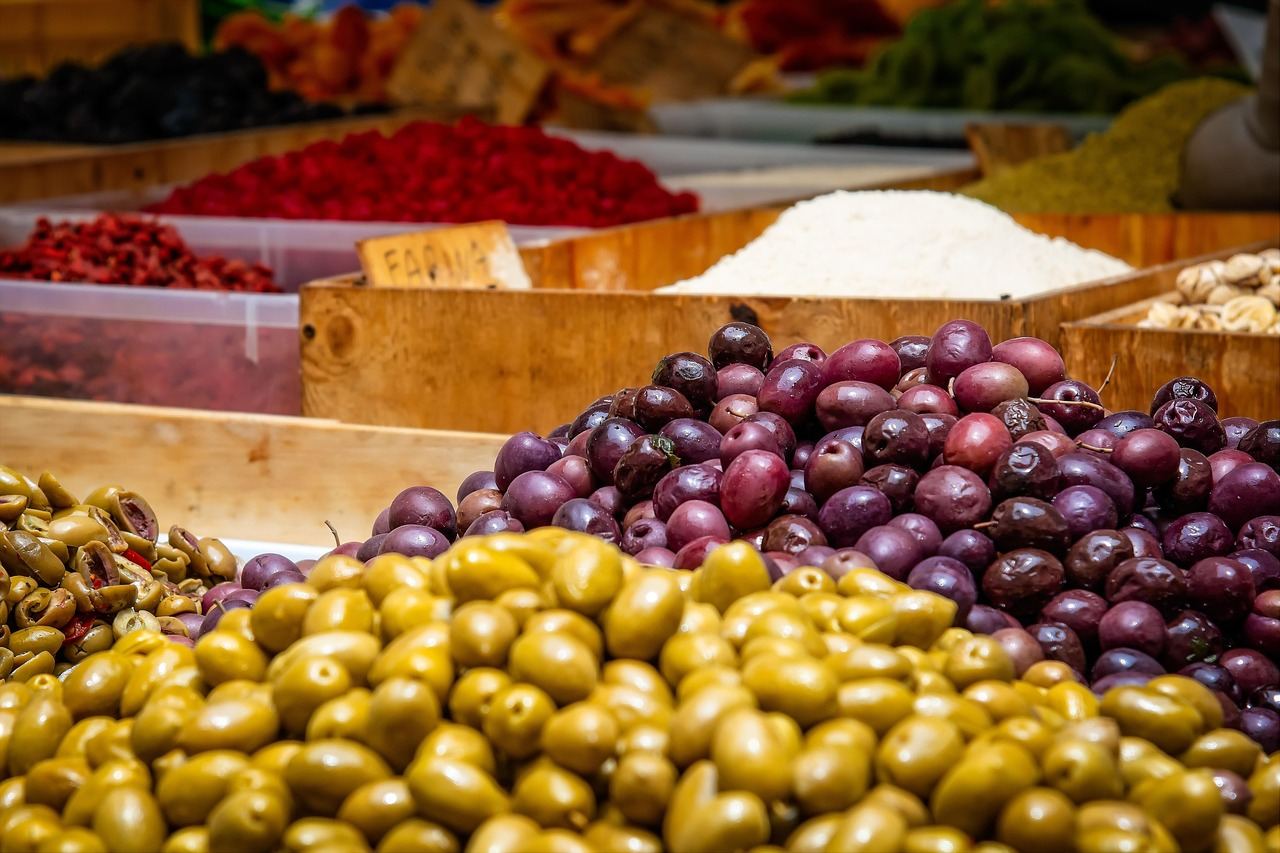
Culinary tourism is more than meals; it's a crash course in regional economies, cultures, and the uncomfortable joy of discovery through food.
Getting started with culinary tourism as a beginner involves selecting travel destinations that highlight unique food cultures and local cuisines. Culinary tourism means traveling specifically to eat – choosing destinations, neighborhoods, or day trips based on food culture rather than landmarks.
You plan around meals, markets, and producers, not the other way around.
Unlike food photography or home cooking, the experience only exists in place – it can't be recreated at home, and that's the whole point.
Culinary tourism involves traveling to immerse yourself in regional food cultures, where you navigate local markets, participate in tastings, explore producer sites, and dine adventurously at local eateries, all while learning about ingredients, flavors, and culinary traditions from locals and experts.
Culinary tourism combats boredom by providing sensory novelty and cultural immersion, creating a flow state through engaging challenges like selecting ingredients or pairing flavors, and fostering social connections through shared culinary experiences and informal learning.
You think culinary tourism means booking a pasta class in Tuscany and calling it a trip. Maybe a food tour where someone hands you a tiny sample on a toothpick. Most people never move beyond this surface layer.
The real experience dives deeper.
Take a traveler lost in a Japanese department store basement food hall. She has no plan, no translation app.
Pointing, tasting, and sometimes embarrassing herself. Two hours of exploration teach her more about regional Japanese food culture than any formal dining experience could.
It's not a gap of consumption versus curiosity. It's about structuring your trip around genuine interest, which is more methodical than you might expect.
We're about to explore how you can turn that curiosity into the center of your next adventure.
Seeing someone expertly navigate a bustling food market in Oaxaca or enjoy ramen down a narrow Tokyo alley looks easy from your screen, but being there is different.
The first time at the market can be overwhelming. You're not quite sure what to order and a bit anxious about picking the wrong thing. That uncomfortable feeling is just unfamiliarity slowly fading, faster than you might expect.
The spontaneity of it all might seem chaotic. Your itinerary is only half-baked. A few places are closed, and your stomach wasn't ready for what's on offer. Yet, when you accidentally find something amazing and return the next day, it all makes sense.
Lost. Overwhelmed. Stuffed. Nothing went as planned, but somehow, that was the highlight of your trip. This feeling is the point – it's the skill you're honing, and the breakthrough is close when you feel the most lost.
Learn when locals eat, not when you do. Lunch in Mexico City is from 2–4pm. Markets in Southeast Asia thrive at 7am and vanish by 9. Arriving on your usual schedule means missing the real gems.
When to start: Morning
Duration: 1.5 hours
Cost to try: $15
Success criteria: If you order one signature local dish, identify its main ingredients, and note two flavor or texture details, do session 2.
Eating at Places That Already Have Your Attention Tourist maps and "best of" listicles surface the same ten spots in every city – places optimized for visibility, not flavor. Ask your hotel's housekeeping staff or a local pharmacist where they eat lunch. Those people have no incentive to lie to you.
Treating the Meal as the Whole Experience You show up, you eat, you leave – and six months later you couldn't tell someone what made that dish actually different. Before you order, ask one question: what's in this that I won't find back home? One real conversation with a server or vendor sticks longer than a hundred photos.
Scheduling Too Many "Food Experiences" in One Day Four tasting menus. Three market stops. A cooking class. You're full by noon, exhausted by two, and nothing was memorable because nothing had room to breathe. Cap yourself at one intentional food moment per day and let the rest happen accidentally.
Ignoring the Grocery Store Markets and restaurants get all the attention – but a country's grocery store tells you what people actually cook on a Tuesday night. Spend 20 minutes in a local supermarket, buy one unfamiliar ingredient, and look it up when you get back. You'll learn more about everyday food culture than any tour will show you.
Going Home Without Writing Anything Down Memory is confident and wrong – you will not remember the name of that sauce by the time you land. Keep a note on your phone: dish name, where you had it, one specific thing about it. Thirty seconds of friction, a permanent record.
Culinary tourism is all around you. Local food markets, cooking schools, and food festivals are just the start. Even familiar restaurant strips can become exciting destinations. It's not the place, but how you approach it that transforms eating into an adventure.
Ask locals what they order that tourists miss. Staff love sharing insider tips, and you'll start conversations that lead to genuine culinary discoveries.
Navigate local markets instead of restaurants — stalls, vendors, and street food create a chaotic grid. You eat more, spend less, and experience how locals actually cook day-to-day.Perfect for beginners, this is the lowest-cost, lowest-commitment way to start your food journey.
Budget runs $10–$30 a day compared to $50+ at sit-down spots.
Choose a city and explore a specific cuisine or chef lineage systematically.Slow, deliberate, and expensive, this approach offers a true culinary education beyond Instagram content.
Ideal for seasoned travelers who live for food experiences, this is about gaining real insights and connections.
Instead of just eating, cook the food yourself in a local home or cooking school.The skill transfer is real — you're bringing home dishes, not just memories.
Sessions cost $50 to $200+; plan your trip budget accordingly.
Visit olive groves, vineyards, spice farms, or fishing villages to explore the origin of flavors.Focus is on understanding, not just tasting, the food, making it ideal for those passionate about agricultural roots.
Plan your trip around specific events like harvest festivals or regional food competitions.Timing matters, and it can be crowded — but in two days, you can experience more than a week of casual exploring.
If this resonates, Aquaponics explores a similar direction.
Herb Gardening lives in the same world — different mechanics, similar appeal.
A close neighbor worth considering: Hydroponics.
Most beginners obsess over finding the "best" restaurant in every city – the one with the most stars or the longest waitlist.
That's not culinary tourism. That's restaurant tourism, and it'll flatten every destination into the same highlight reel.
The one skill is contextual eating – the ability to read a dish as a product of its place, not just its flavor.
It means walking into a bowl of pho and asking: why rice noodles here and not wheat, why this herb plate and not that one, what does this broth tell me about the region's Chinese influence or French colonial pantry.
You're not just tasting. You're decoding.
When you master this skill, meals become conversations with a place. You move beyond being just a consumer of flavors.
Without it, you'll dine on incredible food in Oaxaca and leave with nothing more than a shallow impression.
Commit to four food-focused outings over 30 days. Visit a local ethnic restaurant, explore a food market, take a cooking class, or travel to try a regional dish.
Four experiences matter because they help decide if you like the pursuit of food, not just the taste.
If you're planning the next outing before the current one ends, it's more than enthusiasm. It means you're drawn to discovering why a dish is unique or which region does it best. That's the sign to keep going.
If you enjoyed it but the food felt incidental, that's real feedback. It suggests you're more into eating than exploring culinary landscapes.
If every meal felt challenging, whether due to dietary restrictions or sensory overload, acknowledge it. Some people just prefer the familiar over culinary surprises.
The unignorable sign? You're watching a food documentary, not for travel ideas, but to learn about the dish's origin and try it yourself. That curiosity isn't limited to your couch.
Curious what else is out there? Skim our list of hobbies for ideas that go in a different direction.
For ideas that take five minutes instead of five weeks, see things to do when you're bored.
Culinary tourism is travel focused on experiencing authentic local cuisines, cooking classes, food tours, and interactions with chefs and food producers in different regions. It goes beyond eating at restaurants—you're learning about the culture, history, and traditions behind the food while supporting local communities.
Costs vary widely depending on your destination and activities, ranging from $50–100 per person for food tours in budget destinations to $2,000+ for week-long culinary retreats in Europe or Asia. Many food experiences (street food tours, farmers markets) are affordable, while cooking classes and private chef experiences cost more.
No—culinary tourism is accessible to all skill levels, from complete beginners to experienced home cooks. Most food tours, market visits, and casual dining experiences require no prior knowledge, and cooking classes are typically designed for beginners.
Food experiences range from quick street food tours (2–3 hours) to full-day market tours and cooking classes (4–8 hours), or multi-day culinary retreats (3–7 days). Even a single meal at a local restaurant or cooking class during a regular trip counts as culinary tourism.
Most culinary tourism cooking classes include hands-on instruction in a home kitchen or commercial space, preparation of 2–4 dishes, and a meal at the end where you eat what you've made. Classes typically last 2–4 hours and are led by local chefs or home cooks sharing family recipes.
Reputable culinary tourism operators and established cooking schools prioritize food safety, but practices vary by region. Research reviews, book with certified operators when possible, and follow standard travel precautions like choosing busy, popular restaurants and avoiding tap water in regions where it's not safe.