BoredomBusted — Find Your Next Favorite Thing To Do
Discover hobbies, activities, places, and ideas that spark joy. Whether you're looking for something creative, active, social, or relaxing, BoredomBusted helps you find your next favorite thing to do.
Browse our hobby guides, things-to-do collections, and place ideas to never be bored again.
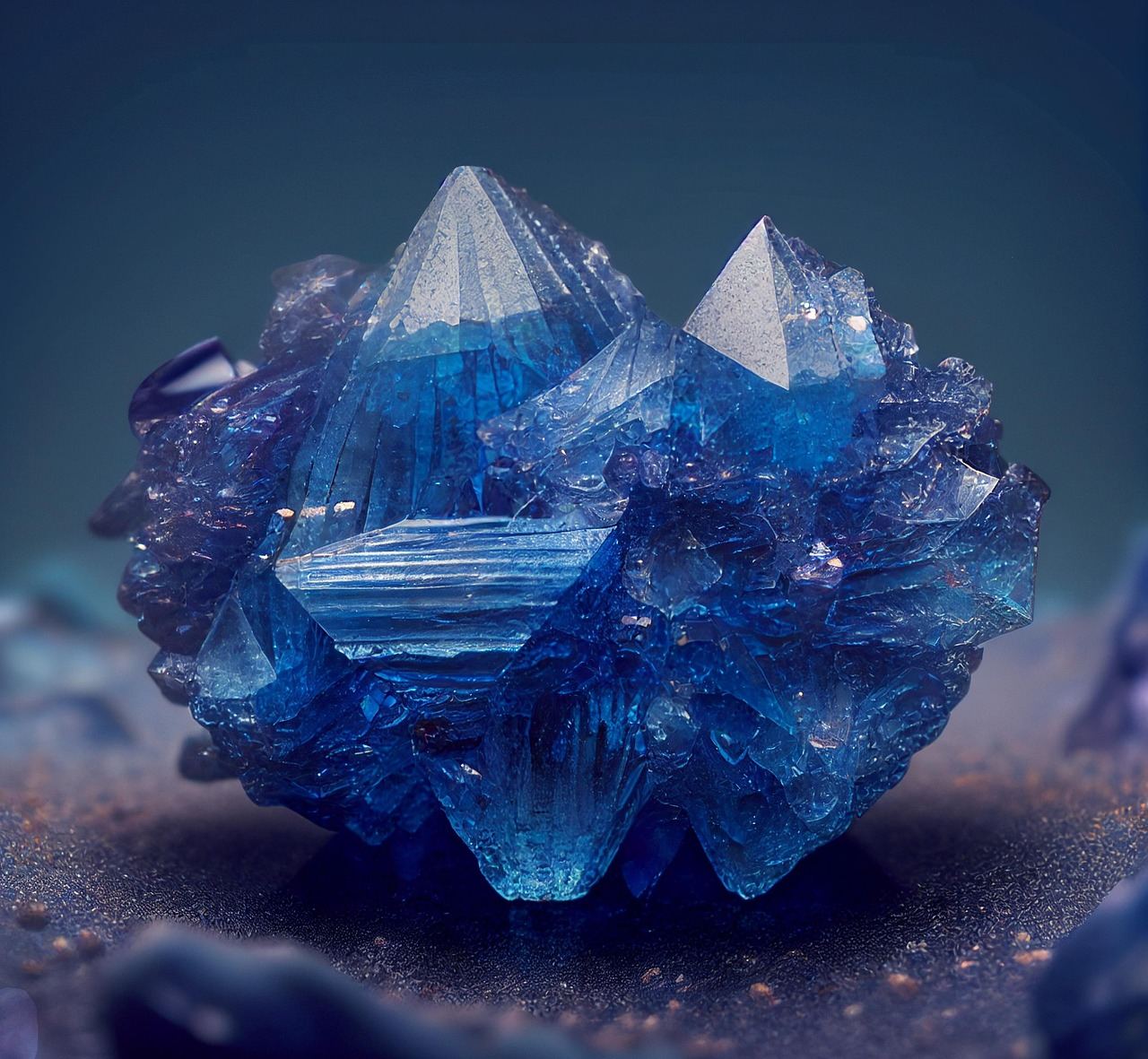
Mineral collecting is more than a dusty hobby — it's an intense pursuit that merges competitive hunting with deep scientific curiosity.
Getting started with mineral collecting as a beginner is a rewarding journey that involves selecting and appreciating unique specimens.
Mineral collecting is about the science of how Earth makes things – structure and chemistry hidden in each piece.
You build a collection of naturally occurring minerals, crystals, and specimens. Sourced from mines, shows, dealers, or right from the field.
Unlike fossil hunting (which chases biology) or gem collecting (which chases value), mineral collecting focuses on Earth's craft.
Mineral collecting involves physically exploring outdoor locations like stream beds and quarries to search for and gather mineral specimens. Hobbyists use tools such as chisels and hammers to carefully extract minerals while navigating challenging terrains, and later identify and organize their finds at home, often specializing in specific types or localities.
The thrill of discovery provides a unique form of novelty, while the hands-on techniques foster skill feedback loops as collectors refine their methods and knowledge over time. Achievements in curation and community involvement enhance feelings of accomplishment and social belonging, countering boredom through immersive engagement and tangible progress.
You think mineral collecting is for retirees with magnifying glasses and too much shelf space.
Maybe you picture dusty rock shops and labeled specimen trays. That assumption is costing you one of the most tactile, obsession-worthy hobbies in the physical world.
A fluorite octahedron from Illinois looks simple until you hold it under shortwave UV and watch it turn electric blue. That's not decoration. That's a physical property baked into the crystal lattice – and once you've seen it, you start asking why. That question pulls you in deeper than you expected.
The next question most people ask is what it actually costs to start – and the answer is more forgiving than the hobby looks.
The thrill of cracking open a geode on YouTube is worlds apart from finding one yourself. The video skips the long walk along gravel bars, often with nothing to show. The moment you can't tell if it's quartz or just a wet rock isn't captured, leaving out the uncertainty and frustration.
This uncertainty is a necessary part of learning. Collecting plain-looking rocks feels pointless at first.
Each session begins with uninspiring rocks that all look the same. But then, a single interesting specimen shifts your perspective. The gravel no longer looks endless and bland. You start to see the details that make each piece unique.
By week four, you're researching local geology instead of feeling lost. You've learned that rocks aren't scattered randomly; they're where conditions are just right. Knowing if you're in a limestone or pegmatite zone can shift what you find and keep.
When to start: Early morning
Duration: 1.5 hours
Cost to try: $10
Success criteria: If you return with 3 labeled specimens and notes on where each was found and what made it different, do session 2.
Colorful tumbled stones look attractive, but they hide what real minerals look like. Focus on learning from raw specimens like quartz and calcite before splurging on other types.
Beginners assume public land means free access, but this isn't true. Research site permissions and regulations through Mindat.org and local agencies to avoid fines.
Many scratch minerals against each other and see a mark that misleads them. Always wipe the surface clean to avoid mistaking powder for a scratch.
Detached crystals may seem more valuable, but this isn't true. A crystal in its host rock is usually worth more and carries irreplaceable information about the deposit.
Mixing minerals invites damage. Moisture, scratches, and tarnishes are common when stored carelessly. Use padded trays or boxes and add silica gel for moisture-sensitive ones.
Mineral collecting thrives where the earth opens up. Look for road cuts, river gravel bars, mine dumps, quarry spoil piles, and dedicated dig sites.
Hobbyists often find treasures in outdoor activity areas, state and national parks, and private land, depending on their target minerals.
Introduce yourself with: "I'm brand new – what should I be collecting in this region?" Local members will quickly help you with essential spots and trend minerals, and often invite you on exclusive trips.
Rockhounding is all about field collecting. You're at known dig sites, pulling specimens from the ground yourself. Perfect for those who value the hunt itself, not just the display. Gas and time are your main expenses – gear like a basic rock hammer and eye protection costs under $30.
Tumbling and lapidary are about crafting, not just collecting. You cut, polish, and shape stones. **Ideal for those bored with rough specimens but enjoy doing things with their hands.** A beginner tumbler costs $40 to $80, but trim saws and grinders push costs up fast.
Crystal specimen collecting is about finding standout display pieces. Think quartz clusters and amethyst geodes. Great for anyone seeking beauty without interest in geology. You mostly buy, not dig, and costs depend on your level of obsession.
Meteorite collecting means unique sourcing – they're from space, where provenance is key. Ideal for collectors craving rarity in every piece. Fakes are common, so budget for a verification tool or stick to dealers who offer certification.
Micromount collecting focuses on tiny specimens, often under a centimeter, shown under magnification. Best for collectors interested in crystal structure more than visual impact. Initial costs are low, but you'll need a loupe or microscope, costing $30 to $150.
Aircraft Spotting lives in the same world — different mechanics, similar appeal.
Readers who enjoy this often gravitate toward Bus Spotting next.
If you want a related angle, Rock Collecting is the natural next stop.
Most beginners spend all their energy chasing better locations – more quarries, more road cuts, more field trips.
The location isn't the bottleneck. Reading the rock is.
The essential skill is mineralogical context recognition – the ability to look at a host rock and predict what minerals formed inside it before you ever crack it open.
It's understanding that tourmaline follows pegmatite, that calcite rhombs appear in limestone vugs, that copper carbonates stain the gossan above a sulfide deposit.
You stop hunting randomly and start reading the landscape like a sentence.
When you have this skill, every outcrop tells you what's possible. You stop wasting hours hammering barren granite hoping for something good.
Without it, your collection grows by luck instead of intention.
Four sessions spaced across 30 days will reveal if mineral collecting calls to you. Plan a weekend field trip or market visit, spend a couple of hours researching your finds, and devote one session to identifying specimens online or with a local club. The varied activities will show if you're drawn to more than just the novelty of shiny rocks.
If you're already jotting down your next dig sites and diving into crystal systems at 11pm, you're likely hooked. This isn't mere whimsy—this is the hobby speaking to you. Now's the time to build a proper reference collection and join a mineralogical society.
Finding yourself indifferent, where you enjoyed the sessions but quickly moved on, suggests the problem is with the format, not the hobby itself. Maybe swap roles: more collecting if research dominated, or vice versa. A minor shift can unlock new interest.
If attending these sessions felt like a chore, take it as a sign. The patience mineral collecting requires isn't for everyone, and if the slow pace frustrates you, stepping away is wise. There's no shame in finding out this isn't the activity for you.
Picking up rocks during routine walks and wondering about them hints at genuine interest. It's this subtle curiosity—a quiet reflex present long before any official field guide—that defines true mineral enthusiasts.
You can start with minimal investment—under $50 for basic tools like a magnifying glass, chisel, and collection bag. As you develop your interest, you might invest in more specialized equipment like UV lights or a hand lens, but these purchases are gradual and optional. Many collectors begin by exploring local sites for free or low-cost public rockhounding areas.
Essential tools include a geology hammer or chisel, safety goggles, a magnifying glass, a collection bag, and a field guide for identification. A small notebook for recording locations and specimen details is also helpful. As you progress, you might add a UV light, hardness testing kit, or digital scale for cataloging specimens.
You can learn to identify common minerals in a few weeks of casual practice, focusing on properties like color, crystal shape, and hardness. Developing deeper expertise takes months to years of hands-on experience and study. Starting with guides focused on minerals in your region helps speed up the learning process significantly.
No—mineral collecting is very accessible for beginners and requires no special skills or fitness level. You start by learning basic identification techniques and visiting local collecting sites or gem and mineral shows. Many communities have collecting clubs that welcome newcomers and provide guidance on where and how to find specimens.
Check your state's geological survey website or rockhounding club listings for public collecting sites and designated mining areas. Many quarries, creek beds, and parks allow mineral collection; however, always get permission and follow local regulations. Gem and mineral shows in your area are also excellent places to find specimens and connect with local collectors.
Common minerals like quartz, feldspar, mica, and calcite are found in most regions and easy to identify by sight. Collecting areas with clear geological maps help you target spots where these minerals naturally occur. Starting with abundant, visually distinctive minerals builds your confidence before hunting for rarer specimens.