BoredomBusted — Find Your Next Favorite Thing To Do
Discover hobbies, activities, places, and ideas that spark joy. Whether you're looking for something creative, active, social, or relaxing, BoredomBusted helps you find your next favorite thing to do.
Browse our hobby guides, things-to-do collections, and place ideas to never be bored again.
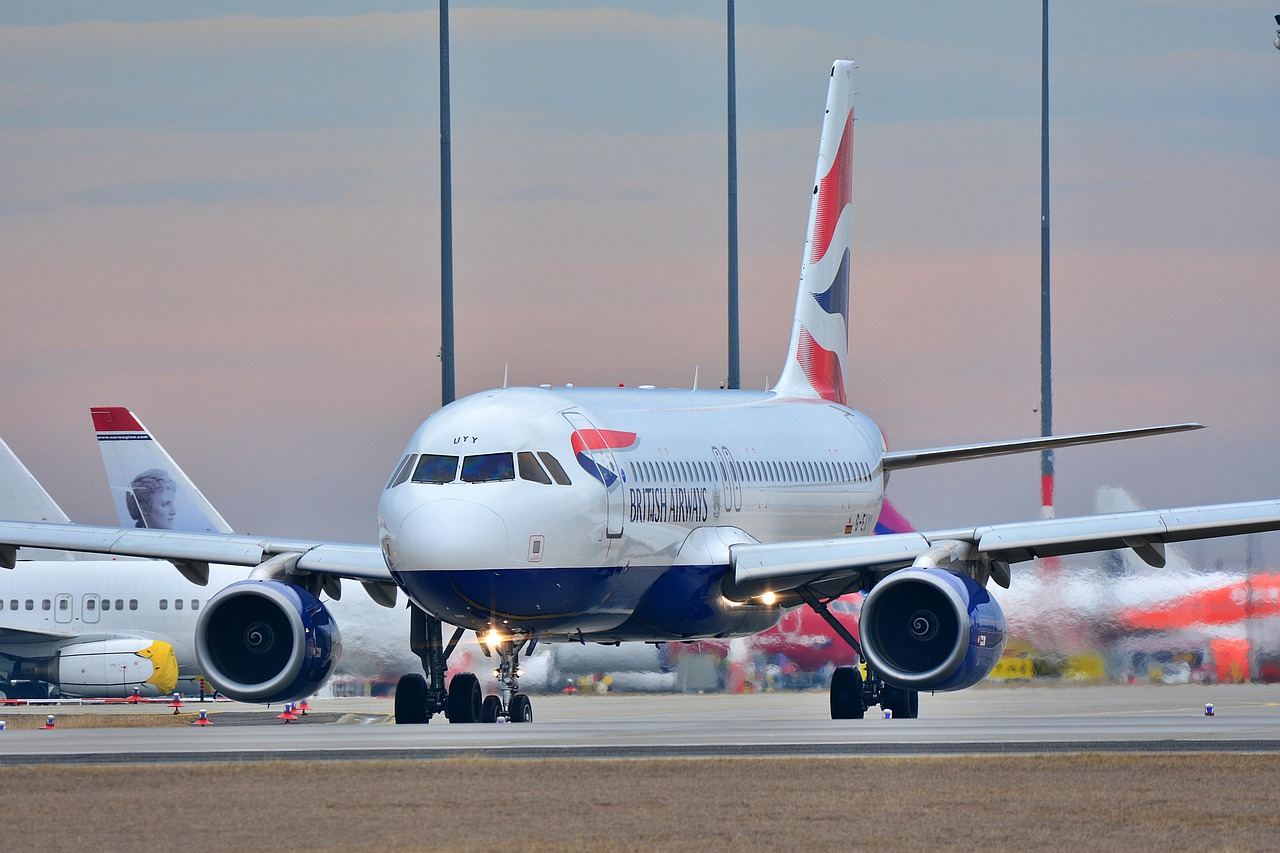
Forget just spotting planes; you're decoding global logistics and aviation history at the fence—it's about understanding flight paths before wheels touch down.
Getting started with aircraft spotting as a beginner involves learning to identify different types of planes while enjoying the thrill of real-time observation.
You're not just watching history. You're catching it as it unfolds.
Outside, you use live flight data to chase tail numbers and liveries before they disappear forever.
In aircraft spotting, enthusiasts position themselves at strategic locations such as airport observation decks or aviation parks, using binoculars, cameras, or smartphones to observe and identify various aircraft by their shapes, liveries, and registration numbers, while logging details and sharing their findings with the community.
Aircraft spotting creates a flow state through the excitement of tracking unpredictable plane arrivals, offers skill feedback as spotters improve their identification abilities, fosters social belonging through community interactions, and instills a sense of accomplishment from curating personal collections of aircraft.
You think aircraft spotting is standing in a field, squinting at a speck, muttering a tail number into a notebook.
Maybe retired guys with binoculars and nowhere better to be.
That's the assumption. It's wrong.
Picture a spotter at Heathrow's Terminal 5 fence, watching a Qatar Airways 777 on approach. Before the wheels touched tarmac, he already knew: in the past 48 hours that airframe had touched down in Doha, Nairobi, and São Paulo.
Not passive watching.
Not squinting at a speck.
Reading the sky like a feed — and the tools that make it possible cost less than a single flight ticket.
The gear that makes this possible is simpler than you'd expect. That's what's up next.
It looks simple on YouTube — just binoculars, open sky, planes overhead. Then you're actually there, hearing a roar you can't place, squinting at a silhouette that's gone before the app loads. Nobody warns you that the first session feels less like a hobby and more like a test you didn't study for.
The awkward part is the gap between seeing and knowing. You'll catch a shape, reach for your phone, confirm it was a 737, and feel vaguely like you cheated. Someone nearby hears a flat, buzzing fan-blade note and just says "737" without looking up. Embrace that awkwardness — it's where the actual learning starts, not in the tutorial videos, but in the moment of not knowing.
Progress in those first few sessions is quieter than you expect. Week one, you correctly identify two aircraft types and it feels lucky. Week two, widebody versus narrowbody starts to click without effort. By week three, that same buzzing fan note stops being noise and starts being data — and catching your first unfamiliar registration in the logbook lands differently than you thought it would.
Download both Flightradar24 and Planefinder before your first session. They pull from different data sources, so a bad angle or partial tail number isn't a dead end. Having both open is the difference between a confirmed entry and a guess.
Those early moments of squinting while someone nearby just knows can feel like they have something you don't. They don't. You just need more exposure — repeated exposure is what makes aircraft recognition automatic, not any particular aptitude. The next section covers the mistakes that slow that process down more than anything else.
When to start: Morning
Duration: 1.5 hours
Cost to try: $0
Success criteria: If you identify at least 5 aircraft by type or registration and write one note about each, do session 2.
The wind affects which runway is in use, dictating if planes will fly toward you or away.
Use LiveATC.net or check the ATIS frequency before heading out. That way, you're on the right side for the action.
Reading app data feels useful, but it doesn't help you identify planes by sight.
Cover the aircraft type on the app and make your own ID. Check afterward to learn faster by recognizing tail shapes and engine placement.
High-magnification binoculars (10x+) seem ideal but narrow your view so much that jets vanish before you focus.
Start with 8x42 binoculars. These offer balance without the shaky, tunnel-vision problem.
Everything seems unforgettable at the time, but fades after weeks.
Log every session in a simple spreadsheet. Track date, location, aircraft types, registrations, and weather.
These patterns will guide you to rarer sights.
Beginners flock to terminal areas for ground shots, missing dramatic approach angles.
Find the approach charts on AirNav.com. Look for where the glide path crosses public land for the best shots.
Find aircraft spotters near busy airspace. Look by airport fences, in designated viewing areas, or on elevated public lands. These spots gather enthusiastic regulars.
Airports, public parks, and observation decks are your best starting points. Each puts you at a natural vantage point where other spotters already congregate.
Join a Facebook Group for your city or region first. Search "aircraft spotting club [location]" to find active groups sharing local insights. For wider searches, SpottingClub.com lists spotting groups sorted by country and region.
AviationEnthusiasts.net and the Professional Pilots Rumour Network (PPRuNe) both have spotters' subforums with location-specific threads going back years. In the U.S., the Experimental Aircraft Association (EAA) runs local chapters that draw both spotters and pilots — find one at eaa.org/chapters.
Tell the group you're new and ask for scanner frequencies. That one request can get you a frequency list, a scanner recommendation, and a spot next to someone who knows every aircraft on final approach.
Airport perimeter spotting means finding a public viewing area, reading tail numbers, and watching arrivals and departures up close. You can do this meaningfully before spending a single dollar on gear.
This is the natural entry point. Most major airports have designated viewing spots. Show up, watch, and decide if the hobby is for you before investing further.
Airshows pack static displays, historic aircraft, and low-level aerobatics into a single day. Tickets typically run $20 to $60. You see more aircraft types in one afternoon than months of perimeter spotting.
The tradeoff is that you're a spectator, not a hunter. The aircraft come to you, which is great for beginners but less satisfying once you want to track something specific.
Pairing a spotting session with FlightAware or Flightradar24 turns a sighting into a logged record — route, altitude, operator, flight history. Spotters who add ADS-B tracking tend to stay in the hobby longer because the data gives every sighting a second dimension.
This works alongside any other variant. It's not a separate discipline so much as an upgrade you layer onto whatever spotting you're already doing.
Military base spotting means positioning outside the perimeter fence to catch fighters, tankers, and transports on approach or departure. The aircraft are rarer and more varied, but the legal boundaries are stricter and less forgiving than commercial airport spotting.
ADS-B tracking is often unavailable for military flights. You're working from schedules, tip-offs from other spotters, and patience. Not a starting point, but a compelling next step once you know the basics.
This is traveling specifically to catch a rare airframe — a one-off delivery flight, an unusual long-haul routing, an aircraft type almost never seen at your home airport. The cost and planning involved make this a pursuit for spotters who are already deep in the hobby, not a casual weekend option.
Online communities like the Planespotters.net forums are where this kind of chasing gets coordinated. If you find yourself refreshing flight alerts at midnight, you're probably already here.
Readers who enjoy this often gravitate toward Mineral Collecting next.
For something adjacent, see Bus Spotting.
A close neighbor worth considering: Rock Collecting.
Most beginners get stuck memorizing aircraft types. Flashcards, apps, endless lists.
Recognition without context keeps you in the dark.
Master the approach sequence. Understand why a specific aircraft is flying a certain route, altitude, and angle at a specific time.
Cross-reference live flight data with the airport's active runway configuration. Anticipate what you'll see before it even arrives.
You stop reacting.
You start anticipating.
Know a 737 is inbound from the northeast toward Runway 27L? You're already prepared, already focused, already framing the shot or sighting.
Without that read, you're a half-second late — and a half-second late means you've already missed the best angle the aircraft will give you.
Spotters who skip this end up lurking in parking lots, waiting for something interesting to fly over. The ones who master it seem to have insider knowledge.
Try six sessions over 30 days, about one or two each week. This timing matters because aircraft movements follow weekly patterns. You'll experience different conditions: busy travel days, quiet midweeks, and various weather.
If you're eager to return, notice what draws you back. Is it specific aircraft types, liveries, or registrations? That signals genuine interest. Start a log and consider using a basic scanner.
Feeling indifferent provides useful data. Spotting can become more engaging once you recognize basic aircraft types. If this is the case, extend by three sessions with a spotter's guide before deciding it's not for you.
If you really didn't want to be there, take that as a clear signal. Enjoying long stretches of stillness isn't something you grow to love—it's either okay from your first session or it isn't.
The sign you can't miss is wondering about a plane's journey without planning to. If you're outside on a regular Tuesday, and you find yourself curious about where a plane came from, that's the moment that says you're hooked.
If nothing here clicks, our guide to what to do when bored covers shorter, lower-commitment options.
You'll need a camera or smartphone with a good zoom lens, binoculars, and a spotting guide or app to identify aircraft by sight. Many beginners start simple—even a smartphone camera works well, and you can upgrade to a dedicated camera later as your interest grows.
Aircraft spotting can be completely free if you start at public viewing areas near airports. Basic equipment like a used camera and binoculars might cost $100–$500, but you can begin without any purchase at all by visiting local spotting locations.
Yes, spotting from public areas is legal in most countries. However, you cannot enter restricted airport zones or trespass on private property—stick to designated viewing areas, public roads, and observation decks. Always check local regulations before visiting a new spotting location.
You can identify common aircraft types within a few weeks of regular spotting using identification guides and apps. Becoming proficient at spotting rare aircraft and recognizing variants takes months or years, but every outing teaches you something new.
Major airports with public observation decks, nearby hills overlooking runways, and designated spotting parks are ideal locations. Research local airports and online spotting communities to find hotspots in your area and learn about flight schedules.
Yes—online forums, local spotting clubs, and social media groups connect enthusiasts worldwide who share sightings, tips, and rare aircraft alerts. Joining a community accelerates your learning and opens doors to organized spotting trips and events.