BoredomBusted — Find Your Next Favorite Thing To Do
Discover hobbies, activities, places, and ideas that spark joy. Whether you're looking for something creative, active, social, or relaxing, BoredomBusted helps you find your next favorite thing to do.
Browse our hobby guides, things-to-do collections, and place ideas to never be bored again.
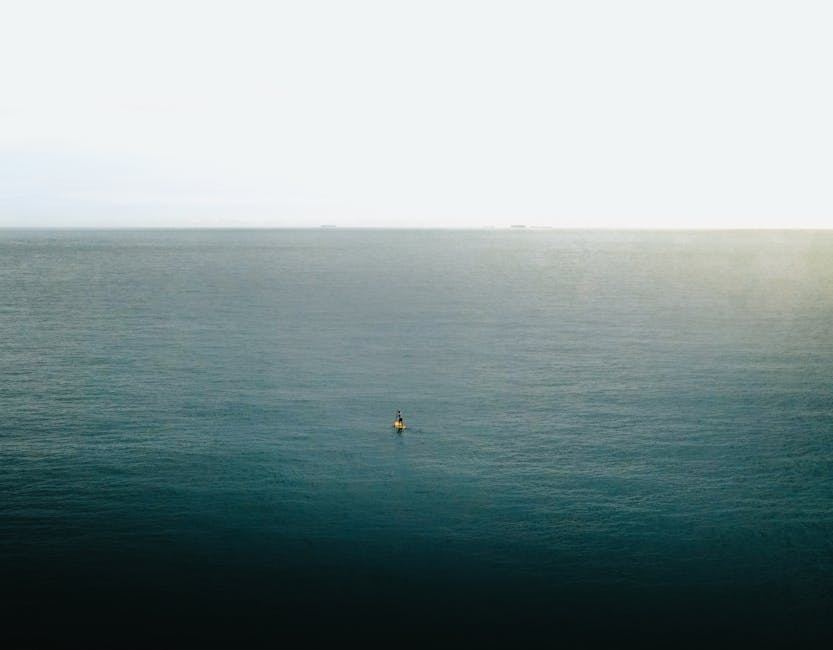
Open water swimming isn't just about nature; it's a humbling experience that rewires your swimming technique under dynamic conditions.
Getting started with open water swimming as a beginner offers a refreshing alternative to traditional pool settings, allowing you to immerse yourself in nature. Swimming in natural bodies of water – lakes, rivers, oceans, reservoirs – without the lane ropes, pace clocks, or controlled conditions of a pool.
You navigate real environments, manage currents and cold, and sight your own course.
Unlike pool swimming, the challenge isn't just fitness – it's reading water that doesn't cooperate.
In open water swimming, participants swim freestyle in natural bodies of water, employing skills like sighting, bilateral breathing, and navigating currents, while executing structured sessions that include warm-ups, endurance sets, and tactical maneuvers like buoy turns and drafting.
This hobby fosters a flow state through constant adaptation to unpredictable environments, providing immediate skill feedback and a sense of accomplishment from tackling endurance challenges, while the novelty of varying conditions keeps the experience fresh and engaging.
You think open water swimming is just pool swimming with more nature. Maybe a lake, maybe some ducks, maybe a slightly better view. That assumption is why most people try it once and leave thinking they 'did it.'
Open water takes away your pool safety nets – no lane lines, no guiding stripe, no wall every 25 meters to reset yourself.
The navigation itself rewrites your swimming style. Sighting – lifting your head to find a buoy or landmark – boosts stroke efficiency in ways you'll notice even back in the pool.
It's a whole different mental challenge. Not seeing the bottom, feeling the cold patches, dealing with choppy waves – these aren't just difficulties to endure. Those are the lessons open water teaches.
A swimmer used to the pool will feel genuinely challenged in open water. It's not about weakness, but about never having had to adapt mid-stroke. That recalibration is the point.
The physical shift is just one side. Next up: what your first real session actually looks like – and what to do before you get in.
Stepping into open water might surprise you with its bite. Your face feels the chill first, and your breath quickens reflexively before you even begin to swim.
The initial plunge is awkward. No lanes or tile lines anchor you. You're unsure where to sight, and even your stroke rhythm stumbles.
By your third session, managing the cold feels easier. But the challenge of sighting interrupts your flow. It's an awkward dance, but the rhythm will come.
By the fourth swim, your entry won't stir dread anymore. You're not fast yet, and your strokes are still labored. But reaching this point signals real progress.
When to start: Early morning
Duration: 1 hour
Cost to try: $20
Success criteria: if you finished without any panic or significant discomfort in the water, do session 2.
Swimmers assume pool speed transfers directly to open water. It doesn\u2019t. Energy drains away with sighting, currents, and chop.
Start slower than pool pace by 20% for the first 400m, then build speed.
Your ego will recover faster than your lungs.
Heads-down swimming in open water leads to zig-zags. Without practice, sighting skills suffer and disrupt your swim.
Cold shock is a natural reflex, not a weakness. It tightens your chest and can ruin your stroke.
Stay calm with controlled breathing.
Race day is the wrong day for a new wetsuit discovery. A poor fit can lead to neck chafing and shoulder issues.
Identify and solve fit problems early.
Open water seems chaotic to pool swimmers. Shadows, weeds, and depth changes cause panic.
Open water swimming is popular in lakes, reservoirs, rivers, and coastal bays. Many dedicated venues offer supervised sessions here, so you don't have to guess where to go.
In the US, USMS is the authority for adult swimming. Swim England oversees open water in the UK, and their club finder at swimengland.org is a solid choice for finding supervised groups.
Introduce yourself at the venue. Mentioning that you're new can often get you a buoyancy check, a swim buddy, and valuable local advice.
Swim in both pools and open water to build confidence without losing the comfort of a pool setting.
Triathlons often involve wetsuit racing, changing buoyancy and swim stroke dynamics. Expect to spend $150–$400 on a good wetsuit for a quicker adjustment to cold water.
Skins racing means no wetsuit, just your swim gear. It's all about facing the water's natural elements.
Ice swimming involves temperatures at or below 5°C (41°F), requiring significant acclimatization experience.The sport's low entry costs don't match the high physical stakes.
Marathon swimming covers distances of 10km or more, often requiring significant planning and resources. Budget for coaching, boat hire, and extensive preparation.
If this resonates, Competitive Swimming explores a similar direction.
If this resonates, Lap Swimming explores a similar direction.
If this resonates, Sea Kayaking explores a similar direction.
Sighting is the real challenge in open water swimming. Most beginners fixate on swim fitness, endlessly logging pool laps and chasing speed. But the pool isn't the problem.
Without a reliable sighting rhythm, you'll swim 20% farther than needed.
Open water offers no black line, no lane ropes, and no wall for orientation every 25 meters. Bilateral sighting is key. Lift your eyes mid-stroke, spot a landmark, and return smoothly to your rhythm. This isn't about popping up like a startled seal but a subtle forward glance synced with your breathing pattern.
Effective sighting maintains your course and conserves energy. Without it, swimming turns into a guessing game. Tired swimmers with poor sighting often make panicked choices that harm their performance and confidence.
Once you get sighting right, navigating open water becomes easier. Up next, we'll explore strategies for picking the right event based on your skill level.
Six sessions over 30 days, roughly one or two a week, is your test for open water swimming. This frequency helps you move beyond the initial cold shock and experience how your body adapts.
If you can't stop thinking about the next swim — the water's color, its chill, that strange calm after the initial plunge — you're already in. You should connect with local groups and plan longer routes to explore.
If you felt okay in the water but it faded from thought right after, it means the environment isn't strongly resonating with you. You could push to ten sessions, but be honest about your interest level; it might not increase.
If you dreaded getting in each time, that's a clear signal. Open water might feel too unstructured or unsettling for some, and it's okay to seek something else.
The one sign you shouldn't ignore is if open water photos stir longing rather than simple curiosity. Randomly checking local swim routes without a clear plan also suggests a genuine pull towards the hobby.
Open water swimming takes place in natural environments like lakes, rivers, and oceans, where you face currents, waves, temperature changes, and unpredictable conditions. Pool swimming is controlled and static, while open water requires navigation skills, adaptability, and stronger mental resilience to handle the natural elements.
If you're already a strong pool swimmer, you can start short open water distances (500m–1km) after a few supervised training sessions. Building confidence for longer distances typically takes 4–8 weeks of consistent practice, depending on your fitness level and local water conditions.
Open water swimming is safe when you follow proper guidelines: never swim alone, wear a bright swim cap and consider a wetsuit, start in calm, designated areas, and gradually build experience. Taking a certified open water course and swimming with a buddy or group significantly reduces risks.
Entry-level costs are relatively low—a wetsuit runs $100–300, a swim cap and goggles $20–50, and a safety buoy $30–60. Many open water swimming communities are free or low-cost to join, though some organized events and guided swims may charge $10–30 per session.
Most swimmers can handle 59°F (15°C) and above with a wetsuit; below that requires specialized thermal protection. In very cold water (below 50°F), immersion risks increase significantly, so check local guidelines and invest in proper cold-water gear before attempting winter swimming.
Absolutely—open water swimming is for all levels. You don't need to be fast; you need steady endurance, good form, and mental toughness. Many beginners start with shorter distances and progressively build their distance and confidence over time.