BoredomBusted — Find Your Next Favorite Thing To Do
Discover hobbies, activities, places, and ideas that spark joy. Whether you're looking for something creative, active, social, or relaxing, BoredomBusted helps you find your next favorite thing to do.
Browse our hobby guides, things-to-do collections, and place ideas to never be bored again.
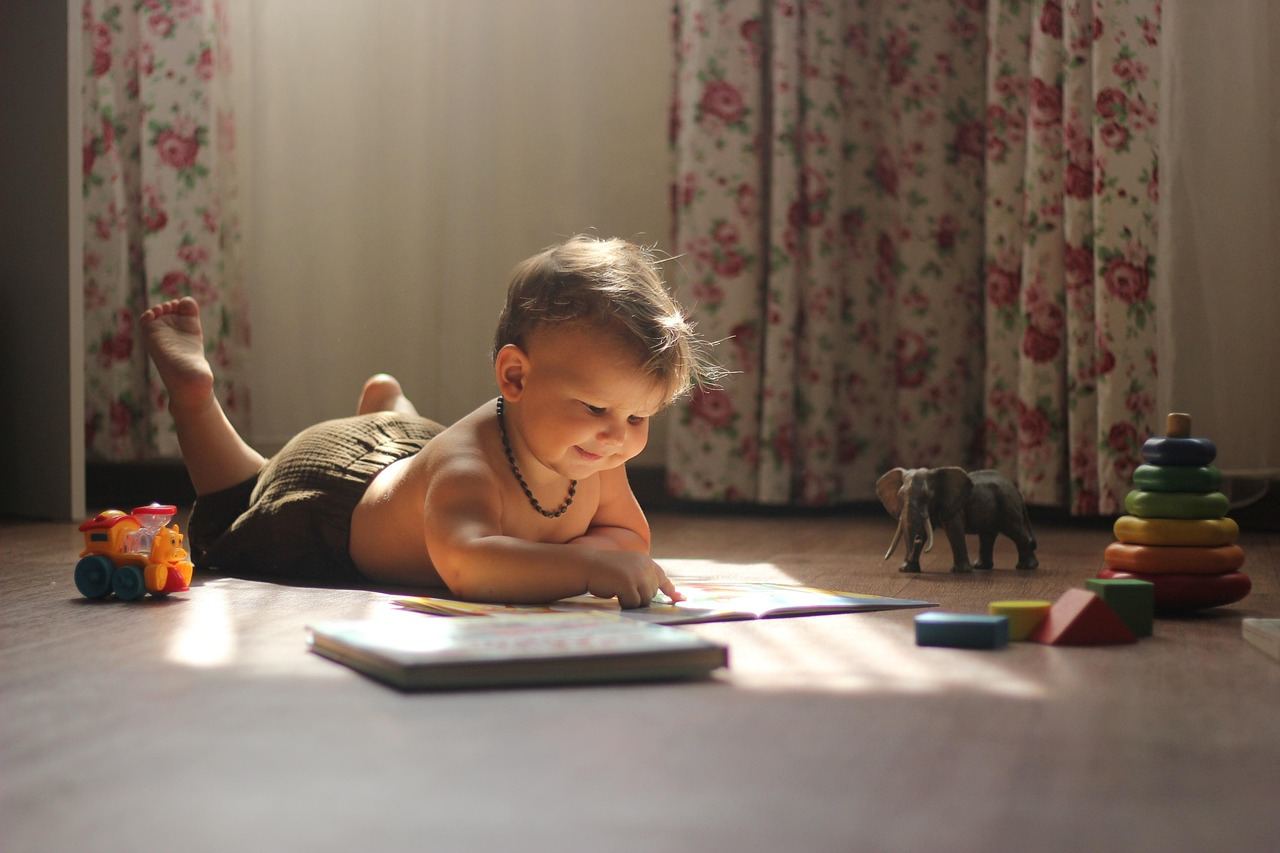
Reading to children isn't just about the story — it's a powerful way to fulfill social and emotional needs for both reader and listener.
Getting started with reading to children as a beginner involves creating an engaging atmosphere where storytelling comes to life through your voice. Reading aloud to children means sitting down with a book and voicing it – with expression, pacing, and presence – so a child can experience story before they can read independently.
Unlike solo reading or audiobooks, the relationship between reader and listener is the actual point:
In this hobby, adults read stories aloud to children, engaging them with expressive narration and interactive storytelling techniques, which may include sound effects or character voices to enhance the experience.
This activity fosters a sense of connection and belonging as it involves shared experiences and interactions, while also providing immediate feedback through the child's reactions, which can satisfy social and emotional needs.
You think you're just reading a story to kids. Grab a book, do a few voices, and hope they sleep. That's the routine, right?
This mindset misses the hidden magic in those moments. You're overlooking the lasting power behind those simple activities.
The book is almost beside the point. What a child's brain is doing – tracking your tone, watching your face, connecting words to safety – that's the real event happening on the couch.
Reading together is rare. It's one of the few moments where you have a child's complete, undefended attention – and they have yours.
A father reading The BFG to his seven-year-old isn't just killing thirty minutes before bed. He's the first person to introduce her to a character who feels like an outsider, creating a magical connection she'll remember with his voice.
Now, how do you choose the right book? Because the books that resonate aren't always the obvious ones.
Watching someone read to a child feels like magic. That warm voice captivates, the child is engaged, everything seems perfect. But your first time feels different – like running a meeting where no one agreed to be there.
Most people underestimate this gap between expectation and reality. That's where many give up quietly.
You start excited to share a beloved book. You're confident in your voice and believe kids love stories. But by page three, they're squirming and one's eating the bookmark. You read faster than planned, unsure why.
The real surprise is how much management happens outside the words. Eye contact, pacing, holding pages – these take over initially. You notice who is with you and who isn't by the fourth page turn. Picking the right book turns six minutes magical if you're lucky. Then you realize it's not about the book. It's about you.
Read the book aloud to yourself the night before. Children sense when you're following words versus knowing what's next. The first sounds like reading, the second like a story.
You'll stumble through sessions, doubt your book choice, and question yourself. You're not bad at this – reading to children is a performance skill. Every performer has uncertain early shows before everything clicks.
When to start: Morning
Duration: 1 hour
Cost to try: $0
Success criteria: If you read one book with distinct character voices and ask the child 2 open-ended questions about the story, do session 2.
New readers dive so deep into the text that they overlook their child's engagement.
Check your child's face every few pages. If they look lost, you've lost them, and no dramatic voice will fix it without a break.
Cutting a child's question short to keep the story moving might feel right, but it's not. Pause and answer immediately — their curiosity means the book is doing its job. Ignoring them in favor of finishing your sentence suggests their questions aren't as important.
Many parents underestimate what their child can follow when listening. A child can handle spoken language two to three grade levels above their reading level.
Opt for books slightly beyond their solo reading ability. The broader vocabulary is a vital feature, not a bug.
It's easy to slip into using your regular voice for every character, especially after multiple readings.
Assign each character a unique vocal trait. Even a slight pitch change creates an audio anchor that enriches the story's realism.
Reading together can drop from must-do to almost-never once busy schedules take over.
Schedule it like a meal. Five minutes after dinner is better than waiting for an ideal half-hour that never comes.
Most read-aloud sessions happen at home. But public libraries, elementary schools, and children's hospitals host them too.
Contact your local library branch directly and ask for the children's programming coordinator. Most libraries run volunteer reader programs that never get advertised online.
Introduce yourself by saying, "I'm new and I've never done this in a structured setting before." You'll often receive a mentor pairing. You might get a curated book list for your age group and sometimes a co-read session before you volunteer solo.
Wordless picture books let you narrate from the illustrations, making each session unique. There's no right or wrong way to tell the story, which stimulates creative thinking. Perfect for parents wanting to boost storytelling instincts.
Read-aloud chapter books mean stopping on cliffhangers so kids look forward to the next day. Kids as young as 4 or 5 love these, even if they can't read the book themselves yet. Ideal for building a lasting reading habit.
Interactive storytime involves asking questions and letting kids decide story elements. It slows things down but keeps attention high. **Ideal for little ones who can't sit still and for those who find "sit and listen" reading dull.
Audiobook co-listening lets you and a child enjoy professional narration and sound design together. It's not just an alternative, but a different way to engage. Great for road trips or when you're too tired to read aloud. Libraries often offer access for free via apps like Libby.
Puppets and props bring stories to life as you act them out. This method requires some prep but captivates toddlers who haven't caught the reading bug yet. Great for turning reading into a playful activity for ages 1–3.
Readers who enjoy this often gravitate toward Bringing Food to the Disabled next.
If the texture of this appeals to you, Zoo Volunteering is built on similar bones.
Another variant that pulls from the same roots is Reading to the Elderly.
Most beginners think reading aloud is just about pronunciation and volume.
Attention is held by watching the child.
Here's the skill: gaze-switching. Look up from the page to see their reaction, then return to reading without losing your spot.
Initially, it sounds robotic. But it transforms reading into a silent dialogue.
Watching the child lets you see confusion right when it happens. That's when you slow down or repeat without them asking.
Catch their delight too. It confirms your voice and pace are engaging.
Without doing this, you're just performing to them, not with them.
Let's see where this skill makes the biggest impact next.
Commit to 8 sessions over 30 days – roughly twice a week.
This helps you find a rhythm with a child without overcommitting. Too few sessions and you never get past the awkward first reads. Too many and you risk burning out your interest.
If you kept finding reasons to show up early, you're not just enthusiastic, you've found a fit. Start curating a personal library of read-aloud titles and consider asking for a recurring slot.
If you showed up, did it fine, but felt nothing particular, it's likely a setting issue, not the format. Before you write it off, try a different environment: a classroom instead of a library or focus on one child instead of a group.
If you were watching the clock by session three and dreading session four, it's clear that this might not be right for you. Storytelling may not be your way of connecting with kids, and that's perfectly fine. That's useful data.
The thing to notice? When you slow down naturally on a child's reaction. You didn't plan it; it just happened. This shows real connection.
Not sure reading to children is for you? The full hobby list covers everything else worth considering.
If reading to children feels like too much to commit to right now, browse what to do when you're bored for lower-stakes ideas.
You can start reading to babies as early as a few months old with board books and simple picture books. Even infants benefit from hearing your voice and seeing colorful images. There's no upper age limit—many children enjoy being read to until school age and beyond.
Start with 10–15 minutes for toddlers and gradually increase to 20–30 minutes as children get older and develop longer attention spans. The key is consistency over length—short daily reading sessions are more valuable than occasional long ones.
Choose age-appropriate books with engaging pictures, repetitive text, and relatable characters. Classics like "Where the Wild Things Are" and "The Very Hungry Caterpillar" work for younger children, while "Charlotte's Web" appeals to older ones. Visit your library for recommendations tailored to your child's age and interests.
Yes—research shows reading to children significantly boosts vocabulary, listening skills, and early literacy development. It also strengthens your bond, improves focus, and creates positive associations with reading that can last a lifetime.
Use different voices for characters, let children turn the pages, pause to ask questions, and choose books with engaging illustrations. If a book isn't holding attention, switch to another—finding the right match matters more than finishing every story.
No—you only need books and time. Start with free library books to explore different genres and styles before buying. A comfortable chair or cozy spot enhances the experience, but isn't required.