BoredomBusted — Find Your Next Favorite Thing To Do
Discover hobbies, activities, places, and ideas that spark joy. Whether you're looking for something creative, active, social, or relaxing, BoredomBusted helps you find your next favorite thing to do.
Browse our hobby guides, things-to-do collections, and place ideas to never be bored again.
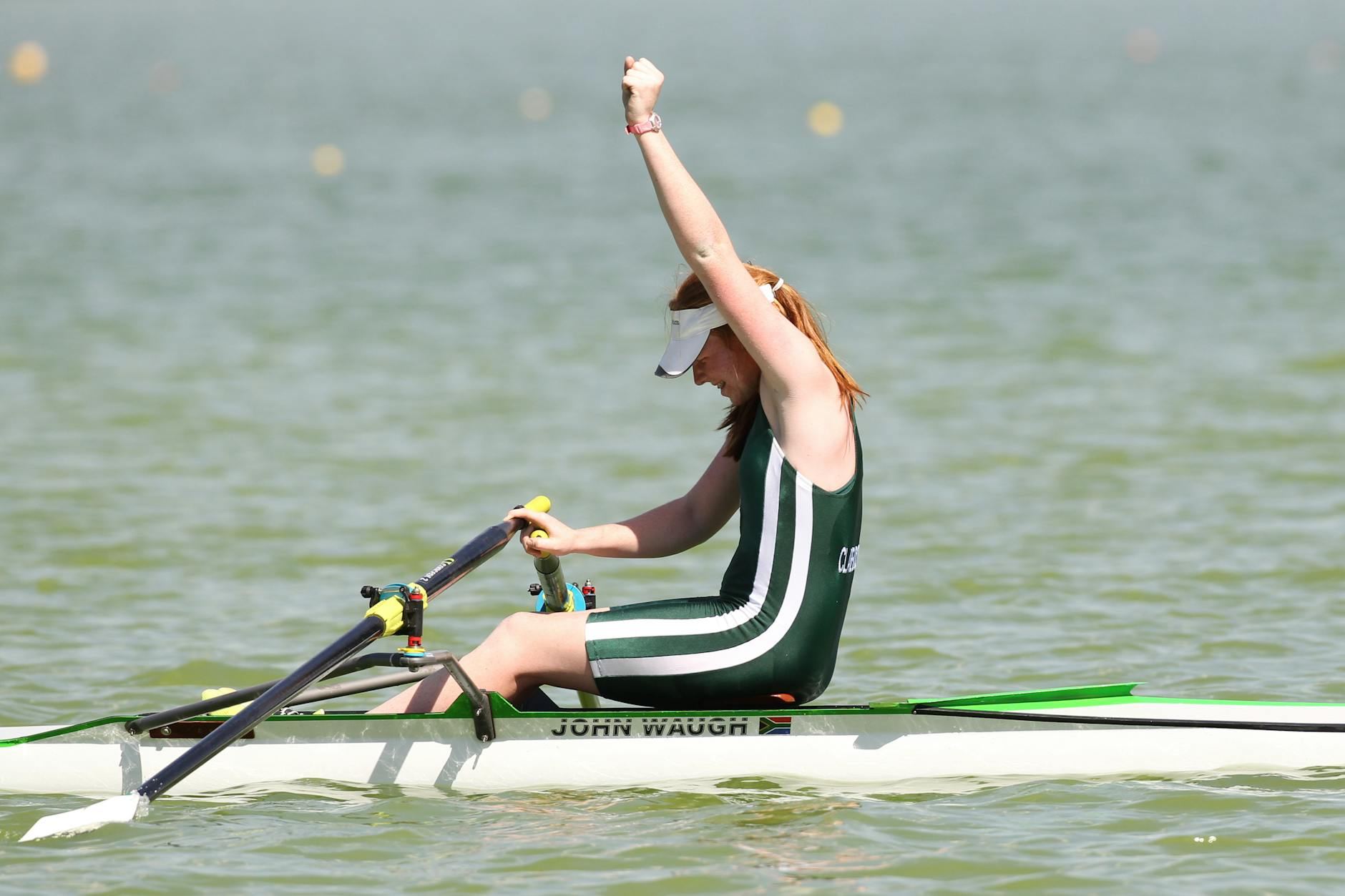
Rowing isn't just for elite athletes — it's an inclusive sport where technique matters more than muscle, and every newbie is welcomed into the community.
Getting started with rowing as a beginner offers a unique blend of physical challenge and teamwork that can be incredibly rewarding. Rowing combines strength and skill into a dynamic sport on the water.
It requires physical endurance and technical mastery, offering a full-body workout.
Whether rowing solo or with a team, this sport connects you with nature in a unique way.
In rowing, you propel a boat across water using oars in a synchronized stroke cycle, focusing on leg drive, body swing, and arm pull over sessions lasting 1-2 hours, whether alone or in a crew. You practice techniques such as the catch, drive, and recovery, maintaining a consistent pace with a rhythm that allows you to refine your skills and improve your boat's balance and speed through precise m…
Rowing induces a flow state by matching skill to the rhythmic timing of the stroke cycle, allowing for immersive focus that feels automatic as you progress. The immediate feedback from the boat's response during drills enhances your awareness of skill improvements, while social belonging through group practice fosters camaraderie, creating a rewarding sense of accomplishment as you advance over t…
You might think rowing demands you to be a top-level athlete.
Maybe you picture Olympians racing at blistering speeds, leaving no room for newcomers.
You're missing out on an inclusive sport where everyone can find their place.
Consider John, who joined a local club at 40 because he wanted a new challenge. He started with gentle sessions tailored for absolute beginners.Within months, he not only improved his fitness but found camaraderie on the water.
You don't need speed or prior experience. The clubs focus on building your skills and confidence at your pace.
Ready to experience this welcoming community first-hand?Let's explore what your first day on the water might look like.
Your first session on the water is quieter than you expect. The boat feels impossibly narrow beneath you, and every small shift in weight sends a ripple of instability through the hull. Your hands grip the oar handles too tight. **The hardest thing about early rowing isn't the fitness — it's learning to trust a boat that feels like it wants to tip you in. Most beginners spend the first hour just getting comfortable sitting still on moving water.
The stroke itself breaks down into three phases — catch, drive, recovery — and in theory that sounds manageable. In practice, your legs, back, and arms refuse to fire in the right order. You'll catch the blade too shallow, or rush the recovery and throw the boat's balance off completely. Almost every beginner is surprised by how mental this sport is from day one. Your body is working hard, but your brain is working harder, tracking timing and posture simultaneously.
Sessions in the first few weeks tend to run one to two hours, and fatigue hits in unexpected places. Your forearms ache before your legs do. Your lower back tightens up mid-session. Then around week three, something shifts — the stroke starts to feel rhythmic rather than mechanical, and the boat begins to respond more fluidly. That moment when the hull glides cleanly between strokes is the feedback loop that keeps rowers coming back. It doesn't happen often at first, but when it does, it's unmistakable.
The club environment softens a lot of this friction. More experienced rowers have been exactly where you are, and most clubs actively structure beginner sessions around confidence-building rather than performance. You won't be judged for slow progress — but you will be nudged to fix the same two or three technical habits on repeat, because those habits determine everything later. Knowing which early mistakes to avoid — and why they're so sticky — is worth understanding before you show up.
When to start: Early morning
Duration: 1.5 hours
Cost to try: $30
Success criteria: if you finished without capsizing, do session 2.
Every new rower wants to feel the boat moving. That urgency makes sense. But jumping into full strokes before you've broken down the catch, drive, and recovery separately means you're cementing bad habits from day one.
Spend your first sessions drilling each phase in isolation — legs only, then legs and body, then full slide. A slow, correct stroke builds speed far faster than a fast, sloppy one.
It feels natural to pull the oar with your arms — that's what rowing looks like from the outside. But your arms are the weakest link in the chain. The legs generate the real power.
Think of your arms as hooks, not engines. Push through your feet, swing the body, then draw your hands in last. Rowers who learn this sequence early move significantly more water with significantly less fatigue.
The rowing machine (erg) looks nothing like being on the water, so many beginners skip it or treat it as a last resort. That's a real mistake. The erg gives you instant, honest feedback on your split times, stroke rate, and power application — things the water hides.
Use the erg to build your base fitness and reinforce technique between sessions. Rowers who log regular erg time improve on the water noticeably faster than those who avoid it.
Group sessions are motivating, but they can push you into a pace your body and technique aren't ready for. When you're chasing someone else's rhythm, your form breaks down first and your confidence follows shortly after.
Row at a stroke rate that lets you feel each phase cleanly — typically 18 to 20 strokes per minute for most beginners. Consistency at a lower rate builds the coordination that makes higher rates possible later.
Rowing is a feedback sport. A coach watching from the bank or from a launch can spot in thirty seconds what you'll never see in a shaky phone recording of yourself. Video tutorials explain the theory well enough, but they can't tell you that your catch is rushed or your shoulders are collapsing.
Most clubs offer beginner learn-to-row courses that are low-cost and structured specifically for adults starting from scratch. One coached session is worth more than ten self-directed ones when you're building foundational movement patterns.
Start with USRowing.org's club finder — it's the fastest way to locate a sanctioned rowing club on your nearest river, lake, or reservoir. UK-based? British Rowing runs the same kind of directory at britishrowing.org.
Most clubs sit right on the water at a boathouse — look for them along riverbanks, at rowing parks, and at university sports facilities. Many offer Learn-to-Row weekends specifically for adults with zero experience.
Reddit's r/rowing has over 60,000 members discussing technique, gear, and training plans daily. The community is blunt and helpful in equal measure. For indoor training, the r/erg subreddit focuses specifically on Concept2 erg workouts and the annual Holiday Challenge.
The Concept2 online logbook also has a built-in community with ranked challenges — it connects you to rowers worldwide through shared workout data. Facebook Groups like "Masters Rowing" and "Recreational Rowing" are active spaces if you want a lower-stakes conversation outside of Reddit.
Head races — steady-state time trials held in autumn — are beginner-friendly and run at nearly every rowing club. They're a natural first goal after a few months of club training. The Head of the Charles Regatta in Boston and the Frostbite regattas held across the US every winter are well-known entry points for newer rowers looking to race without elite pressure.
Recreational rowing is the entry point for most people. You join a club, learn the stroke, and go out on the water in a supervised session. The pace is relaxed and the focus is technique over speed.
This is the best fit for anyone who wants a high-quality workout with a social layer built in. Most clubs welcome absolute beginners and have coached sessions specifically for them.
Competitive rowing takes everything from the recreational version and adds structure. You train toward regattas, time trials, and head races on the water. The stroke cycle you practise becomes a weapon you sharpen over months.
This suits people who are motivated by clear benchmarks and the pressure of a race day. You don't need to be fast to start — most clubs have competitive streams for all ability levels.
Sculling puts an oar in each hand and puts you in a single, double, or quad boat. It's technically demanding because every imbalance is immediately obvious. But it also gives you full control over your session.
Solo rowers who want ownership of their own performance tend to gravitate here. The feedback loop is tight — you feel every mistake and every improvement directly through the boat.
Sweep rowing means one oar per person, rowing in crews of two, four, or eight. Timing is everything. When eight people drive together in perfect sync, the boat accelerates in a way no single rower can produce.
This is ideal for people who find shared effort more motivating than individual performance. The camaraderie in an eight is unlike almost any other sport.
Indoor rowing on an ergometer — an erg — replicates the drive and recovery of the stroke on a machine. It's how most rowers train through winter and how many people first discover the sport. The numbers are honest and unforgiving.
The erg is the fastest way to build the fitness and technique foundations before stepping into a boat. Many people who start indoors find it addictive entirely on its own terms.
Roller Sports lives in the same world — different mechanics, similar appeal.
Some of the same instincts show up in Competitive Swimming — worth a look if this clicked.
The skill that separates improving rowers from those who stall is sequencing — executing the catch, drive, and recovery in the right order, every single stroke.
Most beginners treat the stroke as one blended motion. They pull arms and push legs at the same time, turning what should be a chain of forces into a muddled shove. The boat slows, wobbles, and the rower blames fitness. But fitness isn't the problem.
When you get the sequence right — legs first, then body swing, then arms — each part of your body amplifies the last, stacking power through the drive instead of canceling it out. The boat doesn't just move faster. It moves cleaner. That smoothness is what the rhythm feels like when sequencing clicks.
This is also why rowing produces that flow state so quickly once the fundamentals are solid. The stroke cycle gives you constant, immediate feedback — the boat's balance and run tell you exactly how well you sequenced. Once that feedback loop connects, sessions stop feeling like work. The next section covers what your first time on the water actually looks like and how to start building that feel from stroke one.
Give yourself four sessions over two weeks — ideally two on the water and two on an ergometer at a local club.
You finish a session and your legs are burning, your hands are raw, and you're already replaying the moment the boat finally ran clean. That obsession with the catch — the split second before the drive — is the signal. Start talking to your club coach about moving from beginner drills to structured outings. Look at a learn-to-row progression plan and get your own pair of rowing gloves.
You enjoyed the sessions well enough but felt no pull to come back between them. Before writing rowing off, try one full club outing on open water with a crew. The ergometer and the boat are genuinely different experiences. If rowing in sync with five other people on a river at dawn still leaves you cold, the sport isn't for you — and that's a clean answer.
Every session felt like a chore. The repetitive stroke cycle frustrated you instead of settling you into a rhythm. That's a strong signal your brain wants variety, not the meditative loop rowing demands. A sport like mountain biking or climbing — where the terrain keeps changing and each session looks completely different — is likely a much better fit for how you're wired.
If you check the wind and tide forecast the night before a session — without anyone telling you to — rowing already has you. That involuntary habit of caring about the conditions means the water is already part of how you think.
Looking for something different? The hobbies list is the easiest way to scan what else is on the table.
If rowing feels like too much to commit to right now, browse what to do when you're bored for lower-stakes ideas.
Rowing club memberships typically range from $500–$2,000 annually, depending on location and facility amenities. Initial equipment costs vary, but many clubs provide boats and oars for members, so you can start without major upfront equipment purchases. Personal gear like shoes and clothing is minimal.
No prior experience is necessary—rowing clubs offer beginner classes that teach proper technique and safety from the ground up. Most people pick up the basics within a few sessions, and coaches progress you through skill levels as you improve.
You'll notice improved endurance and muscle tone within 4–6 weeks of consistent training, typically 3–4 sessions per week. Rowing builds strength in your legs, core, and upper body while delivering cardiovascular benefits comparable to high-intensity interval training.
Rowing works both ways—you can compete in singles (one person) or team boats ranging from pairs to eights. Most clubs support both solo training and social team rowing, so you can choose based on your preference and goals.
People of any age can start rowing, from teenagers to seniors, as it's low-impact and adaptable to fitness levels. Many clubs offer youth programs, adult recreational classes, and masters categories for older athletes.
A typical rowing session lasts 90 minutes to 2 hours, including warm-up, on-water practice, and cool-down. Beginners often start with shorter sessions and build up as their technique and fitness improve.