BoredomBusted — Find Your Next Favorite Thing To Do
Discover hobbies, activities, places, and ideas that spark joy. Whether you're looking for something creative, active, social, or relaxing, BoredomBusted helps you find your next favorite thing to do.
Browse our hobby guides, things-to-do collections, and place ideas to never be bored again.
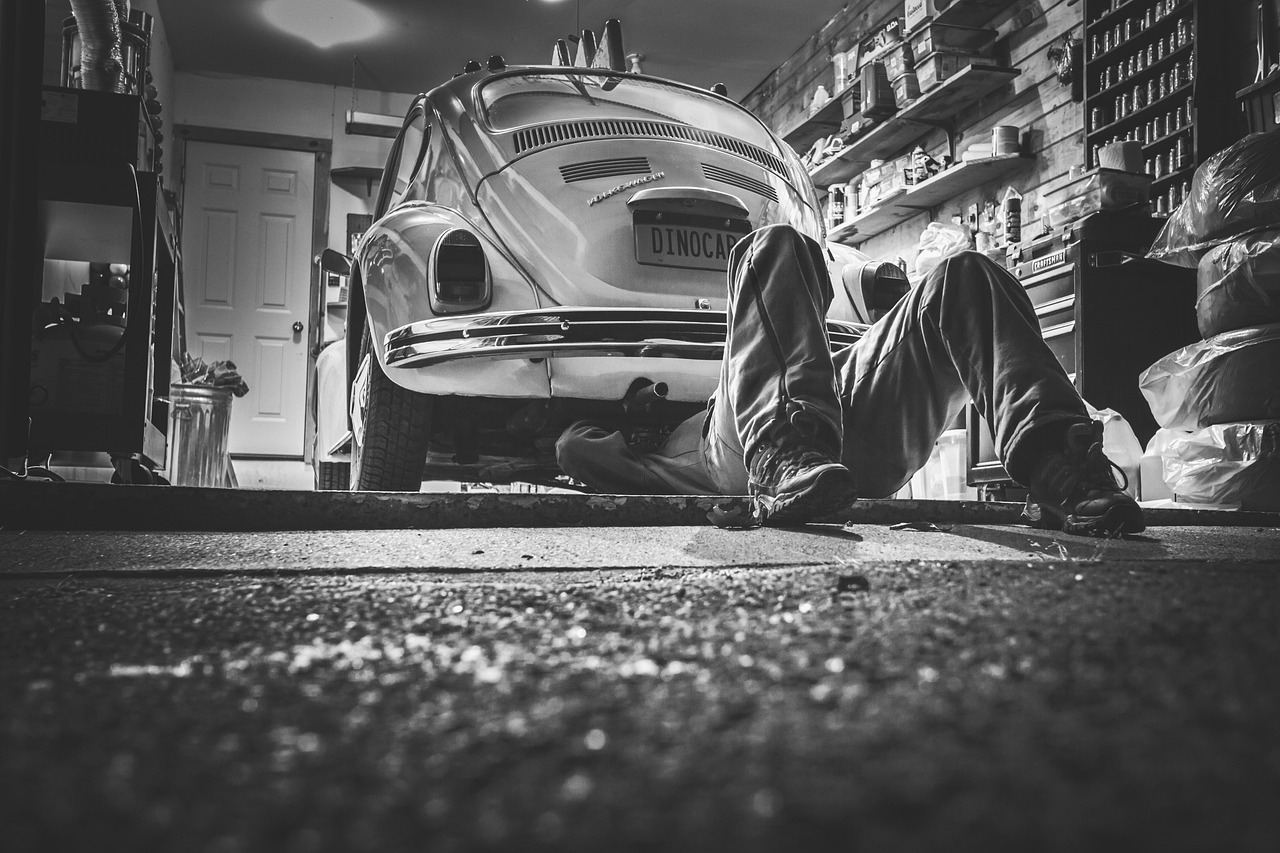
Car restoration isn't just about fixing cars — it's a deep dive into research and history that often means sourcing obscure parts more than using tools.
Getting started with car restoration as a beginner involves transforming neglected vehicles into stunning masterpieces through careful repair and refinishing. You repair mechanical parts, fix the body, and refinish surfaces to achieve this.
You source a car and rebuild it piece by piece. It's all about diagnosing what's broken and fixing each system.
This isn't just about making it run. It's about achieving authenticity, sticking to original specs or creating a unique vision.
Car restoration involves hands-on, detailed work on vintage vehicles, including disassembling parts, cleaning and stripping metal, repairing rust, conducting mechanical rebuilds, and meticulously reassembling the car, often in a personal garage over extended periods.
This hobby induces a flow state through deep immersion in mechanical tasks while providing immediate skill feedback via tangible progress, fostering a sense of accomplishment as hobbyists transform dilapidated cars into functional classics, and encouraging social belonging through community interactions.
You think this hobby is about fixing cars. Buy a project, wrench on weekends, drive something cool. That's the assumption – and it's missing about 80% of what actually happens.
This is really a research and decision-making hobby with the occasional use of tools. Hours go into finding the correct bracket, not just installing it.
Chasing a car's history is half the fun. You'll find yourself deep in forums, salvage yards, and long talks with strangers about a model they've owned since 1987.
The skills you gain stack quickly. You might start with welding and move onto factory-specific methods, engrossed in a 1968 assembly manual by midnight. And it doesn't even feel like work.
A guy rebuilding a '72 Chevelle once confessed his project wasn't what he expected. For four months, his focus was verifying each body bolt was the original hex head. It wasn't about impressing others; it was about getting it right for himself.
Now, are you set up to start your project, or about to hit a hurdle before you even turn a bolt?
The smell of rust and oil becomes familiar quickly as your romantic project car turns into an endless list of seized bolts and unlabeled wires. Restoration videos make it look like these cars are begging to be saved, but it's more like they're challenging you at every turn.
Real life is a lot less glamorous. That 'quick' brake job? It's week three already, and it smells like regret.
The first week feels deceptively productive. You drain fluids and scribble a parts list while optimistic, but reality hits when you find the rusty floor pan.
By week two, you're binging disassembly tutorials, yet very little actually comes apart. That single stuck caliper bolt? A three-day ordeal with snapped extractors.
Have a heat gun or MAP gas torch from day one. You'll need it long before you plan.
Amidst all this, something finally works in week four. You feel a genuine thrill of accomplishment and understand why people fall in love with this mess. There's more to learn, often from mistakes that keep others frustrated or selling their dream project instead of pressing on.
When to start: Early morning
Duration: 2 hours
Cost to try: $0
Success criteria: if you finished without restoring any car parts yet, do session 2.
Classic cars look stunning in photographs. But some rare models have very few reproduction parts available.Check forums for your car's year and model before buying. Confirm that body panels, seals, and mechanical parts are in production or frequently found on eBay.
Many think rust is just on the surface if the exterior looks solid. It's usually not.Drill an inspection hole or use a paint thickness gauge. This helps locate hidden filler before you're overwhelmed with a vehicle that's more Bondo than metal.
Sanding and painting make you feel productive. Replacing brake lines doesn't.Complete the chassis, suspension, and drivetrain first. A car that looks good but can't stop is just expensive art.
Using rattle cans seems like a cheap way to test colors. It's not foolproof.Spray a test panel on scrap steel and view it in natural light. Rattle can paint often doesn't bond well with automotive primers.
People avoid looking up torque specs, just tightening until it feels right.Get a factory service manual PDF and use a torque wrench. It's crucial for all structural work, not just the big fasteners.
Most restoration work happens in your own garage. But what if you lack space or tools? Monthly memberships at community workshops and makerspaces offer lifts, welding rigs, and floor space.
Facebook Groups like "*[city]* restoration garage" or "*[state]* barn find community" offer less formal, but often more active, weekly meetups.
Show up to any club night and say: "I'm mid-project on a *[car]*, and I'm stuck on *[specific problem]*."
Skip the vague intro. A specific issue gets you a mentor, a parts hookup, and someone who's solved your problem twice.
Full Concours Restoration brings every part back to its original factory specification. Judges notice every detail, down to incorrect hose clamps.
Best for people who want a trophy, not a driver. High costs can easily exceed the car's value, so budget with care.
Driver-Quality Resto focuses on functional repairs and aesthetic refreshes, keeping the car road-ready.
Best for first-timers looking for a usable car. It's a great entry point with manageable costs and immediate rewards.
Restomod maintains the classic exterior while upgrading internal components like suspension and fuel injection.
Best for those who love vintage looks but want modern drivability. Mixing eras means higher parts costs.
Barn Find or Survivor Resto tackles incomplete cars untouched for decades. It demands forensic skills to track and source missing parts.
Best for patient researchers who enjoy the hunt.
One-Make Specialization targets a single marque, like early Mustangs or air-cooled Porsches. Expertise grows quickly, and sourcing parts becomes more efficient within that community.
Best for those deeply connected to a specific car culture.
Readers who enjoy this often gravitate toward Pysanky next.
Quilting lives in the same world — different mechanics, similar appeal.
3D Printing lives in the same world — different mechanics, similar appeal.
Everything changes once you grasp diagnostic sequencing. Most people focus on visible issues.
They see a rough panel and fix it. Without asking why the panel's rough.
The real skill is tracing that roughness back through time. You notice it's not just the panel.
It's a rotten rocker caused by a long-gone door seal. A chain reaction started 15 years ago.
With diagnostic sequencing, repairs last. It cuts down on unnecessary spend.
Without it, you're flying blind, forced to rely on guesswork. You end up wasting time and money on the same problems, repeatedly.
Commit to 6 sessions over 30 days. Roughly one and a half per week. Enough time to see how real restoration feels beyond the awkward first teardown.
You're hooked if you find yourself thinking about that car between sessions. That's not just enthusiasm; it's the hobby taking root in your mind. Go further by starting a log of your progress and consider seeking out a community for shared insights.
If you feel indifferent after six sessions, it might mean the allure lies more in the idea than the act. Take a pause instead of pushing through. Try related hobbies like mechanical watches or vintage electronics if crafting intrigues you.
Did the sessions feel like an obligation? That's a signal, not a flaw. Reconsider the commitment — not all slow, hands-on hobbies will suit everyone. Stepping away now could save future frustration.
Slowing down near junkyards or scanning parked cars for trim badges is a sign. If you're browsing auction listings without plans to bid, you're already in.
For ideas that take five minutes instead of five weeks, see things to do when you're bored.
Costs vary dramatically based on the car's condition and your restoration goals, ranging from $10,000–$50,000+ for a basic restoration to $100,000+ for a full frame-off rebuild. Budget for unexpected mechanical issues that surface during the process, as they often add 20–30% to your initial estimate. Starting with a realistic assessment of the vehicle's damage and your desired finish quality helps you plan accordingly.
While professional-level mechanical knowledge is helpful, beginners can start with simpler tasks like disassembly, cleaning, and cosmetic restoration before tackling engine or transmission work. Many restorers learn as they go, consulting shop manuals, online forums, and experienced mentors for guidance. Consider taking automotive courses or partnering with experienced restorers to accelerate your learning.
A complete restoration typically takes 1–3 years for a single person working part-time, or 6–12 months for a well-equipped shop with a dedicated team. The timeline depends on the car's condition, parts availability, and how much work you outsource to specialists. Breaking the project into phases—mechanical, bodywork, interior, then finishing—helps maintain momentum and visibility of progress.
A frame-off restoration disassembles the entire vehicle down to the chassis for thorough inspection and restoration, yielding showroom quality but requiring 2–3+ years and significant investment. A frame-on restoration keeps the chassis intact and focuses on mechanical and cosmetic repairs, completing faster and costing less while still delivering a solid, drivable result. Choose frame-on for budget-conscious hobbyists or frame-off if authenticity and pristine condition are your priorities.
At minimum, you'll need a well-lit garage or workshop space, basic hand tools (wrenches, screwdrivers, jack), and a parts manual specific to your vehicle. As your project progresses, you may invest in specialized equipment like a lift, diagnostic scanner, or welding equipment, or outsource these tasks to professionals. Many beginners start with borrowed or rented tools and upgrade as needed based on their restoration path.
Selling a restored classic car can be profitable if you're strategic about which models appreciate and realistic about labor costs—premium restorations often sell for 2–4x the total investment. However, most hobbyists restore cars for passion, and profits are unpredictable due to market demand and unforeseen expenses. Treat it as a labor of love first; any financial return is a bonus, not the primary goal.