BoredomBusted — Find Your Next Favorite Thing To Do
Discover hobbies, activities, places, and ideas that spark joy. Whether you're looking for something creative, active, social, or relaxing, BoredomBusted helps you find your next favorite thing to do.
Browse our hobby guides, things-to-do collections, and place ideas to never be bored again.
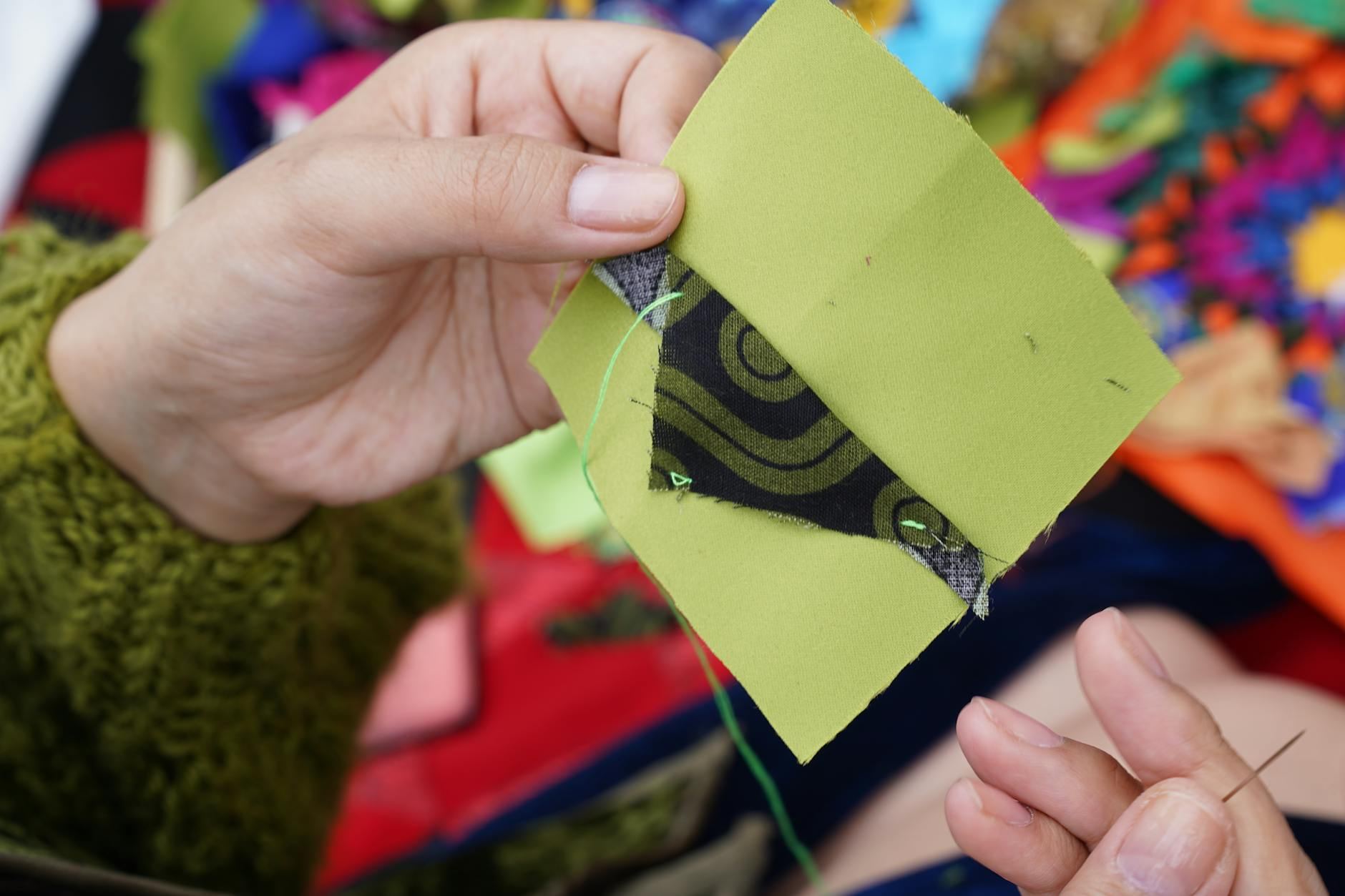
Quilting isn't just a nostalgic pastime—it's a complex geometry puzzle and design challenge that results in a tangible, shareable creation.
Learning quilting as a beginner is a rewarding process that involves sewing together layers of fabric—typically a decorative top, batting, and a backing—using stitched patterns that hold everything in place.
Unlike sewing or embroidery, the structure itself is the design: every seam, block, and stitch is both functional and visual at once.
In quilting, you select and cut fabric pieces with tools like rotary cutters and rulers, arrange them into patchwork blocks, and sew them together using precise quarter-inch seams, finally layering and quilting them into a finished piece while organizing your materials and workspace.
Quilting induces a flow state by requiring focused concentration on detailed tasks, provides rapid skill feedback through visible progress in piecing blocks together, and fosters social belonging in quilting communities, all of which engage the mind and combat boredom.
You think quilting is something your grandmother did while watching afternoon TV. Fabric scraps, a rocking chair, something slow and soft and not for you.
That assumption is costing you one of the most technically satisfying hobbies available right now.
Quilting is a geometry problem you solve with your hands. Every block requires precise cuts, and a quarter-inch error compounds across 80 pieces into a top that won't lie flat.
The design layer isn't just fluffy art—it involves actual pattern thinking. Color placement, value contrast, and visual weight work the same way they do in graphic design, just with cotton instead of pixels.
It's also a physical object you finish—not a skill you practice in the abstract, but something you fold up and hand to someone. That tangible element hits differently than most creative hobbies.
A quilter making a traditional log cabin pattern isn't yielding to nostalgia. She's doing strip math. Managing seam allowances. Making 400 small decisions about what goes next to what and why.
Next, we tackle the tools and startup cost. Most people get this part wrong, too.
Quilting videos show a serene process. Fabric folds neatly, cuts are precise, and squares align perfectly.Your first session won't resemble this.
Excitement quickly turns to surprise. Seam allowances seem tricky, varying each time. You're ironing constantly. Re-cutting the same strip is common in the beginning.
In session one, fixing seams takes longer than sewing them. That's just part of learning.
By the third attempt, some blocks lie flat. It's not perfect, but you start to see improvement.
Then cutting accuracy improves, eliminating half the issues you faced earlier.
It's satisfying to complete something small. Flaws might remain, but pride in your work is what matters most.
If you quit, it's more about patience than skill. Many don't realize improvement comes after early struggles.
Fabric bias catches newcomers off guard. Cut with the grain line parallel to avoid stretching issues. Pressing won't fix a bias-cut mistake.
When to start: Morning
Duration: 1 hour
Cost to try: $15
Success criteria: If you cut, pin, and sew one 8-inch square block with straight seams that lie flat, do session 2.
Wrinkled fabric shifts under the ruler, and your "straight" cuts end up slightly off – those tiny errors compound across 80 blocks.
Press every piece flat before it touches your rotary cutter.
Polyester thread is stronger than quilting cotton, which means over time it slowly cuts through your fabric along the seam lines.
Match your thread to your fabric – 100% cotton thread for cotton quilts, full stop.
A quilting foot that measures exactly ¼ inch exists for this reason – eyeballing it means your blocks won't match up at the corners, and no amount of pressing fixes that.
Get a dedicated ¼-inch presser foot before you cut a single piece.
The backing fabric bunches and puckers because nothing was holding it taut when the needle came through.
Use curved safety pins every 4–5 inches across the whole quilt sandwich, working from the center outward.
Beginners pick bold prints because they look exciting on the bolt – then can't see their seams, can't spot mistakes, and can't tell if the pattern is working.
Start with a solid or low-volume print so the geometry of the quilt actually shows.
Quilting may be a home-based hobby, but it's not a solo journey. Fabric and craft stores, quilt shops, and community centers regularly host workshops and open sew nights.
Introduce yourself to these groups as a beginner. You'll get guidance, find a mentor, and avoid biting off more than you can chew.
Patchwork quilting is the familiar image – small fabric pieces joined to form a pattern, then layered and quilted. Ideal for those seeking clear patterns and a sense of accomplishment.
Whole cloth quilting skips piecing in favor of quilting stitches creating the entire design. Perfect for those confident in their stitching who want to refine it further.
Appliqué quilting is about adding fabric shapes to a background. Great for those drawn to illustrative design over strict geometry.
Foundation Paper Piecing involves sewing fabric onto paper templates that you remove later. A go-to for detail-oriented beginners seeking high precision, despite a learning curve.
Art quilting breaks traditional rules, focusing on wall art with mixed media and raw edges. Ideal for those who find standard patterns limiting and want to explore quilting as visual art.
Another variant that pulls from the same roots is Car Restoration.
Readers who enjoy this often gravitate toward Pysanky next.
Precise seam allowances are the key to successful quilting. The quilt that falls apart wasn't doomed in piecing or fabric choice. It was doomed at the cutting table.
Mastering your ¼-inch seam allowance is crucial. No eyeballing. No 'close enough.' You need the same exact distance on every single seam. That ensures your pieces actually match when you go to join them.
A scant ¼ inch deviation might seem trivial. But spread it across 80 blocks, and your quilt is doomed. It won't lie flat, it buckles, and no amount of pressing will fix it.
With consistent ¼-inch seams, points meet cleanly, and blocks square up without a struggle. You stop re-cutting and re-sewing the same pieces twice. Without this precision, you're stuck troubleshooting the same problem on every quilt project forever.
Dedicate six sessions over 30 days to quilting. This allows you to complete a practice block and grasp the process without just enduring it.
Quilting isn't just about the finished product. The first few sessions focus on learning the craft, while the remainder help you decide if the process itself is enjoyable.
If you find yourself eager for the next quilting session, you're hooked. This hobby suits those who relish quiet, focused problem-solving.
Feeling indifferent after a session? You might need a different format. Try hand quilting if machine quilting didn't engage you.
Actively dreading the work signals it's not a fit. Quilting involves repetitive tasks like measuring and pressing seams. It should feel more like meditation than a chore.
The undeniable sign is noticing quilts everywhere. If you're drawn to observing patterns and structure, you're ready to dive deeper.
Sometimes you just need something for the next ten minutes — that's what things to do when bored is for.
A basic quilting starter kit with fabric, a rotary cutter, self-healing mat, and ruler typically costs $50–$150. You can begin with just these essentials and add specialized tools like a quilting frame or walking foot later as your skills develop and budget allows.
A small quilt or wall hanging can take 10–20 hours, while a full-size quilt usually requires 40–100+ hours depending on complexity and your experience level. Most beginners spend anywhere from a few weeks to several months on their first project working at a casual pace.
Quilting has a gentle learning curve—basic techniques like cutting straight lines and sewing accurate seams are straightforward to master. Most beginners can complete a simple quilt within their first few attempts, though precision and consistency improve with practice.
You need fabric, a rotary cutter, self-healing mat, quilting ruler, scissors, thread, a sewing machine, and an iron. Many quilters start with pre-cut fabric bundles designed for beginners, which eliminate some of the cutting and planning work.
Yes, hand quilting is a traditional method that requires only a needle, thread, thimble, and quilting frame or hoop. However, sewing machines significantly speed up the process—most modern quilters use machines for piecing and either machines or hand methods for the final quilting step.
Quilting involves layering three fabric pieces (top, batting, backing) and stitching them together in decorative patterns, while sewing typically focuses on joining fabrics to create garments or items. Quilting emphasizes precision piecing, geometric design, and texture through the quilting stitches themselves.