BoredomBusted — Find Your Next Favorite Thing To Do
Discover hobbies, activities, places, and ideas that spark joy. Whether you're looking for something creative, active, social, or relaxing, BoredomBusted helps you find your next favorite thing to do.
Browse our hobby guides, things-to-do collections, and place ideas to never be bored again.
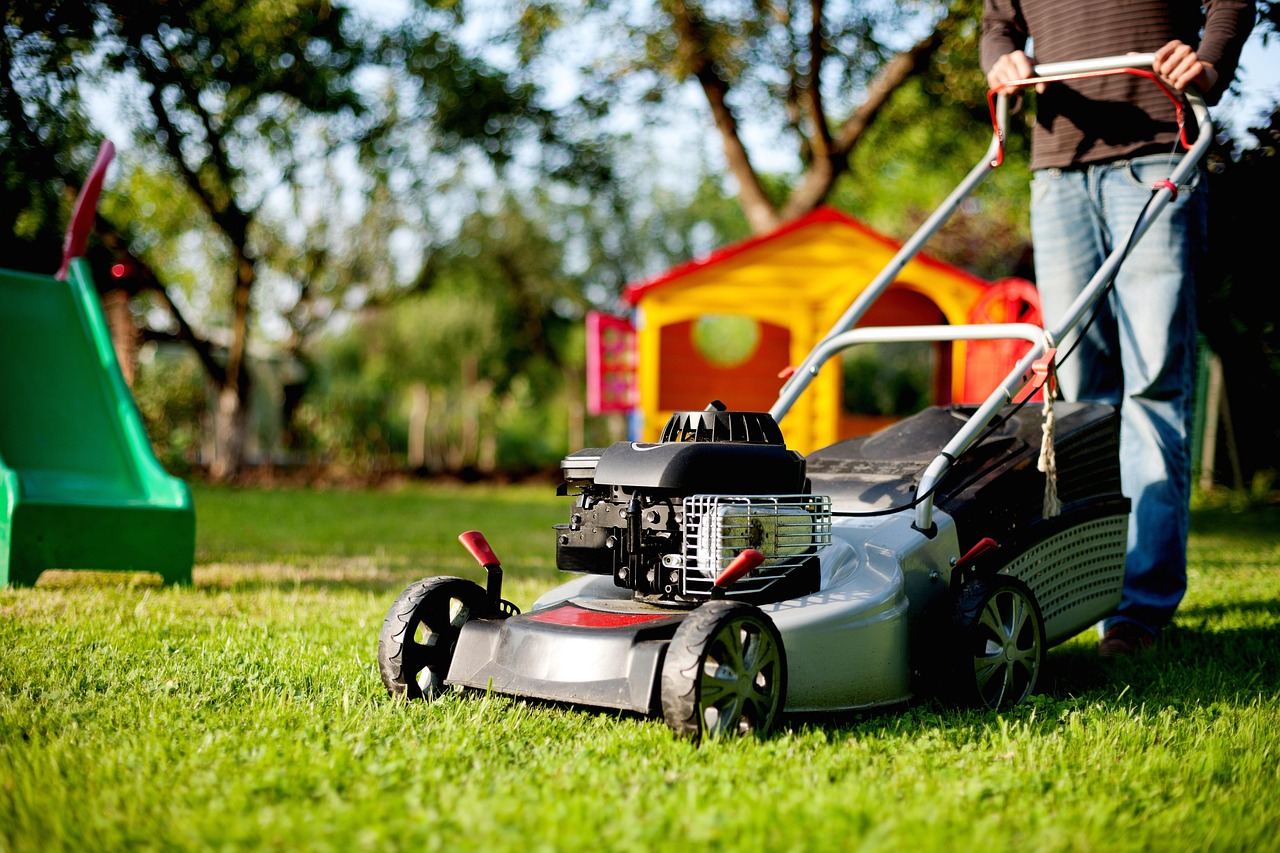
Lawn care isn’t just mowing — it’s a battle beneath the surface, where soil health often determines your grass's fate more than your watering routine.
Getting started with lawn care as a beginner requires a commitment to regular maintenance and understanding the needs of your grass. It involves mowing, feeding, aerating, and keeping up with seasonal maintenance.
Unlike gardening, lawn care focuses on mastering the nuances of turf. It's about learning how to read and respond to your lawn's needs.
Lawn care involves hands-on, repetitive tasks such as mowing grass, edging perimeters, pulling weeds, watering plants, and blowing debris, conducted weekly or seasonally to maintain the health and appearance of your yard.
This hobby creates a skill feedback loop and sense of accomplishment through immediate visual progress, such as achieving crisp edges or uniform grass height, fostering engagement and motivation while providing opportunities for creative expression and community interaction.
You think lawn care is mowing and maybe watering. Cut grass, done. That's the assumption holding your lawn back.
Grass is a crop, and it requires attention. Soil pH, compaction, and nutrient cycles all affect its health. Ignore these, and you're just trimming something losing a slow battle.
Timing matters more than effort. Fertilizing at the wrong time doesn't just waste money; it stresses the grass and invites weeds.
Most lawn problems begin underground. Compacted soil blocks oxygen and water from roots. Brown patches blamed on heat often start with soil issues from seasons ago.
A neighbor spent three summers reseeding the same shady corner every fall, getting nowhere. After testing the soil, he discovered it was too acidic. Adding some lime corrected it, and the grass finally thrived.
He didn't need more effort. He needed information he didn't know to ask for.
Once you see the lawn as a system and not a chore, the next question is obvious: where do you actually start?
Walking behind a mower on a Saturday morning sounds simple. But stepping into lawn care means dealing with years of past neglect. You don't just mow; you inherit a history.
Before you really dive in, grass seems like just grass. Mow when it's long, and you're done. Then things change, and you understand that mow height and edges can transform your yard. Suddenly, every lawn you see becomes a lesson in possibilities.
Your first attempt will end with a lawn that looks scalped. This happens because most beginners cut too short, not knowing better. Next, it's about fixing those edges because they matter more than you'd think. When a patch turns yellow, you realize this isn't just mowing but problem-solving. Maybe it's pests, maybe it's drought. Something will inevitably go wrong, and that section you finally get right will drive your motivation next weekend.
It's not a matter of lawn care getting simpler. You stop battling the lawn and start understanding its needs. That's the difference. Scalping the lawn, or cutting more than one-third of the blade height, only stresses it out and opens a door for weeds. Play it safe: keep your deck higher than you think it should be at first. Lowering can always happen later.
When to start: Morning
Duration: 1 hour
Cost to try: $0
Success criteria: If you mow one small patch evenly, rake it clean, and soak the soil 6 inches deep, do session 2.
Daily light watering trains roots to stay shallow. Shallow roots can't reach moisture reserves, so the first hot week wrecks your lawn.
Switch to 2–3 deep waterings per week, 30–45 minutes per zone, pushing moisture 6 inches into the soil. That forces roots downward — exactly where they need to be.
Scalping looks tidy for about a day. Then the lawn stress-browns, thins out, and hands weeds a free opening.
The fix is simple: never cut more than one-third of the blade height in a single mow. Raise your deck and mow more often if you have to. The lawn will show the difference within two weeks.
Bags say "feed every 6 weeks" because manufacturers aren't looking at your grass. They're selling fertilizer.
Get a $15 soil test from your local cooperative extension office first. It tells you exactly what's deficient — so you're not throwing nitrogen at a potassium problem.
Spring feels like the right moment to start fresh. The problem: warm-season weeds germinate at the same time and outcompete new grass before it can establish.
For cool-season grasses, late summer to early fall is the only window that actually works — soil is still warm but weed pressure has dropped. Miss that window and wait for next year.
A thin layer of thatch is normal and harmless. Once it exceeds half an inch, water, air, and fertilizer stop penetrating to the roots — and your lawn slowly suffocates no matter what you put on top.
Once a year, drag a thatch rake across a test patch. If you pull up a dense mat, rent a power dethatcher before your next fertilizer application.
No yard yet? Try community gardens or allotment sites. They let you practice on actual plots before committing to your own.
Neglected rental yards become fantastic training grounds. Landlords often allow tenants to manage them in exchange for reduced upkeep costs.
Say you're new and eager to learn. It often leads to free advice and even tools like soil pH meters from seasoned lawn enthusiasts.
Swaps synthetic fertilizers and pesticides for compost and natural controls. It's slower, but you're building soil health long-term. Great for those wary of chemicals.
You replace traditional turf with ground covers. Clover or fescue mixes reduce mowing needs. Perfect if you want a decent yard without weekly upkeep.
Instead of maintaining, you're rebuilding. Overseeding, aerating, or a total restart. Ideal for neglected yards in need of a reset.
This is standard lawn care turned competitive. Tight mowing patterns and soil testing. For detail-oriented folks who enjoy precision.
Replaces grass with drought-tolerant plants, gravel, and mulch. It's less lawn care, more landscape design. Perfect for low-water, low-maintenance plans.
For something adjacent, see Bonsai.
For something adjacent, see Animal Tracking.
Most beginners focus too much on products – the perfect fertilizer, seed, or weed killer. But the real issue isn't products. Reading your lawn is the actual skill you need.
The critical skill is understanding what your grass and soil are telling you before you take any action. Those brown patches? They change meaning based on factors like shape, edges, season, and whether the soil is compacted or just dry. Treating the wrong issue ends up wasting time and money – and worsening the problem.
Getting good at lawn reading prevents you from making reactive mistakes.No more overseeding where germination is impossible, or watering by routine when grass signals it's stressed. Learning this skill builds the foundation for every other lawn care practice.
Four sessions over 30 days. One per week, spaced to align with the natural cycle of lawn maintenance.
If you're eager to return, that's more than just passing interest. Spotting changes after rain, considering grass health between sessions, this is your hobby now. Upgrade your equipment, track weather patterns, and start a maintenance log.
Indifference suggests this is a task, not a passion. Content but uninspired means it's just maintenance. Before writing it off, try again in peak season. The dynamic shifts when growth accelerates.
Dreading each session is your cue to bow out. Constant aversion indicates this isn't for you. Embrace that insight—indoor hobbies might be your true calling.
If you're noticing other people's lawns without intending to, that's the subconscious at work. Involuntarily spotting lawn details is your signal.
If lawn care feels like too much to commit to right now, browse what to do when you're bored for lower-stakes ideas.
Most lawns thrive when mowed weekly during the growing season, typically spring through fall. The general rule is to cut no more than one-third of the grass blade length at a time to keep your lawn healthy and reduce stress on the turf.
Early morning watering (between 4–9 AM) is ideal because it allows grass to absorb moisture before heat and evaporation set in. Most lawns need 1–1.5 inches of water per week, whether from rain or irrigation, delivered in deeper, less frequent sessions rather than daily light sprinkles.
Basic startup costs range from $200–$500 for a quality mower, fertilizer spreader, and initial treatments. Most existing homeowners already have basic tools, but investing in a decent mower and seasonal fertilizers will yield better long-term results than cutting corners.
You'll notice visual improvements like greener grass and thicker turf within 2–4 weeks of consistent care, though significant transformation typically takes 1–2 growing seasons. Soil health and weed suppression improve gradually over time as you establish proper maintenance routines.
Lawn care is straightforward once you learn the basics—mowing, watering, and seasonal feeding are manageable tasks that don't require special skills. The main challenge is consistency and learning what your specific lawn needs, but mistakes are forgiving and quickly corrected.
Chemical treatments work faster and are more potent for quick results, while organic options like compost and natural fertilizers build soil health sustainably over time. Organic methods are gentler on the environment and pets but may require more frequent applications to achieve the same effect.