BoredomBusted — Find Your Next Favorite Thing To Do
Discover hobbies, activities, places, and ideas that spark joy. Whether you're looking for something creative, active, social, or relaxing, BoredomBusted helps you find your next favorite thing to do.
Browse our hobby guides, things-to-do collections, and place ideas to never be bored again.
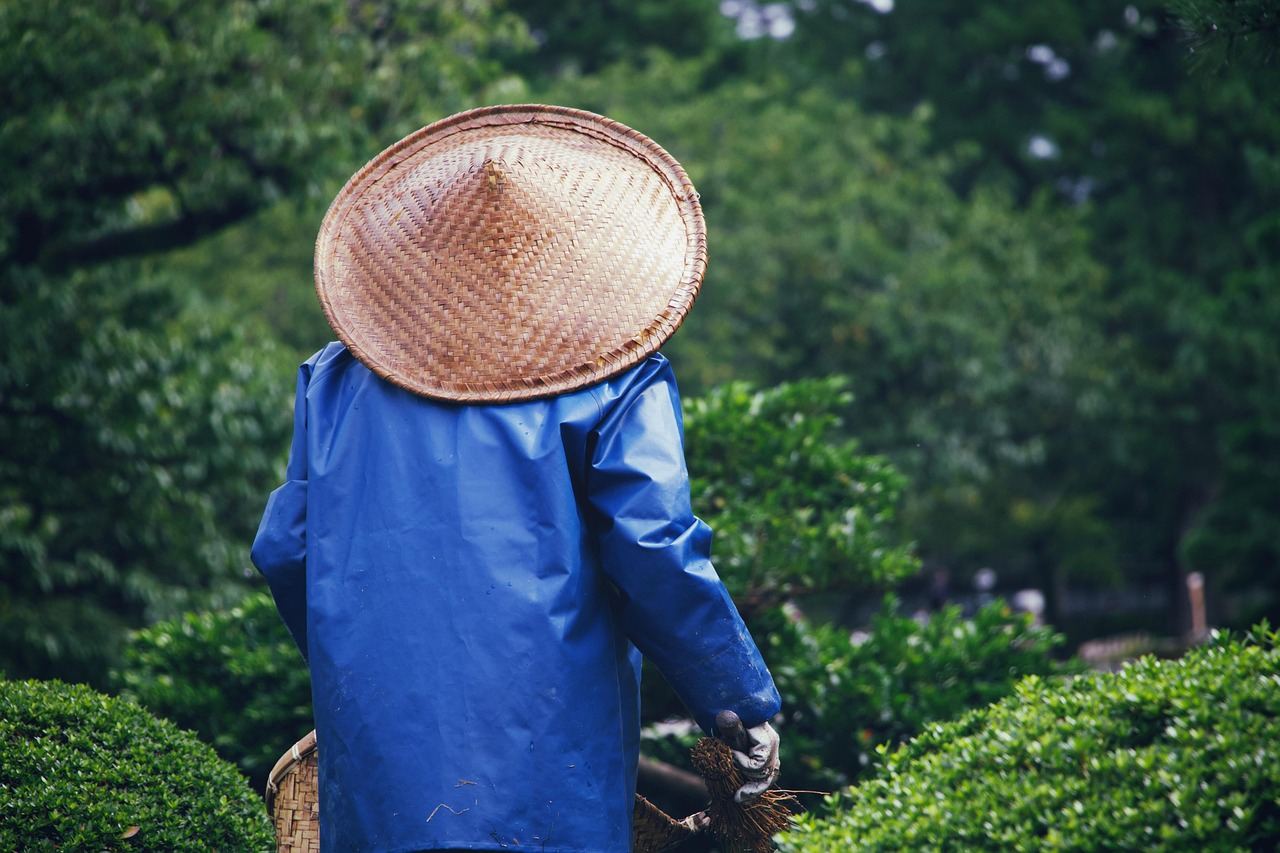
Starting a garden doesn’t require a big budget; you can use kitchen scraps and second-hand tools to grow with confidence, even if you lack a 'green thumb'.
Getting started with gardening as a beginner can be an enjoyable journey that transforms your space into a vibrant green oasis.
It involves growing flowers, vegetables, and herbs for personal enjoyment and consumption.
Whether you're tending to a few pots on your balcony or managing a large backyard plot, gardening offers a peaceful escape and a rewarding way to engage with nature.
Gardening involves hands-on tasks such as digging soil, planting seeds, watering plants, weeding, pruning, and harvesting. It includes organizing seed collections, cleaning tools, propagating plants indoors, and crafting with gathered materials like making wreaths or arranging fresh flowers.
Gardening induces a flow state through focused, repetitive tasks, providing immediate visual progress and skill feedback as seedlings sprout. It offers a sense of accomplishment from harvesting produce, while novelty in seasonal experiments keeps engagement high and fosters creative expression.
Gardening often seems like a hobby for the wealthy, requiring costly supplies and fancy tools.
Breaking this myth is crucial to opening the door to gardening. A small packet of seeds and some borrowed tools can get you started.
These simple, cost-effective steps can make your garden a reality.
Believing you're not naturally good at gardening stops many before they start.
Gardening isn't about natural talent. It's a skill that you build over time.
Plant by plant, season by season, you'll watch not just your garden but also your confidence grow.
Soon, we'll explore plants perfect for first-time gardeners.
Your hands will be dirty within five minutes. That's not a metaphor — there's actual soil under your fingernails, your knees are damp from kneeling, and you're squinting at a seed packet trying to figure out what "thin to 6 inches" means in practice. The first session feels more like problem-solving than relaxing, and that surprises most people who expected something meditative from the start.
The part nobody warns you about is the waiting. You plant, you water, and then nothing happens for days. You'll second-guess everything — too much water, not enough sun, wrong depth. That silent gap between planting and sprouting is where most beginners convince themselves they've failed — usually right before the seedling breaks through. The garden is working; you just can't see it yet.
Once something does sprout, the feedback loop shifts completely. A tiny green stem is genuinely exciting in a way that's hard to explain until you've seen one appear. Tasks like weeding and watering stop feeling like chores and start feeling purposeful. Repetitive physical tasks — pulling weeds, turning soil — are where the flow state actually lives, not in some idealized vision of the finished garden.
Early on, you will also kill something. A seedling dries out, a pot drains badly, something gets leggy from too little light. Every dead plant is just data — it tells you something specific about your space that no guide could have told you in advance. Knowing what to avoid next time is exactly what keeps new gardeners from repeating the mistakes that end the hobby early.
When to start: Early morning
Duration: 1 hour
Cost to try: $10
Success criteria: if you finished without over-planting or over-watering, do session 2.
Overwatering kills more beginner plants than neglect ever does. It feels wrong to walk past a plant without giving it something, so new gardeners water on a schedule instead of checking what the plant actually needs.
Push your finger an inch into the soil before you water. If it's damp, leave it alone. Most beginner-friendly plants want to dry out a little between waterings, not sit in constant moisture.
A shady balcony and a packet of tomato seeds is a recipe for frustration. Tomatoes need full sun, and no amount of enthusiasm makes up for the wrong conditions. Beginners often choose plants based on what they want to grow rather than what the space can actually support.
Before you buy anything, spend a day noting how many hours of direct sun your space gets. Then match your plant choice to that number. Herbs like mint and chives tolerate shade. Lettuce and spinach do too. Save the sun-hungry crops for when you have the right spot.
Spring enthusiasm is real. Raised beds get built, dozens of seedlings get planted, and by midsummer the weeding and watering feel like a second job. Most people who quit gardening don't quit because they lost interest — they quit because they overcommitted.
A single container or a two-by-four-foot patch is a genuinely good starting point. You'll learn faster from one well-tended plant than from ten neglected ones. Keep it small enough that maintenance takes ten minutes, not an hour.
Seeds and seedlings get all the attention, but soil is where the real work happens. Planting into dense, nutrient-poor ground and expecting strong growth is like expecting a good meal from an empty pantry. Most garden soil straight from the ground isn't ready without some help.
Mix in compost before you plant — even basic bagged compost makes a visible difference. It improves drainage, feeds roots, and gives new plants a real chance. You don't need expensive products. Kitchen scraps broken down over a few weeks work just as well.
Plants die. Experienced gardeners lose plants constantly — to pests, to weather, to timing, to plain bad luck. Beginners tend to read each loss as evidence they're not cut out for this, and that's what actually stops progress.
A dead plant is information, not a verdict. Check the roots, look at where it was sitting, think about how often it was watered. Each failure narrows down what to do differently next time. That loop — plant, observe, adjust — is exactly how gardening skill actually builds.
Start with r/vegetablegardening or r/gardening on Reddit — both have millions of members posting real photos, asking questions, and sharing failures alongside wins. The conversations are honest and the advice is specific.
For in-person connection, look up your local Master Gardener program — run through cooperative extensions in most U.S. states, they host free workshops and community plot days open to beginners. Community garden allotment sites are another goldmine. You'll find experienced growers right next to you, often happy to share seeds and advice over the fence.
Nextdoor regularly surfaces neighborhood seed swaps and local garden clubs — worth a quick search by your zip code. Facebook Groups like "Gardening for Beginners" have hundreds of thousands of active members posting daily. The app Planta connects you to a broader grower community while also tracking your own plants — two problems solved at once.
Garden centers and nurseries also run free Saturday workshops more often than people realize. Call your nearest independent nursery and ask — chain stores like Home Depot and Lowe's do seasonal clinics too, especially in spring.
Vegetable and herb gardening is the most immediately satisfying path. You plant, you tend, you eat. The feedback loop is hard to beat.
This is for people who want a tangible reason to go outside every day. Tomatoes, lettuce, basil — crops like these reward even beginners with a real harvest by summer.
Container gardening strips the hobby down to its essentials. A pot, some soil, a plant. No yard required.
This works for renters, apartment dwellers, and anyone short on space. Nearly any vegetable or flower can grow in a container if the pot is the right size. Start with herbs — they're compact, useful, and almost impossible to kill indoors.
Ornamental gardening is about color, texture, and design. You're not growing food — you're shaping how a space feels.
This suits people who get satisfaction from turning a neglected patch of ground into something genuinely beautiful. Perennials are a strong starting point — plant them once and they come back every year.
Low-maintenance gardening focuses on plants that largely take care of themselves. Native plants, succulents, and drought-tolerant species all fit here.
This is the right fit for busy people or anyone intimidated by daily watering schedules. The goal is a living garden that doesn't collapse the moment you take a week off. Once established, these gardens mostly look after themselves.
Craft-focused gardening blends growing with making. You're arranging fresh flowers, pressing botanicals, or turning dried materials into wreaths and displays.
This appeals to creative types who want their garden to feed a second hobby, not just sit outside looking nice. Growing what you create with gives the whole process an extra layer of purpose.
For something adjacent, see Diving.
Kayaking is a sibling pursuit and often surfaces the same kind of curiosity.
Some of the same instincts show up in Bonsai — worth a look if this clicked.
The skill that separates gardeners who improve from those who stall is learning to read your plants.
Not reading gardening books. Not following watering schedules to the minute. The gardeners who keep getting better are the ones who notice what their plants are actually telling them.
A yellowing leaf, a drooping stem, soil that dries out in a day — these aren't random. They're feedback. Every plant is constantly responding to its environment, and once you start treating that as information rather than failure, everything shifts. You stop second-guessing your schedule and start adjusting to what's in front of you.
This is also what makes gardening genuinely absorbing. When you're looking for signals rather than just completing tasks, every visit to your garden has a purpose. You're not just watering — you're checking in. That small mental shift is what turns a chore into a flow state. Up next, we'll look at the plants that give the clearest feedback and make this easiest to practice from day one.
Give yourself four sessions over 30 days — roughly once a week — where you get your hands in the soil for at least 20 minutes. That's enough time to see a real signal.
You checked on your seedlings more than you needed to. You noticed the light changing on your plants and actually cared. That pull is the hobby working. Start expanding — pick one new plant type, try a different growing method, or dedicate a small bed to something you'd actually eat.
Neutral isn't a dead end. Gardening often clicks when there's a tangible goal attached. Try shifting from ornamental plants to something edible — growing tomatoes or herbs you'll actually cook with adds a different kind of motivation that pure flower beds don't.
If every session felt like something to get through rather than something to be in, the outdoor and hands-in-dirt element is probably the problem, not your patience. You might get more from a hobby that scratches the same creative-and-nurturing itch indoors — terrarium building or houseplant propagation keep things contained and low-maintenance.
If you caught yourself checking the weekend forecast mid-week just to plan your next session, that's the sign — gardening has already taken root. Nobody does that for a hobby they're indifferent about.
Sometimes you just need something for the next ten minutes — that's what things to do when bored is for.
You can start gardening on a tight budget—under $50 for basic tools like a spade, trowel, and gloves, plus seeds or seedlings. Many beginners use recycled containers instead of buying pots, and you can source compost affordably or make your own. As you progress, you can invest in nicer equipment, but starting small is perfectly fine.
Most vegetable plants take 40–90 days from seed to harvest, depending on the type—tomatoes and peppers are slower (70–90 days), while lettuce and radishes are quick (30–45 days). You'll see seedlings emerge within 1–2 weeks, so there's plenty of visible progress early on. Choosing fast-growing crops as a beginner keeps motivation high.
Absolutely—container gardening and indoor gardening work great for apartments or small spaces. You can grow herbs, lettuce, and small vegetables on a balcony, windowsill, or even under grow lights indoors. This approach is beginner-friendly and requires minimal setup.
Lettuce, zucchini, and herbs like basil are forgiving crops that tolerate beginner mistakes and produce fast results. Tomatoes are also popular because they're rewarding, though they need slightly more attention than lettuce. Start with one or two easy crops to build confidence before expanding.
Most gardens need watering 2–3 times per week during dry spells, but it depends on soil type, weather, and what you're growing. A simple test is to check if the top inch of soil feels dry—if it does, water deeply. Container plants dry out faster and may need daily watering in hot weather.
Gardening is beginner-friendly and designed to teach you as you go—mistakes are part of the learning process and nothing to fear. Starting with easy plants, good soil, and consistent watering sets you up for quick success. Most beginners feel confident after their first growing season.