BoredomBusted — Find Your Next Favorite Thing To Do
Discover hobbies, activities, places, and ideas that spark joy. Whether you're looking for something creative, active, social, or relaxing, BoredomBusted helps you find your next favorite thing to do.
Browse our hobby guides, things-to-do collections, and place ideas to never be bored again.
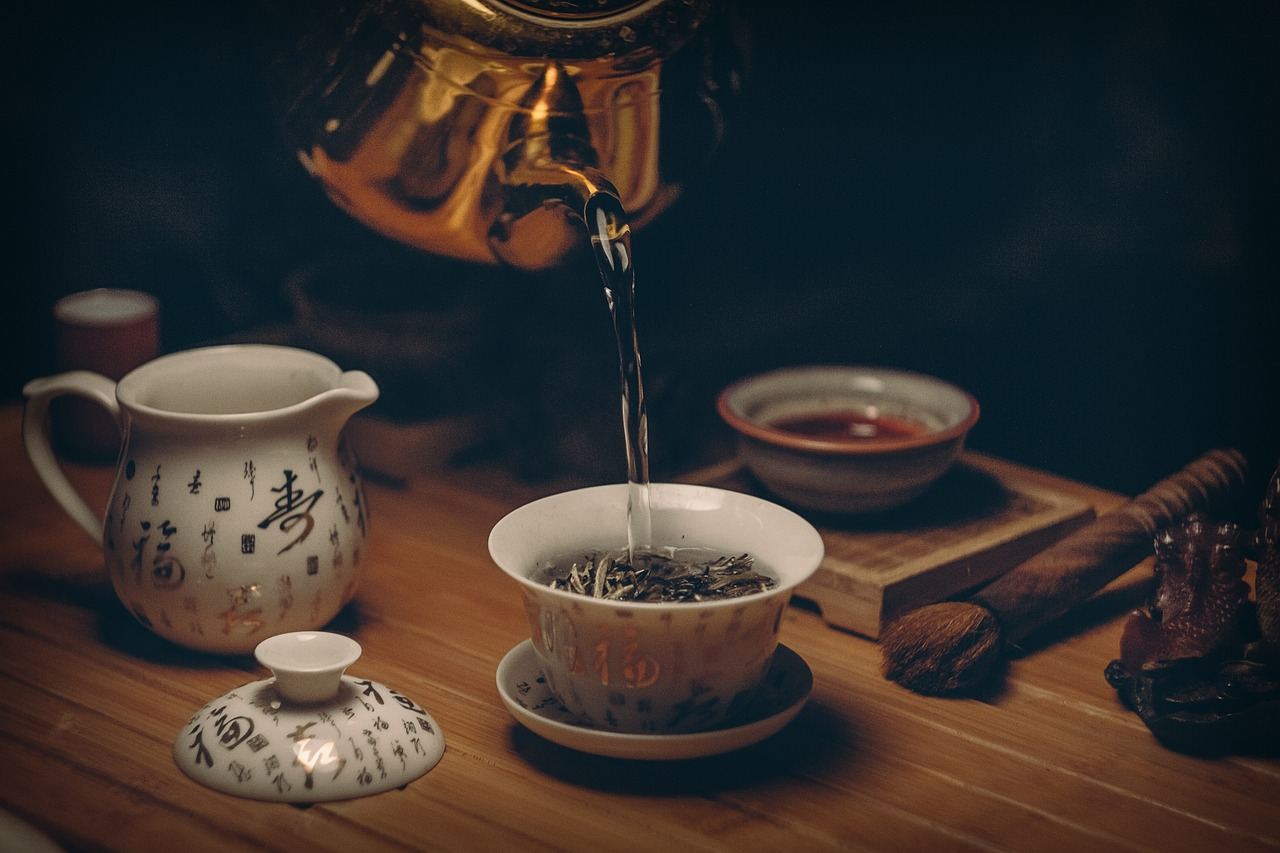
Tea blending isn't about just mixing bags — it’s a precise science of ratios where a 5:1 hojicha to orange peel makes the flavor sing, not just muddle.
Getting started with tea blending as a beginner offers a delightful way to experiment with flavors and create unique blends tailored to your taste. Tea blending is the practice of combining different teas, herbs, spices, and botanicals to create a custom flavor profile.
You're balancing base notes, aromatics, and finish – the same logic a chef uses with seasoning.
Unlike growing tea or tasting it, blending is active and repeatable: every batch is a testable hypothesis you can drink.
In tea blending, you physically select, measure, and mix loose teas with dried herbs or fruits, creating custom flavor profiles. You steep and taste the results to refine your blends, adjusting ratios based on sensory feedback. This involves using all your senses to assess flavors and aromas, labeling your creations, and iterating on them until you achieve the desired taste.
Tea blending fosters a flow state through its sensory-driven process, where you engage deeply in creating flavors with clear goals and immediate feedback. The iterative nature of tasting and tweaking blends provides incremental skill feedback, building expertise as you experiment with combinations. This activity also satisfies a creative drive, allowing personal expression through unique blends, …
You think tea blending is mixing two bags together and seeing what happens. Maybe you've already pictured yourself dumping chamomile into a green tea and declaring it custom. That's not blending — that's hoping two things taste good together without knowing why they would.
Tea has structure: base, mid-note, and finish. Most beginners only taste the first five seconds — and a blend that fails almost always fails in the finish, not the front.
Blending is closer to cooking with ratios than it is to decorating. A 70/30 split of the same two ingredients tastes completely different from a 50/50 — and learning that gap is the whole game.
Temperature behavior is its own variable. Some botanicals bloom in hot water and disappear cold. A blend that tastes balanced at 90°C can completely fall apart iced.
Take a simple roasted hojicha and dried orange peel blend — obvious on paper, tricky in practice. Hojicha's smokiness compresses citrus instead of lifting it, so at a 3:1 ratio, the orange reads flat.
Drop it to 5:1 and the orange becomes a finish instead of a fight.
One ratio adjustment.
That's it.
The difference between a blend that tastes muddy and one that tastes intentional is usually a single variable you didn't know to control.
The gear is almost irrelevant at this stage — but knowing what to buy first isn't.
Watching someone blend tea looks effortless — a pinch here, a pour there, a confident sniff. Then you're standing over four open tins wondering why everything smells like the same vague warmth. The gap between watching and doing is about three weeks of confused palate and second-guessing every ratio.
The first week, you'll overbuild. More ingredients feels like more control, and it isn't. By week two, most people start isolating single components just to hear what each one actually tastes like on its own — which is the thing the tutorials skip. Week three, something accidentally works. You won't know exactly why, and that ambiguity is more useful than any recipe. Week four is when structure starts to emerge — base, bridge, accent — instead of just "does this taste good."
The messy middle hits hardest around session three or four. Too many ingredients, nothing distinct, everything tasting like warm confusion. Most people who quit do it right before the palate learns to disaggregate — before the individual notes start separating out from the noise. Push past that window and the experience changes completely.
One concrete thing that saves early sessions: brew each component separately before you blend it. A tea that smells floral dry can turn sharp and medicinal at 90°C. What you're smelling in the tin and what ends up in the cup are genuinely different conversations — and confusing the two is the mistake that wastes the most early batches. The next section covers the other ones.
When to start: Morning
Duration: 1 hour
Cost to try: $15
Success criteria: If you create 3 side-by-side tea blends, record each ratio, and choose 1 blend that tastes balanced, do session 2.
Dry leaves smell completely different once hot water hits them. What smells balanced in the jar can taste sharp or flat in the cup.
Brew a small test steep of every individual base before you blend anything. You need to know what each ingredient actually tastes like brewed — not just how it smells dry in your hand.
Equal parts feels logical. One assertive ingredient — a smoky lapsang, a strong hibiscus — will drown everything else at that ratio.
Start with a dominant base at 60–70% and treat every other ingredient as a supporting note. Measure supporting ingredients in 5–10% increments so you can actually hear what each one adds.
Dried citrus peel, whole spices, flower petals — they look beautiful in a blend. But some need a hard boil to release flavor, while others turn bitter past 175°F.
Before adding anything new, steep it alone first and check its ideal temperature and time. A standalone test takes five minutes and saves you an entire ruined batch.
One successful cup doesn't mean ten grams of that ratio will taste the same. Surface area, steep time, and water volume all shift the flavor math when batch size increases.
Treat every scale-up as a new test batch and pull your steep time back by 30 seconds until you've recalibrated. The ratio that worked in a single cup is a starting point, not a guarantee.
You make something genuinely good. Then you can't reproduce it. Eyeballing it is only charming until the blend you loved disappears for good.
Write down every ingredient, every ratio, and every steep variable the moment the cup tastes right — not after you've already rinsed the teapot.
Tea blending happens at home more than anywhere else – your kitchen counter is genuinely the right starting point.
When you're ready to go further, tea shops and specialty retailers often host blending workshops, and culinary studios run structured tasting sessions with proper equipment.
Walk in and say you're new to blending and want to learn how to balance a base with botanicals – that one sentence signals you've done some thinking, and it gets you real guidance instead of a beginner pamphlet.
You'll usually get a sample tray, someone who actually wants to talk ratios with you, and an invitation to the next in-house event.
Herbal and tisane blending skips Camellia sinensis entirely. You're working with dried botanicals, flowers, roots, and spices — nothing more.
No caffeine, no tannins, and ingredients cheap enough that a bad batch costs you almost nothing. If you're still figuring out how flavors interact, this is the right place to do it.
Classic tea blending works with true Camellia sinensis bases — black, green, white, oolong — sometimes with botanicals added. This is what most people picture when they imagine the hobby.
The catch: your base tea quality determines everything, and single-origin teas worth blending from aren't cheap. Someone coming in cold — without an existing sense of how different teas taste — will struggle to hear what their blend is telling them.
Chai masala blending is spice-forward work built around a strong black tea base. Cardamom, ginger, cinnamon, pepper, clove — the classics.
The ratios do all the heavy lifting here. A small shift in cardamom or pepper changes the entire character of the blend — which means even early experiments teach you something real and fast.
This is blending with intent — adaptogens, sleep herbs, digestive aids, immunity boosters. The flavor is secondary to what the blend is supposed to do.
The line between tea blending and amateur herbalism gets thin quickly. Herb interactions matter here in ways they simply don't in a straight flavor blend, so actual research — not just intuition — is part of the process.
Scented tea blending — jasmine, rose, Earl Grey style — works differently from everything else on this list. You're not mixing leaf with leaf. You're infusing tea with aromatic flowers or food-grade oils over time, then removing the scenting agent before the final blend is set.
It's slower and more technical. But the results have a subtlety that no amount of mixing dried petals into a base tea will give you. Fresh flowers or food-grade essential oils are the main cost additions.
Baking lives in the same world — different mechanics, similar appeal.
Coffee Roasting lives in the same world — different mechanics, similar appeal.
Beginners spend all their energy chasing flavor – finding the right base, the right add-in, the right ratio.
The real lever isn't flavor at all. It's aroma.
The one skill is reading dry aroma before you brew – training yourself to predict how a blend will taste from the scent of dry, unbrewed leaf alone.
It sounds minor until you realize that 80% of what you perceive as taste is actually smell, and every bad brew you've already made gave you the answer before you ever added hot water.
When you can interpret dry aroma accurately, you stop wasting entire batches on combinations that were never going to work – you catch the clash before the kettle boils.
Without it, you're always correcting after the fact, which means you're always three brews behind where you think you are.
Give it 8 sessions over 30 days — roughly twice a week. That's enough time to move past novelty and awkward first blends, but not so long you've sunk serious money before knowing if it sticks.
If you keep wanting to come back, it's usually because you're chasing a specific result — that one cup that finally tasted the way you imagined it. That pull toward a result you can't quite land yet is the signal. Start keeping a blending notebook and look into sourcing single-origin bases.
If you're indifferent, ask whether you actually made anything or just followed recipes. One more month with a self-defined goal — blend something for a specific occasion — gives you a cleaner read.
If you actively didn't want to be there, that's data, not failure. Tea blending rewards slow, sensory, repetitive attention — and some people find that suffocating rather than calming. Name it honestly and move on.
You're already sniffing the dried herbs at the grocery store. Not buying them. Just noticing them.
That low-level cataloguing instinct — mentally filing flavors, wondering what goes with what — is the exact wiring tea blending runs on. If you've been doing it without a reason, you already have a reason.
A significantly impaired sense of smell removes most of the feedback loop. Blending without scent is like painting without being able to see contrast — technically possible, practically frustrating.
Without consistent access to 30–45 uninterrupted minutes, the iterative process breaks down entirely. This isn't a hobby that works well in chaotic windows.
If you need fast, visible results to stay motivated, tea blending will lose you. A blend might take five or six iterations across two weeks before it's actually good — and the improvements are subtle.
Still looking for something to do? Browse things to do when bored for more ideas.
You'll need a few loose leaf teas, herbs, flowers, and spices as your base ingredients, along with scales or measuring spoons for consistency. A storage container for your finished blends and some basic equipment like a kettle and infuser are essential, but you can start with what you have at home and expand over time.
Creating a blend typically takes 10–15 minutes once you've decided on your flavor combination and measured your ingredients. Steeping time varies by blend type but usually ranges from 3–7 minutes, depending on the tea leaves and botanicals you've used.
Tea blending is very beginner-friendly—there's no right or wrong answer since it's all about your personal taste preferences. Start with simple two-or-three-ingredient combinations and gradually experiment with more complex flavors as you learn what works.
You can begin with a budget of $20–$50 by purchasing a few loose leaf teas and dried botanicals from local or online suppliers. As you develop your skills, you can invest more in premium ingredients, but quality blends don't require expensive supplies.
Black, green, white, and oolong teas are excellent neutral bases that absorb flavors well and are widely available. Herbal infusions like rooibos and hibiscus work great too, especially if you want caffeine-free blends.
Yes, store your blends in airtight containers away from light, heat, and moisture to maintain freshness for 6–12 months. Keep them in a cool, dark place like a cabinet or drawer, and avoid storing them near strong-smelling foods or spices.