BoredomBusted — Find Your Next Favorite Thing To Do
Discover hobbies, activities, places, and ideas that spark joy. Whether you're looking for something creative, active, social, or relaxing, BoredomBusted helps you find your next favorite thing to do.
Browse our hobby guides, things-to-do collections, and place ideas to never be bored again.
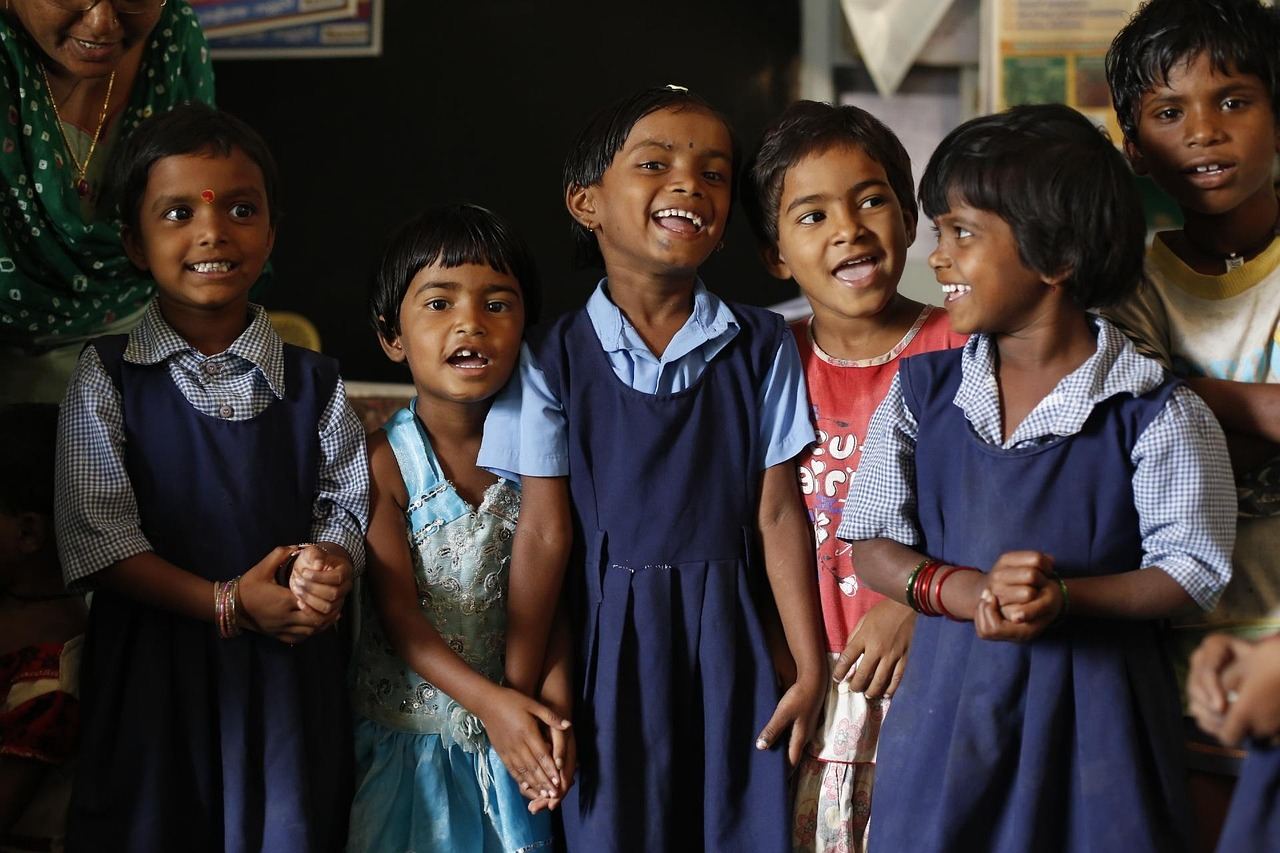
Cultural Language Revival isn't about dusty archives; it's about vibrant community conversations where language transforms family and worldview.
Learning cultural language revival as a beginner focuses on the importance of preserving an endangered or ancestral language for future generations rather than solely for personal use.
You study, document, or teach a language with few remaining speakers. This often involves collaboration with community members or using archival recordings.
The goal is not personal fluency but ensuring the language survives for future generations.
Cultural language revival involves engaging with elderly fluent speakers to learn endangered languages through immersive storytelling sessions, practicing pronunciation, and creating personal narratives in the target language, often using notes and recordings to refine skills.
This hobby fosters a flow state through immersive dialogues that challenge language skills, provides immediate feedback from elder corrections, and creates social belonging within community circles, all while allowing for creative expression and a sense of accomplishment in revitalizing cultural identities.
Cultural language revival sounds like poring over dusty archives, chatting about obsolete grammar with a few academics.
Take Welsh as a prime example. In the 1960s, fewer than 20% spoke it fluently.
Now, more than 800,000 speak it daily, thanks to communal efforts emphasizing transmission over preservation.
Not in dusty archives. In living rooms and over kitchen tables.
So, how do you begin this journey? Your bookmarks might not have the answer.
Speaking a heritage language seems fluid and warm when you watch someone else do it. The reality hits when you try yourself. The sounds don't come out as expected, missing what you remember hearing. That gap between expectation and reality is the whole first month.
Learning the sounds comes before words. In the first week, the challenge is phonology. Your heritage language likely sounds unlike English, and that's a hurdle worth addressing early.
Week two tests patience. Understanding comes before speaking fluency. You'll recognize more than you can say, a frustrating but promising sign that your passive memory is building.
By the third week, something clicks. The feeling of correctly saying a phrase is huge and a milestone you should celebrate.
Week four feels tricky. Beginner materials are too easy, while intermediate content feels unreachable. This is where perseverance counts. Most people quietly give up here, but pushing through keeps you from starting over at the same wall next year.
Cultural language revival is about repetition, not just emotion. It's a motor skill that requires practice. Your mouth needs to repeat sounds many times before they feel natural.
When to start: Morning
Duration: 1-2 hours
Cost to try: $10
Success criteria: If you identified one local language revitalization group and sent a concrete intro email naming a language you want to help preserve, do session 2.
Many begin with grammar charts, as if reviving a language is purely academic. Start by finding a living speaker or community call. Listen for 20 minutes before touching a grammar book.
Revivalists often lift vocabulary from older texts without context. Confirm every word with a contemporary speaker group, even on Discord or Facebook.
Many overlook phonology, thinking it's minor, but accents reveal you immediately. Record yourself reading and find phonology resources or a speaker to critique your vowels.
Having multiple apps and courses without engagement is common. Commit to one resource for 30 days straight before assessing what's still missing.
Revival languages often have disputes over orthography and teaching rights. Take time to understand community issues by observing discussions before participating.
Cultural language revival thrives in libraries, community centers, cultural heritage societies, and university linguistics departments.
Start with local libraries and community centers — that's where the real groups are.
If you're focused on Celtic languages, search for Duolingo + your location alongside organizations like Conradh na Gaeilge, Comann na Gàidhlig, or Cymdeithas yr Iaith. They have directories of local branches.
Posting in r/languagelearning or language-specific subreddits is powerful. Smaller communities often use them since dedicated websites are costly.
Identifying as a heritage learner interested in language preservation often earns patience and guidance from experienced members.
Start with old letters, grandparent recordings, or phrases you half-remember. The emotional connection is powerful, helping you learn in ways classroom settings rarely achieve.
Ideal for those who heard a heritage language growing up but never mastered it. Be prepared to track down resources, as some languages lack commercial materials.
Go beyond learning to actively record and transcribe languages with few speakers left. This is more of a mission, often in tandem with universities or organizations like the Endangered Language Fund.
Perfect for those with a linguistic background or a deep commitment. Expect potential travel costs, though remote volunteering is an option.
Study languages like Church Latin, Classical Arabic, Biblical Hebrew, or Sanskrit to access original texts. The aim is not conversation but to engage with primary sources directly.
For those passionate about religious studies, philosophy, or history, offering deeper insights than translations alone can provide.
Immerse yourself in a community using a regional or minority language, like Welsh in Wales or Basque in Spain. This is the quickest route to fluency and shows true dedication.
Best suited for those who can travel or relocate, even briefly, since a two-week immersion can outpace months of solo studying.
Platforms like Duolingo (for Irish, Welsh, Hawaiian) provide access where there once was none. Perfect for beginners seeking low-cost, low-commitment learning at any hour.
The downside is depth — you'll get the basics, but cultural nuances and oral traditions are harder to convey in short lessons.
Readers who enjoy this often gravitate toward Language Learning next.
A close neighbor worth considering: Study Skills.
If the texture of this appeals to you, Research Reading is built on similar bones.
Most beginners spend months drilling vocabulary lists and grammar rules. They plateau right when the language starts to feel real. They're optimizing for memorization instead of what truly matters.
Focus on contextual code-switching. This skill lets you hear how native speakers shift tone and phrasing based on who they talk to, then mirror those shifts yourself. It's about speaking like this community actually speaks – formal with elders, relaxed with peers, ceremonial in rituals.
With this skill, the language comes alive. Without it, people can understand you, but something feels off. Like someone calling your grandmother by her first name – it just doesn't sit right.
Cultural language revival requires patience and commitment. It's slow, sometimes frustrating, but deeply personal. You'll know if it's for you after 30 days.
Dedicate yourself to 8 sessions over 30 days. About two per week keeps things fresh and allows each session to settle.
Words pop into your mind unexpectedly. You catch yourself whispering phrases in the heritage language. That's the hobby sinking in. Next, keep a journal of these moments and consider joining a community group.
Sessions felt flat, with no tug one way or the other. This might mean the material isn\u2019t clicking yet. Add four more sessions, but change your approach. Try storytelling or find a living speaker for a fresh perspective.
Dreading these sessions means something different. You weren't interested, and that's telling. Real motivation comes from within. Without it, it's better to explore other interests.
You find yourself poring over old family stories, keen to unravel details. That urge to recover specific fragments, not just "learn a language," means this hobby calls to you.
Looking for something lighter? Our boredom-busters guide is built for exactly that.
No—language revival welcomes learners at all levels, including complete beginners. Most community programs provide foundational instruction and actively recruit non-native speakers and younger generations to help rebuild the language. Your willingness to learn and engage with the culture is what matters most.
This varies widely depending on the language's complexity, your prior language-learning experience, and how much time you dedicate weekly. Most learners reach basic conversational ability in 6–12 months with consistent practice, though achieving fluency typically requires 2–3 years or more of regular engagement.
Programs typically include group conversation sessions, storytelling with elders, cultural workshops, children's learning circles, documentation projects, and online resource building. Many combine formal lessons with immersive community events and intergenerational mentoring to keep the language alive in real contexts.
Many grassroots language revival initiatives are free or donation-based, relying on volunteer facilitators and community support. Some formal programs or institutions may charge modest fees for structured courses, but barriers to entry are typically low to encourage broad participation.
Search for local cultural organizations, indigenous community centers, or heritage associations focused on your target language. University language departments, online communities (like Facebook groups or Discord servers), and cultural institutes often coordinate or host revival programs and can connect you with speakers and learners.
Language revival strengthens cultural identity, builds intergenerational bonds between elders and youth, and preserves unique ways of thinking embedded in that language. Participants often report deeper connections to their heritage, increased community cohesion, and the satisfaction of helping prevent cultural extinction.