BoredomBusted — Find Your Next Favorite Thing To Do
Discover hobbies, activities, places, and ideas that spark joy. Whether you're looking for something creative, active, social, or relaxing, BoredomBusted helps you find your next favorite thing to do.
Browse our hobby guides, things-to-do collections, and place ideas to never be bored again.
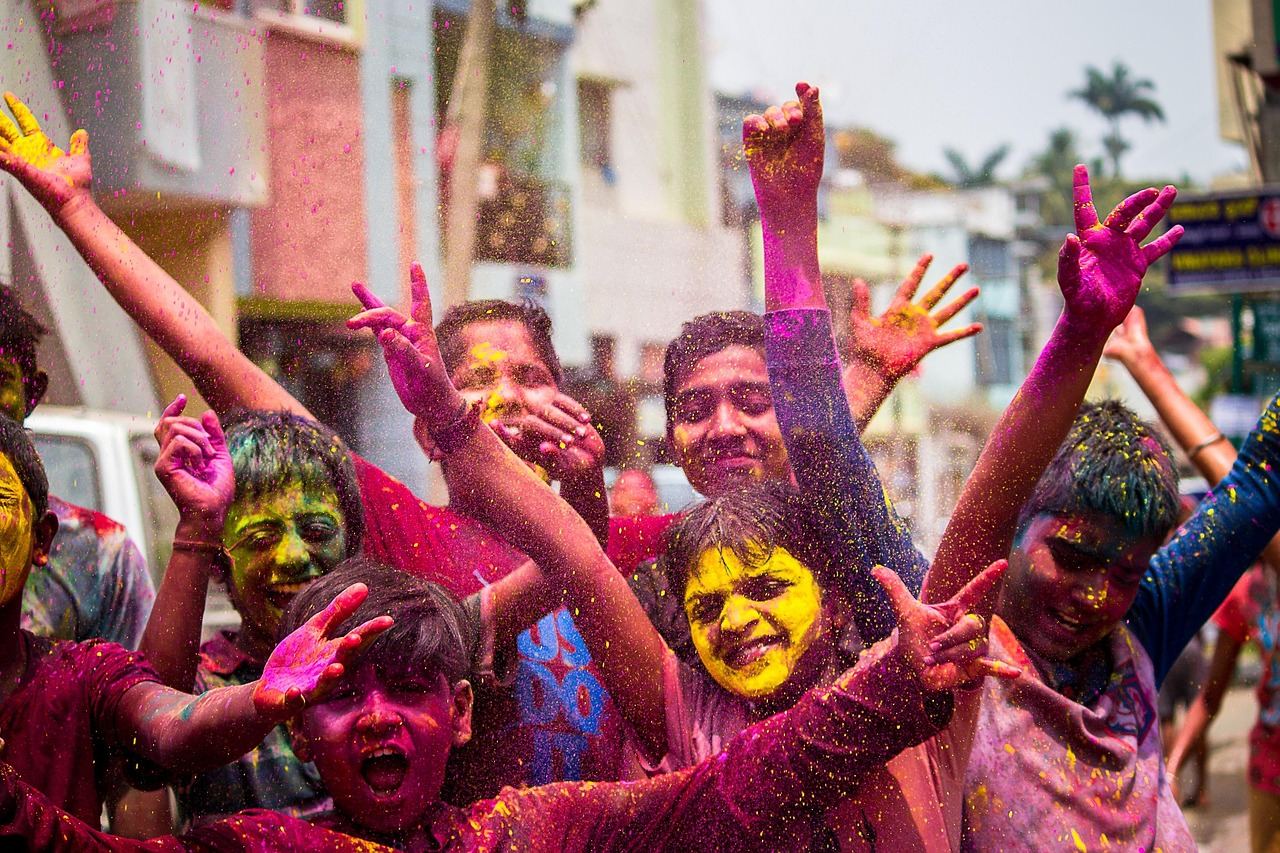
Festival tourism isn’t just about the music — it’s your ticket to a place's cultural heartbeat and a social experience that ordinary tourism can't provide.
Getting started with festival tourism as a beginner means prioritizing the experience of attending diverse cultural, music, and food festivals. Travel specifically to attend cultural, music, food, or seasonal festivals, with the festival itself as your primary reason for the journey.
You're picking your destination based on the event. It's a full commitment, not just a lucky discovery along the way.
Festival Tourism involves planning and attending multi-day cultural or music festivals worldwide, which includes researching festival dates, booking travel and accommodations, navigating festival sites, participating in competitions, and engaging with local communities through cultural exploration and social interactions.
This hobby counters boredom through novelty and social belonging, immersing participants in unique experiences that foster deep connections, cultural engagement, and a sense of accomplishment, thereby creating lasting memories and preventing monotony.
You think festival tourism means Coachella wristbands and overpriced beer. Maybe a bucket-list thing you do once, post about, and move on.
Skipping this could mean missing one of the best ways to truly experience a place.
Festival dates align with a region's soul — harvests, religious events, history. Not just events, but an immersion into the local story.
Locals act differently in these moments. During festivals, you'll see the city at its most genuine.
Logistics become a breeze. You'll find places to stay, late transport options, and friendly interactions — the usual travel hurdles just vanish.
A friend was in Japan, doing the usual tourist tour — temples, markets, more of the same. Then she stumbled into Tokushima during Awa Odori. She was swept into a street dance she didn't know. It became the first moment she felt truly connected to her trip.
That wasn't chance. It's what happens when a place celebrates itself for its own sake, and you're lucky enough to join the party.
Finding the right festivals can transform your travel experience. It's not as simple as it seems, but the search is worth the effort.
But let's talk about how to lock in those dates without going broke.
Standing in a field at 11am feels confusing. You're already tired and the headliner won't appear for hours.
This feeling doesn't mean failure — it's common among newcomers.
At first, you'll overschedule and miss half your plans. Over time, you'll learn to find your anchor acts, plan for meals, and feel satisfaction in your rhythm. The festival improves when you stop trying to see everything and focus instead on enjoying the acts you truly want to see.
By the third or fourth day, you'll be thinking about logistics over lineups. Knowing the best way to get from stage to stage, where to find your campsite at 2am, and which stages to avoid can transform your experience.
Expect feelings of exhaustion and doubt around hour six. Working with the festival's flow will make your experience smoother and lead to unexpected pleasures like catching an act you wouldn't have chosen. Discover the mistakes that keep the frustration alive in the next section.
When to start: Morning
Duration: 2 hours
Cost to try: $20
Success criteria: If you can name one festival, list 3 schedule highlights, and mark its location and route on a map, do session 2.
By the time the lineup is out, nearby hotels vanish. Everyone scrambles and misses spots.
Secure a refundable room as soon as festival dates drop. Cancel later if you change your mind.
Newbies push to catch all the headliners. It leads to endless standing and zero breaks.
Plan two 'dead' afternoon hours. Use them to eat, rest, and take in your surroundings.
A perfect weather app doesn't account for dusty fields or sudden mud baths.
Stash a rain shell and extra socks in your bag. They rescue more bad days than any forecast ever does.
Small festivals often stick to cash-only vendors. Card fees sneakily stretch your budget.
Withdraw cash each morning as your spending limit.
Opening day lines are longest with untested staff and unprepared visitors.
Arrive on day two for longer events. Crowds thin, supplies are fresh, and you learn from others' mistakes.
Festival tourism thrives at outdoor festival grounds, city parks, converted racetracks, and arenas for larger events.
Ask group members for beginner festival recommendations. The insights and connections will surprise you.
Festival tourism lacks a single governing body, but IFEA (ifea.com) offers resources and links for tracking events worldwide.
Travel to attend live music festivals, often camping or staying nearby for multi-day events.
Perfect for those who already love a genre and want to experience it on a large scale. Costs can quickly balloon from $500 to $2,000+ for a single weekend.
Immerse yourself in harvest festivals and local religious celebrations. A great starting point for beginners seeking travel with structure but avoiding high costs. Usually low-cost or free, although timing the trip is key.
Experience a specific culinary event like wine harvests in Burgundy or street food festivals in Bangkok.
Ideal for those eyeing a trip they've half-considered, seeking a delicious excuse to commit.
Blends hobby trip with community pilgrimage.
Best suited for those fully immersed in a fandom – less meaningful if you're not part of the scene.
Create a route around several smaller regional festivals over weeks or months.
Requires careful planning, rewarding those who seek depth over spectacle. Not for beginners – gain experience with a single festival trip first.
Most beginners optimize for more – more festivals, more cities, more stamps in the passport.
But quantity without a framework just gives you expensive déjà vu.
The skill is Festival Layering – the ability to read a festival's actual structure and stack complementary experiences inside it, not just around it.
It means recognizing satellite events, neighborhood spillovers, and fringe programs running parallel to the main event. You'll build your days so each layer enhances the next instead of competing with it.
A single five-day festival turns into three different trips depending on how you understand its structure.
Without it, you'll keep booking the headline events and wondering why locals seem to be having a completely different – and better – experience than you.
Attendance and immersion are not the same thing – and layering is what separates them.
Attend two festivals in 30 days. One festival you already know you enjoy and another that's completely new to you.
If you're already mapping the next festival during your second trip, especially the new one, that's not just excitement for novelty. You're genuinely drawn to discovering new places and engaging with passionate strangers. Festival tourism is about embracing the unfamiliar, and you've got the knack for it.
If it was fun, but you wouldn't plan a trip just for it, that's a clear message. Festival tourism shines when the festival itself is the main attraction. Consider extending the experiment only if time and finances make it hassle-free to try a third, more unique festival.
If counting down the minutes until departure was your underlying theme, look at the bigger picture. Discomfort in chaotic, unpredictable settings is a legitimate preference. This setting won't change, so redirect that energy.
Spotting festival announcements as quickly as others notice flight deals is telling. If it feels instinctive to you, like a natural pull, that awareness is hard to fake.
When you don't want to commit, things to do when bored is a better starting point.
Festival costs vary widely depending on location, duration, and lineup—day passes typically range from $50–$150, while multi-day passes run $150–$400 or more for major events. Many festivals offer early-bird discounts, and some cultural festivals in smaller communities are free or donation-based.
Bring weather-appropriate clothing, comfortable walking shoes, sunscreen, a reusable water bottle, portable phone charger, and any necessary medications. Consider the festival type—camping festivals need a tent and sleeping bag, while city-based festivals require less gear but good navigation tools.
Use websites like Festivals.com, Songkick, or Eventbrite to search by location and date, or check your city or region's tourism board for local cultural and music festivals. Social media pages and local tourism apps are also excellent resources for discovering smaller, community-based festivals.
Budget festival tourism is possible by choosing free or low-cost local festivals, camping instead of hotels, bringing your own food, and traveling during off-peak seasons. Many cultural festivals prioritize community participation over profit, making them affordable ways to experience new traditions.
Most festivals run 2–4 days, though some span a full week or longer, and certain cultural celebrations extend across multiple weekends. Day festivals and one-day events are also common, especially for local art, food, or music celebrations.
Music festivals focus primarily on live performances across genres, while cultural festivals celebrate specific traditions, cuisine, art, and heritage of communities or regions. Many modern festivals blend both, featuring music, food vendors, art installations, and workshops honoring local culture.