BoredomBusted — Find Your Next Favorite Thing To Do
Discover hobbies, activities, places, and ideas that spark joy. Whether you're looking for something creative, active, social, or relaxing, BoredomBusted helps you find your next favorite thing to do.
Browse our hobby guides, things-to-do collections, and place ideas to never be bored again.
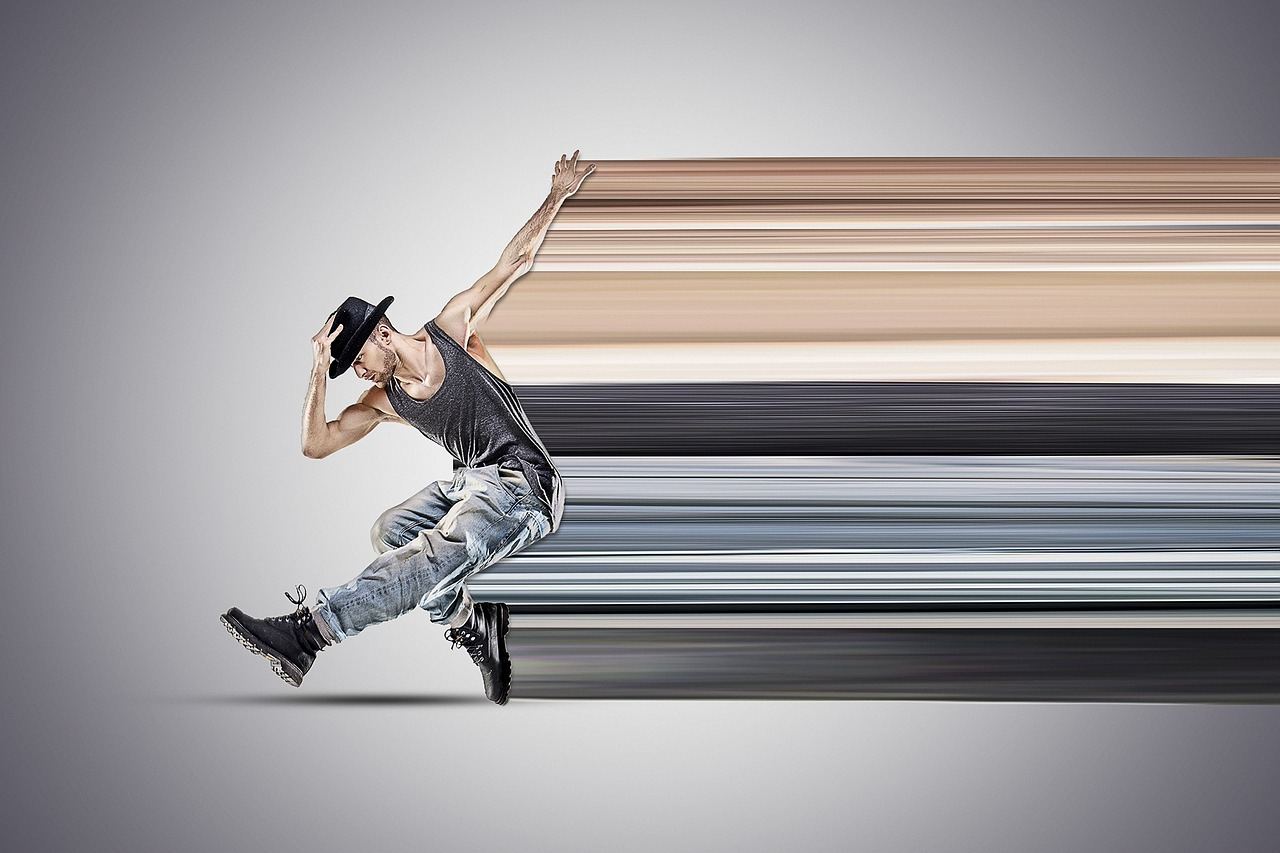
Most adults shy away from hip-hop dance thinking it's all about cool moves — in reality, it's a rigorous discipline of technique, musicality, and control.
Getting started with hip-hop dance as a beginner opens the door to a vibrant movement style that celebrates the rich cultural roots of 1970s New York.
It covers:
– each built on rhythm, improvisation, and personal style.
Unlike choreographed dance forms, hip-hop rewards self-expression over precision, making your personality part of the technique from day one.
In hip-hop dance, you engage in physically executing foundational moves like rocking and bouncing, followed by learning and drilling short routines that include high-knee jumps, shimmies, and lunges, all synced to hip-hop tracks, with an emphasis on rhythm and personal style.
Hip-hop dance induces a flow state through rhythmic immersion and physical engagement, offering immediate feedback from muscle exertion and skill mastery, which fosters a sense of accomplishment and creative expression, thereby combating feelings of boredom.
You think hip-hop dance is all about looking cool. Picturing someone effortlessly freestyling in a cypher, it seems like a natural gift—a rhythm you think you don't have.
This belief stops many adults from taking their first step.
Hip-hop boasts styles with precise techniques—popping, locking, breaking, and house each have unique vocabulary and foundational drills. It's not about "doing hip-hop" any more than "doing martial arts." Think of musicality as a skill, not an innate talent. Beginners invest time learning counts, accents, and breaks before diving into choreography. Over time, the culture emphasizes precision and control over sheer energy. Isolation work, like making one body part move while the rest remains still, requires months to master.
A b-boy named Hong 10 trained his footwork patterns for years before competing internationally. He wasn't born with those moves; he systematically built his foundation, much like a musician practicing scales.
The question isn't whether you have rhythm.
It's about finding the style that fits how you want to move, and that decision stops most people before they even begin.
Jumping into your first hip-hop session shatters illusions of effortless dancing. The music video groove is miles away as reality hits immediately.
Jumbled signals between your brain and body feel overwhelming. Arms and legs try to move in harmony, often failing, while accidental counting slips out loud. The sensation of being watched settles in. Muscle memory teases you with a bounce step and rhythm that feels more instinctual than mathematical.
Initial excitement fades by week two, leaving nagging self-doubt. The expectation of feeling smooth clashes with the mechanical awkwardness. Many quit here, but that's a mistake. This stuck phase is necessary — it's your body learning before the fun kicks in.
Hip-hop movement thrives on the downbeat, not the upbeat. Most beginners are shocked by how counterintuitive this feels. Movement trained by sports, gym, or other dance genres naturally emphasizes the upbeat. This leads to overshooting and stiffness as you find balance. Try this tip: Nod your head to a song you love. Feel the real, relaxed motion — like when you're alone in your car.
Next, we'll dig into the mistakes that get beginners stuck in this awkward phase.
When to start: Morning
Duration: 1 hour
Cost to try: $0
Success criteria: If you can bounce on the beat, hit 3 basic moves from the tutorial, and repeat them in one 8-count, do session 2.
Teachers often use counts to guide beginners, so dancers cling to numbers. But this turns dancing into math.
Mute the count and let the snare or kick drum be your anchor.
Hip-hop dancers often sit slightly behind the beat, but beginners rush. Moving early feels more satisfying.
Delay each move by a half-count and film yourself. You'll see the difference immediately.
Tutorials emphasize combinations, so new dancers stack moves. They do this before the basic bounce and body roll become natural.
Return to a single 8-count and drill the foundational groove.
Focus on weight shift, bent knees, chest isolation.
Arms in hip-hop react to the body, not just decorations. Beginners often learn arm shapes disconnectedly.
Learn every combo with arms-free first. Let the movement come from your core.
A full-body shot from six feet away loses detail. You won't see the important isolations this way.
Set your camera at hip height, two feet away. Record one move at a time for clear detail.
Hip-hop dance happens in studios, rec centers, and community spaces – not just professional venues.
Dance studio, community center, and even gym group fitness rooms are all fair game.
Tell the instructor you're a complete beginner before class starts – that one sentence usually gets you a placement in a foundational class instead of an intermediate one, which is the difference between actually learning and just surviving.
Most studios will quietly redirect you anyway, but saying it out loud gets you there faster.
Breaking, or B-Boy/B-Girl, is all about acrobatics. Think freezes, spins, and floor work. This style's about raw physicality and demands more coordination than most dance forms.
Expect a steeper learning curve than other styles. Invest $20–40 in knee pads and a good floor surface for safe practice.
Popping involves sharp muscle contractions and robotic movements. This is for those who are serious about nailing every detail. It's a subtle technique, tough to master without quality reference videos.
Ideal for dancers focused on technique over fluidity.
Locking combines funky 70s grooves with big theatrical moves. It's all about striking a pose, then releasing it with flair. This style lets you express a vibrant personality that standard hip-hop often misses.
Perfect for performers who crave audience attention.
Freestyle Hip-Hop, or Cypher Style, is all about improvisation and social interaction. Forget choreography. This is about feeling the music and vibing with others in the circle.
Great for those who prioritize expression over routines.
Commercial/Choreography Hip-Hop is the polished style seen in music videos and studios. It's clean, rehearsed, and ideal for those who like a clear path.
An accessible choice for beginners seeking structure before style.
If you want a related angle, Folk Dance is the natural next stop.
If you want a related angle, Ballet is the natural next stop.
If the texture of this appeals to you, Swing Dance is built on similar bones.
Most beginners chase new moves constantly. But that's not the real barrier. The real ceiling isn't your move count – it's the lack of connection between your body and the music.
Musicality through groove isolation is the skill you need. This means training your body to pulse on the downbeat independently of your limbs.
Think of your chest, head, or hips keeping a constant rhythmic bounce. Everything else moves on top of it. Like wearing a metronome – you don't hear it, but it guides you.
Without groove isolation, every move is a standalone event. Your dance appears as a series of shapes. When you master it, even simple moves look dynamic, as if the music is energizing your entire body.
Freestyles become less intimidating. You have a constant motion happening, even during thought pauses.
Try eight sessions over 30 days, around twice a week. Enough time for your body to adapt and see if the joy sticks.
If you're showing up early and thinking about the moves in the grocery store, it's more than fun. The hobby is taking hold. Focus on finding a consistent class or instructor to deepen your practice.
You completed all the sessions but didn't feel a pull to return. Perhaps the style wasn't right. Locking and waacking offer different vibes than breakdancing. Consider a focused month trying another sub-style before deciding.
If dread was the dominant feeling each session, that's telling. Some enjoy hip-hop's concept but not the practice. This isn't a personal flaw; it's just a mismatch.
A sure sign you're in: you're watching freestyle dance clips late at night, not to analyze but because you can't stop. That cultural interest signals more than mere movement.
If nothing here clicks, our guide to what to do when bored covers shorter, lower-commitment options.
No, you don't need any previous dance experience to begin hip-hop dancing. Hip-hop culture welcomes all skill levels and emphasizes personal style over technical perfection. Most beginner classes teach fundamental moves and rhythms at a pace that accommodates newcomers.
You can learn basic hip-hop moves within 2–4 weeks of consistent practice (2–3 sessions per week). However, developing a personal style and gaining confidence takes 2–3 months, while mastering advanced techniques like breaking or locking typically requires 6–12 months of dedicated training.
Breaking is an acrobatic, improvised style featuring spins, freezes, and footwork originating from the Bronx, while locking uses quick stops and holds to emphasize the beat with a groovy feel. Other styles include popping (muscle contractions to the rhythm) and freestyle, which blends multiple techniques.
Getting started is affordable—comfortable clothes and sneakers you likely already own are sufficient. Group dance classes typically range from $10–$25 per session, with monthly memberships at studios costing $60–$150, depending on location and class frequency.
Yes, hip-hop dance is an excellent cardio and strength workout that burns 400–600 calories per hour. It improves cardiovascular endurance, coordination, and core strength while being enjoyable enough that it feels more like fun than exercise.
Wear comfortable, loose-fitting clothes like joggers, sweatpants, or baggy jeans paired with a t-shirt or hoodie that allow full range of motion. Clean sneakers with good ankle support are essential—avoid tight jeans or restrictive clothing that limits movement.