BoredomBusted — Find Your Next Favorite Thing To Do
Discover hobbies, activities, places, and ideas that spark joy. Whether you're looking for something creative, active, social, or relaxing, BoredomBusted helps you find your next favorite thing to do.
Browse our hobby guides, things-to-do collections, and place ideas to never be bored again.
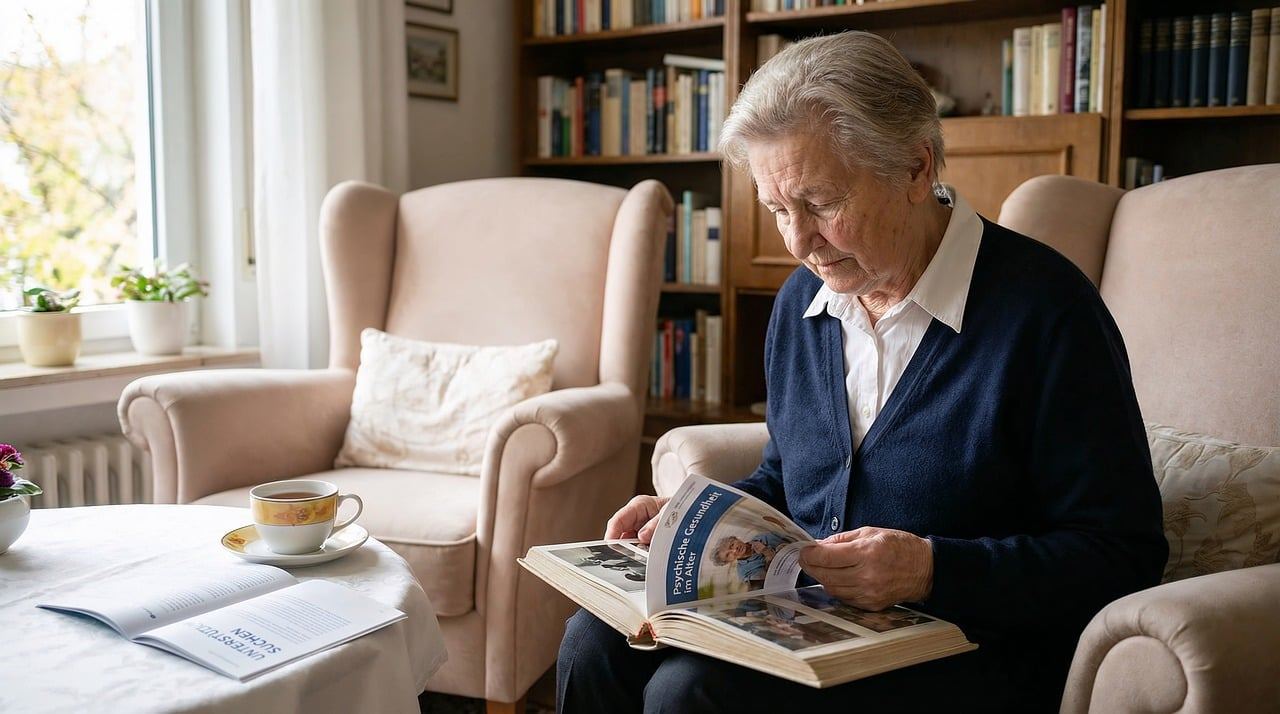
Reading to the elderly isn't just about books—it's a ritual that sparks surprising cognition shifts and deep connections you never see coming.
Getting started with reading to the elderly as a beginner can be a rewarding way to bring joy and connection to seniors in care homes, hospitals, or private residences.
Whether it's books, newspapers, or letters, the material fits the person being read to.
Consistency is key. This is a weekly or recurring commitment.
The real difference from other volunteering is the relationship built. The same reader visits the same listener regularly, creating a connection over time.
In Reading to the Elderly, you engage with seniors by selecting and reading stories aloud, often discussing the content and prompting memories, facilitating an interactive experience that fosters connections.
This activity can create a sense of social belonging as you build relationships with the elderly, while the act of storytelling stimulates cognitive engagement, offering a rewarding experience that counters feelings of emptiness or restlessness.
You think this is about reading aloud. Sitting beside someone, doing a nice thing, then going home. That's the assumption keeping people away from something deeper.
Shared moments happen when you read aloud. For people whose social world is a few hours of TV, this is huge.
The book itself is secondary. What people really return for is the ritual. That familiar voice at the same time shows someone's there for them.
A volunteer at a memory care facility started reading a WWII novel to a resident who rarely spoke. By the third chapter, the resident was correcting her pronunciation of French towns – places he'd liberated in 1944. He hadn't mentioned the war in two years.
Restoring forgotten parts of someone's identity isn't a side effect. It's the whole point of sharing these moments.
Now, let's find out how to get started — it's easier than you think.
Watching someone else read to an elderly resident looks effortless. A warm chair, a good book, a grateful listener. Your first session will feel nothing like that.
There's a specific awkwardness that hits when the silence stretches and you realize you have no idea if they're enjoying this or just being polite.
You're nervous but prepared. You've picked a great book, practiced your pace, told yourself it'll feel natural. Then you notice the font's different than expected. The resident might fall asleep mid-chapter, and you're left wondering if that's a bad sign.
You walk away unsure if you've helped at all.
Sessions may end mid-sentence. A nap, a bad day, or a nurse with medication interrupts. Closure isn't part of the package, unlike a normal conversation, and accepting that early makes a difference in whether you'll stay committed long-term.
Talk to the staff about hearing and vision needs before picking your book. Large-print editions and slower pacing aren't afterthoughts; they determine whether the session works at all.
When to start: Morning
Duration: 1 hour
Cost to try: $0
Success criteria: If you read one full chapter aloud and spark a 5-minute conversation about a memory or opinion it raised, do session 2.
You focus on words, but they struggle to hold onto the meaning. Hearing aids, medication fog, or age often make it harder. Slow down by 30% from your natural pace. Pause for two full beats at every period.
Thinking they'll enjoy your favorites might seem thoughtful, but it misses the mark. Forget bringing a literary novel to someone with a history of reading westerns. Ask this simple question:
Jumping into a book without preparation leads to confusion. An unfamiliar name or surprising event can throw everyone off. Skim the chapter beforehand to anticipate and explain challenging parts.
Silence can feel awkward, but rushing to fill it is a mistake. That's often when the listener is processing the story. Wait five seconds before speaking. This pause often leads to the most genuine conversations.
Feeling like you must finish the chapter helps no one. The listener might feel too polite to stop, even if tired. Check in at 20 minutes. A simple "Want to keep going?" gives them the chance to call it without worry.
Nursing homes, assisted living facilities, memory care units, public libraries, and adult day programs all welcome volunteers to read to the elderly.
Sessions can be one-on-one in a resident's room or in a shared common area. Check nursing home volunteer programs available on their websites or public library volunteer pages
Use VolunteerMatch.org to find local opportunities. Just search "volunteer reader [your city] nursing home" or "read aloud volunteer [your county]."
Visit the website of your nearest assisted living facility. Look for a "Volunteer" or "Community" tab — most have their own reader programs.
SAG-AFTRA's BookPALS program also places volunteer readers. Search "Bookpals [your state]" to find a chapter near you.
Contact your local Area Agency on Aging. They provide volunteer registries that are often overlooked.
There's no single national governing body for reading to the elderly. BookPALS through SAG-AFTRA is close, but most programs are local efforts by facilities or nonprofit organizations.
When visiting, say you're interested in volunteering as a reader and can commit to a regular weekly slot. This gets you a direct conversation with a coordinator instead of just filling out forms.
Spend time with a single senior in their home. Read directly to them, focusing on their energy and attention.
Ideal for those who enjoy a personal, quiet connection
Enable a small group reading session at a care facility's common room. Everything from the schedule to the audience is arranged for you.
Perfect for newcomers seeking an easy start
Record books or letters and send them to isolated or visually impaired seniors. Avoid travel, but miss live interaction.
Suitable for those with busy or inflexible schedules
Join a senior in a program where reading and conversation go hand in hand. They might even read their own stories to you.
Great for those seeking meaningful interaction beyond reading
Focus sessions on subjects like local history or specific authors to engage seniors' own interests. Prepare more, but the payoff is engaging discussions.
For those who love research and making connections
Readers who enjoy this often gravitate toward Animal Sanctuary Volunteering next.
A close neighbor worth considering: Zoo Volunteering.
For something adjacent, see Bringing Food to the Disabled.
Most beginners focus on reading clearly and picking great books. Yet, listeners often seem polite but checked out. The real lever isn't the material. It's whether you're actually tracking comprehension in real time.
The skill is reading the listener's face and body before they speak – noticing micro-pauses in attention and adjusting before they lose the thread entirely.
Once you develop this, sessions feel like conversations. Listeners lean in, ask questions, laugh at the right moments. Without it, you're reading at them, and they've lost the plot six pages back.
Confusion silently builds in elderly listeners, especially with hearing loss or cognitive fatigue. By the time it shows, you've missed the chance to fix it.
Four sessions over 30 days – roughly one per week. This will take you past the awkward first visit and let you build some rapport while getting a feel for the activity.
You want to come back. That resident you read to stuck in your mind. You wondered how they'd react to the next chapter, or the hour flew by. You're not just doing a good deed. You're forming a connection. The next step? Talk to the coordinator about making this a regular thing.
You're indifferent. The sessions were okay, but you didn't think about them later. This might mean a mismatch with the activity's format, not its heart. Try reading in a different setting, like a memory care unit, or experiment with genres or small group versus one-on-one. Give it three more sessions before deciding.
You actively didn't want to be there. This isn't about jitters or fatigue. It's a genuine sense that this isn't right for you. Reading to the elderly demands emotional presence. If that felt like an obligation, it's probably not the right activity for you.
When you pause over obituaries or memoirs, thinking, 'someone should read this to those who'd appreciate it,' that's your fit. You're naturally tuned to connect great stories with eager ears.
Looking for something different? The hobbies list is the easiest way to scan what else is on the table.
For quicker fixes, see our roundup of things to do when you're bored.
Choose classics, memoirs, poetry, or stories from their era that resonate with their memories and interests. Large-print editions, shorter stories, or audiobooks work well if vision is limited. Ask them about their favorite authors or genres to personalize the experience.
Once or twice a week for 30–60 minutes is ideal for building consistency without overwhelming either of you. Even short 15–20 minute sessions make a meaningful difference if that's what fits your schedule. Regular visits create stronger bonds and help them look forward to your time together.
No special training is required—just patience, clear speech, and genuine interest in connecting with them. Basic skills like reading at a comfortable pace, checking in about their comfort, and responding to their reactions are all you need. Many facilities offer orientation if you're volunteering through an organization.
Listening to stories stimulates cognitive function, triggers personal memories, and can reduce anxiety and loneliness. Familiar stories or books from their youth often spark conversations about their own experiences, strengthening emotional engagement. The social connection during reading sessions also boosts mood and sense of purpose.
Look for nursing homes, assisted living facilities, senior centers, and libraries—many have volunteer reading programs. You can also contact local hospitals, hospice services, or literacy organizations that match volunteers with seniors. Online platforms and community boards often list formal and informal volunteering opportunities.
Speak clearly at a moderate volume, positioned face-to-face or slightly angled toward their better ear. Use large-print books, position the text where they can see it, or consider audiobooks combined with your presence for companionship. Asking about their preferences beforehand helps you adapt the experience to their needs.