BoredomBusted — Find Your Next Favorite Thing To Do
Discover hobbies, activities, places, and ideas that spark joy. Whether you're looking for something creative, active, social, or relaxing, BoredomBusted helps you find your next favorite thing to do.
Browse our hobby guides, things-to-do collections, and place ideas to never be bored again.
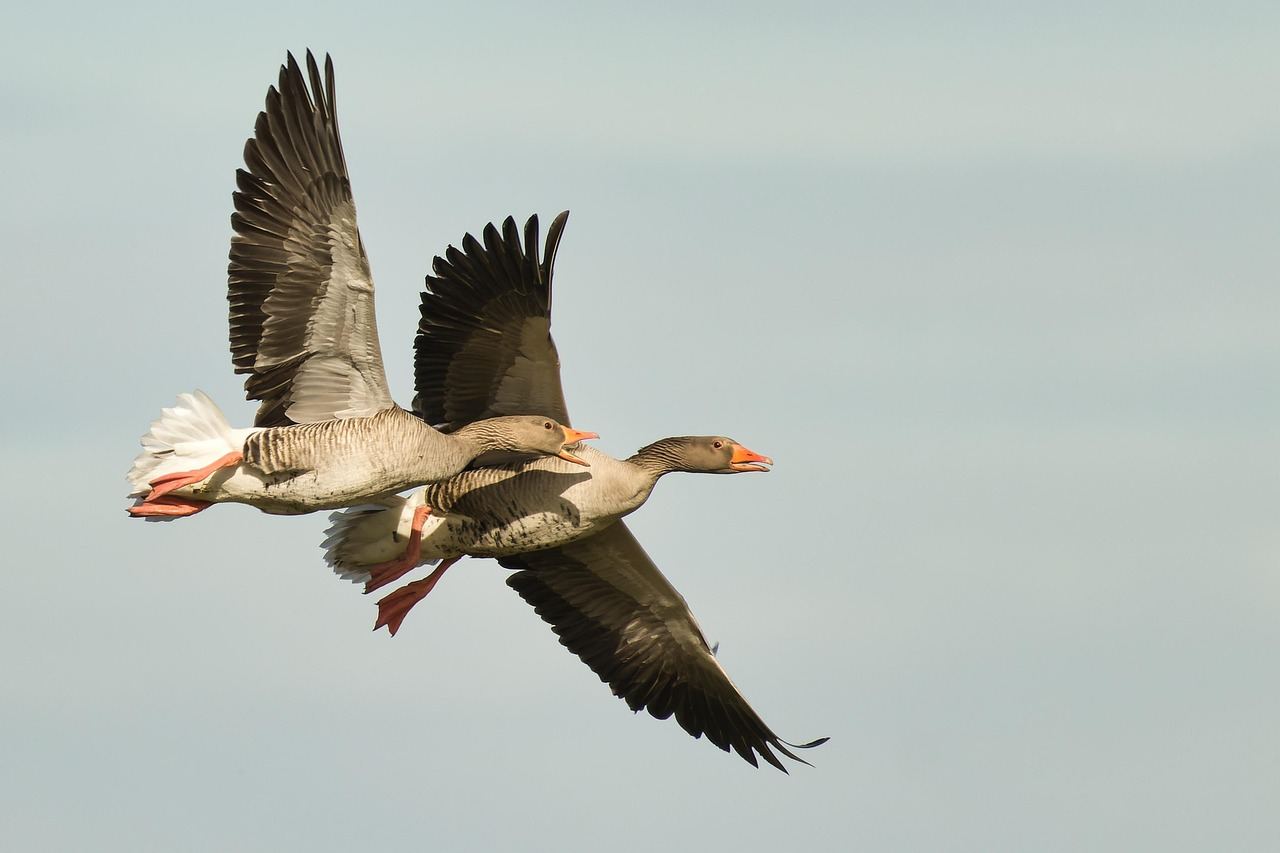
Wildlife conservation isn't just for animal lovers — your office skills can make a difference, and local volunteer opportunities abound.
Getting started with wildlife conservation volunteering as a beginner involves engaging in hands-on work that protects animals and ecosystems—often done unpaid through a nonprofit or research program.
You join existing field teams, follow scientific protocols, and contribute real data or labor.
Unlike wildlife tourism or animal shelters, the work directly shapes conservation outcomes – not just visitor experience.
Wildlife conservation volunteering involves hands-on tasks like cleaning animal enclosures, preparing food for various species, conducting behavioral observations, and participating in habitat restoration activities, such as removing invasive plants and planting native trees, all while working directly with wildlife in natural settings.
This hobby fosters immersion in flow states through unpredictable fieldwork and hands-on activities, while providing immediate feedback from tangible contributions to conservation efforts, which enhances feelings of competence, accomplishment, and social belonging in team-driven environments.
You think this is for people who already love animals and have two weeks free in Kenya. That's the assumption – that wildlife conservation volunteering is a niche lifestyle choice for gap-year students and retired biology teachers. It's not. And that framing is costing you.
The rarest skill here isn't wildlife knowledge – it's consistent, patient observation. Most programs train you on species identification in days. What they can't give you is the habit of slowing down and noticing.
Conservation work pulls in data analysts, photographers, fence-builders, and water system monitors. The "wildlife" part is the context, not always the job. Your existing skills probably fit somewhere you haven't considered.
You also don't need a passport or a sabbatical to start. Short local commitments are everywhere.
A volunteer with a spreadsheet background joined a rewilding project in rural Scotland expecting to feel out of place. She spent most of her time cleaning and structuring five years of mammal tracking data that researchers couldn't use.
That data directly influenced where the project released its first group of beavers. She never touched one.
Slow down. Show up. Bring whatever you already know. The entry point is closer and cheaper than the Kenya framing ever suggested.
What that first commitment actually costs – in time, money, and preparation – is more specific than you'd expect.
Watching a documentary about wildlife conservation feels urgent and cinematic. Your first session feels like orientation paperwork and a briefing about not wearing insect repellent near amphibian habitats. That gap is real — and the first few weeks are about crossing it.
Most of what catches beginners off guard isn't the difficulty — it's the texture. Mud. A clipboard. An hour of transect walks before you spot anything recordable. The surprise isn't that it's hard; it's that it's so specific and procedural before it's ever exciting. You'll spend real time on data entry standards, grid references, and the difference between presence/absence recording and abundance recording — details that feel administrative until you realise a single confused entry corrupts the dataset you came to build.
By the third or fourth session, something shifts. You stop reaching for the species guide on every sighting. You start moving through a transect with a rhythm instead of a checklist. That's not mastery — it's the point where the protocols stop being obstacles and start being tools. When a coordinator trusts you with your own survey section, it's unglamorous. It also matters more than anything from week one.
Conservation monitoring works because the dataset is long. You're one honest entry in it — and that only holds if you showed up and recorded correctly. The next section covers the mistakes that quietly undermine that, usually before volunteers realise they're making them.
When to start: Morning
Duration: 2 hours
Cost to try: $10
Success criteria: If you leave with one conservation staff contact, one project to join, and a written list of 3 volunteer tasks you observed, do session 2.
Glossy websites and baby animal photos sell spots fast — and some operators exploit that ruthlessly. Check whether the program is affiliated with IUCN, WWF, or a recognized national conservation authority before you pay a single deposit.
Two weeks feels long to you. To a wildlife population study, it's barely a data point. Pick programs that explicitly incorporate volunteers into multi-year research cycles, so your hours feed something that outlasts your visit.
You know you're helping with elephants or sea turtles, and you figure you'll learn on-site — but orientation eats the first two days and you spend the rest catching up. Before you land, read one peer-reviewed paper on your target species' current conservation status so you understand why the tasks exist, not just what they are.
Data entry feels like admin until you realize a misfiled GPS coordinate corrupts an entire transect's worth of movement data. Ask your field coordinator on day one how the data you're collecting connects to a specific research output — it changes how carefully you handle every form.
Conservation programs don't need warm bodies — they need people whose existing skills solve a real deficit. Audit the program's listed needs against something you already do well — veterinary background, photography, GIS experience, native language fluency — and apply only to programs that list that skill as a priority, not a bonus.
Wildlife conservation volunteering happens in the field — national parks, nature reserves, coastal habitats, urban green spaces, and privately managed wildlife corridors. Almost none of it is desk work.
Start with VolunteerMatch.org — search "wildlife conservation volunteer" plus your state and it pulls verified listings from land trusts, wildlife rehabilitators, and conservation NGOs. From there, go directly to The Nature Conservancy's volunteer portal (nature.org/volunteer) or Wildlife Conservation Society (wcs.org) — both list active field programs by region.
Three more places worth hitting:
When you show up for the first time, say: "I'm new — I want to learn the protocols before I work independently." That phrase signals you won't contaminate data or disturb habitat out of overconfidence. It usually gets you paired with an experienced monitor instead of handed a clipboard and left alone.
Not all wildlife conservation volunteering looks the same. Each variant puts you in a different environment, with different skills required and different people around you.
Field research support puts you alongside scientists — tagging animals, collecting data, running transects through the bush. It's more rigorous than general conservation work, and the learning curve is real if you have zero biology background.
Best for people with some science training, or serious curiosity and a willingness to follow exact protocols. Some research expeditions run $2,000–$4,000+ for two weeks — higher than most other variants.
Habitat restoration is the boots-in-the-mud version: planting native species, removing invasives, rebuilding degraded ecosystems. It's physical, unglamorous, and often the most immediately impactful work on any reserve.
No specialist knowledge needed. Most local land trusts run weekend programs for free — making this the easiest entry point for beginners.
Marine conservation means surveying coral, tracking sea turtles, and monitoring fish populations — either from a boat or underwater. Anything below the surface requires an open-water dive certification; boat-based roles don't.
Best for people who already dive, or who are planning to get certified anyway and want a reason to use it immediately.
Wildlife sanctuary volunteering means working with rescued, injured, or orphaned animals in a facility — feeding, enclosure maintenance, behavioral observation. The hands-on contact is often more limited than the brochure implies, and that's intentional — it's for the animals' welfare, not a marketing oversight.
Best for people who want structure and a consistent daily routine rather than expedition-style fieldwork.
Community-based conservation puts you alongside local people — supporting sustainable livelihoods, running education programs, helping communities benefit from wildlife rather than conflict with it. This is the variant most conservation volunteers never consider, which is exactly why the roles are less competitive.
Best for people with backgrounds in education, social work, or international development.
Readers who enjoy this often gravitate toward Zoo Volunteering next.
Some of the same instincts show up in Community Volunteering — worth a look if this clicked.
If this resonates, Reading to the Elderly explores a similar direction.
Most beginners obsess over animal identification — every species name, every field mark, every Latin binomial. That knowledge has real value.
Behavioral pattern recognition is what actually separates volunteers who contribute usable data from volunteers whose notes sit in a folder nobody opens. That means watching a mongoose freeze and knowing — before it moves — whether that's predator response, territorial signaling, or thermoregulation.
Researchers don't need more people who can name a bird. They need people who can log behavioral data that reveals population stress, breeding activity, or habitat disruption — the signals camera traps miss entirely. Once you can do that, you become the volunteer coordinators actively request back.
Without it.
Your notes read like a shopping list.
Your field hours don't compound.
Build this skill and every observation session starts generating data that outlasts you — logged, cited, and actually used in research that shapes conservation decisions.
Before each session, pick one species and read one published ethogram — a behavioral catalog — for it. Many are free via Google Scholar or university wildlife department pages.
During observations, log the trigger and duration alongside the behavior — not just the action. "Animal fled, 4 seconds, after vehicle passed at 40m" is usable data. "Animal fled" is a diary entry.
Review your notes with your site supervisor weekly. Ask specifically: "Which of my behavioral logs made it into the dataset, and which didn't?" That gap is your actual curriculum. The next section covers the field contexts where this skill matters most.
Most people don't need more information about this. They need to find out whether they'll still care after the novelty wears off.
Commit to 4 sessions over 30 days — roughly once a week. That's enough time to get past the excitement of the first session and the awkwardness of the second, and see what's actually left.
Wildlife conservation work has a rhythm. Four sessions gets you into that rhythm without requiring you to overhaul your life to test it.
You're already planning the next one before this one ends. That's the signal — the work itself is pulling you, not the idea of the work. Start looking at longer commitments: local wildlife trusts, structured volunteer programmes, or a placement abroad.
You showed up, it was fine, but you haven't thought about it since. This usually means the format wasn't right, not the cause. Try a different type of project — habitat restoration instead of animal monitoring, or vice versa — before writing it off entirely.
You were watching the clock and relieved when it ended. That's a clean answer, not a character flaw. It doesn't mean you don't care about wildlife — it means this particular way of engaging with it isn't yours.
You're not volunteering yet, but you keep reading field reports, following ranger accounts, or getting unreasonably interested in population data for a species you've never seen in person. That low-level pull before you've even started is more reliable than any post-session enthusiasm.
Physical access is a real barrier, not a minor inconvenience. Most fieldwork involves uneven terrain, early starts, and extended time outdoors in variable weather. If mobility limitations make that genuinely difficult, remote or data-based conservation work is a different track entirely.
An unpredictable schedule makes you a coordination burden, not just a less consistent volunteer. Conservation projects rely on showing up to the same slot reliably. If your week-to-week availability shifts too much, the work suffers for it.
Wildlife recovery runs on timescales of years — sometimes decades — with almost no visible feedback in between. If sustained effort with slow results genuinely drains you rather than grounds you, this will frustrate you more than it fulfils you.
If none of those apply and you're still in, look for local wildlife trusts, structured volunteer programmes, and overseas placements that prioritise conservation outcomes over volunteer experience.
Wildlife Conservation Volunteering is a deeper commitment than most boredom cures — for lighter options, check things to do when bored.
Wildlife conservation volunteering includes habitat restoration, wildlife monitoring, research assistance, anti-poaching patrols, species rehabilitation, and community education programs. Opportunities range from working in national parks and sanctuaries to field research stations, with roles tailored to both beginner and experienced volunteers depending on the organization and location.
Most wildlife conservation volunteer programs accept people with no experience and provide on-site training. Some specialized roles like wildlife rehabilitation or research may require specific certifications or background, but many entry-level positions only need physical fitness, enthusiasm, and a commitment to conservation.
Volunteer commitments vary widely, from short-term programs lasting 1–4 weeks to long-term placements of 3–12 months or more. Many organizations offer flexible scheduling, so you can choose a duration that fits your availability and conservation goals.
Costs depend on the program and location, ranging from free local opportunities to $1,000–$5,000+ for international placements that include accommodation and meals. Many volunteers cover their own travel and living expenses, though some organizations offer stipends or subsidized housing.
Days typically involve fieldwork such as wildlife tracking, data collection, habitat maintenance, or animal care—often starting early in the morning and lasting 6–8 hours. Work conditions vary by location and season, from hiking through forests to working in research labs or rehabilitation centers.
Most programs require moderate fitness due to fieldwork that may involve hiking, climbing, or extended outdoor exposure in varying weather. Specific demands depend on the project; conservation organizations will outline physical requirements upfront so you can select suitable volunteer roles.