BoredomBusted — Find Your Next Favorite Thing To Do
Discover hobbies, activities, places, and ideas that spark joy. Whether you're looking for something creative, active, social, or relaxing, BoredomBusted helps you find your next favorite thing to do.
Browse our hobby guides, things-to-do collections, and place ideas to never be bored again.
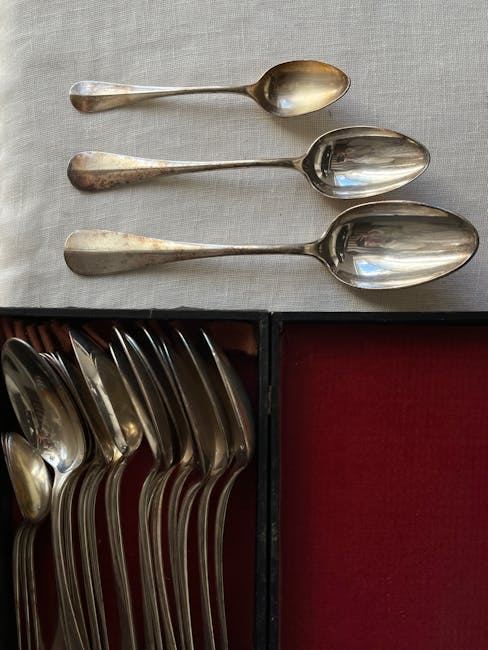
Think spoon collecting is outdated? It's actually a gateway to material history and affordable, rare finds waiting at estate sales, if you know where to look.
Getting started with spoon collecting as a beginner opens up a world of historical and cultural treasures waiting to be discovered. Hunting happens at antique markets, estate sales, and online auctions.
Once acquired, they're cataloged by origin, era, or maker's mark.
Unlike general silverware collection, these spoons are treasured as artifacts. Each spoon serves as a souvenir, a craft piece, or a travel record.
In spoon collecting, enthusiasts research various spoon types and themes, hunt for unique specimens in stores or online, acquire spoons, and maintain custom displays or collections, often focusing on categories like souvenir or vintage pieces.
Spoon collecting alleviates boredom by providing a thrill through the hunt for unique items, a sense of accomplishment from building a collection, and social belonging through community engagement, all while fostering creativity in display and repurposing.
You think spoon collecting is something your grandmother did. Dusty curio cabinet, novelty tourist spoons from Branson, Missouri – a hobby for people with nowhere to be.
Spoon collecting dives into history and craftsmanship, revealing stories that everyday knick-knacks never could.
A collector in Vermont began with 18th-century American coin silver spoons. He discovered pieces stamped by regional silversmiths, leading to an archive on four generations of a Massachusetts family.
He wasn't hunting kitsch. He was documenting cultural history with $30 finds that offered tales of silversmith families.
The real question is whether you're ready to explore the depth of this hobby. If you are, you're about to discover stories that few collectors ever get to untangle.
Sorting through a flea market tray of spoons might look easy from the outside, like someone else swooping in with quick decisions. Not so for the first-timer. You'll find yourself holding a single spoon for what feels like ages, diving into online searches, and still have no clue if it's worth two dollars or twenty.
Expect to feel a mix of excitement and overwhelm. The thrill of the hunt is palpable, yet the hallmarks will leave your head spinning. At first, every spoon seems identical, and the concept of a 'souvenir spoon' feels mysterious and elusive.
As you persist, your perspectives shift. You'll find that the souvenirs once indistinguishable are now bursting with unique stories. The spoon you almost dismissed becomes the subject of intense research, often more fascinating than the expensive piece you were initially drawn to.
American souvenir spoons from the 1890s–1910s are common and usually not rare. Sellers might price them as if they're treasures, but you're better off leaving those behind.
When to start: Morning
Duration: 1 hour
Cost to try: $0
Success criteria: If you finished without losing interest, do session 2.
Tourist shops are tempting with their racks of souvenir spoons, but that's not how you start a genuine collection.
Choose an actual category, like sterling silver demitasse or commemorative railroad spoons, and buy a quality piece first. Avoid scattering your attention across cheap tokens.
New collectors get hooked on the bowl design, but the real treasure lies on the back.
Study the maker's mark before buying. Take photos and check resources like Replacements Ltd. to confirm its authenticity.
Using silver polish on silver plate destroys it. You need to identify whether it's sterling or plated first.
Use a jeweler's loupe to examine the metal. Polish sterling, but leave plated items alone or consult a professional.
Spoons get scratched in a drawer, damaging their value.
Use individual anti-tarnish sleeves for each spoon. It protects them better than any display rack.
Some flatware patterns have rare pieces that are hard to find.
Before committing to a full set, research what's available. On platforms like Replacements, confirm whether all pieces can realistically be collected.
Spoon collecting is all about where you find the spoons. Visit antique shops, explore markets, and hit estate sales.
Introduce yourself to dealers and say what you're into. Collectors love to share insider tips, from avoiding overpriced dealers to spotting unique marks.
Souvenir spoons link to places or events and are mass-produced. They are found cheaply at thrift stores and antique malls.Perfect for beginners, offering low stakes and a natural collecting path.
Sterling silver spoons feature makers' marks from different eras. Authentication is crucial due to the presence of fakes.Ideal for researchers who don't mind spending $30–$200+ on special pieces.
Demitasse spoons are tiny, crafted for espresso cups. Their artistry makes them standout pieces for small displays.Great for apartment dwellers with a focus on quality over quantity.
Enamel and pictorial spoons boast hand-painted designs. Originating often from Russia or Scandinavia, they demand perfect condition.For collectors drawn to art over history.
Antique serving spoons are large and diverse. Their everyday utility means they are undervalued yet varied in design.Best for those wanting true antiques without top-tier competition.
A close neighbor worth considering: Collecting Items.
Modern Coin Collecting is a sibling pursuit and often surfaces the same kind of curiosity.
Reading provenance from physical evidence is the skill that separates collectors who improve from those who stagnate.
Knowing a spoon's origin and age by its physical traits, not by the seller's description, is crucial. Beginners often focus on listings and quantity. But real growth happens when you examine the spoon itself.
This practice teaches your eyes and hands to detect details that can't be faked. Patterns of wear that match the claimed era, thinning consistent with real use, naturally aged enamel crackle — these are the clues.
When you understand provenance by examining the spoon, you start finding true bargains.You avoid overpaying for fakes and uncover treasures others miss.
Pick one spoon type, like demitasse or souvenir. Look at every example on an auction site for a month without buying. This pattern builds recognition without emotional buying. Handle a confirmed piece to map out wear patterns and compare these with new finds. Next, try it on your collection and see what emerges.
Six spoons over thirty days. Each from a different place: an antique shop, estate sale, online auction, flea market, thrift store, and junk drawer. Spread out, not a binge from one source.
Spoon collecting isn't just buying; it's the thrill of the hunt.
Can't stop wondering about the next spoon even before you finish with the current one? That constant curiosity is a collector's mindset. Dive in deeper by documenting why each piece fascinates you.
Completed the sessions but felt indifferent? The spoons aren't clicking for you, but the environments might. Explore similar hobbies like antique hunting or thrifting to see if that's your fit.
Couldn't shake the sense it was a chore? This isn't your scene. It's not about persuading yourself otherwise; some activities are better admired from afar.
The clear sign you've caught the bug: you notice the silverware pattern on a friend's table without trying to. It's that subconscious pull that gives it away.
When you don't want to commit, things to do when bored is a better starting point.
You can start with vintage or thrift store spoons for just a few dollars each, making it affordable to begin. As you develop your taste, you can invest in antique or artisanal pieces ranging from $10 to several hundred dollars depending on rarity, material, and craftsmanship.
Popular categories include souvenir spoons from specific regions or events, vintage silver or sterling pieces, handcrafted artisanal spoons, and antique collectibles with historical significance. Many collectors focus on a specific era, material, or geographic origin to build a cohesive collection.
Look for hallmarks, maker's marks, or stamps indicating the material (silver, gold, pewter) and origin. Learning about different eras, manufacturers, and regional styles helps you identify authenticity; joining collector communities and consulting reference guides can accelerate this process.
It doesn't have to be—many collectors start with affordable thrift store finds and build gradually. Your budget determines your approach; some spend $50-100 annually on casual collecting, while serious collectors with rare pieces may invest significantly more.
Check antique shops, estate sales, flea markets, thrift stores, online marketplaces like eBay, and specialized collector websites. Local spoon collector clubs often share sourcing tips and organize swaps with other enthusiasts.
Use wall-mounted spoon racks, shadow boxes, or glass-fronted cabinets to showcase your collection while protecting it from dust. Delicate or valuable pieces should be stored carefully with acid-free tissue, away from humidity and direct sunlight to preserve their condition.