BoredomBusted — Find Your Next Favorite Thing To Do
Discover hobbies, activities, places, and ideas that spark joy. Whether you're looking for something creative, active, social, or relaxing, BoredomBusted helps you find your next favorite thing to do.
Browse our hobby guides, things-to-do collections, and place ideas to never be bored again.
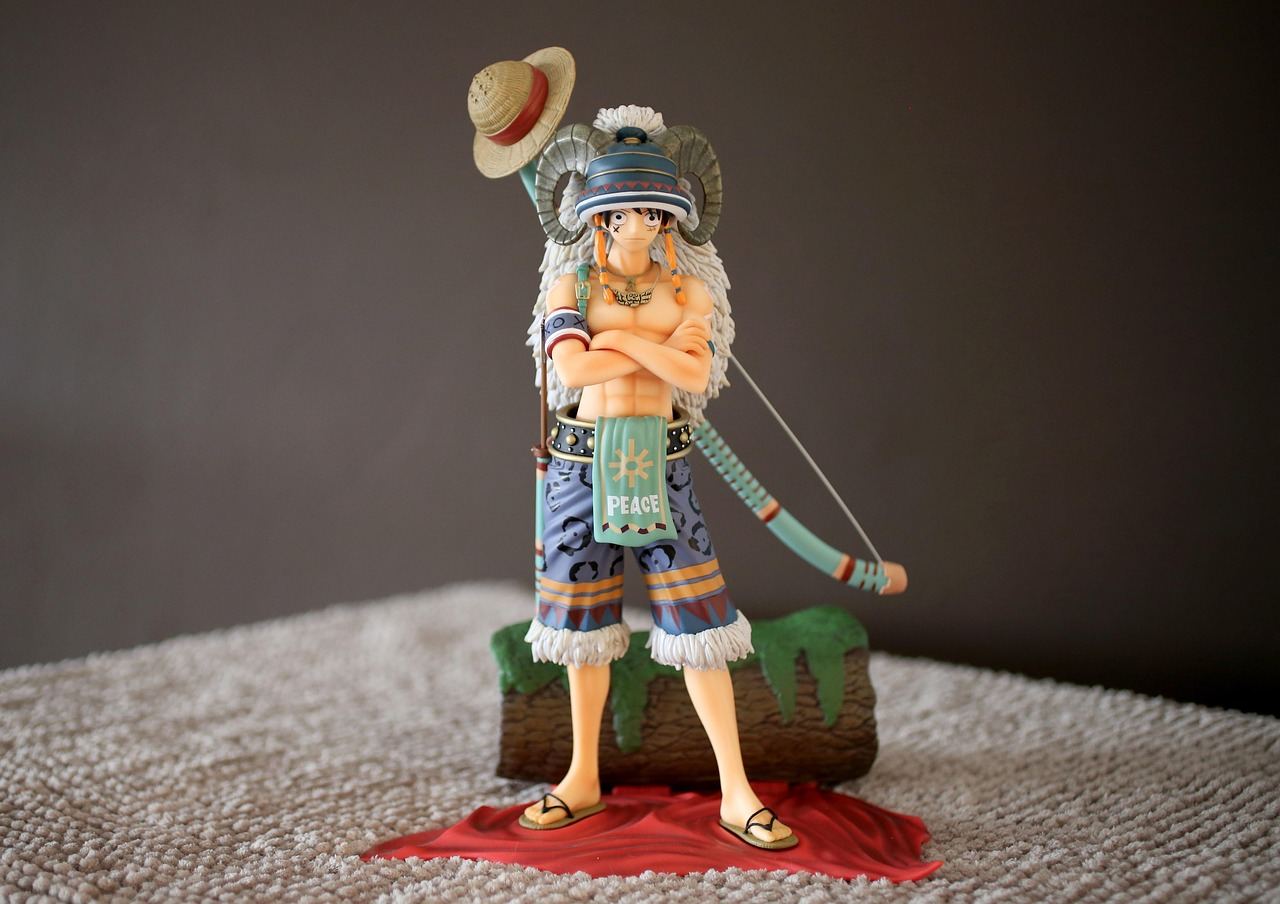
Collecting isn't mere hoarding — it's a structured journey rich with history, story, and a thriving community that most overlook.
Getting started with collecting items as a beginner can be an exciting journey, regardless of whether you choose coins, stamps, or toys. What drives this hobby is the thrill of discovery.
Careful research and curation form the backbone of collecting. The deeper you dive, the more rewarding it becomes.
Collecting items involves actively seeking out specific objects through estate sales, flea markets, and online marketplaces, meticulously organizing acquisitions, and curating displays based on themes like era or material. This practice includes researching items' historical context and market values, cataloging them for clarity, and regularly maintaining the collection through cleaning or tradin…
Collecting items creates a flow state through focused research and organization, fostering skill feedback loops that provide a sense of accomplishment with each acquisition. The novelty of sourcing unique items keeps engagement high, while social belonging arises from sharing expertise and showcasing curated collections, fulfilling both competitive and creative urges.
Imagine collecting is all about clutter.That's not its real shape. It is a deeply personal and enriching experience, not a quest for more things.
Every piece is a doorway to a narrative or a connection to one's journey.Collecting gives objects a significance beyond their material worth.
People assume collectors are loners, but that's far from true.
Connections. Shared insights. A vibrant social network. Collectors thrive in communities, engaging in forums and local clubs that foster unity and support.
This makes collecting a surprisingly social hobby.
Diving into collecting can feel like chaos at first. So many items beckon, leaving you wondering where to start. You might stand at a flea market, eyes darting, unsure what deserves your attention.
Each piece is a puzzle begging for answers. Is it valuable? Authentic? Diving into its history, you face a steep learning curve. But finding out how everything fits is the real excitement.
Expect to misjudge at times. Overpaying or choosing poorly happens to all. But each mistake teaches you something new, slowly building up your confidence and sharp intuition.
When to start: Morning
Duration: 1 hour
Cost to try: $0
Success criteria: If you can identify 5 target items and record one real marketplace price and one seller note for each, do session 2.
Many beginners get overwhelmed by trying to collect multiple categories of items. This scattershot approach leads to a shallow understanding of each type.
Focus on one category to start. You'll gain deeper expertise and avoid spreading yourself too thin.
Condition is critical, yet beginners often ignore it. Rarity isn't just about how few exist—it's also about how pristine they are.
Inspect items carefully. Focus on quality to ensure you're getting true value.
Rushing to buy without research often results in purchasing fakes or overpaying.
Educate yourself about your focus. Understand its history and current trends to make informed decisions.
Not documenting your collection leads to chaos and future hassles.
Keep detailed records. Include provenance, purchase price, and condition for better management and valuation.
Collectors can find their tribe both online and offline. Local clubs often host meetings and swaps, providing a space to share and learn.
Online, forums and social media groups connect collectors worldwide, offering advice, trade opportunities, and camaraderie. Platforms like Reddit and Facebook have vibrant communities where enthusiasts converge.
Stamped images present different cultures across eras. Detail-oriented collectors find enjoyment here, as each stamp tells a unique cultural story.
Coins blend historical significance with physical appeal. Enthusiasts of tactile and artistic currency find their interests piqued by numismatics.
Toys offer a playful glimpse into childhood. Collectors with a nostalgic streak find joy in curating beloved memories from days gone by.
Ancient Coin Collecting lives in the same world — different mechanics, similar appeal.
Readers who enjoy this often gravitate toward Genealogy next.
Successful collecting hinges on one thing: observation.
Develop a sharp eye for detail. Expand your curiosity for information.
Combined, these skills uncover value others miss.
You're not just acquiring objects. You're piecing together their stories and placing them in a broader context.
Over 30 days, have three focused sessions. Set a budget, pick a category, and immerse yourself.
If you're eager to research and plan the next session before finishing the current one, you're in. This enthusiasm means you're ready to keep track of your finds. Start upgrading your collection tools and consider joining a community.
If it felt more like a chore, that's valuable feedback. Test the waters by narrowing your focus—like hunting for a specific series or era—before deciding. Some people need a higher level of specialization to feel engaged.
If you disliked the process entirely, don't force yourself. Collecting often appeals more in theory than practice. Find another hobby that aligns with your interests.
The one sign you shouldn't ignore is checking eBay for deals in your category at odd hours without anyone prompting you.
Looking for something lighter? Our boredom-busters guide is built for exactly that.
You can collect almost anything—coins, stamps, vinyl records, action figures, trading cards, vintage books, memorabilia, and more. Choose something you're genuinely interested in, as passion drives a successful collection. The key is picking a category that excites you and fits your budget.
Collecting can be affordable or expensive depending on what you choose. You can begin with common, inexpensive items for $20–$50, or invest more if targeting rare pieces. Most collectors start small and expand their budget as they learn and develop their focus.
Research is essential—check auction sites, collector forums, price guides, and specialist dealers to understand market values. Condition, rarity, age, and demand all affect an item's worth. As you learn your category, you'll develop an eye for spotting valuable pieces.
Yes, collecting is perfect for beginners of any age because you set your own pace and budget. It teaches research, patience, and organizational skills while building knowledge in your chosen area. Anyone can start today with just one item and grow from there.
This varies widely—some collectors see results in weeks, others take months or years to assemble a notable collection. The timeline depends on your budget, how often you hunt for pieces, and how selective you are. Consistency matters more than speed in building a rewarding collection.
Sources include online marketplaces (eBay, specialized collector sites), local antique shops, estate sales, thrift stores, and collector conventions. Building relationships with dealers and other collectors also opens doors to rare finds. Each source has different prices and availability.