BoredomBusted — Find Your Next Favorite Thing To Do
Discover hobbies, activities, places, and ideas that spark joy. Whether you're looking for something creative, active, social, or relaxing, BoredomBusted helps you find your next favorite thing to do.
Browse our hobby guides, things-to-do collections, and place ideas to never be bored again.
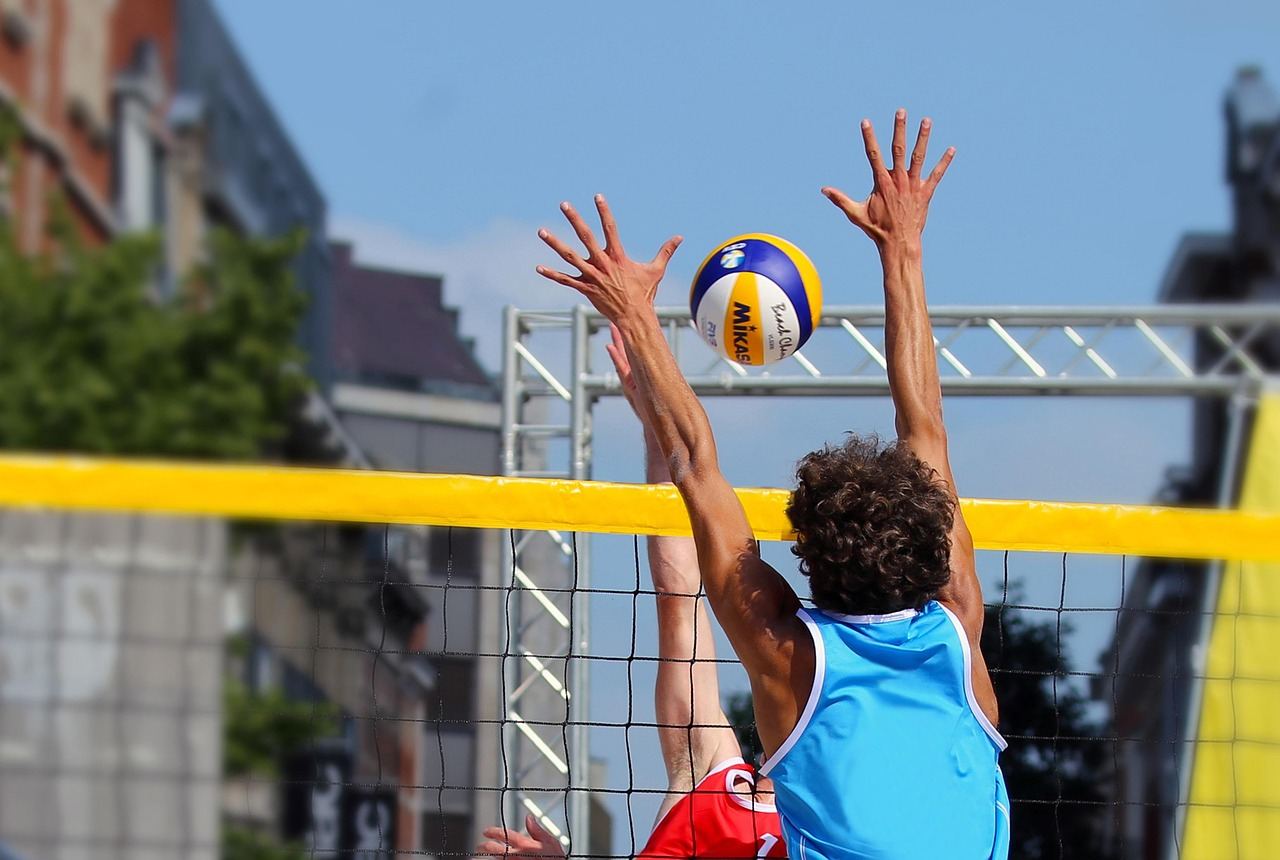
Beach volleyball isn't just a fun summer pastime; the sand's resistance exposes flaws in technique that even the fittest players struggle to master.
Getting started with beach volleyball as a beginner is an exciting way to enjoy the sun and sand while honing your skills in a fun, team-oriented environment. Beach volleyball is a two-on-two (or casual three-on-three) net sport played on sand, where teams volley a ball back and forth trying to ground it on the opponent's side.
The sand changes everything – it slows movement, kills your knees less, and forces total-body effort that indoor volleyball simply doesn't demand.
In beach volleyball, players engage in repetitive skill drills like passing, setting, and attacking, while also performing agility and conditioning exercises on sand. They practice defensive techniques such as digging and simulate game scenarios through competitive play, rotating roles in both practice and match settings.
Engaging in beach volleyball fosters a flow state through its combination of skill development and competitive gameplay, providing immediate feedback on performance and enhancing social connection with teammates.
You think beach volleyball is a summer fling. Something you pick up for a weekend trip and forget by Tuesday – a sport that's basically just vibes and sunscreen.
That assumption is costing you a genuinely deep hobby.
A recreational player who moves indoors to beach typically gets humbled in the first session. Not because they're unfit – because the sand exposes every shortcut their footwork was quietly taking.
You're already wondering if you need to be athletic to start. The answer is more direct than you'd expect.
Beach volleyball looks like a dance from the sidelines. Effortless digs, no-look sets, kills that barely clip the line. Then you actually step onto the sand. Your legs feel twice as heavy and the ball seems to have its own agenda.
Your calves are burning by the third rally. Serves drift wide. Sand isn't soft when you dive into it. The physical surprise isn't the athleticism — it's the unprepared physics.
Most first passes are shanked. By week two, some start going in the right direction — serves still find the net, but something is shifting. Week three, one rally flows cleanly and you finally feel what the game is supposed to feel like. That one rally is enough to keep most people coming back.
The thing beginners don't expect: not calling the ball causes more collisions than poor technique. Say "mine" early and loud. Collisions in sand hurt, and they happen when no one speaks up. The awkwardness fades once you stop letting the chaos catch you off guard — and the next section is about the mistakes that keep people stuck in it longer than necessary.
When to start: Morning
Duration: 1 hour
Cost to try: $0
Success criteria: If you can join a game, complete 3 clean serves and 3 controlled passes, and have one rally last 4 touches, do session 2.
Sand slows you down, tempting players to reach out and muscle the ball.
Rotate your entire torso toward the target, keeping your platform locked in place. Let your legs push you through the sand for power.
Indoor players grip hard out of habit. On the beach, that gets you called for a double-contact.
Wide hand contact with fully relaxed fingers is what keeps strict beach refs off your back. Think soft and wide, not firm and cupped.
Everything feels fine until a serve flies way out, leaving you puzzled.
Toss sand at head height to see where it drifts. Adjust your serve toss and deep shots by a body-width.
Partners hesitate, both go, or neither does — the sun isn't to blame.
Call early and loud while the ball is still rising, so your partner has time to respond. A late call is the same as no call.
A fist looks powerful but gives you almost no steering on loose sand.
Keep your hands flat with thumbs parallel and use your forearms to direct the ball. Drop your hips low and let the platform do the work.
Beach volleyball happens at two kinds of places. The first is a public beach with permanent or seasonal nets. The second is an indoor sand court facility — yes, those exist, and they run year-round leagues.
When you show up, say: "I'm new — do you have an open net or a rec game I can jump into?" That one sentence signals you're not expecting to be carried, and it usually gets you placed with patient players.
Two players per side, full court – this is the Olympic format and what most people picture.
Every player touches every ball, so there's nowhere to hide and everything to learn fast. Best for anyone serious about real improvement.
Same sand, same vibe – but split across more players, so the court feels less brutal.
This is the friendliest entry point if you're not ready to cover half a court alone. Best for casual groups and first-timers.
Six-a-side volleyball played on sand using indoor rules – bigger rosters, more rotation, less pressure per player.
It borrows the structure of indoor leagues but keeps the barefoot, outdoor feel. The lowest-friction way for indoor players to make the switch.
Played on grass instead of sand – slower ball movement, different footing, and significantly easier on your joints.
The trade-off is inconsistent bounce, which makes reading the ball harder in a different way. Best for players without beach access or anyone who finds sand dives genuinely miserable.
No hands – you play volleyball using only your feet, chest, and head.
The skill ceiling is steep, but watching someone execute a bicycle-kick set is reason enough to try it once. Best for soccer players curious what happens when both obsessions collide.
Obstacle Course Racing lives in the same world — different mechanics, similar appeal.
If you want a related angle, Dragon Boat Racing is the natural next stop.
If the texture of this appeals to you, Street Basketball is built on similar bones.
Beginners chase power — harder serves, faster swings, bigger hits. The real gap isn't there. The players who improve fastest are reading the sand before the ball ever leaves their opponent's hands.
Platform angle tracking means watching your opponent's body position — their hip rotation, shoulder drop, arm load — to predict trend. Not the ball. The body.
Most players react when the ball moves.
Average players react when the ball is in the air.
Elite players have already moved before the contact happens.
Every step in sand costs more than it would on a hard court. Getting caught behind the play doesn't just hurt your pass — it drains you across the full match. Inconsistent passes usually trace back to one thing: arriving late and compensating with your arms instead of your whole body.
Reading angles early lets you arrive early. And arriving early means better platform position, wider defensive range, and real energy left in the third set. The drills in the next section are built entirely around training this one habit.
Six sessions over a month and a half, about one a week, gives you time to push past the tough forearm days and hit a real rally.
If you're already thinking about the next session before this one ends, you're beyond just enjoying it. Find a regular group and make it a weekly habit.
If you're indifferent, it likely means you weren't challenged enough or weren't with the right people. Give it another month with a structured beginner group before writing it off.
If watching the clock and dreading each serve was your experience, that's a clean signal. High-energy, chaotic team environments aren't for everyone, and that's your answer.
The sign that it's working: you're watching full matches on YouTube at midnight, not for scores but for footwork. If you're analyzing how a setter reacts under pressure during lunch, you've already caught the bug.
When you don't want to commit, things to do when bored is a better starting point.
You'll need a volleyball, a net, and appropriate footwear (though many players go barefoot). A basic net setup can be purchased affordably, and volleyballs are inexpensive. Most public beaches and recreation centers provide equipment, so beginners can start without any upfront investment.
No prior experience is required—beach volleyball welcomes players of all skill levels. The sand forgiving nature and smaller team sizes (typically 2v2 or 4v4) make it more accessible than indoor volleyball. Most casual games are flexible about rules and focused on fun rather than strict competition.
A casual match usually lasts 20–45 minutes depending on skill level and scoring format. Recreational games are often played to 15 or 21 points with a two-point winning margin, making sessions short enough for drop-in play. Competitive tournaments may run longer, but social beach volleyball is designed for quick, engaging games.
Beach volleyball uses smaller teams (2–4 per side vs. 6), softer sand surfaces that absorb impact, and slightly different rules that favor shorter rallies. The outdoor setting and social atmosphere create a more casual, festive vibe compared to structured indoor league play. Sand also levels the playing field for beginners since power is less advantageous than strategy and positioning.
Check local parks departments, recreation centers, and beaches for organized leagues and open play sessions. Many beaches host weekly tournaments or casual pickup games, especially in summer months. Online communities and sports apps like Meetup can help you find nearby players and court locations.
Yes, beach volleyball provides an excellent full-body workout involving jumping, sprinting, and lateral movement on unstable sand. The sport builds leg strength, core stability, and cardiovascular endurance while being low-impact on joints. However, intensity levels vary widely from casual social play to competitive tournaments, so you can control your effort.