BoredomBusted — Find Your Next Favorite Thing To Do
Discover hobbies, activities, places, and ideas that spark joy. Whether you're looking for something creative, active, social, or relaxing, BoredomBusted helps you find your next favorite thing to do.
Browse our hobby guides, things-to-do collections, and place ideas to never be bored again.
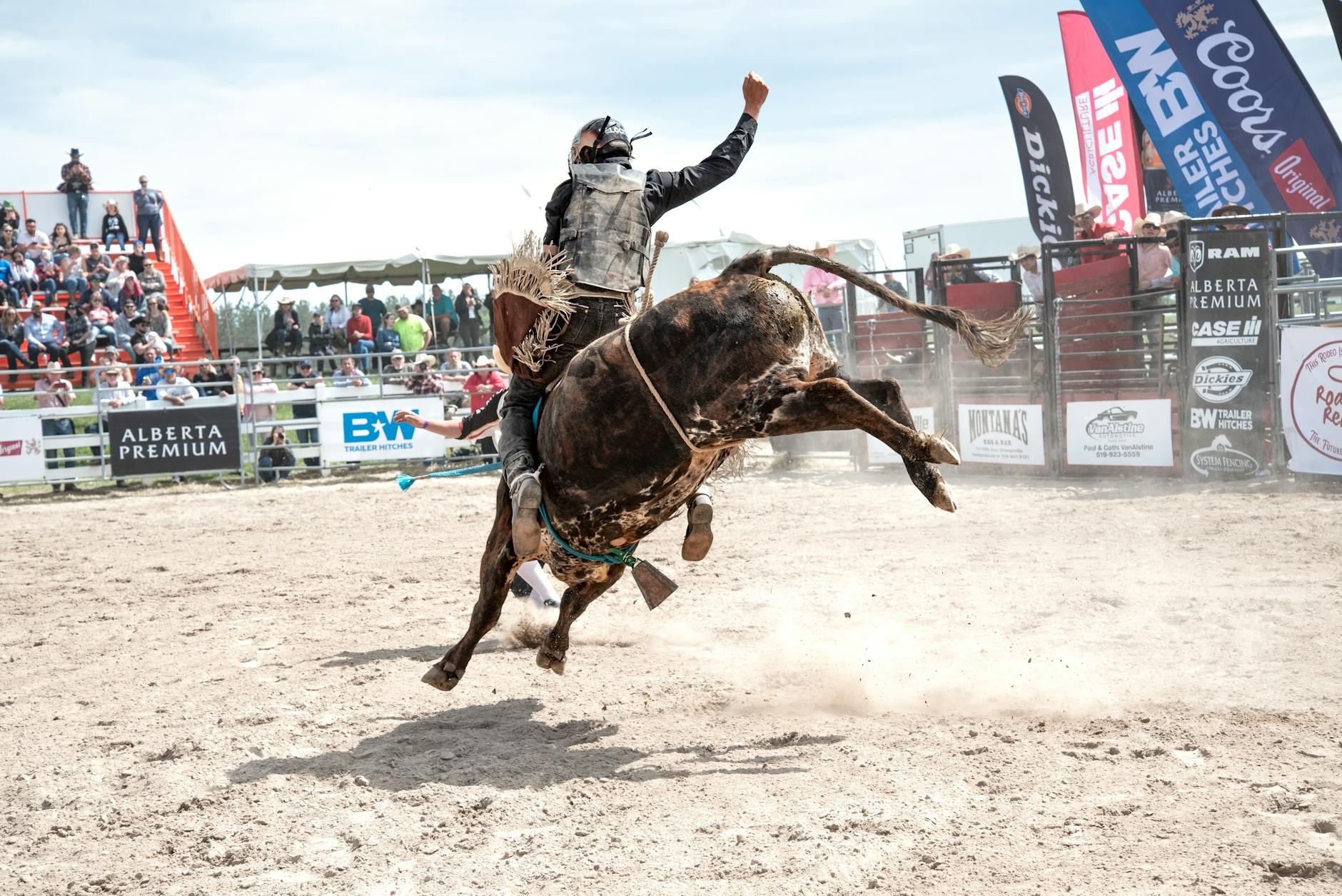
Bull riding isn't about clinging on for dear life—it's about fluidly moving with the bull's unpredictable patterns to stay on for the full eight seconds.
Getting started with bull riding as a beginner can seem daunting, but it's all about mastering your grip and balance. You grip a thick rope around a two-thousand-pound bull's chest, wedge your legs tight, and nod.
Eight seconds of intense spinning, bucking, and lurching begins. The bull's sole focus is to unseat you.
Bull riding demands rapid reflexes. You read the animal's moves in milliseconds, adjust your weight, and grip tightly with one hand and your thighs.
Most riders start training on mechanical bulls. They then graduate to live stock at rodeos. A single misstep can send you flying off.
Bull riding involves rigorous off-bull physical drills and occasional live rides, focusing on core stability, grip endurance, and explosive reactions. Hobbyists perform exercises like planks, squats, and simulated riding on stability balls to prepare for the unpredictable motions of a bucking bull, culminating in infrequent live rides where they must maintain balance for eight seconds using a han…
Bull riding induces a flow state through unpredictable physical challenges that require precise adjustments to the bull's chaotic movements, providing instant feedback on skill mastery and fostering a strong sense of accomplishment from each successful ride, which counters feelings of monotony and boosts confidence.
You think bull riding is about hanging on for dear life.
Picture a rider just clinging tight the whole time—meanwhile, elite bull riders are doing the opposite. They're actively adjusting their weight, shifting their seat, and using their free arm to counterbalance every wild move the bull makes.
The bull bucks through specific patterns. It challenges riders to anticipate and flow with those moves. Strength isn't the winner here—timing and feel are what keep you on.
So, how do you train for this kind of timing? The answer might surprise you.
Expect to spend more time on the ground than on the bull. You'll often fall within seconds of the gate opening. Dust fills your mouth, and your tailbone pays the price for days.
The bull feels like a living storm, unpredictable and powerful. It's not mechanical but a force that pulls your arm like it's coming off its socket.
There's a brief instant where everything clicks. Just before you're thrown, your body finds the rhythm, and you feel like you're flying rather than fighting.
Bruises cover you, but that fleeting connection is why people come back for more.
When to start: Early morning
Duration: 1.5 hours
Cost to try: $0
Success criteria: If you finished without attempting a ride, do session 2.
Jumping straight to live bulls seems thrilling but is risky. Beginners often overlook foundational training.Use stationary barrels and practice drills repeatedly to build muscle memory. This groundwork is crucial before progressing to a live bull.
Picking a bull that's beyond your skill is tempting, but it's not productive. A rodeo disaster waiting to happen.Match bulls to your experience level. Learn and improve with bulls that challenge but don't overpower you.
Improper body position throws off your balance and increases the risk of falling.Keep your chest over the bull's shoulders. Maintain a straight back, and push your knees into the bull for better stability.
Relying on poor quality gear puts you at serious risk. Beginners think it saves money, but it's actually costly.Always go for quality equipment, especially a fitted bull rope. This reduces injury risks and ensures better rides.
Safety often gets sidelined in the rush for action. You can't gamble with your well-being.Always have spotters and bullfighters. Respect the arena protocols to ride safely.
The fastest way to dive into bull riding communities is to explore Reddit's niche spaces like r/bullriding or r/PBR. These subreddits are lively hubs for fans and professionals alike.
Another step is checking fan forums on dedicated rodeo sites. This is where you'll find deep dives into technique and event reviews.
Finally, for official updates and community engagement, PBR's website (pbr.com) offers links to forums and event details.
Major events like the PBR Unleash The Beast Tour will hit cities from Sacramento to Sioux Falls.
Big highlights include the Truist Arena event in Charlotte and the PBR World Finals in Fort Worth.
If you can't make it in person, Paramount+ streams the Unleash The Beast tour live.
These bulls combine kick, jump, and spin in one spot. It's difficult to stay balanced as they constantly circle. Riders face a tough challenge
Young bulls often show strong kicks but lack spinning skills. This style is typical during their development. Some never spin and always kick
These bulls burst out immediately after the chute gate opens. Their power is evident right away. Expect a high-difficulty ride from the get-go
Bulls here jump and kick before turning sharply to one side. This variation is common and reliable for scoring.Moderate to high difficulty rides
Unique to bulls, this move involves twisting mid-air with feet kicking sideways. Expect a very high challenge
Each bull has its own style. Their bucking patterns aren't trainable but stem from their natural personality.
Finding and maintaining your seat's "dead center" is what sets skilled riders apart.
This balance point means your weight is directly over the bull's shoulders. Not forward. Not back.
Beginners often tense up and fight the bull's movements. Achieving this centered position, however, allows you to move with the bull's rhythm.
Riding transforms from a struggle into an athletic dance. The bull's power actually supports and guides you.
This hobby is for you if you: - You get a rush from activities where injury is a genuine possibility, not just theoretical - You're comfortable spending thousands of dollars on equipment, training, and entry fees with no guarantee of ROI - You prefer physical problem-solving over mental ones—figuring things out with your body rather than your brain It's probably not for you if: - You need to feel competent quickly; bull riding has a brutal learning curve where you'll eat dirt regularly for months - You have dependents relying on your income and intact spine - You're uncomfortable being part of a subculture with values that don't align with mainstream society
For ideas that take five minutes instead of five weeks, see things to do when you're bored.
You'll need a bull rope (8 inches in diameter with a handle), a protective vest, helmet, and specialized bull riding gloves. A well-fitted mouthguard and athletic cup are also essential safety gear. Most riding schools and ranches provide equipment rental options for beginners.
Most beginners can grasp fundamental techniques within 4–8 weeks of consistent training, typically 2–3 sessions per week. However, developing the balance, strength, and timing needed for an 8-second professional ride takes several months of dedicated practice and instruction.
Bull riding carries significant injury risk including falls, bruises, broken bones, and head trauma. Starting with smaller bulls, using proper protective gear, working with experienced instructors, and training at reputable facilities greatly reduce the likelihood of serious injury.
Initial costs range from $200–$500 for personal protective equipment and $50–$100 per lesson at a riding school or ranch. Many facilities offer package deals for beginners, and you can often rent equipment until you're ready to invest in your own gear.
No prior experience is required to start bull riding. However, general athletic fitness, balance, and fearlessness are beneficial. Most reputable training facilities accept complete beginners and provide instruction on proper technique from the ground up.
Recreational bull riding uses smaller, calmer bulls and focuses on fun and basic skill development, while professional rodeo requires mastery of technique, mental toughness, and competing against elite riders for prize money. Professional riders train intensively, travel constantly, and must meet strict competition standards.