BoredomBusted — Find Your Next Favorite Thing To Do
Discover hobbies, activities, places, and ideas that spark joy. Whether you're looking for something creative, active, social, or relaxing, BoredomBusted helps you find your next favorite thing to do.
Browse our hobby guides, things-to-do collections, and place ideas to never be bored again.
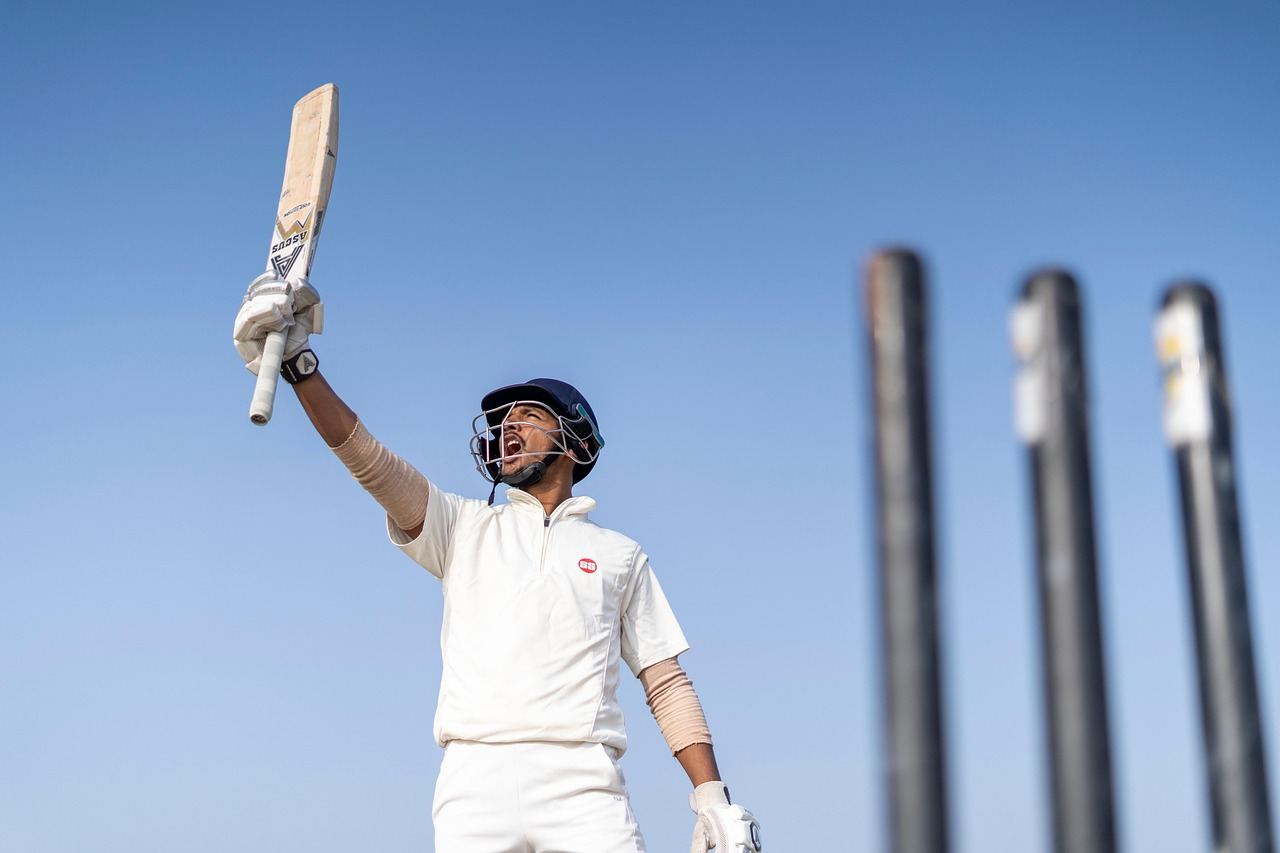
Cricket isn't just about waiting—it's like high-speed chess where players must make lightning-fast decisions under intense pressure.
Getting started with cricket as a beginner means learning to anticipate the bowler's delivery while standing ready in the field. Split-second reactions are crucial, whether you're waiting with a bat or in a fielding spot.
You sprint to catch or stop the ball. You pivot to take your turn at bat, aiming to score runs by hitting the ball and running between two wickets.Every move counts in cricket, whether in a five-day test match or a casual backyard game.
The excitement lies in reading the bowler's grip and tracking the ball's seam.Tactical decisions can shift the match, making every moment thrilling.
In cricket, players engage in repetitive drills that focus on batting, bowling, and fielding, utilizing minimal equipment like bats and tennis balls to practice skills such as hand-eye coordination, accuracy, and agility, often in informal settings alone or with small groups.
Cricket fosters a flow state through skill feedback loops, where players experience immediate rewards from successfully executed drills, maintaining focus and engagement while combating monotony with structured, gamified challenges.
Cricket is like chess played at 90 mph, where athletes must make split-second decisions.
A batter gets just 0.4 seconds to react to a ball traveling 90+ mph, reading its spin and movement while trying to execute a complex shot. Fielders dash over 100 yards, make diving catches, and reconfigure field strategies with each ball.
Matches range from 20 minutes to five days due to the sport's strategic requirements. Those stretched timelines aren't about leisure. They're about unfolding the game's intricate strategy.
You'll arrive at the field unsure of what's what. You'll be handed a bat that feels unwieldy and too long.
The ball feels fast, and you'll either miss it or tap it awkwardly. You'll feel a bit foolish jogging between wickets while everyone watches.
Your legs will ache from the standing between turns—cricket involves a lot of waiting—and the jargon like "maiden overs" and "silly mid-off" will initially make no sense.
Then it happens—you hit the ball cleanly. Feeling the bat's sweet spot makes all the standing in the field worth it.
When to start: Early morning
Duration: 1.5 hours
Cost to try: $10
Success criteria: If you can bowl 10 balls at the stumps and hit the target at least 4 times, do session 2.
Worrying about every detail clutters your mind. You freeze at the crease.
Pick one mental cue before each delivery. Focus on it, like 'Watch the ball' or 'Stay balanced.'
A tense grip limits your control and power. Movement feels awkward.
Relax your grip. Put the bottom hand at the base and top hand 2-3 inches above. Keep thumb and index "V's" aligned along the bat handle.
Trying the fancy stuff too soon leads to mistakes. Fundamentals come first.
Focus on mastering basic techniques before attempting scoops or reverse sweeps.
Neglecting your stance affects stability. Poor balance limits shots.
Stand side-on with feet shoulder-width apart. Keep knees bent, weight even, head still.
Staying rooted to one spot makes it tough to respond to varied deliveries. Timing suffers.
Practice timely foot movement. Get in position before the ball arrives.
CC-Cricket on Discord is huge for global fans. With over 4,000 members, it covers all major cricketing countries like Australia, India, and England. Expect lively chats and events.
CricInformer on Telegram is the go-to for fantasy cricket players. With 496,000 members, it's packed with Dream11 tips, stats, and analysis.
Reddit's r/WomensCricket has a dedicated but smaller crowd. With 3,000 members, it's all about women's cricket discussions.
Cricket Web's forum has over 25,000 members. Expect busy discussions and the largest cricket book review collection around.
LinkedIn's Cricket Coaches Worldwide is ideal for career-minded coaches. It hosts 6,000 members focused on coaching techniques and cricket technology.
Speak up in Discord or Reddit with this approach: 'Hi everyone! I'm new here and excited to learn more about cricket, especially [specific aspect]. Any tips for getting started?'.
On Telegram for fantasy cricket, mention this: 'New to fantasy cricket! Looking for beginner-friendly tips to improve my game selection.'
Interested in coaching? On LinkedIn, say something like: 'Hi, I'm looking to develop my cricket coaching skills.'
Cricket offers several formats, each with unique characteristics and appeal. Choose based on your interests and time.
Test Cricket spans over five days, with each team batting twice. It's the ultimate test of endurance and skill under different conditions. A red ball is used, and this format challenges even the most seasoned players.
One-Day Internationals offer 50 overs per side. This format mixes technique with the thrill of faster play, popularized from the 1980s. The ICC Cricket World Cup is played in this style every four years.
Twenty20, or T20, includes 20 overs per side and is completed in about three hours. Since its introduction in 2005, this format has attracted new fans with its exciting and explosive play.
Shorter formats like T10, The Hundred (100-Ball), and Super Sixes offer fast play with fewer overs. These variants are designed for quick matches and innovation
Social and recreational cricket takes many forms, from backyard games to beach cricket. These informal versions use simplified rules and equipment, perfect for a relaxed environment.
Some of the same instincts show up in Dodgeball — worth a look if this clicked.
If you want a related angle, Disc Golf is the natural next stop.
For something adjacent, see Croquet.
Mastering one crucial skill changes everything in cricket.
It's all about reading the bowler's release point. Train your eyes to catch the ball's arc from the bowler's hand. Don't wait for the ball to bounce. Anticipate its path.
This shifts you from defensive to attacking. Every decision becomes easier. Footwork, shot selection, and confidence all improve naturally.
This hobby is for you if you: - Can sit through 3-5 hours of a match without needing constant action or scoring - Enjoy learning arcane rules and debating interpretations of them with other fans - Like being part of a global community where your local team might play someone 6,000 miles away It's probably not for you if: - You find baseball too slow and want even less frequent action - You're unwilling to invest time understanding why a batsman blocking a ball for 20 minutes straight can be thrilling
If nothing here clicks, our guide to what to do when bored covers shorter, lower-commitment options.
Cricket is played between two teams of 11 players each, with the goal of scoring more runs than the opposing team. A batter hits a ball bowled by the opposing team's pitcher and runs between two points (wickets) to score runs, while the fielding team tries to get batters out through various methods like catching the ball or hitting the wicket. The game is divided into innings, with specific formats like Test, ODI (50 overs), and T20 (20 overs) that vary in duration.
Cricket match duration varies significantly by format: Test matches can last up to 5 days, ODIs (One Day Internationals) take about 6-8 hours, and T20 matches typically finish in 3-4 hours. For beginners, local recreational games may last 1-2 hours depending on the number of overs played.
Essential equipment includes a cricket bat, ball, protective gear (helmet, padding, gloves), and wickets. If you're just starting out, most local clubs provide shared equipment, so you may only need to purchase a bat and gloves initially. Proper footwear with good grip is also important for safety and performance.
Cricket is relatively easy to start learning but takes time to master the various skills and strategies involved. Basic batting, bowling, and fielding can be picked up within a few weeks of regular practice, though developing consistency and game sense typically requires several months of dedication.
Initial costs can range from $50-$200 for basic personal equipment like a bat, gloves, and protective gear, depending on quality. Many local clubs offer membership fees of $50-$300 annually and provide access to facilities, coaching, and shared equipment, making it an affordable sport to try.
Beginners should experiment with both batting and fielding to discover their strengths, but many find fielding positions like slip, cover, or outfield easier to start with since they require less technical skill than bowling or batting. Once comfortable with the fundamentals, you can specialize in batting, bowling, or keeping wicket based on your interests and aptitude.