BoredomBusted — Find Your Next Favorite Thing To Do
Discover hobbies, activities, places, and ideas that spark joy. Whether you're looking for something creative, active, social, or relaxing, BoredomBusted helps you find your next favorite thing to do.
Browse our hobby guides, things-to-do collections, and place ideas to never be bored again.
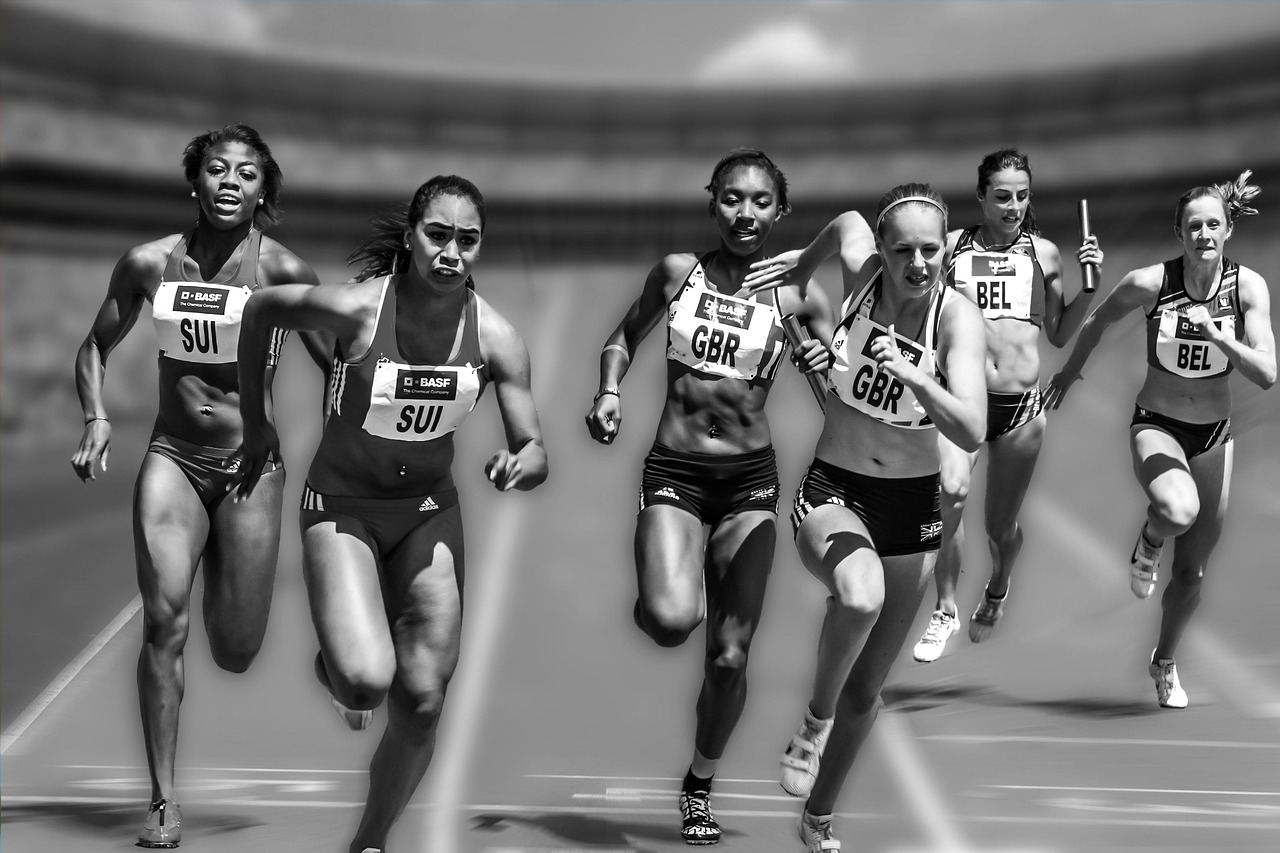
Endurance racing isn't just speed; it's a strategic game where fuel management and team coordination outweigh raw lap times and talent behind the wheel.
Learning endurance racing as a beginner focuses more on strategy and consistency than raw speed. In this thrilling sport, participants must maintain their performance over long distances, often competing in races that last several hours or even days. The emphasis is on endurance and reliability, making it a unique challenge compared to traditional motorsports.
Races run anywhere from 6 to 24 hours, with teams rotating drivers and managing fuel, tires, and mechanical stress across the distance.
What separates it from circuit racing isn't raw pace – it's the strategy, patience, and systems thinking required to keep a car alive long enough to win.
Endurance racing involves participating in long-distance running events, typically over 26.2 miles, where you manage fatigue through paced running, navigate varying terrains, and engage in specific training actions like long runs, interval workouts, and strength sessions targeting multiple muscle groups.
Endurance racing induces a flow state through rhythmic running that narrows focus to immediate sensory cues, while also providing incremental skill feedback from pace adjustments, fostering social belonging through group runs, and creating a sense of accomplishment via gradually increasing distance targets.
You think endurance racing is just driving fast for a long time. Stamina, speed, maybe a bit of pit-stop luck – that's the whole game, right?
The truth is, it's a strategic battle where success hinges more on choices than sheer pace.
Most positions are won and lost on fuel strategy and tire decisions. A driver who pushes too hard in hour two might hand the win to someone who was never faster.
Endurance racing rewards the team that makes the fewest expensive mistakes over 6, 12, or 24 hours. This means discipline, communication, and data reading matter more than bravado.
Losing 30 seconds during a driver swap can erase an hour of careful lap-banking. Something like a botched seatbelt or a cold-tire moment can be decisive.
At the 2011 Nürburgring 24 Hours, the fastest car didn't win. A slower, methodically managed Raeder Motorsport BMW outlasted the field. While three faster cars retired before midnight, it kept going.
The point is that speed is just one variable in a system most people never see.
Next up: what it actually feels like to sit in that seat for the first time – and why nothing quite prepares you for how slow the first hour feels.
Endurance racing from the outside seems all about precision and patience. But once you're in the seat, whether real or simulated, it feels more like managing chaos at every turn.
The initial session reveals a surprising gap between watching and driving. What looks choreographed from the stands becomes frantic improvisation behind the wheel. Gear shifts are erratic, braking points vanish, and the apex might as well be imaginary.
The first week will have you struggling through corners instead of mastering them. By the second week, braking starts to click, but consistency is elusive. By week three, you may manage a few clean laps and taste brief success, only to realize in week four that pushing harder reveals more you need to learn. Feeling disoriented isn't failure – it's progress beyond the point where most give up.
Entering corners too fast is a common mistake for beginners. It feels like speed, but it's deceptive. In endurance racing, slow in, fast out isn't just advice. It's a crucial technique for genuine improvement, not just clocking endless laps.
When to start: Early morning
Duration: 1 hour
Cost to try: $0
Success criteria: If you finished without needing to stop completely, do session 2.
Starting out too fast is tempting when surrounded by eager runners. But matching their pace can leave you exhausted well before the finish line.
Seed yourself in a slower wave and run the first 20% of your race at a pace that feels almost embarrassingly easy.
Hunger is a poor guide during endurance events. Waiting until you're hungry means you're already low on fuel.
Road runs are great for cardio, but don't prepare you for the unique challenges of trails. Uneven ground tests your ankles and legs differently.
Add one weekly run on uneven terrain, even if that's just a grass field or gravel path near your house.
Pushing too hard week after week seems productive, but it often leads to burnout. Recovery is just as important for progress.
Build in one full recovery week every third or fourth week – drop total volume by 40% and let the adaptation actually happen.
New gear is exciting but risky to debut in a race. Unfamiliar fit can lead to discomfort like chafing and blisters.
Every piece of kit you plan to race in should have at least two long training runs on it before the start line.
Endurance racing takes place at high-specialization venues. You'll find events on road courses, permanent circuits, and even karting tracks.
If you're unsure about what each venue offers, motorsport circuit and karting track pages have detailed information to guide you.
Introduce yourself as a new co-driver. Team captains are often eager to welcome fresh drivers, giving you a race weekend option without major costs.
You'll probably score a race slot sooner than expected.
Rally racing isn't about familiar circuits. Dirt roads, gravel, and snow keep you on your toes, guided by co-driver cues. Stages stretch across days, covering vast terrains. This is where navigation skills meet high-speed thrills.
Getting started isn't cheap: a rally-prepped car and a skilled co-driver are essentials.
24-hour races like Le Mans or Daytona involve multiple drivers sharing one car. They rotate duties throughout the night, focusing on teamwork and strategy. Perfect for those who thrive in group dynamics.
For most, club-level races are the accessible entry point.
Ultra-distance karting is endurance racing in miniature. Teams pilot karts from 6 to 24 hours on dedicated circuits. Ideal for beginners — manageable speeds, costs, and a welcoming environment for newcomers.
Adventure rallies like the Mongol Rally are more about survival than speed. Expect point-to-point journeys in budget or quirky vehicles. The chaos and unpredictability are the appeal.
Costs vary; vehicle budgets are often limited by the rules, adding to the fun.
Sim racing endurance is real strategy minus the risk. Manage fuel, tires, and swaps in a virtual setup. Learn racing tactics with minimal upfront costs.
A sim setup ranges from $300 to $800, far cheaper than real-life racing weekends.
For something adjacent, see Sprint Kayaking.
If this resonates, Inline Skating explores a similar direction.
Internal load monitoring is the game-changer. Most beginners fixate on speed, but it's more about understanding what your body is saying before it screams for mercy.
Sense the strain. It's not about heart rate zones on your watch. It's about the felt sense of effort — discerning the fine line between 'pushing hard' and 'approaching collapse.'
Internal load monitoring helps you finish races strong instead of shattered. Without this skill, every race feels like a gamble. Will it be a triumphant finish or a grueling march? You don't have to wait until exhaustion decides.
Commit to six sessions over 30 days, roughly one every five days.
Endurance racing benefits from this cadence. It's enough time to notice your aerobic base shifting, yet short enough to avoid slogging through a full training block before knowing if you care.
Six sessions let you move beyond initial discomfort. Past everything hurting and nothing clicking, into seeing what this truly feels like as your body adapts.
If that doesn't happen, you have your answer.
Imagining your first race soon after starting is a strong signal. You're checking local races, obsessing over pace stats, and find rest days frustrating. This is more than enthusiasm; it's your body craving that specific stress. Time to start a 12-week race plan.
Completing the sessions without any particular feeling suggests options. You might need a different approach, like joining a group or trying triathlons. Or, it might take four more sessions for the progress to show. Give it two more weeks before deciding.
If each session felt unbearable, that's a clear signal. This isn't the regular discomfort of intense effort; it's not wanting to be there at all. Endurance racing suits those who embrace prolonged discomfort, so if that's missing, no amount of gear or goals will change it.
Watch for the involuntary math. Finishing a run and immediately wondering if you could push a bit farther next time is the true indicator. That quiet curiosity is what endurance racing thrives on.
Looking for something different? The hobbies list is the easiest way to scan what else is on the table.
Still looking for something to do? Browse things to do when bored for more ideas.
Start with a structured training plan 12–16 weeks before the race, focusing on building aerobic base, long-distance practice sessions, and sport-specific strength. Equally important is nutrition strategy and mental conditioning—practice eating and drinking during training to replicate race conditions. Connect with experienced racers in your community for mentorship and consider hiring a coach if you're new to the sport.
Endurance races vary widely depending on the sport: ultramarathons start at 50K (31 miles) and go much longer, Ironman triathlons are 140.6 miles, and endurance cycling events can range from 100 to 200+ miles. The defining characteristic isn't a specific distance, but rather events that push participants beyond standard race formats and demand sustained effort over many hours.
Entry fees typically range from $150–$500+ depending on the race type and location, but total costs include training gear, nutrition, travel, and potentially coaching. A realistic first-year budget is $1,500–$3,000 when accounting for equipment, registration, and preparation—though you can start modestly with gear you already own.
Completion times depend on the event and your fitness level: an ultramarathon might take 8–24+ hours, an Ironman typically takes 9–17 hours, and an endurance cycling event could be anywhere from 5–12 hours. Most endurance events have cutoff times, so checking the specific race details is essential before registering.
Endurance racing prioritizes sustained performance over extended distances and time frames, where pacing, nutrition, and mental toughness matter more than raw speed. Regular races are shorter sprints where peak effort and strategy are concentrated in a brief window, whereas endurance events require managing fatigue, fueling, and psychological resilience across many hours.
Beginners can absolutely participate in endurance racing—many events welcome first-timers—but you'll need dedicated training time and realistic expectations about finishing rather than winning. Start with shorter endurance formats or sprint-distance triathlons to build fitness and mental confidence before tackling full-distance events.