BoredomBusted — Find Your Next Favorite Thing To Do
Discover hobbies, activities, places, and ideas that spark joy. Whether you're looking for something creative, active, social, or relaxing, BoredomBusted helps you find your next favorite thing to do.
Browse our hobby guides, things-to-do collections, and place ideas to never be bored again.
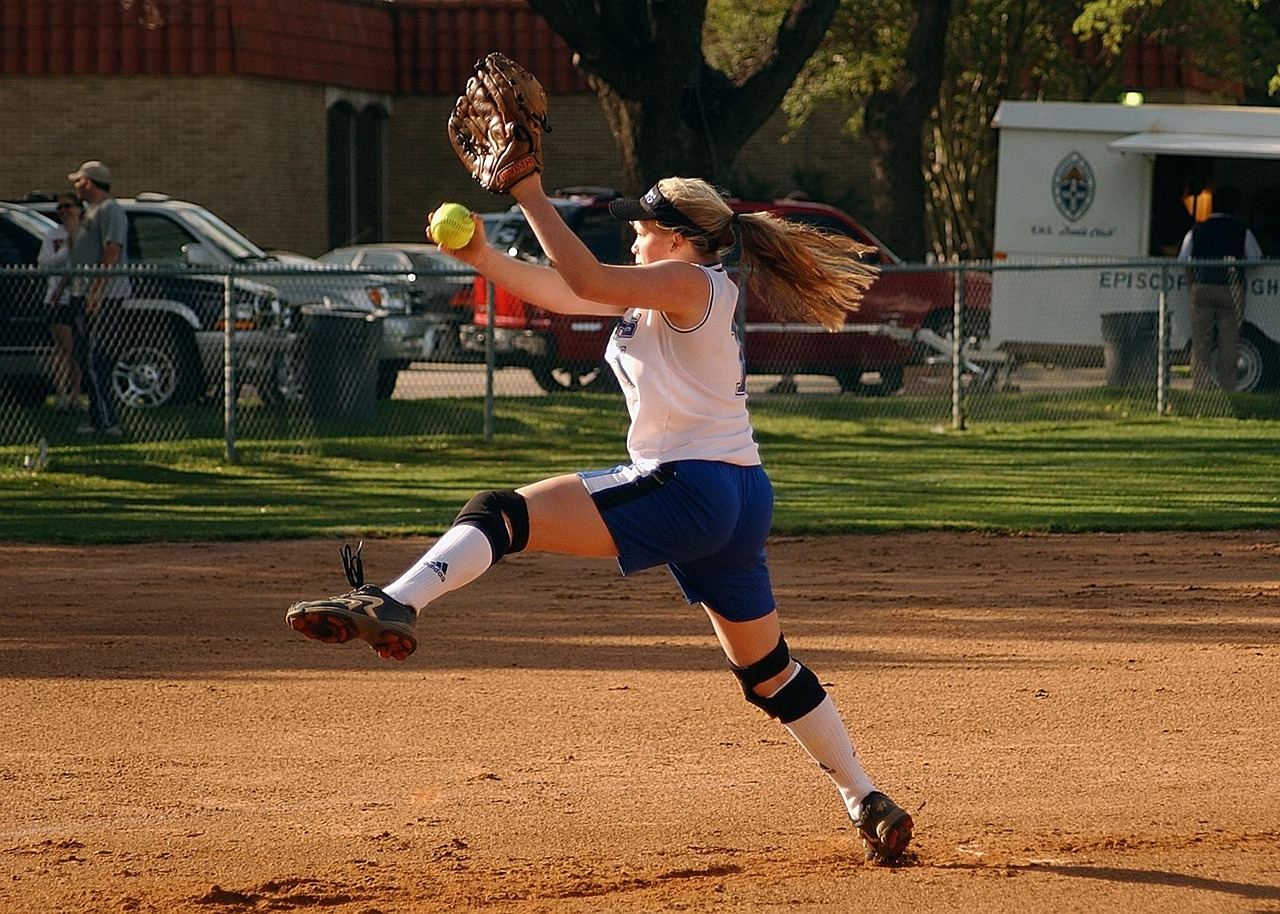
Fastpitch softball isn't just faster than slow-pitch; it's a complex sport where the mental load on pitchers and the reaction time for batters redefine the game entirely.
Getting started with fastpitch softball as a beginner introduces you to a dynamic bat-and-ball sport played on a diamond where a pitcher throws underhand at speeds up to 70+ mph – fast enough to give hitters under half a second to react.
Unlike slowpitch or baseball, the underhand delivery, smaller field, and 7-inning structure create a faster, more tactically dense game where pitching dominates almost every outcome.
In fastpitch softball, participants engage in high-speed drills that include fielding, hitting, throwing, and base running, with structured practices featuring short-hop barehand drills, three-cone fly ball tracking, and situational plays like bunt defense, all designed to simulate game conditions and enhance skills through repetitive, focused activities.
Fastpitch softball alleviates boredom by inducing a flow state through rapid skill feedback loops, where immediate error correction—such as burpees for mistakes—reinforces learning and builds competence, while the dynamic nature of the drills fosters a sense of accomplishment and social belonging among teammates.
You think fastpitch is slow-pitch with a faster throw. A casual summer league – grass stains, orange slices, Gatorade.
Those common scenes miss the core of fastpitch.
A Division I fastpitch pitcher spins a 65 mph rise ball to look like it's climbing. Baseball players, seasoned veterans, step into a fastpitch cage.
They miss for 20 minutes. Swing after swing. Not a trick. A fundamentally different skill set behind a sport you've underestimated.
Now, what about needing to be an athlete to start? The answer might surprise you.
Watching fastpitch is all speed and precision. Playing it feels like a sport on fast-forward. Everything happens too quickly to follow.
You step up feeling ready, assuming a catch-playing background will help. Then a 60mph pitch humbles you instantly. Your forearm aches and every throw feels like a surprise. You rethink how a grip works but still want more.
Early on, you miss most pitches. The awkwardness of mistimed swings makes it worse. That's expected, but it's hard to ignore. Progress is gradual.
You'll start landing your throws more accurately, but footwork lags behind. It's like trying to keep two rhythms in your head. One unexpected perfect hit changes your outlook in week three.
By week four, flinching less feels like an achievement. You're not graceful yet, but small victories matter. Fastpitch clarity comes from learning that the underhand throw rises differently. Even slow-pitch reps make a difference.
You hit a wall of frustration around week two. Swings seem wrong and nothing connects.That's the moment it shifts from trying to learning. It's the point at which most people become dedicated and embrace fastpitch as their thing.
When to start: Early morning
Duration: 1.5 hours
Cost to try: $10
Success criteria: If you complete 10 clean throws to a partner or wall and catch 10 in a row with two hands, do session 2.
Beginner hitters often grip the bat too tightly, thinking it adds power. The reality is, swinging hard isn't the same as swinging well.
Line up your door-knocking knuckles before every at-bat. This will help reset your grip tension automatically.
Stepping toward the ball feels natural, but it disrupts your power. Your hip pulls through early, killing your power to the pull side.
Practice "stride closed" drills. Plant your front foot slightly toward the pitcher, not the plate.
Fastpitch softball pitches move differently than baseball pitches. Rise balls and drop balls exploit flat-plane swings that baseball teaches, leaving you vulnerable.
Find a fastpitch-specific hitting coach before bad habits form. Even one session can make a difference.
Catching grounders with one hand isn't as easy as it appears. College players train for years with two hands before going for barehanded catches.
Train your throwing hand to meet the glove on every catch. Make it an automatic habit in practice.
Crow-hopping adds distance but isn't needed for every throw. New outfielders don't realize routine plays require only a clean shuffle step.
Practice shuffle-step throws from 60 feet. This will establish a short-distance default before opting for a crow-hop.
Fastpitch games typically happen at softball diamonds, sports complexes, and batting cages. Most towns have at least one public diamond available for leagues to book.
Tell them you're new and haven't played organized ball. This often gets you into a development division rather than a too-competitive group that can zap the fun.
Coaches hear this often and usually direct you to beginner sessions or skills clinics before games start.
Slowpitch softball features high-arcing pitches without the windmill or high-speed throws. Batters have more action, and fielders stay engaged. Ideal for those wanting a casual yet exciting game without intense pitching techniques.
Modified fastpitch uses a sling-like or slightly modified pitch. It's faster than slowpitch, bridging skill levels in mixed leagues. Perfect for leagues blending experienced and casual players without blowouts.
Play 16-inch softball without gloves. The large ball is caught bare-handed and changes the game dynamics. Great for those seeking a unique social sport grounded in Chicago history.
Youth fastpitch adapts field dimensions by age, making the game fit younger players' skills. The best start for kids aiming for a fastpitch career as it aligns with future competitive play.
Indoor fastpitch is played on turf, where pitching speed is less crucial, but reaction times are key. Ideal for maintaining skills off-season or when outdoor options are limited.
A close neighbor worth considering: Skiing.
A close neighbor worth considering: Ultimate Disc.
Most beginners focus on swing power, like a bigger arc and harder contact. But swing power isn't the main issue. Timing is.
Reading the pitcher's release point is the critical skill. Not just following the ball, but fixing your gaze on the pitcher's hand the instant the ball leaves it. This gives your brain the first clue about pitch location and speed.
Spotting the release point turns batting into reaction, not guesswork. Without this skill, you're left swinging blindly at a pitch that isn't there yet. That's why many hittable pitches are just missed and offspeed pitches leave you frozen.
Aim for 8 sessions over 30 days. Twice a week hits the sweet spot—enough to feel progress but not overwhelm.
If you're itching to get back on the field and genuinely frustrated when you can't make it, that's the real sign. It's more than fun—it's under your skin. Time to find a local league or regular hitting facility.
Feeling indifferent—where sessions blend into "meh" and don't haunt your thoughts—is usually not the sport's fault. It could be your environment. Try a new team or mix up the practice style (cage work versus live practice) for another month before deciding.
If being there felt like an obligation rather than an opportunity, that's worth acknowledging. Fastpitch demands high coordination and quick reactions. If the feedback loop felt punishing, it's likely not the hobby for you.
Watching slow-motion pitching techniques on YouTube at midnight? Or calculating if you can squeeze in open practice at the park? That low-level pull before skills have even set in is your clearest signal this hobby is a keeper.
When you don't want to commit, things to do when bored is a better starting point.
Fastpitch features pitchers throwing at speeds of 50+ mph with a windmill motion, creating a faster-paced game that requires quick reflexes and advanced skills. Slowpitch uses underhand pitching at much lower speeds, making it more recreational and easier for beginners to learn.
You'll need a fastpitch-specific glove, bat, helmet, cleats, and a catcher's gear if playing that position. Most recreational leagues provide some shared equipment, but personal glove and bat purchases typically cost $100–$400 depending on quality.
Basic skills like hitting and fielding can be developed in 4–8 weeks of consistent practice, but mastering fastpitch strategy and pitch recognition typically takes 6–12 months. Dedicated players continue improving throughout their athletic career.
Fastpitch is considered more challenging due to the windmill pitch delivery creating different spin and movement patterns than baseball, plus the smaller field compresses gameplay. Many experienced baseball players find the learning curve steep when transitioning to fastpitch.
Most programs accept players starting around age 8–10, though some recreational leagues begin at age 6 with modified fastpitch rules. Competitive travel teams typically require higher skill levels and start accepting players around age 10–12.
Recreational league registration typically ranges from $150–$400 per season, while competitive travel teams cost $1,000–$3,000+ annually including uniforms, tournaments, and coaching fees. Equipment purchases add an additional $100–$500 for beginners.