BoredomBusted — Find Your Next Favorite Thing To Do
Discover hobbies, activities, places, and ideas that spark joy. Whether you're looking for something creative, active, social, or relaxing, BoredomBusted helps you find your next favorite thing to do.
Browse our hobby guides, things-to-do collections, and place ideas to never be bored again.
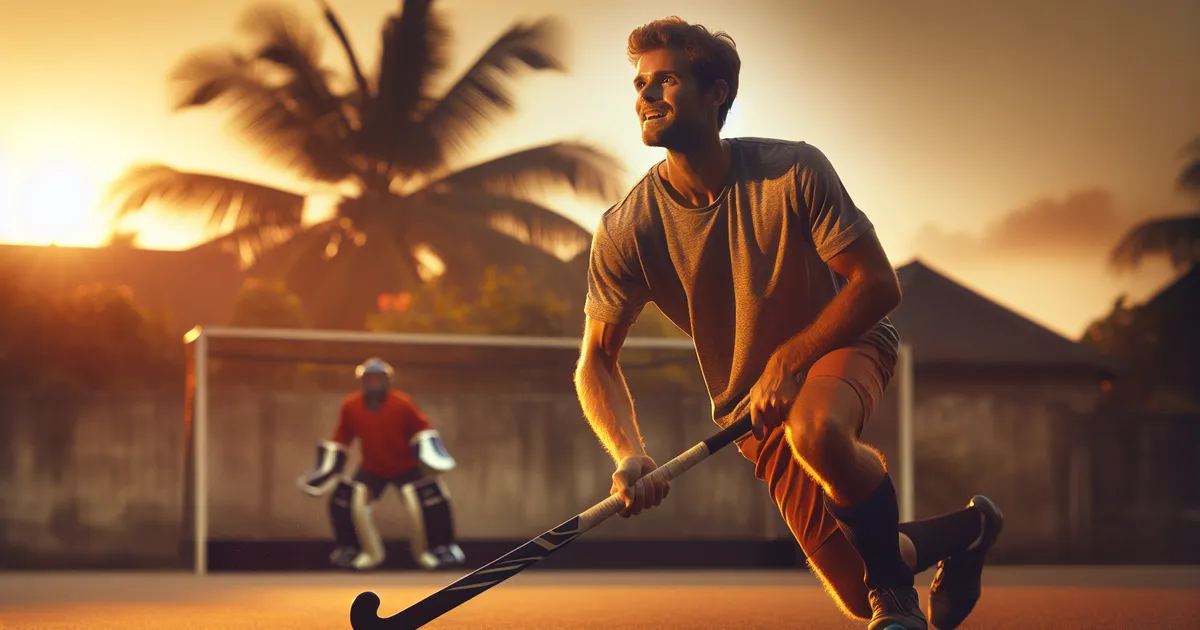
Field hockey is often dismissed as a school sport, but its adult leagues crave newcomers while the game sharpens your tactical intelligence beyond just the ball.
Getting started with field hockey as a beginner involves understanding the basic rules and techniques needed to play this dynamic team sport. Field hockey is a team sport played on grass or artificial turf, where two 11-player sides use hooked sticks to move a hard ball into the opposing goal.
Unlike ice hockey, it's played at ground level with no lifting.
The flat-faced stick and mandatory low-ball rule force precision over power – which is exactly what makes it harder than it looks.
Field hockey involves structured drills on a field, where you practice dribbling, passing, and shooting under varying conditions. Sessions include dynamic stretches, conditioning drills like Shuttle Runs, and skill work with cone patterns, requiring you to engage in quick footwork and stick maneuvers while simulating game scenarios with partners. Each practice focuses on improving agility, endura…
Field hockey combats boredom through immediate skill feedback from drills that track measurable improvements, fostering a sense of accomplishment and motivation. The high-demand tasks create flow states as you focus on quick decisions and teamwork, while partner drills build social bonds and combat isolation. The variety in mechanics allows for creative expression, enhancing engagement through fr…
Field hockey seems like a sport reserved for schoolkids. A game you passively watch while waiting for football to start.
That mindset is blinding you to one of the most tactically engaging games adults can play.
Consider the experience of a club player in her late thirties. Mastering the reverse-stick trap was her revelation. It wasn't for flair; it forced her to stop relying on sight and focus on reading the unfolding space.
That shift in thinking altered her perspective on all sports going forward.
You're aiming for something lasting, not a pastime that stagnates in a few weeks. Stay tuned for a glimpse of what a real session feels like.
Stepping onto the field with a hockey stick feels like a reality check. What seemed smooth and effortless in others, feels stiff and awkward when you're holding the stick. The ball never goes where you intend, and your back protests from bending.
Each session feels like a battle. You're relearning how to move, struggling to keep the ball in control at walking speed. It's confusing why everyone seems to naturally face the same direction.
Progress creeps in slowly. Muscle memory begins to form, and the grip starts to feel automatic. You manage short dribbles without watching the ball. The flat face rule becomes clearer, although your back still needs some adjustment.
Week four holds a glimpse of comfort in play. There'll be a moment where everything aligns, and the game feels natural. Then there's another session—right back to being humbled. It'll make sense soon. The next section covers mistakes to avoid staying stuck on the struggle bus.
When to start: Morning
Duration: 1 hour
Cost to try: $10
Success criteria: If you can dribble 10 yards, complete 10 wall passes, and hit 5 shots into a target area, do session 2.
Beginners often mimic the pros without noticing hand positions change. Dribbling, hitting, and flicking all require different grips to be effective.
Move your right hand down for hits, and slide it up for dribbling. Ignoring
these will send your shots off target.
Relying on your wrist for power feels natural because it's closer to the ball. This approach, however, lacks real force.
Generate power by rotating your back hip through contact. If your hips don't move, your arms are doing too much.
Grabbing any random stick at your club seems easy, but even a stick just a couple of inches too long can sabotage control. The top should reach your hip bone; taller sticks ruin dribbling.
Focusing solely on the ball seems smart at first, but you miss the bigger picture. When opponents close in, you'll be unaware of your teammates' positions.
Look up as the ball approaches. This preview glance helps you know where to pass next.
Breaking movement into separate steps allows defenders to surround you. This creates difficulty in offensive transitions.
Keep the ball moving as you receive. Direct it toward your next move to stay ahead of defenders.
Field hockey is played on diverse surfaces, from grass to artificial turf that goes by names like "astroturf" or "3G/4G pitches." Indoor sports halls also host games.
Sports pitches, leisure centres, and school sport facilities are the starting point. Most clubs rent these spaces by the hour.
Mention you're a beginner when you arrive. Someone will likely direct you to a beginner squad or friendly player willing to share a stick.
Indoor field hockey is played on a hard court, with boards keeping the ball in constant play. Dribbling skill is critical due to the fast pace. Ideal for players honing close control skills during winter.
You'll need a softer indoor ball and non-marking court shoes. These are affordable and easy to find.
Mini hockey features four to seven players on each side and a smaller pitch. Perfect for those who feel standard hockey involves too much waiting.
Enjoy constant action and more touches per game without the commitment of a full team.
Uni-Hockey simplifies the game with lighter sticks and a plastic ball, played often in schools. Great for learning footwork and spatial strategies with minimal cost.
No specialized gear is needed, making it accessible to new players.
Masters hockey follows standard rules but is age-banded, typically for those 35 and up. A welcoming environment for adults revisiting the sport.
Experience a supportive culture distinct from open-age club hockey.
Beach hockey is played on sand with a heavier ball, adapting the rules for the environment. Great for improving balance and stick skills on an uneven surface.
Fun for those confident with the basics and seeking a fresh challenge during the off-season.
Another variant that pulls from the same roots is Roller Hockey.
A close neighbor worth considering: Ice Hockey.
Some of the same instincts show up in Touch Rugby — worth a look if this clicked.
Most beginners obsess over hitting harder and running faster. The real lever is reading the ball off the stick – yours and everyone else's.
The skill is early body orientation. Before you receive a pass, your hips and shoulders should already be angled toward your next move – not facing the ball, but facing where the play is going.
It's the difference between receiving and continuing.
When you orient early, you're already one touch ahead of defenders reacting to the ball.
Without it, every reception resets your momentum to zero – and field hockey punishes that hesitation instantly.
Touch. Reset. Touch. Reset. That loop is why beginners feel perpetually late even when they're technically fast enough.
Commit to 8 sessions over 30 days. That means playing roughly twice a week. It's enough to see if the game gets under your skin.
You're mapping out your next match before this one's over. That's a clear signal. Look for a club team or regular pickup group because casual sessions will soon seem lacking.
You've played, and it's okay, but you're not passionate. This usually indicates the setup isn't right yet. Adjust the context—try a more competitive session or join a different group before deciding.
Dragging your feet to each session is revealing. Some activities don't align with your style or the game's community dynamic. Field hockey's mix of constant running and close skills might not gel with you. Trust that instinct.
When you find yourself watching match clips you weren't searching for, take note. If you're rewinding to watch a slap shot or penalty corner routine, that speaks volumes.
This subtle obsession with the technique is field hockey pulling you in.
Looking for something different? The hobbies list is the easiest way to scan what else is on the table.
If field hockey feels like too much to commit to right now, browse what to do when you're bored for lower-stakes ideas.
You'll need a field hockey stick, a hockey ball, shin guards, a mouthguard, and cleats or turf shoes. Many clubs and recreational programs provide equipment for beginners, so you can try the sport affordably before investing in your own gear.
Most beginners grasp the fundamentals—dribbling, passing, and basic shooting—within 4–6 weeks of regular practice. However, developing game awareness and tactical positioning takes several months of consistent play and training.
Field hockey has a moderate learning curve; stick handling feels awkward at first, but most people improve quickly with coaching. The hardest part is usually adjusting to the speed of play and decision-making during matches.
Equipment costs range from $100–$300 for a beginner setup, depending on quality. League or club memberships typically run $50–$200 per season, though many recreational programs offer lower-cost options for newcomers.
Field hockey requires good cardiovascular fitness and leg strength since you're running constantly and generating power from your lower body. You don't need to be elite at the start, but being willing to build fitness is important.
Field hockey is traditionally a fall/winter sport in most regions, but indoor field hockey leagues operate during winter months. Some areas offer spring tournaments or summer programs, giving you multiple seasons to play.