BoredomBusted — Find Your Next Favorite Thing To Do
Discover hobbies, activities, places, and ideas that spark joy. Whether you're looking for something creative, active, social, or relaxing, BoredomBusted helps you find your next favorite thing to do.
Browse our hobby guides, things-to-do collections, and place ideas to never be bored again.
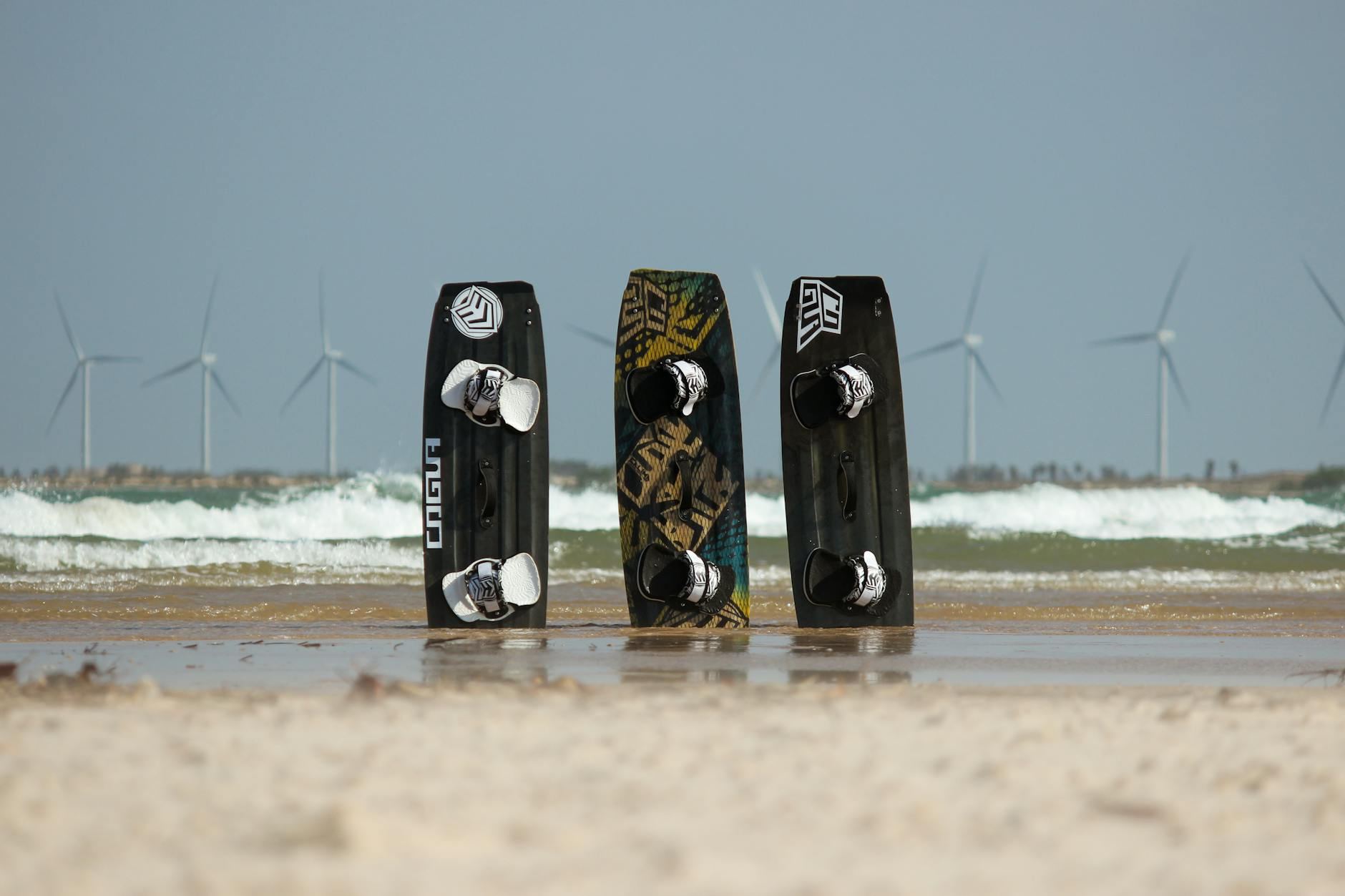
Forget the myth that kiteboarding is for the super fit — its true challenge lies in mastering techniques and reading nature's cues.
Getting started with kiteboarding as a beginner combines the thrill of surfing with the excitement of wind and water sports.
You use a large controllable kite to catch the wind's power. This lets you glide across the water on a board.
Feel the freedom as the wind propels you forward, turning any breezy day into an adventure.
Kiteboarding involves launching an inflatable kite on water, controlling it with lines attached to a harness, and using its pull to ride across the surface on a board, while balancing through shifts in body weight and steering the kite to perform maneuvers like jumps and turns.
Kiteboarding creates a flow state through its demand for constant skill adjustments in response to wind and water conditions, providing immediate feedback that fosters a sense of accomplishment and novelty, which keeps practitioners engaged and motivated to improve.
Think kiteboarding is only for the super fit or those with extreme sports experience? That physical demand is real, but technique trumps brute strength every time.
Your mind works just as hard as your body—reading the wind, understanding water conditions, and feeling your equipment's subtle cues.
Age or athletic ability isn't the barrier you think it is. If you're ready to learn and practice, kiteboarding is wide open to you.
Patience. Persistence. Passion. With the right instruction and safety gear, kiteboarding becomes not just possible, but downright exciting.
Kiteboarding for the first time feels like diving into the unknown. The harness straps feel foreign, and the control bar surprises you with how much power it holds.
Learning to balance the kite's pull with the board leads to a few tumbles. Falling is part of the process, and it's expected to feel awkward at first.
Gliding across the water, driven by the wind alone, feels incredibly freeing. That moment captures you, making the struggles worth it.
Even with the steep learning curve, catching your first gust and riding the waves helps you understand why people fall in love with this sport. Next, let's tackle the common mistakes that keep you from riding smoothly.
When to start: Early morning
Duration: 1.5 hours
Cost to try: $0
Success criteria: If you finished without getting the kite stuck in a tree, do session 2.
Beginners often forget to consider wind conditions. This leads to dangerous situations. Too strong or too light wind can be hazardous.
Always check the wind speed and direction before you head out.
It's tempting to yank hard to go faster, but this often ends in wipeouts. Steering with force instead of finesse is a common rookie mistake.
Learn to steer smoothly to keep control and avoid crashes.
Many beginners mess up the launch, leading to tangles or worse. This can easily be avoided with practice.
Practice launching on land before you even think about the water.
Forgetting to check your equipment will lead to issues in the water. A quick gear inspection could save your session.
Inspect lines, harness, and kite integrity every time.
Thinking you'll master kiteboarding quickly leads to frustration. It's a skill that demands patience.
Take your time and enjoy the learning process.
Head to beaches with consistent wind conditions for the best chance to meet other kiteboarders. These spots are magnets for the community, making it easy to chat and learn.
Kiteforum is the go-to place online. Engage with fellow enthusiasts, share your experiences, and plan meet-ups.
Join a local kiteboarding club or school for lessons, rental gear, and social gatherings. They're also where you'll find competitions and events.
Freestyle kiteboarding is all about performing daring tricks and high jumps.
Perfect for thrill-seekers who love pushing their limits.
Wave riding mixes the thrill of surfing with the control of kiteboarding.
Ideal for surfers looking for a fresh challenge.
Competitive races demand speed and precision on the water.
A perfect match for those who thrive on competition.
Foil kiteboarding lets you glide smoothly above the water line.
Even light winds won't stop you from having a blast.
If you want a related angle, Obstacle Course Racing is the natural next stop.
A close neighbor worth considering: Steeplechase.
Sprint Training is a sibling pursuit and often surfaces the same kind of curiosity.
Mastering balance is essential in kiteboarding, both physically and mentally. Physically, you must maintain stability on the board and manage the kite's power.
Mentally, it's about staying calm and focused. You need to read the wind, anticipate changes, and make quick adjustments.
Recognizing when and how to shift your weight, stance, and reactions transforms your skills.
As you develop this balance, you'll discover more freedom in your movements. This allows you to explore advanced techniques and styles.
Dedicate yourself to six kiteboarding sessions over 30 days. Aim for twice a week to balance practice with recovery.
If every session makes you feel more alive and eager to learn, you're onto something special. The next step is to log your progress and perhaps sign up for some tailored lessons.
If these sessions don't quite resonate, but you're not ready to quit, try a different location or group. Sometimes a change in environment or company can shift your enjoyment levels.
If getting to the water feels like a hassle rather than a joy, kiteboarding might not be the right fit. This can be a sign to explore other water activities that match your energy and preferences.
The undeniable sign you're hooked is researching wind patterns online late at night.
If kiteboarding sounds close but not quite right, our hobby list might surface something better suited.
Kiteboarding is a deeper commitment than most boredom cures — for lighter options, check things to do when bored.
Most beginners can master basic control and safety within 10–15 hours of instruction over 2–3 weeks, though progressing to tricks and advanced techniques takes several months of regular practice. Wind conditions and natural athleticism play a role in how quickly you progress. Professional instruction is highly recommended to accelerate learning and prevent bad habits.
You'll need a kite (12–17 square meters for beginners), a board, a harness, and a control bar. Most beginners invest $1,500–$3,000 for quality beginner gear, though you can find used equipment for less. A wetsuit and helmet are also essential for safety and comfort in various water conditions.
Kiteboarding carries real risks like falls, injuries, and being pulled by the kite, but these are manageable with proper instruction and safety gear. Starting at a designated beginner beach with a certified instructor significantly reduces accident risk. Understanding wind conditions, using safety equipment, and respecting your limits are key to practicing safely.
Kiteboarding typically requires winds of 12–25 knots (14–29 mph), with lighter winds favoring larger kites and stronger winds requiring smaller ones. Most beginners start in moderate winds of 15–18 knots on beaches known for consistent conditions. Checking local wind forecasts is essential before heading out.
Ideal beginner spots have flat water, consistent wind, few obstacles, and designated kiteboarding zones with lifeguards—think wide sandy beaches or lagoons rather than rocky coastlines. Popular beginner destinations worldwide include Cabarete (Dominican Republic), Tarifa (Spain), and Cape Hatteras (North Carolina). Research local schools, wind patterns, and safety regulations before choosing your learning location.
Kiteboarding is possible year-round in many locations, but the best seasons depend on your region's wind patterns—typically fall and winter in temperate climates, or summer in tropical areas. Water temperature and air temperature affect your comfort and safety gear needs. Checking seasonal wind forecasts for your local spot helps you plan consistent practice sessions.