BoredomBusted — Find Your Next Favorite Thing To Do
Discover hobbies, activities, places, and ideas that spark joy. Whether you're looking for something creative, active, social, or relaxing, BoredomBusted helps you find your next favorite thing to do.
Browse our hobby guides, things-to-do collections, and place ideas to never be bored again.
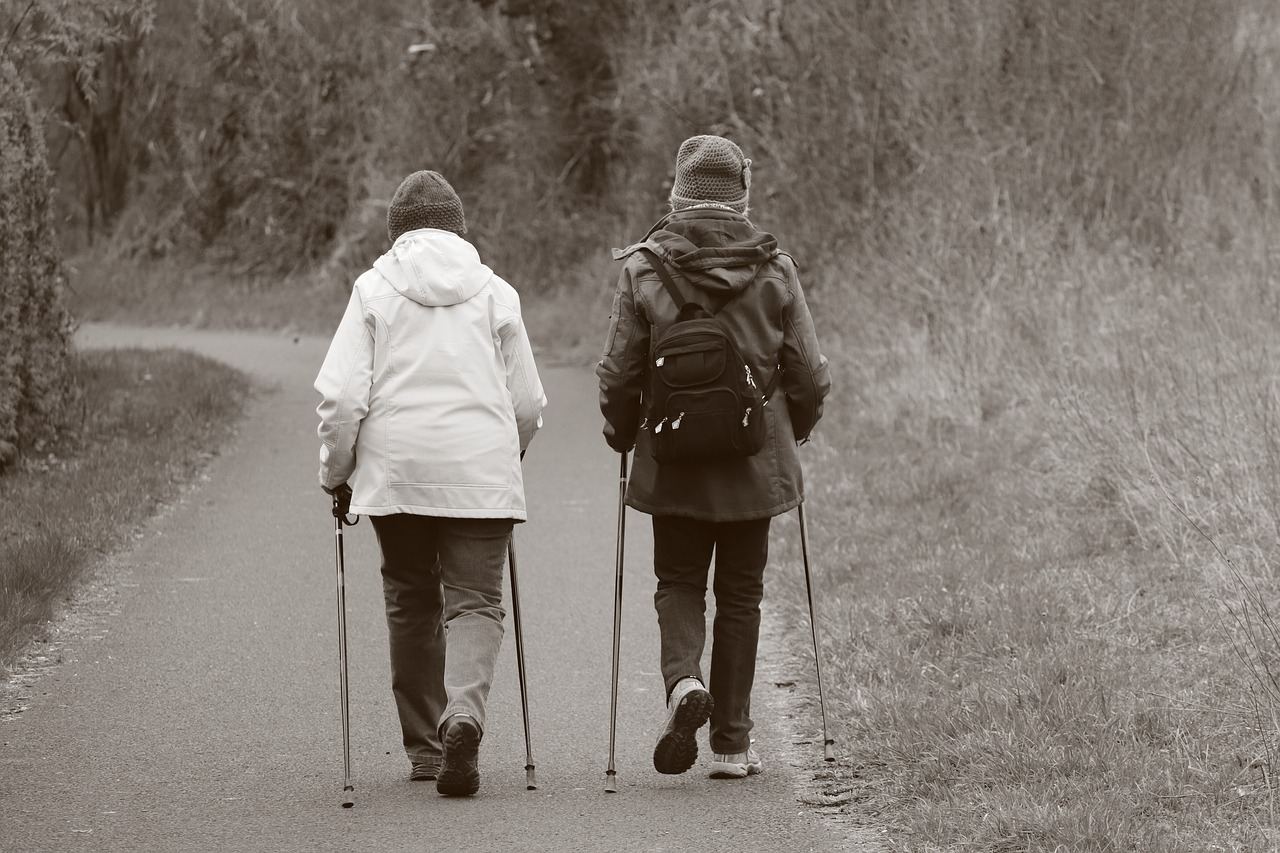
Nordic Walking isn't for seniors; it's a full-body workout that burns 20-46% more calories than regular walking and is used by athletes for active recovery.
Getting started with Nordic walking as a beginner introduces you to a full-body workout that enhances your walking experience with specially designed poles to actively engage your arms, shoulders, and core with every stride.
The poles aren't for balance – you push off them deliberately, like a ski motion on flat ground.
That's what separates it from hiking or trekking: those poles are optional supports, these are the entire point.
Nordic walking involves using specially designed poles while walking, creating a coordinated full-body movement that engages both the upper and lower body. You alternate planting the poles into the ground at a 45-degree angle as you step, using a push-and-release motion that activates your arms, chest, shoulders, back, and core while walking outdoors or indoors for 30 minutes to an hour per sessi…
Nordic walking promotes a flow state through the rhythmic coordination of movement and the engagement of multiple muscle groups, allowing you to focus entirely on the activity while immersed in nature. The combination of physical exertion and the serene outdoor environment satisfies a desire for exploration and accomplishment, making it a compelling alternative to stagnant routines.
You think Nordic Walking is for elderly people in fleece jackets, shuffling through a park.
That's the assumption. And it's almost completely wrong.
Tom Rutlin, a Nordic ski coach, brought the technique to North America in the late 1990s. It was meant to keep cross-country skiers conditioned during summer.
These athletes weren't retired. They were competitors. The poles weren't a crutch. They were the point.
Picture this: flat trail; afternoon sun; rhythmic strides. The gap between knowing and genuinely feeling this is about twenty minutes on your first session.
Using Nordic Walking poles immediately feels awkward. The arms and legs move like they have their own agendas. It's as if you're walking like a robot that's not totally sure how to be human yet.
Your coordination is off. The diagonal arm-leg pattern feels unnatural, and your brain might drop into walking mode without consulting you first.
The first week is eye-opening. Flattened terrain helps patterns start to connect, while hills or turns completely break the rhythm. By the third week, you notice you're no longer manually guiding each step. By then, you'll probably be enjoying the scenery more and coaching yourself less.
Feeling upper body fatigue is a sign that you're starting to engage, not a warning. This means you're doing it right.
Nordic Walking poles shouldn't be adjusted like trekking poles. For efficiency, your elbows should form a 90-degree angle when the tip hits the ground behind you. Too long, and they become arm decorations without pushing power.
When to start: Early morning
Duration: 1 hour
Cost to try: $10
Success criteria: If you complete a 1-hour walk with your poles set to the right height and match left pole to right foot for at least 10 straight minutes, do session 2.
Beginners often use a tight grip, like they're hiking. This ignores the design of Nordic poles.
Relax your hand on the forward swing. Let the strap do the work, allowing your arm to effectively drive the pole.
Double-planting feels stable but ruins your rhythm.
Coordinate each pole with the opposite foot. It's the same as your natural arm swing, making the movement more efficient.
Short poles might feel secure, but they cause you to hunch.
Adjust the pole so your elbow forms a 90-degree angle when touching the ground. This position keeps you upright and engages your upper body.
Many just incorporate Nordic Walking into their usual strolls, seeing no change in heart rate.
Lengthen your stride and lean forward slightly from the ankles. Push the pole past your hip to engage more muscles.
Storage caps on poles often get used on pavement, dulling their effectiveness.
Use angled rubber paws for pavement. Remove them for trails for better grip.
Nordic walking can be done on any firm surface. Paved trails suit beginners. Gravel paths, park circuits, and forest tracks become options once your pole technique is solid.
Parks, trails, and urban routes are popular starting points.
Show up and say: "I've got poles but I've never had a proper lesson – can someone watch my technique?"
You'll likely get a form correction in the first ten minutes from an experienced walker eager to help.
Best for beginners eager to start Nordic walking without venturing far from home. You walk the city streets, parks, and sidewalks using the standard pole technique. Rubber paw tips are a must to protect the poles and pavements.
This is where upper-body workouts get serious. You tackle uneven terrain and inclines, using poles for support. Ideal for avid hikers wanting an extra challenge. Regular poles are sufficient; just ensure you have sturdy footwear.
Heart rate goes up noticeably in this faster, sportier style. You'll use a longer stride and more dynamic arm movements. Perfect for those who find casual Nordic walking too easy. No need for new equipment, just change your technique.
The resistance is dramatically higher when you walk in shallow water with specialized poles. Great for those with joint issues or recovering from injuries. This variant emphasizes safety and upper-body work, but expect to spend £40–£80 more on the poles.
It's a real discipline with its own competitive scene, combining running with Nordic pole techniques. Ideal for seasoned Nordic walkers ready for the next level. This isn't just a speedy version; it demands specific skills.
Most beginners chase arm speed. They pump harder, move faster, thinking it's the secret.
The real unlock isn't effort. It's timing.
Master pole push-through by driving the pole completely behind your hip before letting go. Planting and pulling alone won't cut it.
In the last third of the push, once the pole passes your body, the power phase kicks in. This is when you engage your lats, core, and glutes.
With a full push-through, your upper body works hard. Heart rate spikes, calories burn faster.
Stride lengthens. The poles become more than just fancy sticks. Ignore this and your shoulders bear the load without any benefits.
Eight sessions over 30 days. That's about twice a week. Enough to see if the pole technique clicks for you and if you enjoy moving outdoors deliberately.
Finding constant excuses to grab the poles and head out is telling. This hobby suits those who genuinely enjoy being outside and active—not those after abstract fitness goals. Time to explore local clubs and longer trail routes.
If the eight sessions left you indifferent, that's a sign. Maybe the solo nature of the activity isn't your thing. Give a group walk a shot before making any decisions—it might change everything.
Dreading each session and feeling relief when done is your answer. Nordic walking is slow, rhythmic, and outdoors-dependent. If those elements don't click with you, then it's not the right fit.
The true indicator: you're spotting other Nordic walkers in the park and assessing their pole technique. This curiosity about form and movement suggests a genuine attraction to skill-based outdoor pursuits.
If nothing here clicks, our guide to what to do when bored covers shorter, lower-commitment options.
Nordic walking uses specially designed poles to engage your upper body, shoulders, and core while you walk, whereas regular walking only works your legs. The poles propel you forward and increase calorie burn by up to 40% compared to walking without them, making it a full-body workout.
You'll need Nordic walking poles, which are lightweight and designed to be shorter than trekking poles, plus comfortable shoes with good grip. A basic set of poles costs $30–$100, and they work on most outdoor surfaces like trails, grass, and pavement.
No, Nordic walking is low-impact and beginner-friendly—proper technique is more important than fitness level. Most people pick up the basic motion (alternating poles with opposite leg) within one session, and you can start at your own pace on flat terrain.
You'll notice improved cardiovascular endurance and muscle engagement after 3–4 weeks of regular sessions. Consistent Nordic walking strengthens your core, improves posture, and builds stamina faster than regular walking.
Nordic walking works best on trails, parks, and flat to moderately hilly terrain, though it can be adapted to most outdoor surfaces. Avoid very steep slopes or rocky terrain until you're experienced, as poles work best when they have solid ground contact.
Start with 20–30 minutes per session, 3 times a week, and gradually increase to 45–60 minutes as your fitness improves. Consistency matters more than duration, so shorter regular sessions beat occasional longer walks.