BoredomBusted — Find Your Next Favorite Thing To Do
Discover hobbies, activities, places, and ideas that spark joy. Whether you're looking for something creative, active, social, or relaxing, BoredomBusted helps you find your next favorite thing to do.
Browse our hobby guides, things-to-do collections, and place ideas to never be bored again.
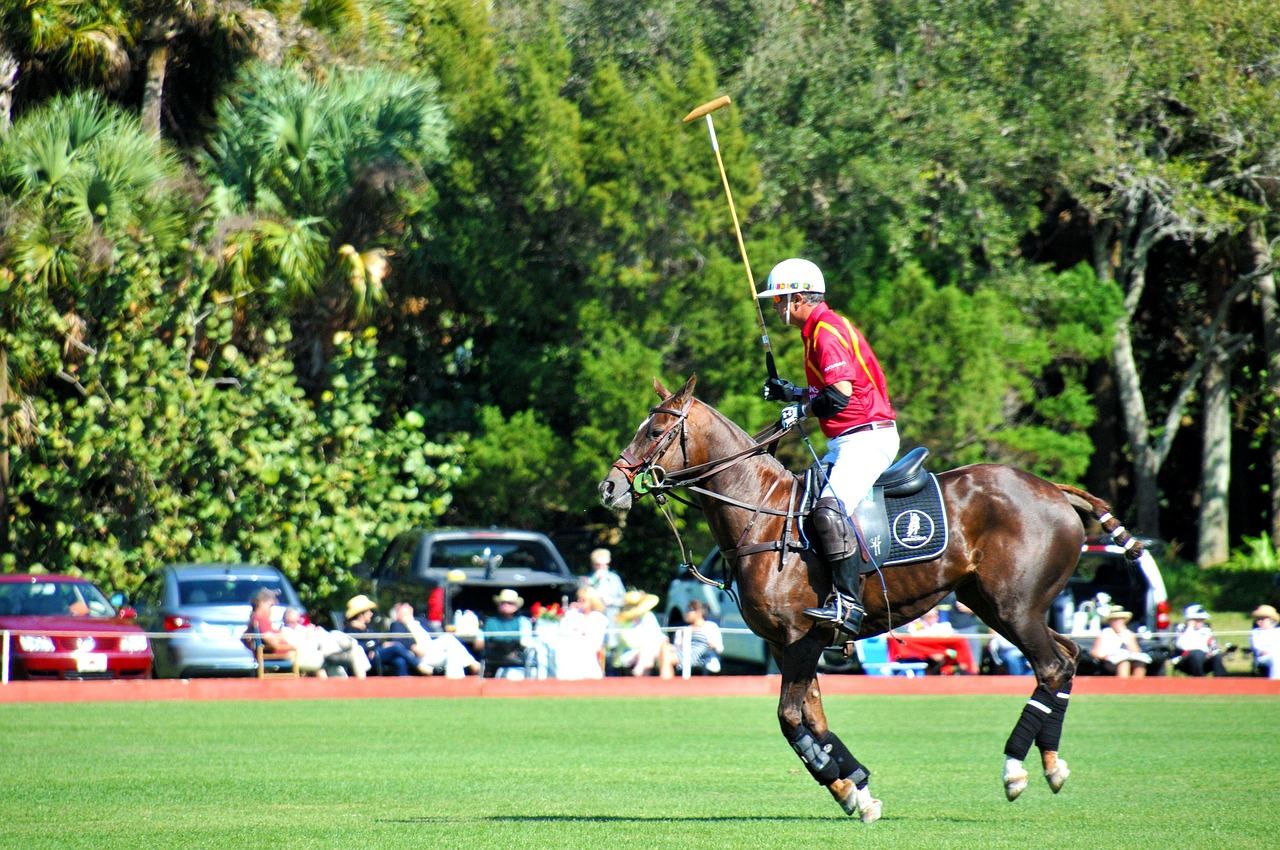
Polo's elite image is outdated — today, anyone can join the game thanks to affordable clubs and inclusive community matches worldwide.
Getting started with polo as a beginner involves understanding the basics of horseback riding and the strategy behind scoring goals with a long-handled mallet.
Elegant equestrian skills meet intense gameplay, creating a sport that's not only thrilling to watch but exhilarating to play.
In polo, participants ride horses while wielding mallets to strike a ball, engaging in solo drills like stick-and-balling to practice swings, executing riding patterns for controlling the horse, and participating in practice chukkas that simulate game scenarios with teammates.
Polo fosters a flow state through its blend of physical skill, immediate feedback, and strategic challenges, keeping the mind engaged while offering a sense of accomplishment as players refine their abilities and participate in a supportive community.
Polo is only for the elite. Because only the wealthy can afford it, right?
This idea is rooted in polo's history with royalty and the affluent, but it's no longer the case.
Polo clubs today welcome people from all walks of life. Many clubs offer affordable options for beginners. Community matches and regional tournaments are open to everyone.
One example is the Santa Clara Polo Club in Argentina. Ten years ago, they introduced a discounted beginners' program. Enrollment doubled in just two years, attracting all sorts of people.
Passion fuels the game. The prestige? It's just one small part.Polo is not just about prestige; it's about passion for the game.
Next, let's look at what you need to get started in polo and how to find your first game.
Your first session on the polo field is loud, fast, and disorienting in the best way. The horse beneath you shifts and surges as you try to track a small white ball moving across the turf. Your mallet feels awkward — too long, swinging wide of where you aimed. Your brain is doing four things at once and failing at all of them simultaneously. That's normal. It's the price of entry for a sport that demands horsemanship and hand-eye coordination at the same time.
The part most beginners don't see coming is how much the horse humbles you. You might already ride, or assume the mallet work is the hard part. It isn't. Controlling a horse while twisting to swing is a completely different skill from anything you've done in the saddle before. Stick-and-balling drills — where you practice swings at a standstill or slow trot — exist precisely because the coordination has to be built from scratch.
Early practice chukkas — the short match simulations your club runs — will feel chaotic. Teammates shout positioning cues. The ball disappears under hooves. You'll miss shots you were certain you had. Progress in polo is measured in small, specific wins: one clean strike, one correct riding pattern held under pressure. Those moments stack up slowly, but when they click, the feedback is immediate and deeply satisfying.
Most beginners find their footing somewhere between six weeks and three months in — not mastery, just fluency enough to feel the game rather than just survive it. The frustration before that point is real and worth expecting. The players who stick with polo past those first sessions are the ones who treat the chaos as the point, not a sign something is wrong. Before you get there, though, there are a few common mistakes that slow beginners down far more than they need to — and they're almost all avoidable.
When to start: 8:00 AM
Duration: 1 hour
Cost to try: $0
Success criteria: If you can dribble the ball 10 straight lengths, make 5 clean partner passes, and hit the target 3 times, do session 2.
New players want to feel the game immediately. That makes sense. But getting on a horse and joining chukkas before your swing is reliable will frustrate everyone on the field — including you. Your horse reacts to your body, and a panicked, off-balance swing throws everything off.
Spend the first weeks doing nothing but stick-and-ball drills. Hit at a walk. Then a trot. Get your mallet arc consistent before speed enters the picture. It's boring in the best possible way — and it's exactly what separates players who progress from those who plateau.
Polo beginners often focus entirely on the mallet and the ball. The horse becomes an afterthought — just something to steer. This mindset causes real problems. Your horse needs to trust your cues, and that trust only comes from time spent learning to ride properly, not just ride fast.
Put dedicated riding sessions on your schedule that have nothing to do with hitting a ball. Practice your riding patterns. Work on stops, turns, and acceleration as isolated skills. The horse is half the equation — treat it that way.
Polo has a right-of-way system, team positioning, and a pace that changes in seconds. Beginners often lock onto the ball and lose track of everything else happening on the field. You end up in the wrong place, committing fouls, and missing plays you should have been part of.
Watch as many practice chukkas as you play, especially in your first three months. Seeing the patterns from the sideline trains your eye faster than anything else. When you do play, pick one positional rule each session to focus on — right-of-way, covering your player, or supporting the attack. Build the mental game one layer at a time.
Polo gear is expensive. Mallets, helmets, knee guards, boots — costs add up fast. Beginners often buy a full kit early, only to realize their grip style changed, their mallet length was wrong, or the boots they chose don't work for their stirrup setup.
Borrow or rent everything for your first two to three months. Most clubs have loaner equipment for exactly this reason. By the time you've played a dozen sessions, you'll know exactly what you need — and you won't waste money on gear that doesn't match how you actually play.
Polo is not a solo hobby you can pick up from tutorials. The feedback loops that matter — your position on the field, your timing, your horse's response — only show up in live play with experienced players around you. Trying to self-teach from the outside keeps you stuck at the same level indefinitely.
Get embedded in your club from day one. Show up to practice chukkas even when you're not playing. Help with horses after sessions. Experienced players talk freely when you're part of the rhythm of the club — and those conversations will teach you more than any lesson plan.
Start with the United States Polo Association (USPA) club finder at uspolo.org. It lists every sanctioned club in the country, filterable by state. Most clubs host open stick-and-ball sessions and beginner clinics — these are the easiest entry points.
Online, r/polosport on Reddit is a small but active community where beginners ask gear questions and locals organize meetups. The Facebook group "Polo Players Network" is larger and more globally active — useful for finding regional contacts fast.
Practice chukkas at local polo clubs are open to new players more often than people expect. Show up on a Sunday morning — that's when most clubs run informal matches. Arena polo venues (indoor, smaller fields) tend to be more beginner-friendly than full outdoor grounds.
For international context, the Hurlingham Polo Association covers clubs across the UK. In Argentina, the Asociación Argentina de Polo lists clubs nationwide — including programs like the one at Santa Clara that specifically recruit new players.
Arena polo is played in an enclosed space with three players per team instead of four. The smaller field means fewer horses, lower costs, and faster skill development.
Most beginner programs start here. It's the fastest path into the game if you're not ready to invest in your own string of horses.
Outdoor field polo is the classic format — four players per team, a massive grass pitch, and multiple horses per player per match. The speed and scope are unlike anything in the arena version.
This is the format for players who want competition at a serious level. It demands more horsemanship, sharper strategy, and a bigger commitment of time and money.
Stick-and-balling is solo practice — riding a horse while swinging at stationary or rolling balls to groove your mallet technique. No teammates, no pressure, no scoreboard.
Every polo player spends serious time doing this, regardless of experience level. If you love deliberate, focused skill-building, this part of the sport will hook you fast.
Practice chukkas are scrimmage-style sessions that mimic real game scenarios with teammates. They're lower stakes than a formal match but close enough to test your positioning, communication, and decision-making.
This is where the social side of polo really comes alive. Clubs run these sessions regularly, and they're where most beginners start to feel like actual polo players.
Polo horsemanship is its own discipline. The riding patterns used to control your horse mid-play — sharp turns, sudden stops, precise positioning — take real time to master. Some people are drawn to polo primarily for this challenge.
If you already ride and want a goal that pushes your equestrian skills to another level, polo gives you that. The mallet work is secondary — the horse control is the real test.
Airsoft is a sibling pursuit and often surfaces the same kind of curiosity.
For something adjacent, see Australian Rules Football.
If the texture of this appeals to you, Football is built on similar bones.
The skill that separates improving polo players from those who stall is learning to think through the horse, not just on top of it.
Most beginners focus entirely on the mallet. They practice their swing, they track the ball, they think about angles. But the horse is doing half the work — and if you're not communicating clearly through your seat, legs, and hands, the swing doesn't matter. The ball goes nowhere useful.
Players who improve fast are the ones who stop treating riding and hitting as two separate problems. They practice stick-and-balling not just to groove their swing, but to feel how the horse shifts under them mid-stride. They ride patterns not as a warm-up, but as the actual skill. Over time, controlling the horse becomes instinct. That's when real gameplay opens up.
The next section gets into what your first few sessions actually look like — and how to start building exactly that connection from day one.
Do 4 sessions over 6 weeks — two beginner lessons on horseback and two stick-and-ball practice sessions. That's enough real contact with the sport to get an honest read.
You'll know it clicked when the mallet swing stops feeling awkward and starts feeling like a puzzle you want to solve. That pull toward the technical challenge — the footwork, the horse control, the timing — is the real signal. Start looking for a club with a structured beginner program and ask about practice chukkas. That's where the sport opens up.
Indifference after four sessions usually means you haven't hit the part of polo that hooks people — the live game. Request to participate in a low-stakes practice chukka before writing it off. The dynamic of reading a play, coordinating with teammates, and actually chasing a ball on horseback is a different experience entirely from drills.
That's useful information. If the horse felt like an obstacle rather than part of the experience, the sport itself may not be the mismatch — the animal component is. Consider sports that scratch the same strategic and team-based itch without the equestrian element — arena polo on foot exists, or field hockey delivers similar fast-paced tactical play.
If you catch yourself reading about mallet grips or watching match footage at midnight after your first session, polo has already got you. That kind of unsolicited curiosity doesn't lie.
When you don't want to commit, things to do when bored is a better starting point.
No, many clubs offer horse rentals for beginners and even seasoned players.
While polo involves risks like any sport, proper safety gear and training mitigate them.
Polo requires good fitness, coordination, and balance, but beginners can start at their own pace.
A typical polo match lasts about 1.5 to 2 hours, divided into six periods called chukkas.
Yes, many clubs offer junior programs to teach kids the basics in a safe environment.