BoredomBusted — Find Your Next Favorite Thing To Do
Discover hobbies, activities, places, and ideas that spark joy. Whether you're looking for something creative, active, social, or relaxing, BoredomBusted helps you find your next favorite thing to do.
Browse our hobby guides, things-to-do collections, and place ideas to never be bored again.
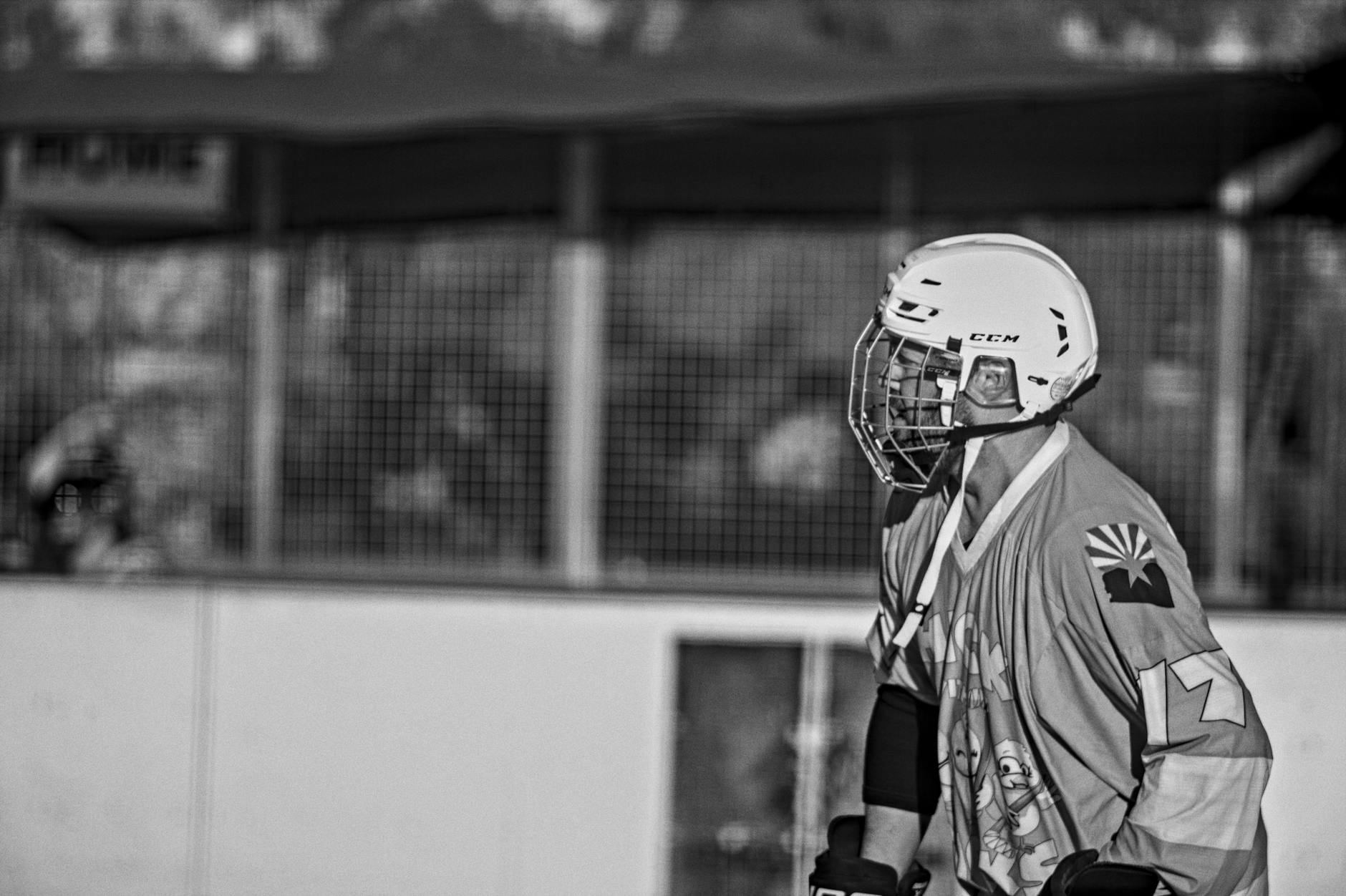
Roller hockey isn’t just exercise — it's a game of instant feedback that keeps you in a flow state while mastering puck control and shooting skills.
You strap on quad skates, grip a stick, and chase a puck across a smooth court. Roller hockey is stopping hard on one skate, passing crisp tape-to-tape, and shooting low for the corners — all while keeping your balance on eight wheels.
Games move faster than ice hockey because there's no friction. Your first sessions will mostly be spent just learning to skate backward without eating the boards.
In roller hockey, participants practice on inline skates by performing skill drills that focus on puck control, shooting accuracy, and skating agility. They engage in repetitive tasks like stickhandling through cones, shooting at targets, and executing tactical maneuvers, all in a fast-paced, low-contact environment, typically outdoors.
Roller hockey induces a flow state through escalating skill challenges, providing immediate feedback on puck handling and shooting accuracy, which fosters a sense of accomplishment as proficiency improves. This combination enhances motivation and engagement, reducing feelings of boredom.
You might think roller hockey is just ice hockey with wheels instead of blades.
It's not just a change in footwear—it's a difference in demands entirely.
On inline skates, there's no coasting.
Every move needs muscle engagement and instant direction changes. These aren't skills ice players are forced to master.
The court is smaller. You're playing in a compressed space. Pure skill takes the spotlight. Stick-handling, edge work, court awareness—these matter more than size or raw speed. Skill matters, not brawn.
This makes the game accessible to athletes of any build while raising the technical ceiling.
Those first fifteen minutes are a challenge. You'll grip the boards while your ankles rebel in unexpected directions. The rink is loud, wheels grinding urgently on concrete. Everyone else seems fast, legs crossing in that distinctive stride. Meanwhile, you're just trying to figure out where your wheels want to take you.
Your legs burn and your lower back aches like no run has ever managed. Falling is inevitable—usually when you forget stopping needs more than hope, it needs skill.
Then comes the breakthrough. You finally get a few strides right. It's not just movement but rhythm—a push and glide groove. Leaning into your edges starts to feel like control, not chaos. And that's when it makes sense
why people love this. Up next, we'll tackle the common mistakes that slow progress.
When to start: Morning
Duration: 1 hour
Cost to try: $15
Success criteria: If you finished without falling more than twice, do session 2.
Falls are inevitable when you're learning to skate or play roller hockey. Always wear a helmet, knee pads, elbow pads, and wrist guards. It's better to be overly cautious than end up injured.
Many beginners lock their knees because it feels like it offers more control. Instead, keep your knees bent in a relaxed, athletic "ready" position to improve balance and responsiveness.
Beginners often want to try advanced moves immediately. Master the basics like stance, balance, stopping, and turning first to avoid frustration and improve your overall game.
Poorly fitted skates lead to discomfort and instability. Ensure your skates fit correctly—your toes should lightly touch the front without cramping—and tie them for ankle support.
It's tempting to skate wherever you find space, but choose smooth, flat, controlled environments like rinks or courts over uneven surfaces to stay safe.
Roller hockey thrives at major venues and during significant events. One such venue is the PSM Icehouse in Fort Wayne located at 3869 Ice Way, Fort Wayne, IN 46805. It hosts State Wars 22, a global roller hockey tournament from July 21 to August 3, 2026. Castle Park High School is another active location with its outdoor rink for Metro Conference matches in the Metro-Mesa League.
Universities and local leagues offer organized communities. The Eastern Collegiate Roller Hockey Association (ECRHA) features the Quinnipiac University Roller Hockey Club, reachable via clubmrollerhockey@qu.edu or Instagram @qurollerhockey_. Meanwhile, the National Collegiate Roller Hockey Association (NCRHA) is hosting the 2026 National Collegiate Roller Hockey Championships along with a free youth clinic.
For those in Maryland, the Howard County Inline Hockey League plays Sunday nights in Marriottsville. Contact A.J. Adams at aadams@howardcountymd.gov or 410-313-1689. Canadians can connect through the Canadian Roller Hockey Group via Admin@canadianrollerhockeygroup.com.
This is roller hockey played on quad skates with a hard ball. It focuses on tight stickhandling and quick turns. Full body contact is not allowed, emphasizing agility and precision. Perfect for those who love technical footwork and strategic play.
Inline skates and an ice-hockey puck take center stage here. Equipment mirrors that of ice hockey, but without body checking. Ideal if you want fast, physical play with plenty of tactical depth.
This format uses a softer ball, reducing injury risk. It's played on inline skates with standard hockey sticks, making it a staple in recreational leagues. Ideal for beginners seeking a less intense entry point.
Playing with quad skates and a hard black ball, this style emphasizes ball control and quick passing. Once the international favorite, it's perfect for those who appreciate precision and balance.
More about fun and creativity than competition, this style is played on inline skates using a ball or puck outdoors. Rules are flexible, making it great for those looking to enjoy the game casually.
Field Hockey lives in the same world — different mechanics, similar appeal.
Readers who enjoy this often gravitate toward Longboarding next.
The hockey stop is the skill to master. Beginners often chase speed, but the hockey stop—turning sideways to stop instantly—transforms your game. Without it, you're just rolling in one direction.
Control momentum, don't fight it. Master this stop, and crossovers, transitions, and offensive cuts become possible.
This hobby is for you if you: - You like team sports but want more control over your schedule than league commitments demand - You enjoy the feeling of speed and momentum without committing to ice time slots months in advance - You're competitive but get bored with solo fitness activities like running or cycling - You have decent body awareness and don't mind taking falls or minor bruises as part of learning It's probably not for you if: - You need a structured, organized league format to stay motivated—pickup games or casual sessions feel too loose - You live somewhere with limited rink access and aren't willing to drive 30+ minutes to play regularly - You have joint problems (knees, ankles, wrists) that get irritated by repetitive lateral movement and impact
Basic startup costs are relatively affordable, typically ranging from $150–$400 depending on whether you buy beginner or intermediate gear. You'll need roller skates ($80–$200), a hockey stick ($30–$100), and protective equipment like a helmet, wrist guards, and knee pads ($40–$100). Many local roller hockey clubs offer rental gear for beginners, making it cheaper to try before investing in your own equipment.
Roller hockey is accessible for beginners, especially if you already have basic skating skills, but it has a learning curve. Most newcomers can learn fundamental skating and basic passing within a few weeks of casual practice. The sport's rules and gameplay strategies take longer to master, but recreational leagues welcome all skill levels, so you can improve while playing with others.
A typical roller hockey game consists of three 15–20 minute periods, with breaks between them, totaling about 45–60 minutes of playing time. The exact duration depends on the league and level—recreational games are often shorter, while competitive matches may run longer with additional stoppages for penalties and timeouts.
Roller hockey is an excellent full-body workout that builds leg strength, improves cardiovascular endurance, and enhances balance and agility. The constant movement and quick directional changes also strengthen your core and glutes while burning 400–600 calories per hour, depending on intensity and play level.
You can start roller hockey as a complete beginner, but having some basic skating ability helps you progress faster and enjoy the game more. If you've never skated, plan to spend a few weeks practicing skating fundamentals before joining a game or league. Many community centers and roller hockey clubs offer beginner skating classes specifically designed to prepare new players.
No—you can play roller hockey casually at local rinks, pick-up games, or practice sessions without committing to a league. However, joining a league provides structure, regular play, social connections, and a sense of progression, making it ideal if you want to play consistently and compete. Recreational leagues are perfect for beginners since they have players of all skill levels.