BoredomBusted — Find Your Next Favorite Thing To Do
Discover hobbies, activities, places, and ideas that spark joy. Whether you're looking for something creative, active, social, or relaxing, BoredomBusted helps you find your next favorite thing to do.
Browse our hobby guides, things-to-do collections, and place ideas to never be bored again.
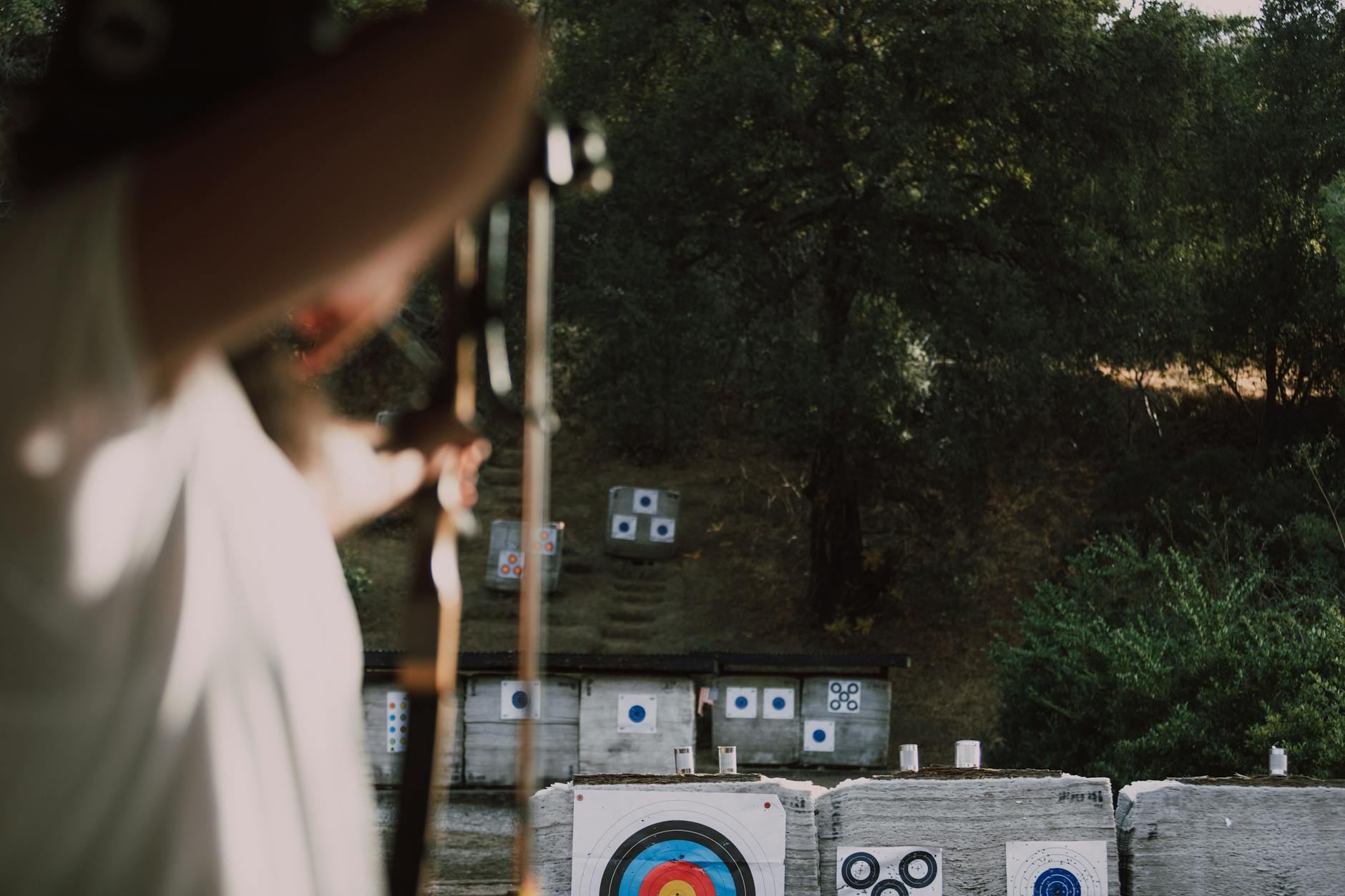
Shooting sports aren't just for hunters or cops—many pursue them for precision, focus, and pure enjoyment, much like archery.
Getting started with shooting sports as a beginner involves developing your accuracy and concentration to successfully hit targets at varying distances.
Pistol shooting, rifle marksmanship, and shotgun sports are part of the mix. These offer a diverse range of activities to try out.
In shooting sports, participants engage in activities such as static target practice, clay target shooting, or action shooting, involving deliberate aiming, trigger control, and precise shooting techniques while analyzing performance metrics like shot placement and time.
Shooting sports induce a flow state through clear goals and immediate feedback, allowing participants to focus intensely on their performance, which reduces mind-wandering and combats feelings of boredom.
You think shooting sports are limited to hunters and the police.
It's easy to imagine camo and badges, but what about those who appreciate the precision? Many shoot for the fun of hitting a target, much like aiming for a bullseye as an archer.
The real story here is the community. Hobbyists, competitive shooters, and newcomers all share space on the range. It extquoterights about mastering a craft and enjoying the focus it demands.
We'll explore what it takes to get started with gear and safety next.
Your first session at the range is quieter than you expect — until it isn't. The smell of gunpowder hits you fast. Your ears register the sharp crack of shots even through hearing protection. And then it's your turn, and the gun feels heavier and more alive in your hands than anything you imagined from a distance.
Here's the part that catches most beginners off guard: you'll miss. A lot. Not because your aim is terrible, but because your grip, your breathing, and your trigger pull are all competing for your attention at once. Beginners almost always flinch before the shot breaks — it's a reflex your body develops in anticipation of the noise and recoil. It takes deliberate repetition to undo it, and nobody warns you how stubborn that habit is.
The frustration of those early sessions is real. You'll send a dozen rounds downrange and wonder if any of it is working. Then one shot lands exactly where you intended, and the feedback is instant and specific. That single clean shot tells you more about what correct form feels like than any instruction manual can. You start chasing that feeling, and that's when the learning actually begins.
Expect the first few sessions to feel like information overload with a side of humility. Stance, sight alignment, breath control, and trigger discipline — none of it becomes automatic quickly. **The discipline demanded in those early sessions is exactly what makes this hobby stick for people who give it time.** Once you know what honest progress feels like here, you'll also want to know which beginner mistakes quietly slow that progress down.
When to start: 8:00 AM
Duration: 1 hour
Cost to try: $0
Success criteria: if you finished without any safety incidents, do session 2.
New shooters want to shoot. That makes sense. But most trigger control problems — flinching, slapping, breaking early — happen because the fundamentals haven't been drilled without ammo first. Dry fire practice feels too simple to matter, so beginners skip it.
It isn't optional. Spend 10 minutes on dry fire before every live session and your trigger control will outpace shooters who've been going twice as long. No ammo cost. No noise. Just repetition that actually rewires your grip and press.
Beginners fixate on where the shots land. That's understandable — it's the visible result. But poor groupings are almost never a sight alignment problem at first. They're a stance and grip problem.
Tweaking your aim while your base is unstable is like adjusting a scope on a wobbly tripod. Lock in your feet, weight distribution, and grip pressure first — then look at where the shots are going. Accuracy problems usually solve themselves after that.
A better trigger, a new optic, a different holster — it's tempting to spend when your shots aren't landing. Gear feels like a controllable variable. Skill doesn't.
The honest reality is that most beginner equipment is not the limiting factor. Before any upgrade, ask whether you can shoot consistent groupings with what you already have. If the answer is no, the gear isn't the problem.
Range sessions turn into rituals fast. Same distance, same target, same number of rounds. It feels productive because you're shooting. But comfort and progress aren't the same thing.
Shooting sports reward deliberate discomfort. Rotate between distances, add a timer, or switch disciplines entirely — clay shooting will expose grip habits that static targets never will. Stagnation usually hides inside a routine that feels like practice.
Shooting feels solitary, so many beginners treat it that way. They show up, shoot their rounds, and leave. They miss the fastest shortcut available to them.
Experienced shooters at a range will spot a flaw in your stance in about 30 seconds that you might not catch in 30 sessions alone. Introduce yourself, ask questions, and consider a single lesson from a qualified instructor early on. The community here genuinely wants newcomers to improve.
Start with your nearest gun range — most have bulletin boards, open shoot nights, and staff who know every local club by name. Indoor and outdoor ranges regularly host beginner orientation nights and structured leagues. That face-to-face introduction beats any cold online search.
Online, r/guns, r/longrange, and r/competitionshooting on Reddit are active and blunt — good places to ask real questions. The Civilian Marksmanship Program (CMP) runs rifle and pistol competitions across the US and lists affiliated clubs by state on their site. USA Shooting is the national governing body for Olympic-style events and connects you to sanctioned clubs.
USPSA and IDPA matches are action shooting formats held at clubs nationwide, almost every weekend somewhere nearby. They are beginner-friendly and the regulars are known for coaching newcomers between stages. Search the USPSA Club Finder or IDPA Finder tools — both have zip code search built in.
For shotgun sports, the Amateur Trapshooting Association and the National Skeet Shooting Association both maintain club directories. Showing up to a registered shoot once is worth more than a month of browsing forums — you will leave with contacts, advice, and probably a standing invite to practice days.
Static target shooting — pistol or rifle at fixed paper or metal targets — is the foundation. You stand, aim, and fire. The feedback is immediate and honest.
This is the right starting point if you want to build fundamentals before anything else. Grip, stance, breath control — all of it gets drilled here.
Clay target shooting — skeet, trap, or sporting clays — puts a flying disc in the air and asks you to break it. Your timing matters as much as your aim.
This discipline rewards pattern recognition and quick decision-making. It's also one of the most social formats — squads rotate together, and the atmosphere tends to be relaxed.
Action shooting sports like USPSA or IDPA put you through multi-target stages. You move between positions, manage reloads, and shoot on the clock.
Speed and accuracy both count toward your score. This format is for people who want a physical and mental challenge in the same session. No two stages are the same.
Long-range rifle shooting stretches targets out to hundreds — sometimes thousands — of yards. Wind, elevation, and bullet drop all factor into every shot.
The satisfaction here comes from solving a problem, not just pulling a trigger. It suits people who enjoy data, patience, and incremental improvement over time.
Olympic-style shooting — 10m air pistol, 50m rifle prone, and similar events — is governed by strict rules and tight performance margins. Scores are decided by millimeters.
This is the right fit if you want a clear ladder of measurable progress and formal competition. Many clubs run beginner leagues, so entry isn't as intimidating as the Olympics make it look.
If the texture of this appeals to you, Ocean Sailing is built on similar bones.
The skill that separates improving shooters from those who plateau is trigger control — specifically, the ability to press the trigger without disturbing your aim.
Most beginners focus on where they're pointing. That feels logical. But the shot breaks during the press, not before it. A muzzle that drifts a fraction at the wrong moment sends the round somewhere you didn't intend, no matter how steady you looked.
Every accuracy problem that frustrates new shooters — flinching, pulling left, grouping all over the paper — traces back to what the trigger finger is doing at the moment of firing. Not stance. Not grip. Not the equipment. The press.
Once that click happens in your head, the feedback loop changes completely. Misses stop feeling random. You know why the shot went wide, and you know exactly what to fix on the next one. That's when the sport starts getting genuinely interesting — and the next section covers the gear that helps you practice it right from the start.
Do four sessions over about two weeks — one every three to four days. Keep them short, around an hour each.
You leave the range replaying your shot groups in your head. That mental replay is the signal — you're hooked. Start looking at your local club's membership options and ask about structured beginner courses.
From here, pick one discipline — pistol, rifle, or shotgun — and go deep on it. Spreading across all three too early slows progress and dilutes the satisfaction.
Four sessions in and you feel neutral — fine while you're there, but not thinking about it afterward. That usually means you haven't found the format that fits you yet, not that shooting is wrong for you.
Try switching from static paper targets to clay shooting, or join a casual action shooting event. The social element and moving targets change the experience significantly. Give that a genuine four sessions before deciding.
The noise, the stillness required, the methodical repetition — some people find all of it draining rather than absorbing. If focus and precision feel like a burden rather than a puzzle, this hobby is working against your wiring, not with it.
That energy might land better in something kinetic and unpredictable — rock climbing, martial arts, or competitive cycling. The need for intense concentration is non-negotiable in shooting sports.
After your first or second session, you find yourself watching slow-motion trigger technique videos at 11pm without meaning to. That involuntary rabbit hole is a more reliable indicator than anything you felt on the range.
Looking for something lighter? Our boredom-busters guide is built for exactly that.
Requirements vary by location, but many ranges offer classes that don't require a license.
Wear comfortable, non-restrictive clothing and closed-toe shoes for safety.
Try renting different types of firearms at the range to find what feels best.
Yes, when proper safety procedures are followed and protective gear is used.
Many ranges offer beginner classes for children, often starting around age 10 with parental supervision.