BoredomBusted — Find Your Next Favorite Thing To Do
Discover hobbies, activities, places, and ideas that spark joy. Whether you're looking for something creative, active, social, or relaxing, BoredomBusted helps you find your next favorite thing to do.
Browse our hobby guides, things-to-do collections, and place ideas to never be bored again.
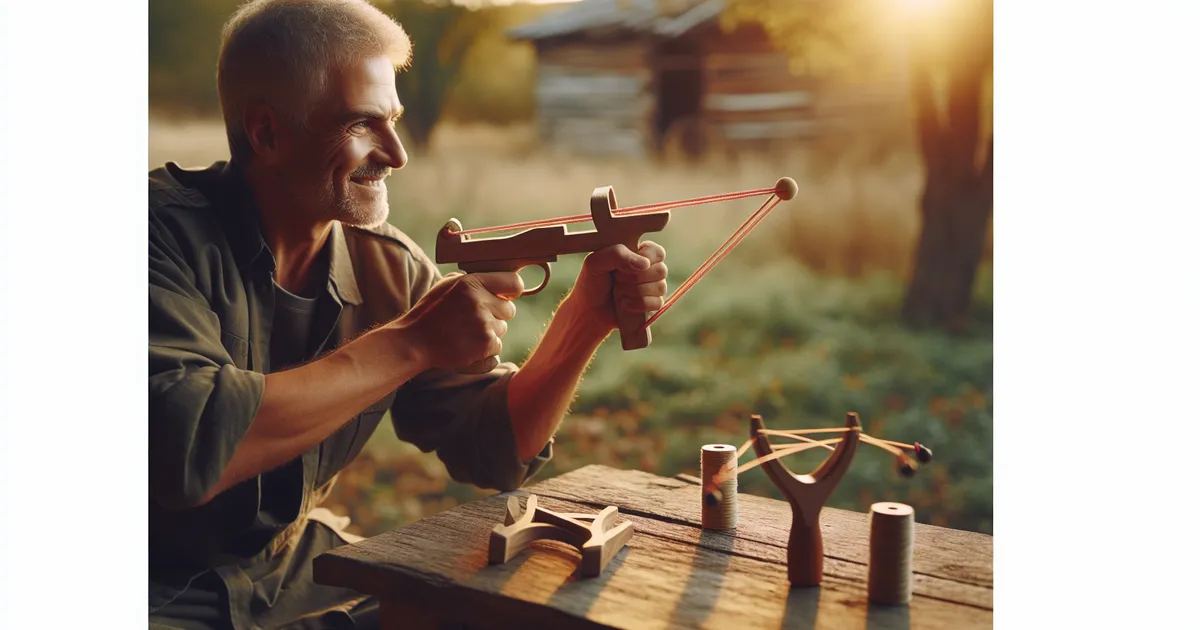
Slingshot shooting isn't a backyard game — it's a precision sport where millimeters matter, and mastery hinges on form, not just force.
Getting started with slingshot shooting as a beginner is an exciting way to develop hand-eye coordination and precision while launching projectiles — typically steel balls or stones — using a Y-shaped frame with elastic bands.
You pull back the pouch, aim, and release.
Unlike archery or airgun shooting, there's no trigger, no mechanism, and almost no barrier to entry — just physics, feel, and repetition.
In slingshot shooting, hobbyists engage in precision-based target practice, focusing on grip selection, ammo loading, and consistent form as they shoot at various distances, often using steel balls or clay ammo on targets like cans or bullseyes, while tracking their accuracy and refining their technique through dry draws and self-critique.
Slingshot shooting induces a flow state through tight skill feedback loops, where immediate results on hits or misses on targets foster rapid mastery progression, providing a clear sense of accomplishment and motivation to improve.
You think slingshots are a backyard toy. Mess around for ten minutes, launch a few pebbles, and move on.
The truth is slingshot shooting is a precision sport. It's about developing repeatable form, anchor points, and release consistency, much like archery or pistol shooting.
A competitive slingshot shooter at an event spends hours analyzing their stance and band stretch. At 15 meters, the margin for error is millimeters – all with just forked wood and a rubber band.
Finding the right balance is part of the challenge. The person throwing the hardest is rarely the one hitting the target. Understanding this is the key to mastery in slingshot shooting.
So what does it take to get started, and how does that shape what you buy first? That's our next focus.
Popping cans off a fence rail looks deceptively simple — pull, release, enjoy the satisfying thwack.
The reality hits when you try it. The band twists, your aim veers, and the pouch smacks your forearm.
The band geometry matters. At first, hitting the target feels impossible. Bruises become a badge of progress as you find that anchor point.
It feels like you've plateaued before even starting. But your hands are learning something your brain can't teach.
Shoot with both eyes open. Closing one eye might feel natural, but it wrecks depth perception. Embrace the instinctive aim that gives slingshots their charm.
When to start: Morning
Duration: 1 hour
Cost to try: $15
Success criteria: if you finished without injuring yourself or others, do session 2.
Flat bands appear sturdier and more professional, which draws beginners in. However, they make consistent drawing harder and amplify poor form.
Begin with tapered bands that are wider at the fork and narrower at the pouch. They help you establish a repeatable draw without fighting tension.
Drawing to a random spot each time makes consistent accuracy impossible. It feels intuitive, but it causes inconsistency.
Select a fixed anchor point like your mouth's corner, cheekbone, or earlobe. Touch it every draw for steady accuracy, just like an archer.
When the slingshot feels shaky, the urge is to grip harder. This twists the frame and sends shots off course.
Hold it gently between thumb and index finger, allowing it to float slightly. This avoids fighting the band's pull on release.
Fixating on your target seems logical but leaves release timing to guesswork. You need a focal point on the pouch or ammo.
Direct your gaze to the ball itself at full draw. Let the target blur into your peripheral vision.
Even when labeled '3/8 inch,' steel balls can vary just enough to skew shot path. This leads to you blaming your form incorrectly.
Buy ammo from a single, reliable supplier and weigh a few. This ensures a consistent shot every time.
Slingshot shooting can happen almost anywhere open and legal. Options include backyard shooting ranges, rural land, and dedicated archery ranges that permit slingshots.
Check local ordinances before shooting. Urban areas often ban projectiles, while rural areas are usually more lenient.
The World Slingshot Association (WSA) is the US governing body and hosts competitive events. Their site lists regional affiliated clubs.
Introduce yourself with, 'I've never shot before and I don't own equipment yet.' This usually gets you a loaner, a safety tour, and plenty of chat about band materials — exactly what you need starting out.
Almost everyone starts here
- shooting at paper targets or cans from a fixed distance. It's great for beginners or anyone wanting measurable progress without complication.
Instinctive aiming gets tested here
- you navigate a course, shooting at targets at unmarked distances. It's ideal if you need a break from stationary targets and want to sharpen your skills.
Structured scoring makes this variant distinct
- adapted from air rifle shooting, it involves shooting at metal targets that fall when hit correctly. The targets cost $20–$60 each, making it suited for those interested in competitive formats.
A multi-use tool for outdoors enthusiasts
- you attach a fishing reel and shoot arrows, blending archery with a slingshot. Perfect for those seeking more than just target shooting.
Focus on distance and impact
- this involves using heavier pouches and larger ammo for longer distances. Gear costs rise as band setups become more specialized, fitting for those who prioritize innovation over precision.
Another variant that pulls from the same roots is Sporting Clays.
If the texture of this appeals to you, Skeet Shooting is built on similar bones.
Another variant that pulls from the same roots is Trap Shooting.
Band tension awareness is the difference between improvement and frustration in archery. It's about feeling precisely how much stretch you're holding and reproducing that tension every single time.
Not close. Identical.
Your draw length affects your shot's power and trend more than you realize. Even a one-inch difference in consistency leads to vertical scattering, no matter how perfect your aim seems. You'll likely end up questioning your aim instead of focusing on maintaining a consistent draw.
Consistent draw means your adjustment efforts go towards one variable, not multiple. Without that consistency, your shots are influenced by changing tensions, making reliable practice and improvement nearly impossible.
Every other fix – better bands, better pouches, improved form – unlocks its potential once your draw length becomes stable.
Eight sessions over 30 days. Roughly twice a week—enough to move past the awkward first attempts, without forcing anything before you know if it clicks. Slingshot shooting has a deceptively fast feedback loop. Within these sessions, you'll know if the problem-solving side of accuracy training pulls you in or if you're just waiting for it to feel fun.
If you're looking for excuses to practice between sessions, that's the signal. You're adjusting your grip in your head during downtime. You want a proper target setup. Follow that—this hobby rewards those who can't leave it alone.
Indifference at session eight means the solo, quiet nature of shooting isn't scratching the itch you thought it would. More sessions rarely fix a mismatched format. Try introducing a mildly competitive element before deciding it's not for you.
If you actively didn't want to show up, read that clearly. Persistence isn't the issue. Some find the repetition meditative; others find it just... repetitive. That's information, not a character flaw.
You're watching slow-motion release videos at midnight for no practical reason. Noticing the fork of a tree branch as a potential frame shape. That low-level attention is how slingshot shooting starts—a quiet obsession that keeps showing up.
Wrist or forearm tendon issues are a real barrier. The repeated draw tension isn't brutal, but it's constant. If you're managing something like tennis elbow, this will aggravate it before it gets interesting.
Access matters more than people admit. You need a safe, legal place to shoot regularly—a backyard or a club range. Relying on public parks puts you in a grey area that ends the habit fast.
If you need social structure to stay motivated, this hobby will quietly fade. Slingshot shooting is almost entirely a solo pursuit, lacking a class schedule or team accountability to keep you engaged.
Sometimes you just need something for the next ten minutes — that's what things to do when bored is for.
A slingshot is a handheld Y-shaped device powered by rubber bands or elastic material that you draw back and release, while a catapult is a larger fixed or mounted device. Slingshots are personal, portable tools requiring manual force and hand-eye coordination, making them ideal for target practice and hobbyist shooting.
You can begin with a basic slingshot for $15–$50, which covers a quality beginner model plus ammunition like steel balls or pellets. Adding targets and a practice stand might bring your initial investment to $75–$150, making it an affordable hobby to start.
With consistent practice 2–3 times a week, most people develop decent accuracy within 2–4 weeks and improve significantly over a couple of months. Reaching advanced precision takes 6–12 months, but improvement is noticeable quickly, which keeps the activity rewarding.
Yes, if done responsibly with proper setup—use a secure backstop or target stand and a contained outdoor space away from people and property. Always wear eye protection and check your slingshot for wear before each session to prevent accidents.
Wrist-braced slingshots are ideal for beginners because they provide stability and reduce hand strain, making aiming easier while you develop technique. Start with a model offering moderate draw weight (around 20–30 pounds) so you can focus on form without fatigue.
You need steady hand-eye coordination, consistent drawing technique, and controlled breathing to align shots. Most beginners develop these through practice rather than needing pre-existing athletic ability—focus and patience matter more than natural talent.