BoredomBusted — Find Your Next Favorite Thing To Do
Discover hobbies, activities, places, and ideas that spark joy. Whether you're looking for something creative, active, social, or relaxing, BoredomBusted helps you find your next favorite thing to do.
Browse our hobby guides, things-to-do collections, and place ideas to never be bored again.
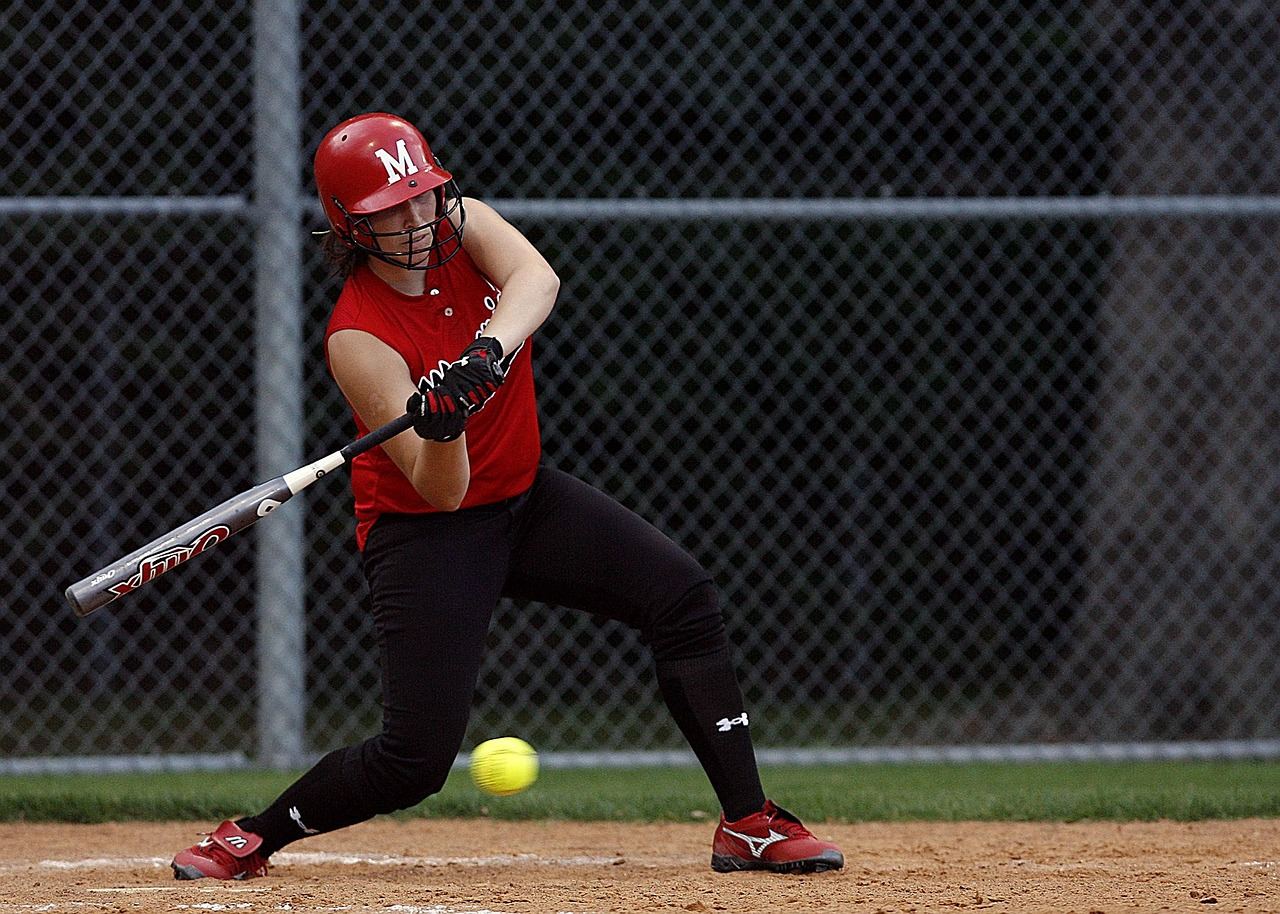
Think slowpitch softball is just for picnics? The hidden strategy and social stakes reveal it as a surprisingly competitive sport that demands real skills.
Getting started with slowpitch softball as a beginner is an exciting way to engage in a bat-and-ball sport that emphasizes teamwork and skill development. The pitcher lobs the ball in a high arc and batters have a genuine chance to make contact every at-bat.
Unlike baseball or fastpitch, there's no strikeout terror – the slower pitch and larger ball shift the game toward strategy, fielding, and consistent hitting over raw athleticism.
In slowpitch softball, adults engage in repetitive drills such as hitting practice with tee work and soft toss, mechanical drills to improve swing mechanics, fielding practice including short hops, and throwing development exercises to enhance accuracy and power.
The structured progression from isolated skill work to live game scenarios fosters a flow state where participants experience incremental skill improvement, enhancing feelings of accomplishment and engagement while also reinforcing social connections through team dynamics.
You think slowpitch softball is the sport your uncle plays at the company picnic. Casual. Low-stakes. A hobby once you're too old for "real" sports.
It's a mistake people make. Those who overlook it never see a true team in action.
There was a third baseman, late 40s, who shared his rookie experience with me. He went in expecting a breeze, yet found himself outplayed regularly. Decisions like holding or waving a runner were learned in intense 1.5-second intervals.
Surprise defines the journey. The equipment feels different when you know what's coming. The first game feels different than you predicted.
The first time playing slowpitch is jarring. You step in, confident, and then completely misjudge a ball that drops faster than expected. The arc of the ball is deceptive.
It takes longer to read this arc than it seems.
At first, it looks simple. You think, "Just hit the ball, how hard can it be?" Reality sets in when a 25mph pitch and unexpected footwork leave you sore and humbled. Over time, though, a shift happens.
By the second week, embarrassment is common. You might want to quit, thinking only athletic people get it, but that's not the case.
It's about retraining your eyes to understand the ball's arc.
The instinct is to swing when the ball looks reachable, but you're six inches early. A slight delay, letting the ball drop further, makes a big difference.
The next section dives into the mistakes that stall progress.
When to start: Early morning
Duration: 1 hour
Cost to try: $20
Success criteria: If you can hit 10 slowpitch swings and put 3 balls into fair territory, do session 2.
New players choke up on the bat for control, thinking a lighter swing is safer. But this ruins your swing arc and turns the bat into an expensive stick.
Use a bat that matches your weight range (26–28 oz for most adults). Grip it by the knob and let hip rotation drive your swing, not your hands.
Beginners often panic-swing at the peak of a slowpitch, leading to weak pop-ups. Wait until the ball is in the lower third of the strike zone before swinging,
rather than when it's shoulder height.
Outfielders often underestimate how far the ball travels off an aluminum bat. It can carry 20% farther than it seems.
Always take two steps back before every pitch. This helps you adjust without sprinting toward the warning track after misjudging.
Everyone wants to smash the ball during game one, causing over-rotation and weak grounders. Focus on line drives up the middle instead.
Your power will naturally improve with better timing, and line drives are tougher to field.
Beginners often ignore "illegal pitch" calls, mistaking them for rare technicalities. But these calls are common, and knowing the rule on arc height (6–12 feet) can turn them to your advantage.
Anything outside that window is a free ball if you don't swing.
Slowpitch softball games often take place at public parks, recreation centers, and dedicated softball complexes. Most fields have lights for weeknight leagues.
Cities with a parks and rec department usually have diamonds available on Tuesday nights.
Your best move: use the ASA/USA Softball's official league finder at usasoftball.com. This is your ticket to a national directory of leagues, regularly updated and entirely reliable.
Municipal leagues advertised by city parks and recreation are budget-friendly and welcome beginners. Search "[your city] parks and recreation softball registration" online.
Start searching Facebook Groups for terms like "[city name] adult softball" or "[county] co-ed slowpitch". Teams often post open spots here, making it a goldmine for newcomers.
Introduce yourself to players as a newbie looking for a recreational or "D-level" team. This gets you into teams focused on having fun, not winning high-stakes games.
Coed slowpitch features mixed-gender teams with alternating batting orders. Expect a fun, inclusive atmosphere that emphasizes involvement over competition. Great if you're out with a group of friends or partners.
Church or recreational leagues are perfect for beginners. They emphasize sportsmanship and have rules to prevent one-sided games. If your only batting experience comes from gym class, this is your landing spot.
Competitive "D/C-Level" tournaments have serious players and a skill-based classification system. A real challenge awaits those ready to leave rec league behind. Prepare for travel tournaments and sharper competition.
Senior slowpitch adapts the game to fit mature players. Larger strike zones and extra outfielders make it playable and engaging. It's your chance to play without worrying if your skills have changed.
Xtreme Slowpitch (XSP) delivers with smaller fields and faster games. For players seeking quick action and frequent scoring. Not for everyone yet, as it isn't available everywhere — check local options before diving in.
If you want a related angle, Fastpitch Softball is the natural next stop.
If the texture of this appeals to you, Wiffleball is built on similar bones.
If you want a related angle, Dirt Track Racing is the natural next stop.
Beginners often think they need more power to hit better. The truth is, the secret lies in timing the arc of your swing, not its speed.
Slowpitch isn't just softball with a slower pitch. The key to consistent contact is identifying the ball's drop point. This is where the ball descends at the angle your swing naturally aligns with.
All slowpitch pitches peak and then descend. Your task is to predict where the ball will be at the bottom of its arc, and position your bat there.
Dial in on the drop point to make clean contact. Hitting becomes a deliberate choice made fractions of a second early. Without mastering this, expect fouls or weak hits since you'll be catching the ball at the wrong angle. Good hitters seem relaxed. Those struggling appear eternally late.
Play six games in a month. Aim for one or two games each week; this mirrors how recreational leagues typically run.
If you're already checking leagues before your game's even done, your brain is ahead of your schedule. No question that this sport has hooked you. Join a recreational league, sign up for the season, and grab a good bat before summer passes.
If you played and felt indifferent, the issue often isn't the game. It's the fit with your team. Before you bow out, give another group a shot. Team chemistry can make or break the experience.
If the clock was your focus, and game cancellations felt like relief, that's clarity. You might crave the activity but not the structure. Pursuing something less organized is a fair choice.
You pause walking by a field mid-game. Eyes on the scoreboard, following the ball's path. If you find yourself pulled in without playing, that's the true call of the game.
Sometimes you just need something for the next ten minutes — that's what things to do when bored is for.
Basic startup costs typically range from $100–$300, including a glove ($40–$80), bat ($50–$150), and cleats ($30–$100). Many leagues provide team uniforms and cover field fees, so ongoing costs are usually just league registration ($50–$200 per season) and optional equipment upgrades.
Slowpitch uses a larger, softer ball with a higher, arcing pitch that reaches 6–12 feet at its peak, while fastpitch features a smaller, harder ball pitched underhand at higher speeds with minimal arc. Slowpitch emphasizes hitting power and strategic positioning, whereas fastpitch focuses on pitching technique and defensive speed.
A typical game lasts 45 minutes to 1 hour for casual play, or 1.5–2 hours for competitive league games depending on mercy rules and scoring. Most recreational leagues cap games at 7 innings or a time limit to keep matches flowing.
Absolutely—slowpitch is designed to be accessible and fun for all skill levels, from beginners to experienced players. The larger ball, slower speeds, and emphasis on teamwork mean you can contribute meaningfully even as a newer player, and most recreational leagues prioritize enjoyment over elite athleticism.
Essential gear includes a glove, bat, cleats, and a helmet. You'll also want athletic clothing and a water bottle for hydration. Most leagues provide or require team jerseys and pants, so check your team's requirements before purchasing.
Search for adult recreational leagues through local parks and recreation departments, sports networking apps like Meetup, or dedicated websites like TeamSnap and Dugout. Many communities have spring and fall seasons with multiple skill-level divisions, so you can find a group that matches your experience and competitive goals.