BoredomBusted — Find Your Next Favorite Thing To Do
Discover hobbies, activities, places, and ideas that spark joy. Whether you're looking for something creative, active, social, or relaxing, BoredomBusted helps you find your next favorite thing to do.
Browse our hobby guides, things-to-do collections, and place ideas to never be bored again.
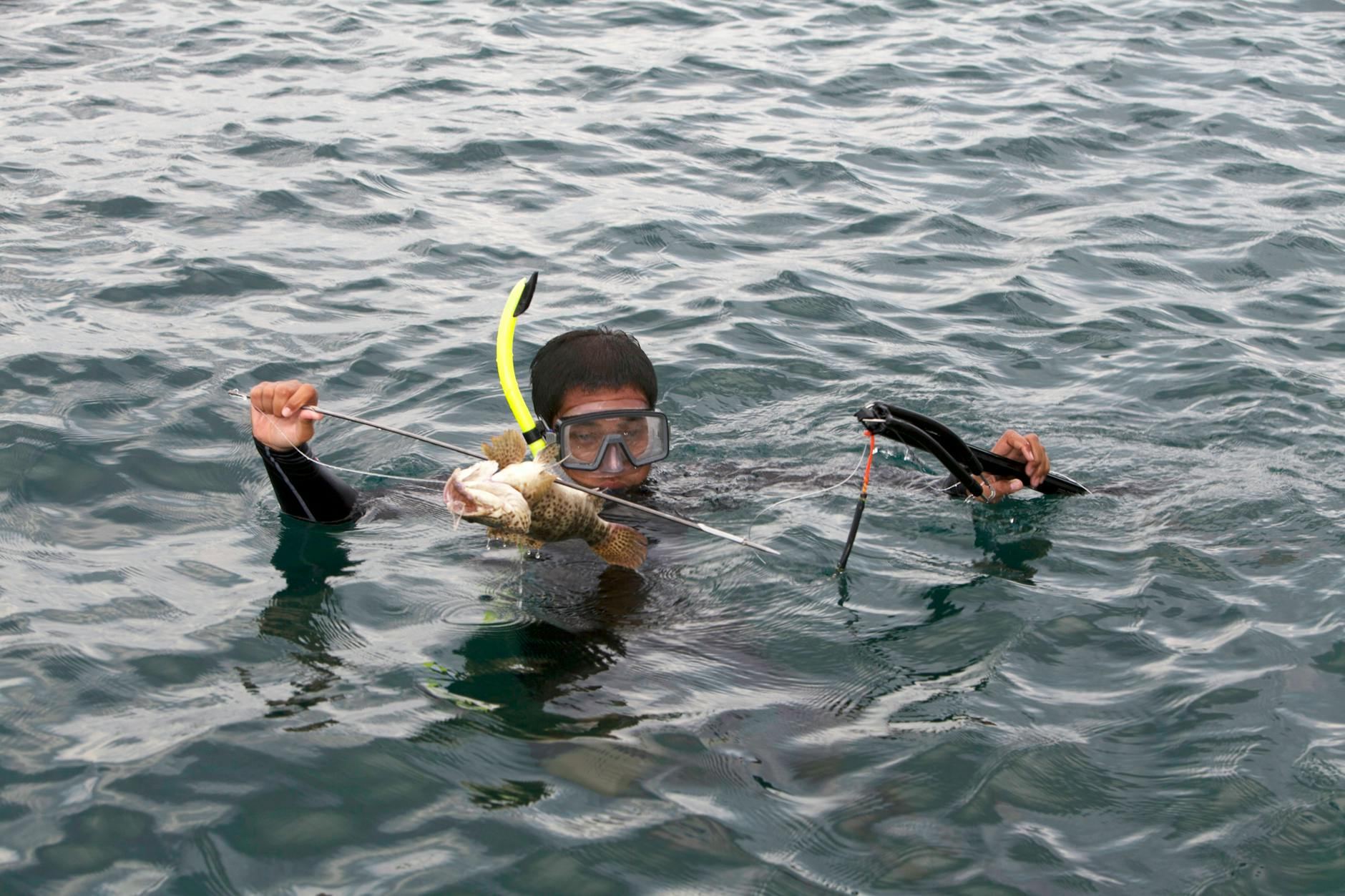
Spearfishing isn't just about hunting fish — it's mostly mastering breath-hold diving and reading underwater currents before you even shoot.
Getting started with spearfishing as a beginner involves learning essential techniques for approaching fish while freediving or scuba diving to approach fish directly, then taking them with a spear or speargun.
Unlike rod fishing, there's no waiting. You're in the water, in their environment, making one shot count.
It's part hunting, part diving, part breath control – and it selects for patience over gear.
In spearfishing, practitioners engage in underwater hunting by finning across the seafloor, breath-hold diving to specific depths, stalking fish with calculated movements, and using spearguns or pole spears to catch their prey, all while managing equipment and navigating boats.
Spearfishing fosters meditative engagement through breath-hold diving, creating a relaxed state that demands focus and patience, while also providing immediate feedback on skill mastery and success, enhancing the sense of accomplishment and connection to nature.
You think spearfishing is just hunting underwater. Point, shoot, done – basically fishing but wetter and more aggressive.
A diver who's been doing this two years isn't better because they have a bigger speargun. They're better because they can drop to 15 meters, stay calm, and wait – and the fish swims to them.
You're already wondering what gear you actually need to start. That's the next thing.
At first, everything feels distant. Videos show the quick, perfect shots, but they hide the truth — it takes twenty dives for that one moment. The fish seem close on screen. They're not.
Reality hits hard with the first plunge. Your lungs strain at four meters, and your catch bag stays empty. Still, the challenge grips you tighter than expected.
This isn't failure. It's the reality every skilled spearo has faced. Most quit too soon, without the patience to see progress unfold.
Start strong by mastering passive sinking at five meters without finning. Otherwise, you'll be working against your buoyancy, which means more effort and fewer fish.
When to start: Early morning
Duration: 2 hours
Cost to try: $20
Success criteria: If you float face-down, hold three calm breath cycles, and spot at least one fish without flinching, do session 2.
Beginners often wait for the pressure to hit before they start equalizing. By then, it's too late, and the pressure is already straining your eardrums.
Equalize every meter down, starting before you dive. Keep ahead of the pressure from the start.
The ocean seems empty, prompting divers to swim relentlessly. But this burns through your breath-hold and scares away fish.
Beginners see their speargun's listed range as the ideal distance. But that's actually the limit, not the sweet spot.
Shoot at half your gun's range. Learn how band tension, shaft weight, and visibility affect each shot.
Calm water can be misleading. Shallow water blackout strikes suddenly, especially on ascent, with no prior warning.
Always dive with a buddy. They must stay on the surface and monitor every dive, without exceptions.
Regulations cover size limits, protected species, and zone restrictions, and ignoring them can lead to fines or confiscation.
Check the actual regulations for your specific area before you head out.
Spearfishing happens wherever the water is — ocean coastlines, quarry diving sites, freshwater lakes, and open sea offshore zones. Your options depend on your country, your license, and what you're hunting.
Start with Facebook Groups — search "spearfishing club [your state/region]" and you'll find where active communities actually live. Polished websites don't exist for most local clubs. Facebook does.
When you make contact, tell them you're a beginner who has never hunted in open water. That one sentence gets you a buddy for your first dive, a gear check, and someone who knows the local legal limits by heart.
Don't soften it or pretend you have more experience than you do. A wrong depth call on your first solo dive isn't a learning moment — it's a blackout risk.
You wade in from a beach or rocky coastline – no boat, no complicated logistics.
It's the lowest-barrier entry point in the sport, and most reef fish are caught this way anyway.
Best for beginners who want to actually start this year, not plan for it.
No special gear beyond your standard freediving setup.
This is open-ocean hunting – offshore, deep water, big pelagic fish like wahoo, tuna, and mahi-mahi.
The depths and distances involved make this genuinely dangerous without serious freediving experience.
Best for experienced freedivers ready to chase larger targets.
You'll need a bluewater gun (longer, more powerful) and almost certainly a boat – expect meaningful additional cost.
A kayak gets you to spots you can't reach from shore without the expense of a full boat setup.
It also doubles as a gear platform and a rest point between dives.
Best for intermediate spearos who've outgrown shore spots but aren't ready to invest in a vessel.
Targeting species like carp or catfish in rivers and lakes – rules vary wildly by region, and it's illegal in many U.S. states, so check before you buy anything.
Best for landlocked hunters with no ocean access who've already confirmed it's legal where they live.
Same environments as standard spearfishing, but you're using a simple hand-propelled pole instead of a speargun.
Less range, more skill required to get close.
It's actually the better starting point – cheaper, easier to travel with, and it forces you to learn fish behavior before relying on equipment to compensate.
If you want a related angle, Hiking is the natural next stop.
For something adjacent, see Peak Bagging.
For something adjacent, see Deep Sea Fishing.
Most beginners spend their first year obsessing over equipment – better speargun, better wetsuit, better fins. The gear isn't the problem. The breath. The one skill is static apnea relaxation under pressure – specifically, learning to suppress the urge to surface when your diaphragm starts contracting. That spasm you feel at 30 seconds isn't your body running out of oxygen. It's CO2 buildup triggering a reflex, and you have more time than you think.
Without it, you're a tourist – you hit the bottom, panic at the first contraction, and bolt up before the fish even register you're there. Fish don't flee from divers who are still. They flee from divers who are twitchy and rushed. With real breath control, your bottom time doubles, your movements slow down, and suddenly the ocean stops running from you.
Give it four sessions over 30 days. That's enough time to feel the water, handle the gear, and make at least one real dive.
Four sessions leave you with something honest.
If you're already planning the next dive before you're even dry, that's pure signal, not just excitement. Start investing in your own gear instead of borrowing. Find a local frediving club or spearfishing community to properly hone your skills.
Feeling indifferent after four sessions isn't rare. Add two more sessions with a specific goal in mind. Targeting a specific fish or attempting a deeper dive might unlock the skill in a fulfilling way.
If you dreaded getting in the water, take that seriously. The ocean isn't for everyone, and disliking the activity itself is telling.
You can't ignore it if you're watching spearfishing footage at midnight or tracking fish species in unfamiliar waters. Discovering you have an obsession with tides and breath-hold techniques signals a natural fit.
Spearfishing is one path among many — browse the full hobbies list to weigh it against the rest.
If nothing here clicks, our guide to what to do when bored covers shorter, lower-commitment options.
Beginner spearfishers typically start in shallow waters between 5–20 feet deep, where visibility is good and fish are abundant. As you build breath-holding and diving skills, you can progress to depths of 30–60 feet, though most recreational spearfishing happens in shallower zones where it's safer and more relaxing.
You can grasp the basics—safety, equipment handling, and technique—in a few sessions, but developing real proficiency with fish stalking and shooting accuracy typically takes 2–3 months of regular practice. Most beginners become comfortable and confident after 10–20 dives under proper instruction.
Essential gear includes a wetsuit, fins, mask, snorkel, weight belt, speargun, and a catch bag. You'll also need a dive flag, safety float, and a dive knife. Total startup costs range from $300–$800 depending on quality; used equipment can lower this significantly.
Spearfishing carries inherent water and breath-holding risks, but dangers are manageable with proper training, never diving alone, and respecting your physical limits. Most injuries occur from inexperience or ignoring safety protocols like staying within depth and time limits.
Requirements vary significantly by location—some coastal areas require a fishing license, while others have specific spearfishing permits or seasonal restrictions. Check your local fish and wildlife regulations before you start, as rules differ between states, regions, and even specific beaches.
Spearfishing is an active, underwater pursuit that demands breath-holding, swimming, and spotting fish in real-time, while traditional fishing is stationary and uses lines and hooks. Spearfishing offers more direct engagement with marine life and the ocean environment, but requires more physical fitness and water comfort.