BoredomBusted — Find Your Next Favorite Thing To Do
Discover hobbies, activities, places, and ideas that spark joy. Whether you're looking for something creative, active, social, or relaxing, BoredomBusted helps you find your next favorite thing to do.
Browse our hobby guides, things-to-do collections, and place ideas to never be bored again.
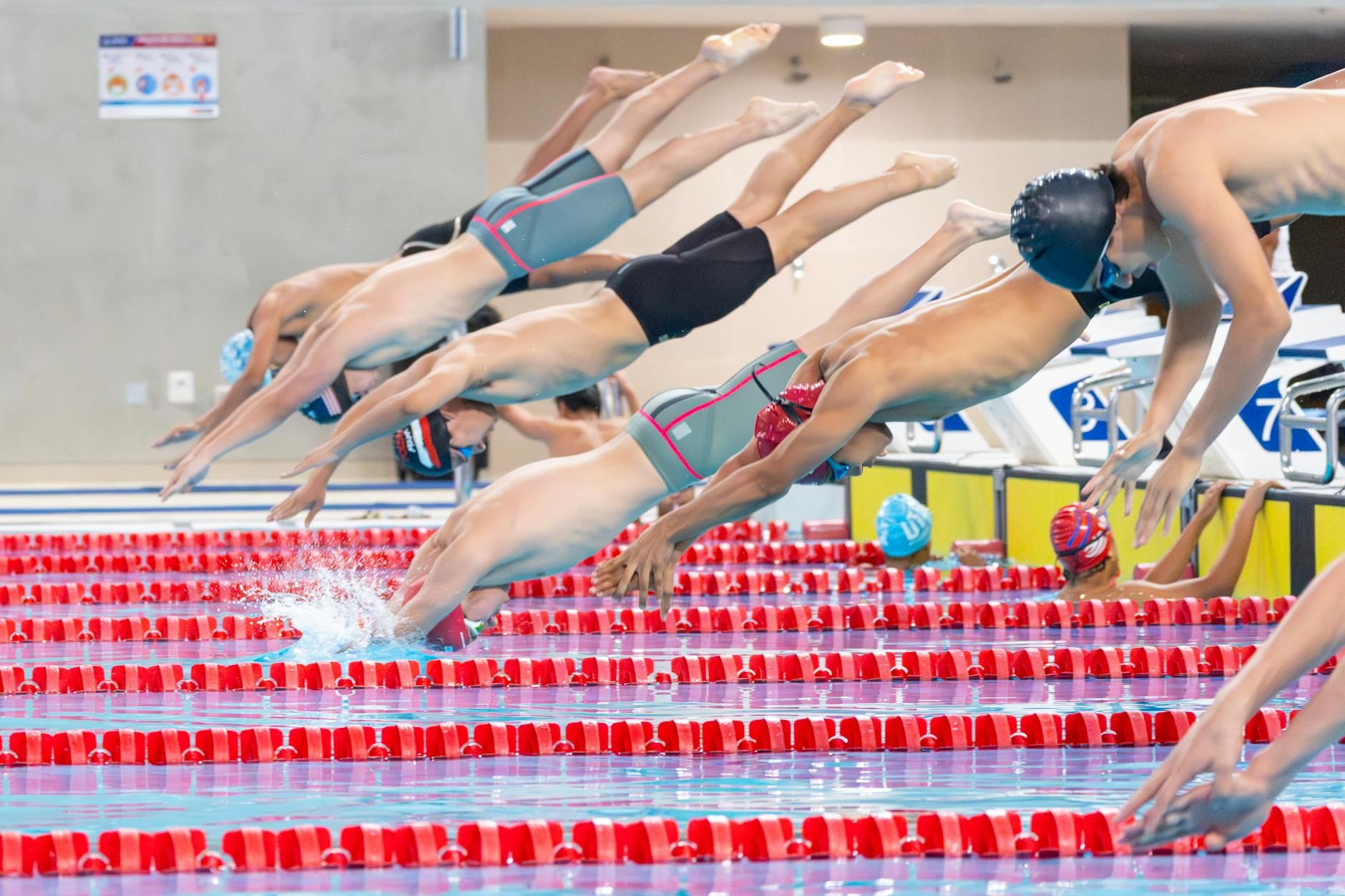
Swimming seems easy, but mastering your breath and strike timing is a complex coordination puzzle that demands full attention—and honest feedback.
Learning swimming as a beginner involves mastering essential techniques, where coordinated body movements—arms pull, legs kick, and breath timing—hold it all together.
Unlike running or cycling, the water itself does the work of resisting you, which means every muscle fires without the joint impact that breaks down most people over time.
In swimming, adults engage in structured workout sessions that include a warm-up, technique drills, a main swim set focused on distance swimming with specific intervals, and a cool-down. Swimmers perform various sets, such as pulling and kicking sets, to refine their skills and improve stroke mechanics across different styles, using equipment like kickboards and paddles to adjust intensity and fo…
Swimming fosters a flow state by immersing participants in a rhythmic pattern of movement and breath control, allowing for deep concentration and distraction from everyday stressors. The structured workout sessions provide incremental skill feedback, as swimmers notice improvements in technique and endurance over time, leading to a sense of accomplishment.
Swimming sounds like an easy workout — low-impact, low-skill, just keep afloat.
That misjudgment is why most people quit by week two.
A competitive masters swimmer once said learning flip turns at 44 was harder than anything in the gym. It wasn't about fitness.
The water gives honest feedback. You either nail the rotation, or you swallow pool water.
That honesty is the whole point.
If that doesn't scare you off, your first real session awaits. And it will look nothing like those perfect YouTube tutorials.
Watching swimming looks like controlled gliding. You get in the pool and immediately understand that water has opinions about your body, and most of them are unfavorable.
It's not that you can't swim, it's that swimming well is a completely different physical language than anything you've done on land.
That first week is humbling. Water demands endurance quickly. One length is fine; two is survivable; three and you're figuring out an escape plan. You're not weak—your body is just encountering a new challenge.
Stay anyway. The adaptation comes faster than you'd guess. By week three, it feels like you've swapped bodies with someone who belongs in the water. Mistakes that drag people down are what we'll tackle next.
When to start: Early morning
Duration: 1 hour
Cost to try: $10
Success criteria: If you can float on your front and back for 30 seconds each and swim 20 minutes with smooth freestyle/backstroke laps, do session 2.
New swimmers often hold their breath underwater, then exhale and inhale at the surface. This leads to panic when quick breaths aren't effective.
Exhale steadily through your nose while your face is submerged, so you can inhale quickly once you surface.
Lifting your head makes your hips sink and legs drag, turning you into a human anchor. It feels safer, but makes swimming harder.
Keep your head neutral—one goggle lens in, one out. In open water, only look forward every 8–10 strokes.
Choosing the incorrect lane can ruin your swim session. Beginners may choose a slow lane to avoid judgment or a fast lane thinking they'll keep up.
Ask the lifeguard about lane speeds or time yourself over 100 meters to find your match.
Kicking from your knees feels powerful because it's effective in cycling. In swimming, it doesn't work.
Kick from the hip, keeping ankles loose and knees slightly bent. Think of your legs as relaxed whips.
Stopping after each length trains you to recover rather than build stamina. This limits your progress.
Swim two lengths before pausing, then increase to four; treat the wall as a turn point, not a rest stop.
You'll find most swimming activities in pools at public lap pools, recreation centers, or university aquatic facilities. Open-water spots like lakes or bays are also options if you prefer the outdoors.
Beginners often start logging hours at swimming pools and rec centers. These venues are beginner-friendly and easily accessible.
Ask the coach or lane guard for the right lane based on your pace. This avoids landing in a competitive lane by mistake.
Coaches at Masters programs specialize in helping adults restart swimming after a long break. They offer essential advice on your stroke, pointing out issues and preventing bad habits from forming.
No lanes or guides in lakes, rivers, or oceans. Currents and navigation become new skills. Perfect for swimmers seeking a real challenge with solid technique. Use a brightly colored tow buoy for visibility to boats.
Coached lap swimming, organized by age and ability. Ideal for those seeking accountability to swim regularly. Expect a monthly fee in addition to your pool membership.
Open water race leg in triathlons, usually 750m to 3.8km. For fitness swimmers motivated by goal-based training. The chaotic start is unlike anything in a pool. A wetsuit is often a necessity.
Water polo blends swimming and physical play. A non-stop challenge.Ideal if competitive team sports thrill you. Solo lap swimming won't exhaust you like this.
Synchronized routines scored on skill and artistry.Perfect for dancers or gymnasts seeking a water-based challenge. Core strength and breath control are essential.
Sepak Takraw lives in the same world — different mechanics, similar appeal.
Readers who enjoy this often gravitate toward Ultimate Disc next.
If the texture of this appeals to you, Whitewater Rafting is built on similar bones.
Body rotation in swimming is the game-changer. Many beginners double down on laps and drills yet feel like they're battling the water. Why? The approach is wrong.
Start with deliberate, hip-driven rotation. This isn't just a side-to-side roll. Your body should slice through the water like a rolling log. Begin each stroke with your hip turning, not your shoulder. When this connection happens, your stroke becomes longer and more efficient.
When your core muscles engage, each pull is more powerful. Relying solely on your shoulders is a quick path to exhaustion and sluggishness. Without rotation, swimming feels like a constant uphill battle.
Eight sessions in 30 days. That's twice a week, with enough rest between to actually notice how your body adapts.
The learning curve is real. Your lungs and technique are adjusting together in the first few weeks. You'll need these sessions to move past the 'this is just hard' phase to feel the sport's true nature.
You're eager for more time in the water.
Whether it's a moment where your breathing finally clicked or a stroke you want to improve, that's a strong signal. This hobby suits those who find small problems intriguing rather than annoying. Consider signing up for lessons and start tracking your laps.
Each session was just okay.
If the repetition didn't lead to anything meaningful for you, it might not be the right fit. Maybe extend to 12 sessions if open water or a group swim sounds appealing. But if those also don't excite you, that's fine too.
Watching the clock more than the water.
This isn't a fitness or beginner issue. If the smell of chlorine, the confined space, or the quiet unease you, it's a sensory mismatch. No amount of persistence changes that. Honor what you felt.
If you find yourself studying someone's stroke at the pool or watching race videos online, pay attention. That curiosity about water dynamics is rare without genuine interest. Most don't ponder how bodies move in water unless they're drawn to it.
Pool access matters. If you have to drive 45 minutes each way, this habit rarely lasts past two months. Geography trumps motivation here.
Shoulders need extra care. Chronic injuries or weak rotator cuffs can't handle the strain. Freestyle and butterfly aren't as gentle on unstable joints as they appear. This can make adaptation frustrating.
Crowded lanes can deter. If your only windows to swim are when the pool is packed, dealing with that chaos isn't a minor inconvenience. Those who dislike stop-and-start rhythms won't adjust easily.
Looking for something lighter? Our boredom-busters guide is built for exactly that.
Most beginners can learn fundamental swimming strokes and water comfort within 4–8 weeks of regular lessons (2–3 sessions per week). Progressing to intermediate level, where you can swim continuously without stopping, typically takes 3–6 months of consistent practice.
You'll need a swimsuit, goggles, and a swim cap to keep hair out of your face. A kickboard and fins are optional but helpful for beginners to build confidence and technique. Most public pools provide access to lanes; you just need a pool membership or day pass.
Fear of water is common and absolutely manageable with patient instruction and gradual exposure. Beginner lessons focus on water comfort and breath control in shallow areas before moving to deeper water, allowing you to build confidence at your own pace.
A basic swimsuit and goggles cost $30–$60 total, making the gear relatively affordable. Ongoing costs depend on your pool access: public pool memberships range from $30–$100 monthly, while lap swim sessions typically cost $5–$15 per visit.
Beginners typically start with the freestyle (front crawl) and breaststroke, as these are the most efficient and easiest to master. Once comfortable, you can progress to backstroke and butterfly, which require stronger technique and endurance.
Swimming is excellent for full-body fitness, building endurance, strength, and flexibility while being gentle on joints since water supports your weight. Regular swimming also boosts cardiovascular health, burns calories, and reduces stress through the meditative rhythm of the activity.