BoredomBusted — Find Your Next Favorite Thing To Do
Discover hobbies, activities, places, and ideas that spark joy. Whether you're looking for something creative, active, social, or relaxing, BoredomBusted helps you find your next favorite thing to do.
Browse our hobby guides, things-to-do collections, and place ideas to never be bored again.
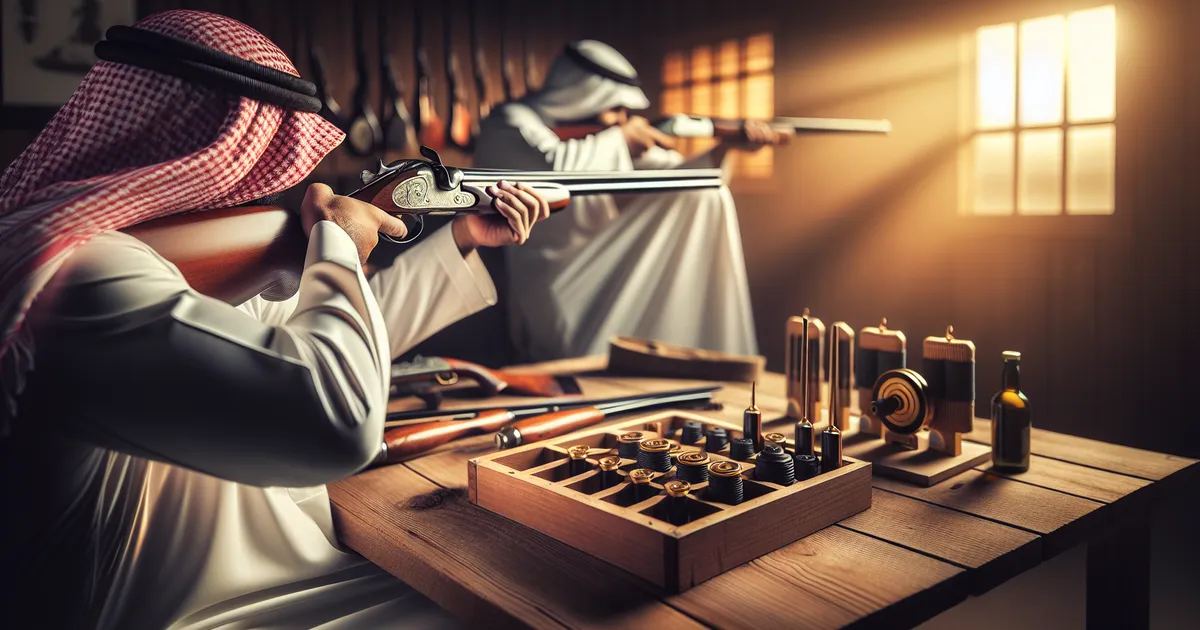
Trap shooting isn't for weekend warriors; it's a technical challenge that demands precision and mental toughness — think golf with shotguns.
Getting started with trap shooting as a beginner can be an exciting way to develop your shooting skills while enjoying time outdoors. Trap shooting is a clay target sport where you shoot at small orange discs launched away from you at varying angles.
One shooter, one station, one moving target – you call 'pull,' the trap throws, you fire.
Unlike skeet (crossing targets) or sporting clays (course-based variety), trap uses a single house and fixed flight paths that still manage to humble you every time.
In trap shooting, you stand at one of five shooting stations, take turns firing a shotgun at clay targets launched at high speeds and unpredictable angles, calling 'pull' to trigger the launch. You pre-mount the shotgun, track the target with both eyes open, and aim to hit the clay before it falls, repeating this process across multiple stations to complete a round of 25 shots.
Trap shooting creates immediate skill feedback through hit or miss results for each shot, fostering a sense of accomplishment and engagement as you refine your aim and technique. This sport demands intense focus and quick decision-making, facilitating a flow state where you are fully absorbed in tracking and leading the fast-moving targets, while social participation enhances motivation and belon…
You think trap shooting is something retired guys do on weekends with a shotgun they inherited. Maybe a rural thing. Definitely not for you.
That assumption is wrong – and it's keeping you out of one of the most technically demanding sports you can pick up without a gym membership.
A competitive collegiate trap shooter once described her first 25-round round of trap as "the most humbling thing I'd ever done" – she'd grown up hunting, figured it would translate, and missed her first seven clays straight.
The equipment and etiquette are simpler than you're expecting – which is exactly what the next section covers.
Watching trap shooting looks effortless — shooter steps up, bird flies, bird dies. Then you're the one holding the gun, and the clay is already gone before your brain finishes processing it left. That gap between watching and doing is bigger than it looks.
Your first few stations are mostly confusion. The target reads differently every time, your footwork is wrong before you even mount the gun, and you'll miss birds you were certain you'd hit. The miss usually happened before the trigger pull — in the mount, the hold point, or the half-second of hesitation.
Miss enough birds and frustration sets in fast. Trap shooting is a timing sport wearing the costume of a marksmanship sport — and chasing tighter aim when your rhythm is off will keep you stuck at the same score for weeks.
The one thing worth knowing before session one: call for the bird before your hold point feels perfect. Waiting for that "ready" feeling delays the call and drops you into reactive mode — which is exactly where the bird wins. Get to your hold point above the trap house, then call. The next section covers the specific mistakes that burn the most time early on.
When to start: Early morning
Duration: 2 hours
Cost to try: $40
Success criteria: If you complete a full 25-target round and break at least 15 clays, do session 2.
The clay is already moving when you see it. If you're still finding your cheek weld, you've already lost half your window.
Mount the gun first, then call pull. The bird comes to your ready gun — not the other way around.
Every trap station throws a predictable cone of angles. Beginners treat each clay like a surprise, which turns shooting into a reaction sport instead of a thinking one.
Two minutes of watching before you shoot changes everything. Let the trap cycle a full round while you stand behind the station. By the time you step up, you already know where the left-edge and right-edge birds are going — and nothing feels like a surprise.
A low hold looks relaxed, but it forces a big upward swing on the call. Your brain tries to slow the gun down just before you pull the trigger — and that hesitation kills your lead.
Hold your muzzle at the spot where you expect to first see the bird clearly — not at the trap house roof. The shorter your swing, the less room for the gun to decelerate.
The barrel is in your peripheral vision for a reason. Stare at it and your eye drifts off the clay right when precision matters most.
Hard focus on the leading edge of the clay and let the barrel blur completely — if you can read the color on the target, your focus is exactly right.
Sixteen-yard straightaways feel good fast.
Beginners camp there. Scores plateau. Then wobble traps feel foreign.
Rotating through all five stations every session is the only way to stay uncomfortable enough to improve. Station 4 humbling you every single time isn't a problem — that discomfort is exactly the data you need.
Trap shooting happens at dedicated shooting ranges and sportsmen's clubs — specifically stations built around a shooting range or sportsmen's club with a trap house and official field layout.
Most public gun ranges don't have trap fields, so you're almost always looking at a club membership or a club-affiliated range day.
When you arrive, say exactly this: "I'm new to trap and looking to learn."
That phrase triggers a specific response at most clubs — a member walks you through station etiquette, loads for you the first round, and tells you what gun to borrow if you don't have one yet.
One machine, one shooting position per round, targets flying away from you at a consistent angle.
It's the default version at virtually every club in the country – and the right starting point if you're new.
Targets fly faster, lower, and in far more unpredictable directions than American Trap.
This is a competition discipline. Don't start here – but know it exists for when standard trap starts feeling too predictable.
Two targets launch simultaneously instead of one.
It forces you to pick a sequence and commit – hesitation breaks both birds and your score. Best for shooters who've got single-target trap dialed in and want a real challenge.
Skeet is technically its own discipline, but most trap shooters end up here eventually. Targets cross in front of you from two fixed towers – a setup that trains a completely different swing and lead than anything in trap.
Run a round and your footwork and mount will tell you exactly where your technique has gaps.
Called "golf with a shotgun" – courses set up different shot scenarios across multiple stations. Distances, angles, and target speeds change constantly.
Access costs more than a standard trap range. But no other format builds well-rounded shotgun skills faster.
For something adjacent, see Slingshot Shooting.
A close neighbor worth considering: Airsoft.
Most beginners obsess over their aim – tracking the bird, chasing it, trying to "catch up" to it.
The target isn't the problem. The mount is.
The one skill is a consistent, repeatable gun mount – meaning the stock hits the exact same spot on your cheek and shoulder every single time before you call for the bird. Not close. Not roughly. The same spot, locked in before the clay ever launches.
When your mount is inconsistent, your eye and the rib of the gun are in a slightly different relationship on every shot – so you're essentially re-aiming from scratch each time, even if it feels the same.
Fix the mount and the lead, timing, and follow-through all stabilize, because now you have one variable instead of four. Without it, you can shoot a thousand rounds and just be rehearsing chaos.
Four sessions over 30 days — roughly one per week. That's enough to get past the awkward first round, feel the rhythm of a real squad, and know whether a breaking clay does something for you or nothing at all.
If you're already planning your next round before you leave the range, that's not casual interest — that's the hobby telling you it fits. Get your own entry-level over-under, find a registered club, and start shooting leagues.
If you showed up, broke some clays, felt fine, and haven't thought about it since — that's usually not boredom. It's a mismatch with the solo-focus format, not the sport itself. Try sporting clays before you walk away — the moving course changes everything.
If you felt tense the whole time, counted minutes, or found the noise and gun-handling genuinely unpleasant rather than exciting, that's a clean answer. Don't reframe discomfort as a learning curve when it's actually just a bad fit.
No range within a reasonable drive is a hard stop — 90 minutes each way kills consistency before skill has a chance to build, and this hobby requires repetition to deliver anything. If the nearest club is genuinely inaccessible, that's not a motivation problem.
Chronic shoulder or wrist injuries change things significantly. Compensating for pain doesn't build resilience — it builds bad habits that follow you. Talk to a doctor before you spend anything.
If you need constant variety to stay engaged, trap's structured repetition — same station, same angle, same call — will wear you down fast. Sporting clays exists for exactly this reason. Trap specifically rewards people who find something in the repetition, not despite it.
You're watching trap shooting videos online and you're not sure how you got there — noticing the stillness before the call, the snap of movement after. That low-level pull toward the mechanics, unprompted, is the clearest signal this is worth pursuing.
Initial costs typically range from $300–$800 for a basic shotgun, plus $50–$150 for safety gear like hearing and eye protection. Most shooting ranges charge $15–$30 per session or clay package, making it affordable to try before investing heavily in equipment.
Trap shooting involves targets launched away from the shooter in a predictable arc, while skeet uses targets crossing from different angles, and sporting clays mimics hunting scenarios with varied presentations. Trap is generally the most beginner-friendly format with consistent, straightforward target flights.
Most shooters see noticeable improvement after 10–20 sessions with consistent practice. Developing solid fundamentals like stance, trigger control, and lead takes a few weeks, while advanced competitive skills typically require several months of dedicated training.
No—most ranges rent shotguns for $10–$25 per session, making it easy to try before purchasing. Once you decide to pursue the hobby seriously, you can then invest in your own firearm tailored to your preferences.
Yes, when proper safety protocols are followed—ranges enforce strict rules on handling, shooting positions, and protective gear. All beginners receive safety instruction, and ranges maintain clear range procedures to ensure a secure environment for everyone.
Practicing 1–2 times per week accelerates improvement while allowing time to absorb lessons between sessions. Even monthly practice maintains your skills, though consistency matters more than frequency—deliberate practice beats occasional heavy sessions.