BoredomBusted — Find Your Next Favorite Thing To Do
Discover hobbies, activities, places, and ideas that spark joy. Whether you're looking for something creative, active, social, or relaxing, BoredomBusted helps you find your next favorite thing to do.
Browse our hobby guides, things-to-do collections, and place ideas to never be bored again.
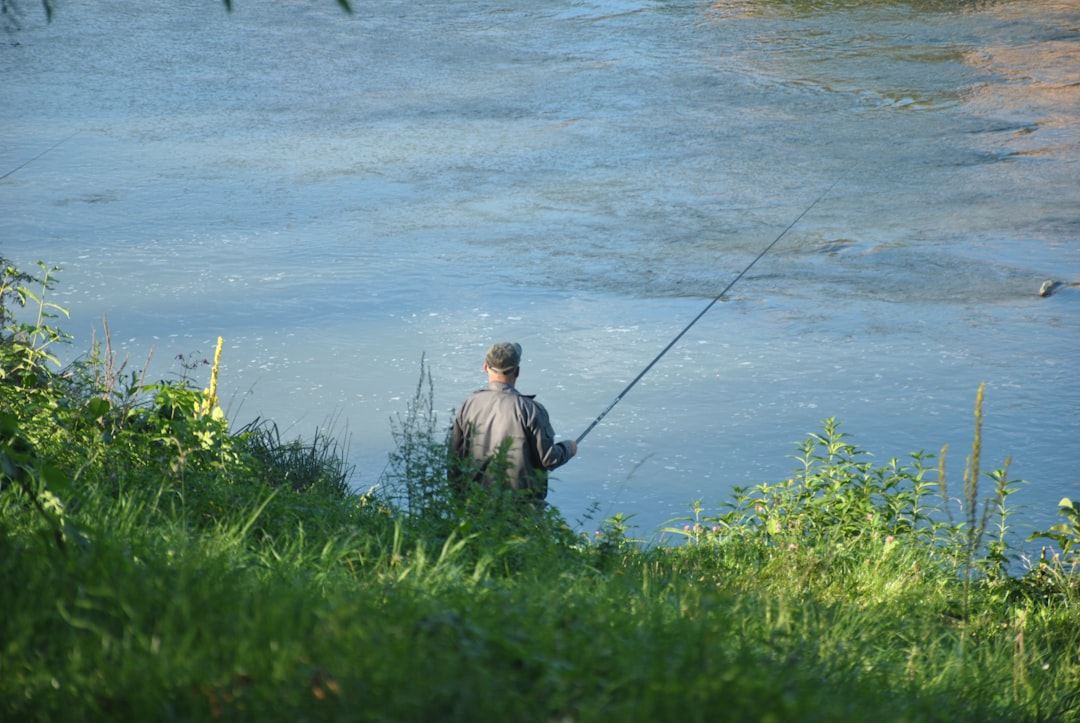
Trout fishing isn't just waiting; it’s a high-stakes puzzle of angles and observations where success hinges on precise adjustments, not luck.
Learning trout fishing as a beginner involves understanding how to target various trout species – rainbow, brown, brook, or lake – using rod, line, and either live bait, artificial lures, or flies.
You read the water, present something a trout wants to eat, and set the hook when it takes.
Unlike general fishing, trout demand cold, clean water and far more precision – wrong depth, wrong drift, wrong fly, and you're invisible to them.
Trout fishing involves selecting fishing spots by reading water conditions, casting lightweight rods with various baits or lures, and adjusting techniques based on trout behavior and environmental factors, including temperature and insect hatches.
This hobby fosters flow states through skill feedback loops, as anglers decipher water patterns and refine their approach, yielding a sense of accomplishment when they successfully land fish, thus keeping them engaged and challenged without falling into routine.
You think trout fishing is patient waiting. A folding chair, a bobber, maybe a beer – and mostly nothing happening.
That assumption is understandable. It's also completely wrong.
Trout are neurologically wired to refuse anything that looks slightly off – the angle, the speed, the shadow you cast. Every cast is a puzzle with a wrong answer.
Reading water is a skill that takes months to develop. Where you place the fly or lure matters more than what you're using – and most beginners never figure that out.
The person who catches fish isn't luckier. They're tracking temperature, light, insect hatches, current seams – and they're better at reading the system as a whole.
A fly angler on a Colorado tailwater once stood in the same 10-foot stretch for three hours. Not because nothing was happening. Because he kept adjusting his drift by inches until the presentation was finally right. That's not patience – that's active problem-solving the whole time.
Getting to that level of focus means starting with the right gear – and skipping a lot of what the tackle shops will try to sell you first.
Watching someone pull a trout from a clear stream looks effortless. The rod bends, the fish runs, they land it like it was planned.
Your first session will feel nothing like that.
Before: Tangled line. Wrong depth. Spooked fish. Standing in the wrong spot entirely.
After: Reading water by instinct. Knowing the cast before you make it. Finding the fish before they find you.
Trout face upstream and hold in current seams – the edge where fast water meets slow water is where they sit and wait.
Cast so your fly or lure drifts into that seam from slightly upstream.
Most beginners cast into the flat middle and wonder why nothing happens.
No bites on session two.
No bites on session three.
Everything in you says this is a you problem.
It's not a you problem – it's that trout fishing has a real learning curve, and the anglers who crack it are just the ones who stayed long enough to stop making the same two mistakes.
When to start: Early morning
Duration: 1.5 hours
Cost to try: $15
Success criteria: if you finished without catching a fish, do session 2.
Using 8–10 lb Line Because It Feels Safer
Heavier line is more visible in clear water – and trout, especially in streams, will refuse it without you ever knowing why.
Drop to 4–6 lb fluorocarbon, which sinks, resists stretch, and disappears in the water column.
Fishing the Middle of the Pool
The current seam looks like nothing, but trout hold on the edges where fast water meets slow – that's where food gets funneled to them.
Cast to the transition zone between current speeds, not the calm center everyone else is targeting.
Setting the Hook Like You're Snagging a Boot
A hard, rod-yanking hookset pulls light tackle straight out of a trout's soft mouth.
Lift the rod tip with a firm, controlled sweep – enough to feel resistance, not enough to snap a 5 lb tippet.
Wading In Before You've Fished the Bank
New anglers step into the water immediately – and put every fish within 20 feet on full alert.
Approach quietly from downstream, fish the nearest water thoroughly, and only wade in once you've already worked the close lies.
Changing Lures Every Ten Minutes
Slow days trick beginners into thinking the problem is the bait, when it's almost always the presentation or position.
Stay in one proven spot for at least 20 minutes before switching – vary your retrieve depth and angle first.
Trout live in moving cold water and still cold water – which means rivers and streams and lakes and reservoirs are your two main venues.
Many states also stock pay-to-fish ponds specifically for beginners, where limits are generous and the fish are practically waiting for you.
Walk up and say "I'm brand new – I don't have gear yet, just want to learn the basics."
That one sentence typically gets you a loaner rod, someone standing next to you at the water, and an invite to the next outing – because every club has someone who has been waiting for an excuse to teach someone from scratch.
Spin fishing is the default entry point — you cast a lure, reel it back, repeat. It's the lowest learning curve of anything on this list.
A decent starter combo runs $50–$150. Best for beginners who want to catch fish before mastering technique.
Fly fishing means casting the line's weight, not a lure — it's a different physical skill entirely. The learning curve is real, and so is the gear cost.
Expect to spend $200–$400 minimum to get set up properly. Best for people who want the process to matter as much as the catch.
Ice fishing puts you on a frozen lake drilling through the ice and dropping a line straight down. The fishing part is simple; the cold-weather prep is not.
Shelter, auger, and tip-up gear adds real cost — often $150–$300 to start. Best for people in northern climates with access to frozen lakes.
Stream and river wading puts you in the water — reading current, repositioning constantly. This is where trout fishing stops feeling like waiting and starts feeling like hunting.
Wading boots and waterproof gear are the main added expense, around $80–$150. Best for active anglers who want to work for every fish.
Lake trolling means dragging lures behind a slow-moving boat to cover water and find where fish are holding. It trades the hands-on feel for better odds on large open water.
Requires a boat — either your own or someone else's. Best for groups chasing larger trout across open lakes.
If this resonates, Saltwater Fishing explores a similar direction.
Surf Fishing is a sibling pursuit and often surfaces the same kind of curiosity.
Most beginners obsess over gear — better rod, prettier lures, more expensive line. They're casting to water, not to fish.
The skill that separates improving anglers from everyone else is reading water — identifying where trout hold position based on current, depth, and structure before you ever cast.
Trout aren't scattered randomly. They sit in predictable spots.
A beginner with a cheap rod who casts to the right seam will out-fish an expert casting blind into open water. The rod doesn't put fish in the net — knowing where to aim it does.
Bubbles and foam lines.
Slowing current behind a boulder.
That slight color change where depth drops off.
Once you train your eye to find those signals, every other skill you already have starts working harder. The next section covers the specific water types where these holding patterns show up most clearly.
Four sessions in 30 days. That's the test.
Not four hours on one weekend — four separate trips, spaced out, in different conditions if you can manage it. Trout fishing changes completely with water temperature, light, and season, and one bad morning on a cold, blown-out river tells you almost nothing.
If you're already thinking about the next trip before you've finished packing up, that's the signal — not catching fish, not gear. The pull back means the waiting, the stillness, and the reading of water actually work for your brain. Start a simple log of conditions and note what you noticed, not what you caught.
If you went, it was fine, and you're not rushing back, that usually means the setting was right but the structure wasn't. Try one session with a specific goal — reading a single run, identifying one feeding lane — before writing it off.
If you were miserable the whole time and couldn't wait to leave, that's a clean answer. Some people find the slow pace genuinely frustrating, not meditative — and that's honest data, not a character flaw.
You're watching river footage on YouTube at 11pm and pausing to study the water structure, not the fish. That background pull toward moving water — how it bends, where it slows — is the thing trout fishing actually rewards, and most casual interest doesn't have it. People who do tend to stay; people who don't tend to chase catch counts and lose interest fast.
Access is a real barrier. Wild trout water isn't everywhere, and being more than 90 minutes from a quality stream without a car will grind the hobby down before it starts.
Wading involves real physical demand. Uneven riverbeds, current resistance, and cold water aren't optional features — they're the environment.
If your schedule only opens in rigid two-hour windows, trout fishing will consistently feel rushed — the hobby has no respect for tight clocks.
Trout Fishing is a deeper commitment than most boredom cures — for lighter options, check things to do when bored.
You'll need a fly rod (typically 5–9 feet), reel, fly line, leader, tippet, and flies. Beginners can start with a basic rod-and-reel combo kit for $100–$200, though quality gear ranges higher. Waders, a net, and tackle box are helpful additions, but not essential for your first outing.
Most beginners pick up basic casting mechanics within 2–4 hours of practice, but developing accuracy and distance takes several outings over weeks. The learning curve is gradual—you'll catch fish as a beginner, but skill improves steadily with consistent practice.
Entry costs range from $150–$300 for a starter rod-and-reel kit plus basic flies and tackle. If you already have some gear or borrow equipment, you can start for less; serious anglers invest $500–$1,000+ for quality rods and specialized flies.
Trout fishing has a moderate learning curve—it's easier than you might think, but harder than spin fishing. The mechanics of fly casting take practice, but trout are willing biters, especially in stocked waters and streams. With patience and basic technique, beginners catch fish on their early attempts.
Spring and early fall offer ideal conditions with cooler water temperatures and active trout. Summer can work in colder streams, though midday fishing is slower. Winter is possible but challenging for beginners; focus on spring through fall for the easiest entry experience.
Yes, most regions require a state fishing license, which typically costs $20–$40 for a annual permit. Many areas also require a separate trout stamp or fly-fishing endorsement. Check your local fish and wildlife department for specific regulations and licensing requirements.