BoredomBusted — Find Your Next Favorite Thing To Do
Discover hobbies, activities, places, and ideas that spark joy. Whether you're looking for something creative, active, social, or relaxing, BoredomBusted helps you find your next favorite thing to do.
Browse our hobby guides, things-to-do collections, and place ideas to never be bored again.
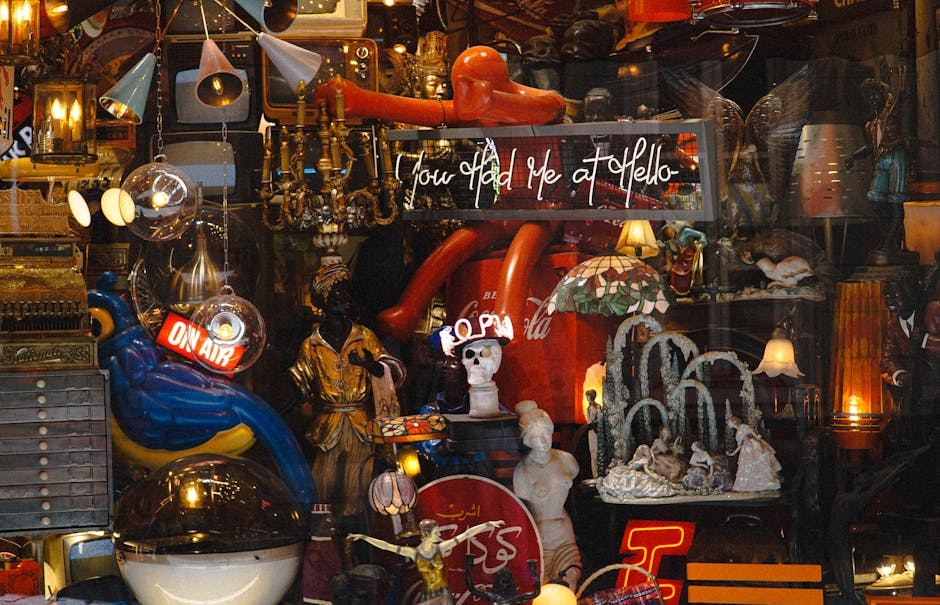
Vintage toy collecting isn't dusty nostalgia; it's a deep dive into manufacturing history and pop culture economics that requires serious skill and knowledge.
Getting started with vintage toy collecting as a beginner involves seeking out pre-1990s action figures, tin toys, and boxed board games — then authenticating, grading, and displaying what you find.
You source from estate sales, online auctions, and specialist dealers. The hunt is half the hobby.
What those sources share is unpredictability — which is why knowing how to grade what you find matters more than finding it. Original packaging alone can push a toy's value ten times higher than the loose version, so collectors who learn condition grading early consistently outbid and outsell those who don't.
In vintage toy collecting, enthusiasts hunt for and acquire nostalgic pre-1980s toys like action figures and dolls by scouring online marketplaces, estate sales, and conventions, while researching their histories and ensuring authenticity. They clean and preserve their finds, catalog collections thematically, and display them, often engaging in negotiation and trade with other collectors.
Vintage toy collecting triggers nostalgia, releasing dopamine and providing an emotional reconnection to childhood, while the thrill of the hunt fosters a flow state through challenges in authentication and negotiation. This hobby offers social belonging through community interactions, while the accomplishment of building a curated collection generates a purposeful engagement that counters feelin…
You think vintage toy collecting is about dusty shelves and misplaced nostalgia.
You're picturing a retired guy swimming in old G.I. Joes. Not you discovering hidden stories in plastic and paint.
Collecting is about understanding backstories and trends. It's reading objects as if they were historical documents detailing manufacturing history and cultural shifts.
Picture a 1984 Kenner Darth Vader case at an estate sale. Most people see a plastic box.
A collector sees Canadian bilingual packaging, an intact foam insert, and figures matching a memorized checklist.
Same object. Completely different information.
The real question is how to develop this eye for detail, and it all begins by knowing where to search before spending a dime.
Discovering a mint-in-box 1984 G.I. Joe seemed effortless when watching YouTube videos. In reality,
serious collectors invest years understanding what they see.
At first, it's all about the thrill of garage sales and the idea that 'vintage' includes things from the 90s. You envision the perfect display shelf but soon realize that grading conditions is an essential skill.
This journey starts with costly lessons. Unaware of reproduction parts, you might overspend in the first week. By week two, you're digging through eBay sold listings. Sound foundations are forming as you resist impulse buys by the third week.
Restraint is where the real skill lies — not in the initial excitement but in knowing what to let go. One day, you'll spot the right item, understand its value and condition, and miss it because you hesitated. That's the central moment when observation becomes expertise.
Original packaging can triple the value, but original accessories can matter just as much. Beginners often can't tell which accessories belong to which figures. Sellers might swap them without notice.
Look up the specific accessory list for each figure, not just the character, before making a purchase with accessories.
When to start: Morning
Duration: 1 hour
Cost to try: $0
Success criteria: If you finished without purchasing anything, do session 2.
Loose action figures might seem like bargains, but missing accessories can slash their worth. An incomplete figure often hides its real cost until you dig deeper.
Use "[toy name] complete checklist" as your guide. Checklists reveal every original accessory and variation, ensuring you don't overpay for partial pieces.
"Vintage" can mislead if you're not cautious. Knockoffs of lines like *Masters of the Universe* and *Star Wars* abound, imitating the real thing.
Know your niche's authenticity tells: date stamps, country-of-origin, and plastic color. These details are key before shelling out over $30 on a single piece.
Graded cases offer protection, but don't guarantee collector interest or value. A high grade only means great condition.
Check ungraded eBay prices. They reveal the real demand and true worth, beyond the graded case.
Sunlight fades toys so gradually you won't notice until it's too late. Your $80 figure could plummet in value to $25.
Use UV-protective cases or closed cabinets. Keeping your toys shielded is crucial for long-term value.
It's tempting to grab every robot, dinosaur, and space toy. But spreading too wide dilutes focus and knowledge.
Start with one era or manufacturer. Narrow focus builds expert knowledge swiftly, helping distinguish a true deal from a costly error.
Vintage toy collecting thrives wherever old treasures gather. Flea markets, antique malls, estate sales, and toy shows are your hunting grounds.
Your living room is your research hub. That's where you research, catalog, and grade your finds as part of the collecting process.
Introduce yourself by saying, "I'm just starting out – I mostly collect [your era or toy type]." This shows you're in it for passion, not profit, and usually sparks a friendly, informative chat.
Think Star Wars, G.I. Joe, and Masters of the Universe. Original packaging is the holy grail, with prices skyrocketing fast if untouched.
Perfect for those who remember these classics from the '80s and have fond childhood memories. Start with loose figures to avoid breaking the bank.
Look for Hot Wheels and Matchbox from the late '60s to '70s. Condition matters immensely — a redline on paint can spike value fast.
A smaller, more affordable start, often found in garage sales. Ideal for those who want a dense collection without bulky storage needs.
Seek out pre-1970s lithographed tin toys from Japan and Germany, like robots and space ships. Major investments in pristine condition, often fetching four-figure sums at auction.
Beneficial for seasoned collectors who appreciate the nuances of condition grading. Patience and research are key here.
Focus on vintage board games. The goal is complete sets, as missing pieces drop value swiftly.
Great for those who cherish nostalgic value over resale gains, though they require ample storage due to stacking boxes.
Consider playsets from Marx or Ideal featuring sprawling layouts. Completeness is rare but crucial due to hard-to-find individual pieces.
Best suited for collectors who have display room and enjoy the hunt. These bulky sets often present bargains due to their size.
Readers who enjoy this often gravitate toward Autograph Collecting next.
Action Figure Collecting is a sibling pursuit and often surfaces the same kind of curiosity.
Condition is king when collecting.
Scouring for rare finds on eBay and at flea markets can feel thrilling. The real game-changer is assessing condition accurately. Reading condition is everything.
Condition grading requires logic, not emotion. Spot the difference between a piece that's still functional and one that's barely holding together. Do it in thirty seconds, and ignore the seller's tale.
Here's what to check for:
Accurate grading keeps you from overpaying for "complete" items that disappoint later. Without this skill, your collection risks becoming a series of letdowns.
Sellers value buyers who know their stuff. You get first dibs, not just what's left over.
Over the next 30 days, immerse yourself in six sessions of toy collecting. Go to estate sales, explore online listings, and get familiar with the pieces. This will help reveal whether this hobby energizes or bores you.
If each session ends with you wanting just one more search before bed, that's your signal. The chase is what grabs you. Start honing your focus. Choose one era, a specific toy category, or a single manufacturer to collect. Without narrowing, the passion fizzles.
Finding it pleasant but not missing it suggests it's more pastime than passion. Extend the experiment by finding one specific piece you loved as a kid. If that doesn't ignite something, this hobby might not.
If the thought of another sale or misleading description turns you off, accept that this isn't your pursuit. Don't force yourself into tolerating the nuances that make this hobby what it is.
Glancing at a toy's copyright date in a thrift store without realizing it means more than curiosity. This unconscious behavior indicates you're a true collector at heart.
Not ready to pick a hobby yet? The boredom busters page has smaller things to try first.
You can start with a budget of $50–$200 to find quality entry-level pieces like vintage action figures or board games at estate sales and online marketplaces. As your collection grows, you can invest more in rarer, high-value items, but collecting can remain affordable if you focus on specific eras or toy types that fit your budget.
Estate sales, thrift stores, flea markets, and specialty online platforms like eBay and Mercari are reliable sources for vintage toys. Local antique shops and collector groups on social media also offer access to quality pieces, and building relationships with other collectors can lead to private sales and fair pricing.
Look for original packaging, markings, and manufacturing details specific to the era and brand. Research the toy's production history, compare it against documented examples, and consider consulting price guides or joining collector forums where experienced members can verify authenticity based on photos and details.
Keep toys in a cool, dry place away from direct sunlight, humidity, and temperature fluctuations to prevent damage and fading. Use acid-free storage materials, handle pieces with clean hands, and consider display cases or shelving that protects them from dust while keeping them visible.
Rare, well-maintained toys from popular lines like early action figures, limited editions, and discontinued playsets can appreciate significantly over time. However, collecting should primarily be motivated by passion for the hobby—investment returns depend heavily on rarity, condition, and market demand.
Action figures, toy cars, board games, and playsets from the 1970s–1990s are abundant and affordable for newcomers. These categories have large collector communities with lots of online resources, making it easier to learn grading standards, pricing, and authentication techniques.