BoredomBusted — Find Your Next Favorite Thing To Do
Discover hobbies, activities, places, and ideas that spark joy. Whether you're looking for something creative, active, social, or relaxing, BoredomBusted helps you find your next favorite thing to do.
Browse our hobby guides, things-to-do collections, and place ideas to never be bored again.
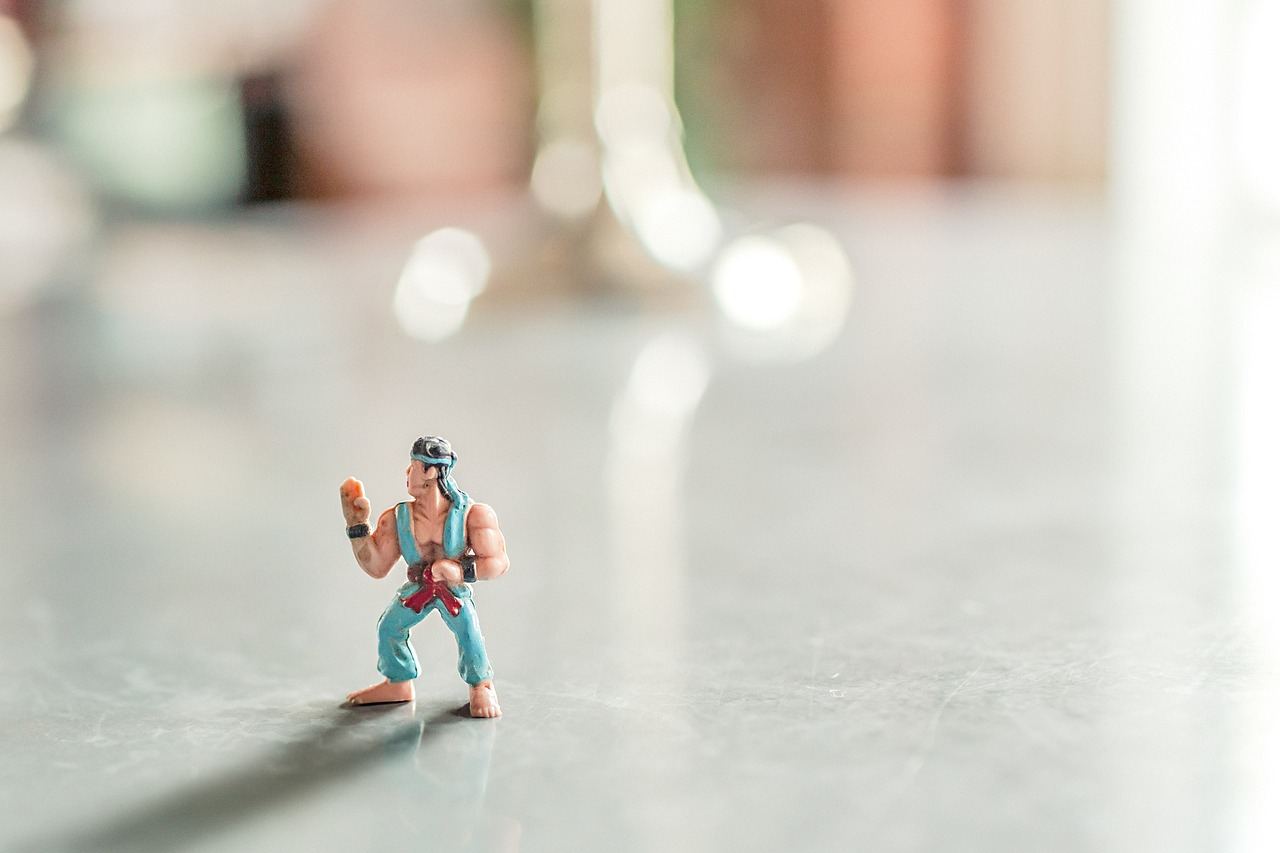
Serious action figure collectors aren't just reliving nostalgia; they're crafting intricate scenes and original stories, turning figures into dynamic art rather than mere trophies.
Getting started with action figure collecting as a beginner allows you to express your passions through tangible collectibles.
It's about acquiring, organizing, and displaying figures from various franchises.
Each collection is unique, revealing your personal connection to these stories.
In action figure collecting, individuals select specific themes or franchises, research and acquire figures, organize their collections using spreadsheets or apps, and create unique displays or dioramas, while actively evaluating the condition and rarity of each piece to enhance their assortment over time.
This hobby offers goal-directed progression and dopamine release through acquiring figures, while fostering creative expression in display setups and social belonging through community engagement, which collectively counteract monotony and stimulate motivation.
Most people assume adult action figure collecting is just delayed nostalgia. Buy the thing you wanted as a kid, put it on a shelf, feel good for a week.
That framing misses what actually drives serious collectors. Take Sarah Action (known as @diorama.daily on Instagram) — she spent two years building scene-accurate recreations of 1980s G.I. Joe storylines using vintage Hasbro figures, custom-painted terrain, and repositioned joints. Her account crossed 40,000 followers not because people were nostalgic, but because she was doing original creative work that used the figures as raw material, not trophies.
No shelf. No dust. No childhood bedroom energy.
What Sarah built is closer to stop-motion set design than anything most people picture when they hear "action figures." The collecting part is just how you acquire the medium — what you make with the collection is the actual hobby.
That distinction matters a lot once you start choosing which figures to buy — and why.
Your first figure arrives and you hold it in both hands, turning it over. The plastic is lighter than you expected. The joints are stiff — almost gummy — and the paint on the face is slightly off-center. **That gap between the product photo and the physical object is the first real lesson of this hobby. You start noticing things you never would have seen on a screen: the finish on the armor, the weight of the base, whether the figure actually stands without leaning.
The part most beginners don't see coming is how quickly the focus shifts from owning to evaluating. You stop thinking like a fan and start thinking like a buyer — condition, articulation range, whether this release is worth the price versus an older version. That mental shift happens faster than expected, usually around the second or third purchase, and it can feel disorienting.
Early displays almost always look worse than you pictured. Figures fall over. Shelves look cluttered. The arrangement that seemed obvious in your head reads as random in real life. Collectors who push through this phase are the ones who stop trying to recreate someone else's shelf and start making decisions based on what they actually care about. That's where the creative side of this hobby starts to open up.
None of that early friction means you're doing it wrong. It means you're paying attention. The collectors who build something worth looking at are usually the ones who made the most avoidable early mistakes. Which is exactly why those mistakes are worth knowing before you make them.
When to start: Morning
Duration: 1.5 hours
Cost to try: $20
Success criteria: If you chose one brand, wrote a 3–5 figure wishlist, set a budget, and joined one collector forum, do session 2.
Most beginners buy whatever looks cool in the moment. A Marvel figure here, a vintage Star Wars piece there, a random mech from an anime they half-watched. After a few months, they have a shelf of unrelated plastic that doesn't feel like anything.
The fix is to pick a constraint first. One franchise, one scale, or one era — commit to something narrow before you spend a dollar. A focused collection builds momentum. A random one just accumulates.
Condition grading sounds like a nerd technicality until you buy a figure listed as "good" and it arrives with a cracked elbow joint and faded paint. Resale value collapses fast on damaged pieces.
Before buying anything secondhand, learn the basics: loose vs. mint-in-box, paint wear on high-touch joints, and yellowing on older plastics. Always ask sellers for photos of the joints and back of the packaging — not just the hero shot. That one habit saves more money than any price guide.
Figures pile up faster than shelf space does. Collectors who don't plan their display early end up with figures in boxes, which kills half the satisfaction of the hobby.
Decide how you're displaying before you hit ten figures, not after you hit fifty. Whether that's a themed diorama, a franchise-by-franchise lineup, or a floating shelf grid — the display format should shape what you buy, not the other way around.
New collectors default to retail: Amazon, GameStop, official brand stores. That works for current releases. But most of what serious collectors want — vintage figures, discontinued lines, specific variants — only exists on the secondhand market.
The secondhand market has its own rules. Check sold listings on eBay, not asking prices, to know what a figure actually trades for. Facebook Marketplace and collector forums often beat eBay prices significantly — but you have to show up there consistently to catch the deals.
Action figure collecting has a steep knowledge curve around rarity, variants, reproduction fakes, and price history. Trying to learn all of it solo through trial and error is slow and expensive.
Reddit communities, Discord servers, and Instagram collector accounts compress years of learning into a few good conversations. Post a photo of a figure you're considering buying and ask if the price is fair — experienced collectors will tell you in minutes. That kind of real-time knowledge is the actual shortcut beginners miss.
Start with r/ActionFigures on Reddit — it's the largest general-purpose community for this hobby online. For more niche focus, r/MarvelLegends, r/StarWars, and r/ThreeA cover specific lines with serious depth. These aren't just show-and-tell threads. People post condition assessments, pricing reality checks, and display critiques that will calibrate your eye fast.
Facebook Groups are still the best place to find figure-specific buy/sell communities. Search the exact figure line — "MOTU Classics Collectors" or "NECA Figures Buy Sell Trade" — and you'll find groups with tens of thousands of active members. Local collector meetups also get organized there. Joining a line-specific Facebook Group is the fastest way to learn real secondary market prices.
Collector conventions are where the hobby gets real. Fan Expo, comic cons in major cities, and dedicated toy shows like The Original Toy Show or Chicago Toy Soldier Show put you face-to-face with dealers and collectors simultaneously. Local hobby and collectibles shops — not chain retailers — usually host trading nights or know who runs nearby collector clubs.
The Figure Field and ActionFigureInsider.com both maintain active forums if you prefer older-style community boards. Instagram remains strong for display work — search hashtags like #actionfigures, #toyphotography, or #diorama to find creators whose collecting style matches yours.
Franchise collecting means building around a specific universe — Marvel, Star Wars, Transformers, a single anime series. You're not hunting randomly. You're completing something.
This is the right starting point if you already have a deep attachment to a story or set of characters and want your collection to feel cohesive rather than eclectic.
Diorama and display collecting treats figures as components in a larger composition. The end goal isn't ownership — it's a finished scene with lighting, terrain, and atmosphere.
This path suits people who get more satisfaction from making something than from acquiring it. Figures get repositioned, repainted, and sometimes modified to fit the vision.
Vintage and rare collecting is driven by scarcity. You're sourcing discontinued figures from estate sales, flea markets, and auction sites. Condition grading and provenance matter a lot here.
It works best for people who enjoy research and negotiation. The thrill is in finding something others missed, not in buying something readily available.
Investment-minded collecting means buying sealed, mint-condition figures with strong secondary market potential — then storing them properly and tracking values over time.
This approach requires patience and market knowledge. It appeals to collectors who treat the hobby like a slow, tangible portfolio — one they also happen to enjoy looking at.
Custom figure collecting blurs into a craft hobby. You're repainting factory figures, swapping parts between different lines, or sculpting entirely new details from scratch.
The collection becomes a portfolio of original work, not a catalog of purchases. This path draws in people with a background in art, model-making, or miniature painting.
Community-driven collecting is less about the figures themselves and more about the conversations they start. Trading, attending conventions, and sharing finds online are the core activity.
The collection grows through social exchanges rather than solo hunting. This fits people who find the hobby most rewarding when there's someone else invested in what they just found.
Autograph Collecting is a sibling pursuit and often surfaces the same kind of curiosity.
Vintage Toy Collecting is a sibling pursuit and often surfaces the same kind of curiosity.
The skill that separates collectors who build something meaningful from those who just accumulate stuff is knowing how to evaluate a figure before you buy it. Not price-check it. Evaluate it.
There are two things you're always assessing: condition and intentionality. Condition is about what the figure actually is — paint wear, joint integrity, box state if applicable, any restoration work. Intentionality is about why it belongs in your collection specifically. A figure in perfect condition that has no thematic connection to what you're building is just clutter with good packaging. Collectors who plateau buy reactively — they see something cool and grab it. Collectors who improve buy with a filter.
That filter gets sharper the more you handle figures. You start reading a figure's history from its paint edges. You notice when a "mint condition" listing has yellowing on the joints. You develop an instinct for which pieces move a display or diorama forward and which ones just fill space. This is a physical and analytical skill — it lives in your hands and your eye, not in a price guide.
Once you can evaluate well, every other part of the hobby gets easier — budgeting, sourcing, displaying. The next section covers where to actually find figures worth evaluating.
Give yourself five sessions over about six weeks — one focused hunt or display session per week, plus one community browse (a forum, a local shop, or a collector subreddit).
That's the signal. You finished a display, stepped back, and then kept tweaking the pose, the lighting angle, the figure placement. The arranging itself became the point — not the result. If that happened even once, go deeper: pick a specific franchise or era, set a budget, and start treating the collection as a medium rather than an inventory.
Browsing was fun. Buying felt good. But once the figure was on the shelf, your attention dropped. Before writing it off, that flat feeling usually means you're collecting without a constraint — no theme, no era, no creative goal to pull toward. Try locking in a single focused project: one diorama, one complete character lineup, one specific toy line. Structure changes the experience significantly.
If hunting figures felt like a chore and the displays felt like clutter you were responsible for, that's real information. The tactile, physical nature of this hobby is non-negotiable — you can't optimize your way out of it. If owning and arranging objects doesn't give you anything, the creative itch you're looking for probably lives in digital art, worldbuilding writing, or tabletop RPG design — all places where fictional universes get built without shelf space.
If you caught yourself checking a seller listing or a figure's production history at an odd hour — late at night, during a lunch break — without meaning to, that involuntary pull is the clearest indicator this hobby has real grip on you. Follow it.
If action figure collecting feels like too much to commit to right now, browse what to do when you're bored for lower-stakes ideas.
You can start with as little as $20–$50 by buying basic figures from mainstream brands like Marvel Legends or DC Multiverse. As you grow your collection, you can invest in higher-end figures ($100–$300+) if desired, but there's no minimum—collect at your own pace and budget.
Loose figures are opened and usually displayed without packaging, while mint-in-box (MIB) figures are sealed in original packaging and typically worth more to collectors. Loose figures cost less and are ideal for displaying and posing, while MIB figures appeal to collectors prioritizing condition and resale value.
Limited editions, figures from discontinued lines, and rare variants tend to appreciate over time. Research recent sold listings on eBay or collector forums to identify trending figures, but remember—most collectors enjoy the hobby for passion, not just investment potential.
Not at all—it's one of the most beginner-friendly hobbies. Start by collecting figures of characters or franchises you love, decide on a display style, and learn storage basics. There's no pressure to follow rules; it's entirely about what excites you.
A single shelf can hold 10–20 figures depending on size and display style, so even a small bookcase or wall-mounted shelves work well for starters. If you want to store extras, consider a storage bin with dividers to keep figures organized and protected from dust and damage.
Marvel Legends, DC Multiverse, and Hasbro figures offer excellent quality and detail at reasonable prices ($20–$30). Other great starter brands include NECA, S.H. Figuarts, and Bandai, all known for durability and articulation that makes figures fun to pose and customize.