BoredomBusted — Find Your Next Favorite Thing To Do
Discover hobbies, activities, places, and ideas that spark joy. Whether you're looking for something creative, active, social, or relaxing, BoredomBusted helps you find your next favorite thing to do.
Browse our hobby guides, things-to-do collections, and place ideas to never be bored again.
Discover exciting winter hobbies to beat boredom and boost productivity! From indoor projects to planning a warm-weather escape, there's no shortage of activities to enjoy. Embrace the season by learning new sports or organizing your dream vacation while the weather is cold.
Winter arrives and most people let it happen to them. Temperatures drop, daylight shortens, the couch wins. Days blur into a low-grade indoor monotony that feeds on itself.
The antidote isn’t waiting for spring. It’s deliberate engagement with the season — choosing activities that use what winter uniquely offers rather than fighting against what it takes away.
Winter is the only time you can ski a mountain, skate an outdoor rink, ice fish a frozen lake, or sit inside a snowstorm with a project that’s been waiting all year for this exact unscheduled stretch of time.
This list covers 60+ winter hobbies and activities across five categories — outdoor sports, indoor creative, learning and skill-building, social and family, and holiday-specific. Each entry tells you what the activity actually involves and why someone would want to do it in winter specifically.
Before picking activities, be honest about your actual situation. Three things shape which hobbies are realistic for you:
Your climate. Snow sports require snow. If you live somewhere with reliable winters, the outdoor section is wide open. Mild winters still allow hiking, walking, and outdoor photography. No winter at all? The indoor and learning sections are entirely season-independent — they’re just particularly well-suited to months when you’re naturally spending more time inside.
Your energy level. Winter hobbies span the full range from physically intense (downhill skiing, ice hockey) to deeply gentle (reading, journaling, puzzle work). Neither end is better. Pick where you actually are, not where you think you should be.
Your budget. Skiing and snowboarding involve real cost: equipment, lift passes, travel. Ice skating, sledding, snowshoeing, cross-country skiing, and nearly all indoor hobbies range from free to modest. Don’t let the expensive end of the list make the affordable middle invisible.
One more thing worth naming before you start picking: seasonal affective disorder (SAD) is real.
Reduced daylight genuinely affects mood for a significant portion of the population, and the winter blues aren’t just an attitude problem.
The winter activities in this list — particularly anything involving movement, outdoor light exposure, social connection, and creative projects with visible output — are among the most evidence-backed responses to it.
If your winter low goes beyond boredom into something heavier, that’s worth talking to a doctor about.
You want maximum outdoor intensity: Downhill skiing · Snowboarding · Ice hockey · Winter running · Backcountry skiing
You want outdoor activity, lower intensity: Cross-country skiing · Snowshoeing · Winter hiking · Ice skating · Ice fishing
You want to make something: Knitting · Woodworking · Painting · Baking · Scrapbooking · DIY crafts
You want to learn something: Online courses · Language learning · Instrument practice · Photography · Writing
You want social: Game nights · Dinner parties · Escape rooms · Book clubs · Group classes
You want family time: Sledding · Holiday decorating · Baking together · Game nights · Skating
You want solitude and quiet: Solo winter hiking · Cross-country skiing · Reading · Journaling · Puzzle work
You want a winter date: Ice skating · Escape rooms · Dinner parties · Ice fishing · Stargazing
You’re fighting winter blues: Any movement activity · Volunteer work · Social commitments · Creative projects with visible output
Winter’s most distinctive gift is the activities that only exist because of the cold. You can’t ski, skate, ice fish, or snowshoe in July. These hobbies are worth considering purely for that reason — they’re the version of the season nobody gets if they don’t go looking.
Downhill Skiing — Descending snow-covered slopes on skis, controlling speed and direction across varied terrain. The learning curve is real — your first day on a mountain feels nothing like your tenth — but the progression is fast and the reward arrives quickly. The main barrier is cost and access: you need mountains, lift tickets, and either gear or rentals. If you live near ski country, it’s worth every dollar.
Snowboarding — The same mountain terrain as downhill skiing, but on a single board. Snowboarding has a steeper initial learning curve than skiing, but many people find it more intuitive once the basics click. If you’ve always wondered which to try first, either works — pick whichever appeals visually.
Cross-Country Skiing — Traveling across flat or gently rolling terrain on long, narrow skis using a gliding stride. Quieter, more meditative, and accessible without mountains. Most parks and trail systems with snow offer it. The learning curve is gentle and the cardiovascular benefit is significant.
Snowshoeing — Strapping wide frames to your boots to walk on snow without sinking. If you can walk, you can snowshoe — the learning curve is nearly zero. A good entry point for people who love hiking but haven’t figured out winter yet.
Ice Skating — Public rinks are one of the best winter outings: accessible across ages, cheap, and short enough that nobody gets cold or bored before it’s good. The combination of mild physical challenge, open space, and the particular atmosphere of a rink makes it reliably better than expected.
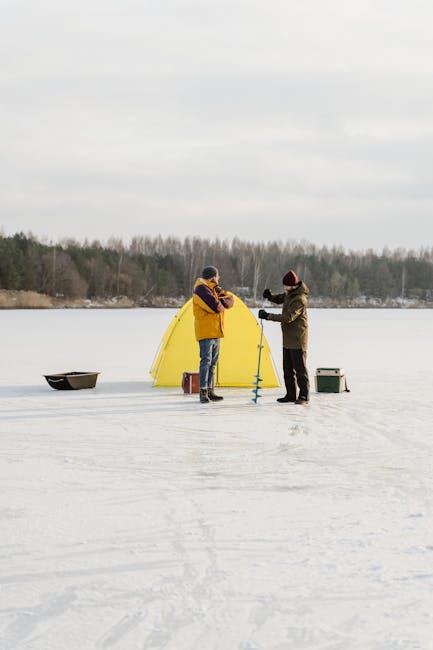
Ice Fishing — Drilling a hole in a frozen lake and fishing through it. Genuinely meditative for the right personality type. You’re outside, you’re away from screens, and the silence of a frozen lake is its own kind of rare.
Sledding — Find a good hill and a sled. The most accessible snow activity that exists. Genuinely fun for adults, not just kids.
Winter Hiking — The same trails you walk in summer, transformed. Fewer people, cleaner air, better views in many cases. The key requirement: appropriate footwear. Microspikes over your boots handle most conditions.
Cold-Weather Running — Running in cold air is easier than most people expect. The key is layering properly and starting slow. Your lungs adjust within a few minutes and the runs often feel better than summer ones.
Long evenings and cancelled plans are the raw material of creative projects. This is the section for anyone who has been meaning to make something but kept waiting for the right stretch of unscheduled time. Winter is it.
Knitting and Crochet — Repetitive, meditative, and produces something tangible. Knitting and crochet have seen enormous resurgences across younger demographics. The barrier to entry is low — under $30 for needles and yarn to start.
Woodworking — Building or carving things from wood. Entry level is whittling with a single knife. The upper end involves a full workshop. The gap between where you start and what you can make is surprisingly small after a few months of practice.
Painting — Watercolor, acrylic, or gouache — pick one and start. Acrylic is the most forgiving. You don’t need talent to find the process absorbing. The output improving over time is its own reward.
Drawing and Sketching — A pencil and sketchbook. No other materials required. Skill builds visibly fast — compare week one to week eight and the improvement is tangible.
Puzzles — Jigsaw puzzles are a genuinely satisfying winter activity. The larger formats (1,000+ pieces) can occupy evenings for weeks. Better with company, but works solo too.
Creative Writing — Fiction, essays, personal narrative, or journaling. November is when NaNoWriMo runs — a global event where thousands of people write a novel draft in a month. The deadline pressure is surprisingly effective.
Baking — Bread, pastries, cookies, cakes. The warmth of an oven against a cold day is its own reward before the food is ready. Winter is when baking makes the most sense environmentally and psychologically.
Scrapbooking and Memory Projects — Organizing photos, letters, and mementos into something permanent. The unscheduled pace of winter suits this kind of slow, intentional work.
Miniature Painting — Painting detailed figurines for tabletop games or as standalone display pieces. Requires fine motor control and patience. A strong online community exists across skill levels and tutorials are abundant.
Candle Making and Soap Making — Both produce functional results fast. The setup cost is modest and the first batch is achievable in an afternoon.
Winter is the season where the abstract intention to “learn something” has the best shot at actually happening. The evenings are long. The distractions are fewer. The cost of staying home is lower.
Online Courses — Khan Academy, Coursera, edX, and MIT OpenCourseWare offer serious learning for free. The winter months with their enforced indoor time are the most realistic window to actually complete one.
Language Learning — Duolingo builds the daily habit. Pair it with Language Transfer audio courses and a weekly conversation partner and you’ll be surprised what six months of winter practice produces.
Learning an Instrument — Guitar, piano, ukulele, or drums. The first three months of instrument learning show faster visible progress than almost any other skill. YouTube tutorials have eliminated the cost barrier for beginners.
Coding — freeCodeCamp and The Odin Project offer complete free curricula from zero to employable. Both are self-paced. A dedicated winter with a few hours per week can move you meaningfully.
Photography — Winter light is some of the best of the year — low angle, soft, dramatic. Snow transforms familiar locations. It’s a better season for learning photography than most people realize.
Reading Seriously — Not scrolling, not audiobooks on half-attention — sitting with a book you chose because it matters to you. Winter is the natural season for this. Set a reading list at the start of winter and work through it.
Amateur Astronomy — Cold, dry winter air is optically cleaner than warm summer air. Long nights give more observation window. The winter sky is one of the best of the year for stargazing. A pair of binoculars is sufficient to start.
Winter’s tendency to keep people indoors makes social intentionality more important, not less. The activities below work because they create the conditions for actual connection — shared focus, repeated contact, and experiences worth remembering.
Board Game Nights — The modern board game landscape is nothing like the Monopoly of childhood. Wingspan, Ticket to Ride, Catan, Codenames, Azul — games designed for adults by people who take game design seriously. A standing weekly game night is one of the most reliable sources of regular social connection available.
Dinner Parties — Hosting a proper dinner: planned menu, real cooking, people around a table. Winter makes these feel more appropriate than summer (when everyone wants to be outside), and the warmth and smell of a kitchen producing food for people is a genuine antidote to seasonal isolation.
Escape Rooms — Working through a themed puzzle room with a group in a timed challenge. Good for groups of two to six. A natural winter outing when outdoor options are limited.
Family Game Nights — A regular scheduled game night adapted for your family’s age range. The scheduling matters as much as the games — “every Friday” becomes a tradition in a way that “sometime” never does.
Cooking and Baking Together — Using the kitchen as a joint project: teaching kids to cook, making a complex dish together as adults, working through a recipe as a shared challenge. Food made together gets eaten differently than food that appears.
Family Movie Projects — Not passive watching but a curated series: every film by one director, every Best Picture winner from a decade, every film in a franchise in release order. The theme transforms watching into a project with continuity.
Group Classes — Dance, pottery, cooking, language, fitness — anything that meets in person regularly. The scheduled social commitment is the point as much as the content. Most studios and community centers have significantly more indoor programming in winter.
Book Clubs — Reading the same book as a group and discussing it on a schedule. The social pressure to actually read is the book club’s actual value. December–February is when book clubs thrive because the combination of long evenings and natural reflective impulse lines up perfectly.
Volunteer Work — Food banks, shelters, literacy programs, trail maintenance, animal shelters. Winter is when need is most visible and when most organizations are understaffed. Volunteering regularly is one of the most reliable antidotes to both boredom and the low-grade depression that winter can bring.
The stretch from late November through early January is the densest concentration of cultural activity of the year. These aren’t just things to do — they’re the specific texture of this season.
Holiday Decorating — Treating decoration as a creative project rather than an obligation: designing the space, choosing a color palette, making rather than just buying. Even people who aren’t particularly sentimental about holidays often find that the physical act of decorating improves their winter mood.
Gift Making — Creating handmade gifts: knitted scarves, baked goods, woodworked items, framed photos, hand-lettered cards, preserved food. Handmade gifts require time and intention, which is exactly what this season offers. Plan what you’re making in November so the making can happen through December at a comfortable pace.
Holiday Baking — Specifically the seasonal baking that only makes sense once a year: gingerbread, shortbread, stollen, cardamom rolls. The cultural diversity of winter baking traditions across different heritages is an extraordinary resource — there are entire traditions of winter baking most people have never encountered.
Year-End Reflection and Planning — The calendar year ending is an arbitrary marker, but arbitrary markers are useful for reflection. Reviewing what happened, what mattered, what you learned, and what you want to do differently is genuinely valuable if done with care rather than pressure.
If nothing above is quite right, these exist:
Ice Sculpting — Carving figures and structures from large blocks of ice using chisels and hand tools. The finished work is temporary — days at most — which is either a drawback or philosophically interesting depending on how you look at it. Community introductory courses exist in many cold-climate cities.
Cold-Weather Astronomy — Dedicated stargazing and amateur telescope work in winter conditions. Cold, dry air is optically clearer than warm, humid summer air — winter is actually one of the best seasons for sky observation, despite the temperatures. Layer properly, give your eyes 20 minutes to dark-adapt, and winter skies reward the effort.
Letter Writing — A deliberate practice of writing physical letters to people you care about — not cards, but actual multi-page letters. The declining rarity of handwritten correspondence makes each one more meaningful to receive. Good stationery and a decent pen are the only tools required.
Winter Foraging — Identifying and harvesting edible plants in winter conditions. Fewer species are available but the ones that are — rosehips, pine needles, certain mushrooms — are easy to identify and genuinely useful.
Popular beginner-friendly indoor hobbies include painting, writing, cooking, knitting, and board games—all requiring minimal investment and no prior experience. Many of these can be learned through online tutorials and provide immediate satisfaction. The guide covers 60+ activities, so you can match your interests and available time.
Many winter hobbies range from free (reading, journaling, meditation) to under $50 (basic art supplies, puzzles, cooking ingredients). More specialized activities like skiing or ice skating may require equipment investment, but the guide includes budget-conscious options for every preference. Starting small and upgrading later is a practical approach.
Yes—activities like ice skating, snowshoeing, and cross-country skiing are learnable at any age with proper instruction and practice. Most winter sports have beginner classes available at local rinks or slopes, and fitness level matters less than willingness to try. The guide breaks down difficulty levels to help you choose appropriately.
It depends on the activity—some hobbies like reading or meditation take 15–30 minutes daily, while others like planning a vacation or starting a home project can be worked on flexibly. The guide includes both quick activities for busy schedules and longer-term projects for deeper engagement. You can mix short and long hobbies based on your available time.
Consider whether you prefer solo activities (reading, art, gaming) or social ones (board games, sports, group classes), and whether you want something indoors, outdoors, or both. The guide organizes 60+ activities by category and difficulty, making it easy to explore options that match your interests. Start with one that excites you most, then branch out from there.
Yes—winter hobbies combat seasonal boredom and depression by keeping your mind engaged, providing structure, and offering social connection or peaceful solo time. Physical activities like winter sports boost mood through exercise, while creative pursuits like painting or writing support mental wellness. The variety available ensures you can find activities aligned with your mental health needs.