BoredomBusted — Find Your Next Favorite Thing To Do
Discover hobbies, activities, places, and ideas that spark joy. Whether you're looking for something creative, active, social, or relaxing, BoredomBusted helps you find your next favorite thing to do.
Browse our hobby guides, things-to-do collections, and place ideas to never be bored again.
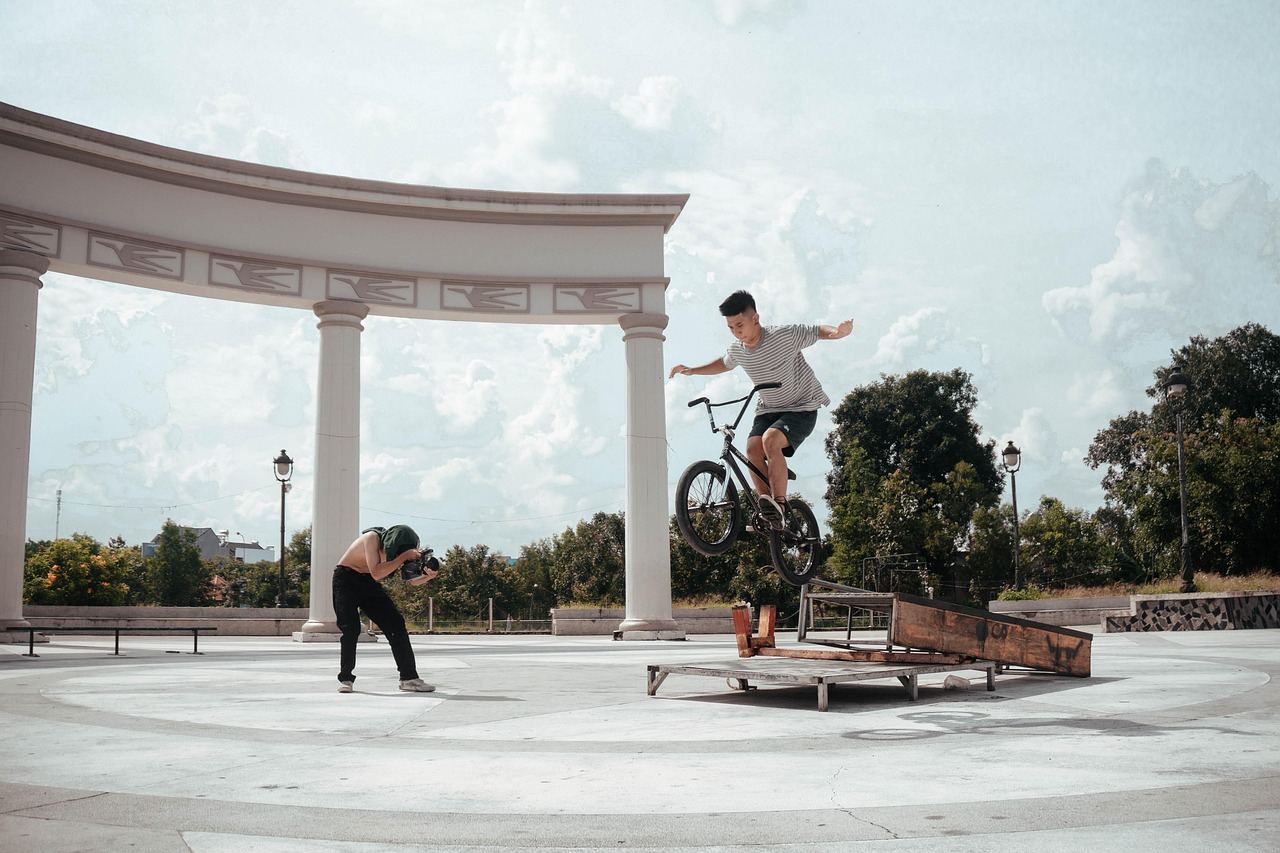
BMX isn’t just for teens; it builds unmatched proprioception and core stability, making it a transformative hobby for all ages, not just a trick sport.
Getting started with BMX as a beginner involves learning the fundamentals of tricks and jumps on specialized bikes designed for this exciting cycling style. BMX – short for *Bicycle Motocross* – is a style of cycling built around tricks, jumps, and technical riding on purpose-built bikes with 20-inch wheels.
You ride, you fall, you learn a move until it clicks.
Unlike road or mountain biking, the point isn't the destination – it's what you can make the bike do.
In BMX, riders engage in explosive drills like standing starts and bunny hops, practice tricks, and condition their strength off the bike through plyometric exercises, all aimed at improving their power, balance, and track-handling skills on varied terrains such as dirt tracks, skateparks, or urban streets.
BMX promotes a flow state by demanding intense focus and coordination, creating immediate feedback loops through sensory experiences like acceleration and height, which fosters a sense of accomplishment as riders progress and master increasingly complex skills and tricks.
You think BMX is a teenager's hobby. Baggy clothes, skateparks, scraped knees — a sport with an unofficial age limit nobody wrote down but everyone assumes.
That assumption collapses the moment you understand BMX isn't one thing. Street, park, dirt, flatland, trails — they share a bike frame and almost nothing else. Most people who quit BMX never found their discipline; they just picked wrong and blamed the sport.
Marcus was 38, two decades out of any consistent fitness routine, when he landed on flatland. Six months in, he had better core stability than he'd had at 22 — not because flatland is forgiving, but because it punishes every compensating movement your body has learned to hide.
No gym rep forces honest posture.
No machine catches a lazy hip.
A BMX balance drill will.
BMX trains proprioception faster than most gym work — your body learns rapid weight redistribution, and that carries over into every other physical activity you do. The catch is that none of this matters if you show up with the wrong bike for the wrong discipline.
That's the decision sitting between you and your first real session — and it's worth getting right before you spend a dollar on gear.
You watch BMX videos and think you've got it down. Then you hop on the bike, and it feels like stepping into the unknown.
The real challenge is the disconnect. Those videos were made by riders who moved past falling off years ago. What you're watching has almost nothing to do with where you're starting.
Your first sessions will include shaky balance, braking too hard, and feet hitting the ground more than you'd like to admit. The geometry is nothing like a childhood cruiser, and your body knows it immediately.
Week two, you'll attempt your first manual and lose it almost instantly — but you'll feel the balance point for one second. That second matters more than the fall. By week three, small jumps start feeling predictable, mostly because you've crashed enough to know what a crash actually costs you.
Week four tends to produce one session where a single thing clicks. Not everything — just one thing. It's enough to reframe the whole month and keep you coming back.
The awkward phase is raw and it shows, but that's the cost of learning a new geometry from scratch. Most beginners also make one avoidable mistake right away: they set the seat too high, like on a regular bike. Lower your seat first — it keeps your weight centered and softens landings in a way a high seat simply won't. The next section covers the mistakes that keep people stuck in this phase longer than they need to be.
When to start: Morning
Duration: 1.5 hours
Cost to try: $20
Success criteria: if you finished without injury, do session 2.
Shops push 20" freestyle bikes hard because they're standard stock. They're built for flatground tricks, not dirt jumps or pump tracks.
Figure out where you'll actually ride before you buy anything. A freestyle bike on a pump track will fight you the entire time — geometry matters more than brand or price.
New riders see manuals and barspins on YouTube and want to start there. Skipping ahead feels like a shortcut until you hit a wall two weeks in and nothing sticks.
Every advanced move in BMX builds off the bunny hop — both wheels leaving the ground together, under control. Get it consistent before touching anything else.
High tire pressure feels planted on flat pavement. In turns and on landings, it becomes a liability fast — the tire deflects instead of gripping.
Drop to 50–60 PSI and the difference in corner grip and landing feel is immediate. Most beginners are running 80+ PSI without realizing it.
Squeezing the brakes at the top of a jump throws your weight forward instantly. Your front wheel drops, your balance shifts, and the landing turns into a scramble.
Keep your brake fingers extended flat against the bars from takeoff to touchdown — no contact with the levers. Drill this on small jumps until relaxed hands feel automatic.
Most riders fixate on the trick and treat the approach as an afterthought. Wrong speed or wrong angle ruins the move before it starts.
Ride your approach line ten times clean before you attempt the trick once. Consistency at entry makes everything that follows easier to repeat.
BMX is all about finding the right spot. You'll usually find enthusiasts at skate parks, BMX-specific tracks, or occasionally an empty parking lot.
USA Cycling's club finder at usacycling.org is the go-to for finding BMX clubs. Their directory sorts clubs by zip code and gives you the official scene.
Approach someone at the track and say: "I'm just starting out – is there someone I can follow through a line?" Get a mentor, not marketing materials.
Street riding turns stairs, rails, ledges, and curbs into obstacles. No entry fee, no schedule, no designated space.
This is the default choice if you live in a city and want to ride today — no build required, no membership, no driving anywhere.
Park riding is what you've seen on TV — ramps, transitions, and a real audience watching. Skateparks give you defined obstacles and room to build skills in sequence.
A decent park bike runs $300–$500 new, and most public parks are free. The structured environment makes this the fastest path from zero to consistent tricks.
Dirt jumping is purpose-built mounds, big launches, and style in the air. The riding itself has a low learning curve compared to street. Finding good dirt spots, though, takes real legwork.
Flow and aesthetics drive this discipline — if you care more about how a trick looks than how technical it is, this is your lane.
Flatland is just you, a flat surface, and a bike — no ramps, no jumps, no speed. Riders chain together spins, balances, and foot maneuvers that look closer to choreography than cycling.
The ceiling is extremely high. This suits riders who are motivated by mastery of movement itself, not by height or speed.
BMX racing is gate starts, bermed tracks, and eight riders launching at once. It's competitive from your very first race day — not a discipline you ease into.
You'll need a race-specific bike. A street or park setup won't survive the demands of a real race track — the geometry and components are purpose-built for speed, not tricks.
Readers who enjoy this often gravitate toward Indoor Cycling next.
If you want a related angle, Road Cycling is the natural next stop.
Another variant that pulls from the same roots is Track Cycling.
The real obstacle isn't memorizing trick sequences. It's committing your body weight properly. Moving your center of gravity into the trick, not around it, is the key.
Weight commitment is the foundation. It's how you drive your hips over the front axle in a manual or drop into a turn effectively.
Once you commit your weight, balance adjustments become automatic. Your hips start handling the work previously done by conscious effort. Without committing, every move feels like a hopeful recovery, rather than a fluid sequence.
Eight sessions over 30 days, roughly twice a week. That's enough time for your body to adjust to the bike and find out if you enjoy the actual activity — not just the idea of it.
If you're arriving at the park early and staying late, and you're watching clips of riders between sessions without meaning to, that's the hobby, not just curiosity about the hobby. The next move is finding a progression park and getting around people who ride regularly.
A lukewarm feeling after eight sessions is honest data. Try four more with a specific skill target — a manual, a bunny hop with real height, one clean run at a feature that's been stopping you. Indifference after that is a clean answer.
If finishing a session brought relief rather than anything else, that's a signal worth respecting. Difficulty is normal early on — but not wanting to be there is different from finding it hard. Don't reframe that as something to push through.
The sign worth paying attention to: you're noticing specific riders, specific tricks, or specific spots without being prompted. That pull happening on its own is what genuine fit tends to look like.
If nothing here clicks, our guide to what to do when bored covers shorter, lower-commitment options.
A decent beginner BMX bike typically costs $150–$300, which covers a quality entry-level setup. You can find cheaper bikes, but investing in a reputable brand ensures better durability and performance as you progress. Additional protective gear (helmet, pads) will add another $50–$150 to your startup costs.
Most beginners can master basic tricks like bunny hops and manuals within 2–4 weeks of consistent practice (3–4 sessions per week). The timeline depends on your balance, coordination, and practice frequency. More complex tricks like tailwhips and 360s typically take several months of dedicated training.
BMX has a moderate learning curve — basic riding skills develop quickly, but progressing to tricks requires patience and persistence. Falls are part of the learning process, which is why protective gear is essential. Most people find the first few weeks challenging but rewarding as they see rapid improvement.
Street BMX focuses on riding and performing tricks on urban obstacles like stairs, rails, and ledges, emphasizing technical, creative lines. Park BMX uses specially designed ramps and bowls for flowing, high-flying tricks and racing. Most riders specialize in one style, though many enjoy both.
A helmet is non-negotiable, and wrist guards, elbow pads, and knee pads are highly recommended for beginners to reduce injury risk. Full protection is especially important when learning tricks, though some experienced riders wear minimal padding. Budget $50–$150 for a complete protective setup.
Adults absolutely can start BMX at any age — many riders don't begin until their 20s or 30s. Adult progression might be slower due to body recovery and time constraints, but the fundamentals remain the same. There's a growing adult BMX community with races, events, and groups dedicated to older riders.