BoredomBusted — Find Your Next Favorite Thing To Do
Discover hobbies, activities, places, and ideas that spark joy. Whether you're looking for something creative, active, social, or relaxing, BoredomBusted helps you find your next favorite thing to do.
Browse our hobby guides, things-to-do collections, and place ideas to never be bored again.
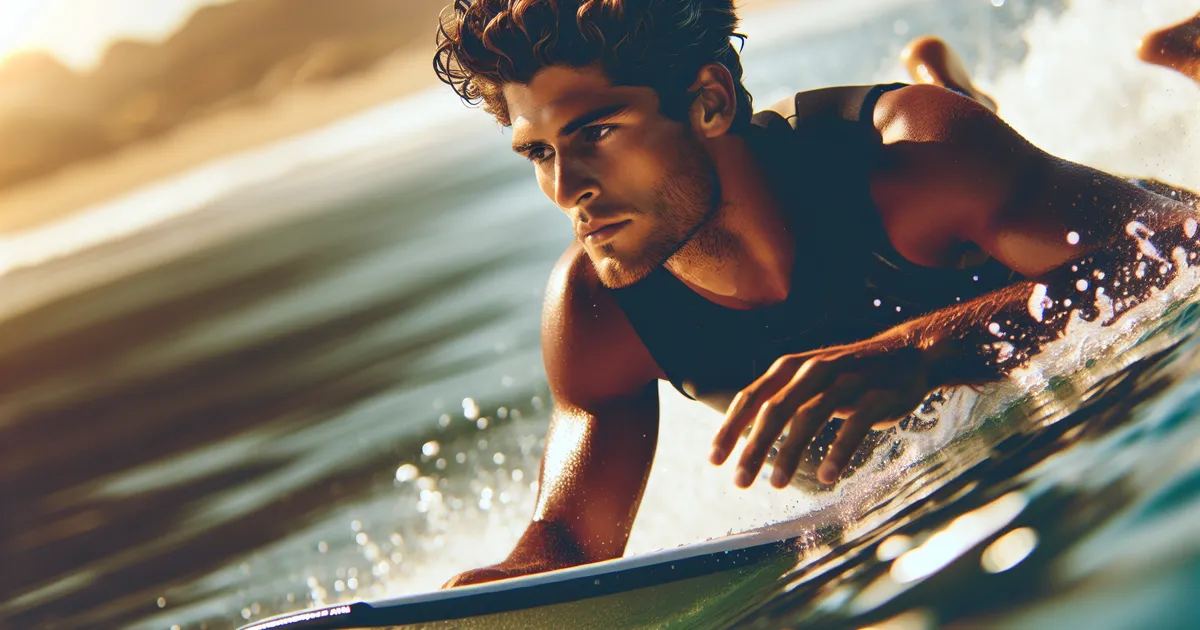
Bodyboarding isn't just for kids before surfing; it's a sport with its own unique moves and a steeper learning curve packed with immediate rewards.
Getting started with bodyboarding as a beginner involves learning to ride ocean waves on a short, buoyant foam board – lying prone, then using your fins and body weight to control speed and direction.
Unlike surfing, there's no standing up.
The skill lives in reading the wave, not balancing on two feet – which makes the learning curve shorter, but the ceiling just as high.
Adult bodyboarders engage in catching waves by paddling into the ocean on a specialized board, positioning themselves to ride the wave's energy. They perform maneuvers such as 360° spins and cutbacks, balancing their body to maintain control while navigating the wave. The activity involves sustained paddling, core stability, and precise timing to execute tricks, with each ride demanding physical …
Bodyboarding combats boredom through immediate skill feedback, as riders either successfully catch waves and execute tricks or they do not, providing constant performance assessment. The sport's progressive skill development encourages ongoing goals, while the variability of ocean conditions creates novelty, preventing monotony and keeping engagement high.
You think bodyboarding is just a phase before surfing.
A stepping stone. Something kids graduate out of. That assumption keeps people from discovering the true depth of this sport.
Bodyboarding boasts its own professional tour, with moves like inverted aerials, barrel rolls, and 360s inside the tube — feats a surfboard can't deliver.
Near the water's surface, the ocean offers a different perspective.
You catch waves surfers miss — shorter, steeper, faster-breaking waves that defy longboards but fit bodyboards perfectly.
The path isn't gentler. It's just packed with immediate thrills. Most beginners conquer their first real wave on day one, accelerating instinct development.
Check out Pierre-Louis Costes at Pipeline. He executes inverted moves inside one of the heaviest waves, not because he can't surf, but because bodyboarding allows him access to places nothing else does.
Stop seeing bodyboarding as a precursor to surfing.
Consider what diving into this sport actually entails next.
Stepping into bodyboarding feels like stepping into chaos. Watching seems effortless, but the moment a wave sideswipes you, you're tumbling, unsure which way is up.
Suddenly the gap between watching and doing is painfully real—it's far more physical than it looks.
Expect a workout disguised as fun. Arms burning, water swallowed twice, a board collision with your face—paddling out is a full-body ordeal that leaves you exhausted.
By week two, the paddle-out feels less punishing. You'll grow sharper at recognizing waves to avoid, which becomes crucial knowledge.
By week three, you get to enjoy those moments when you not only hold on but actually look up during a ride. That shift marks real progress.
In week four, there'll be a session where it all clicks. Every wave won't be perfect, but enough will be to stop dreading the paddle-out. Tired, salty, questioning—this is normal.
It's not failing. That's where everyone stands at session three, even those who go on to love it.
A simple positioning tip can change your experience—keep your hips at the board's bottom third. Many beginners stay too far forward, burying the nose and losing speed when it's most crucial.
When to start: Early morning
Duration: 1 hour
Cost to try: $20
Success criteria: If you catch and ride three small waves all the way to shore on your stomach, do session 2.
Beginners tend to lie flat and expect the wave to do the work. But a flat board takes you nowhere.
Tilt your board's leading rail into the water as you drop in. This helps the board grab the face of the wave instead of sliding over it.
Kicking from the knee feels stronger but burns your energy fast. Your legs will get tired quickly.
Use long, smooth kicks from the hip. Think of it like a flutter kick to maintain speed and stamina.
Riders often select a board just by looking at cost rather than size. Cheap boards may not support your weight.
Waiting too long leaves you behind the wave's peak. This makes you miss the timing completely.
Paddle when the wave is 10–15 feet out. You'll be at speed when the wave arrives, ready to ride.
Beginners often end up with fins that aren't suited to them, just picking from what's in stock.
Opt for softer fins like Churchill Makapuus. They require less leg strength, allowing newbies to focus on position over power.
Bodyboarding thrives at beach breaks with consistent waves and a sandy bottom. It's all about catching waves at the beach. If you're lucky, a wave pool might be an option for extra practice.
Tell people you're a beginner on your first session. Say it before paddling out. That declaration often leads to a spot that's more beginner-friendly and crucial tips on local etiquette.
Not every bodyboarder rides the same way. These are the versions actually worth knowing before you commit to a setup.
This is lying flat on the board with fins, kicking along. It's the easiest way to begin, and most people start here. Fins make a huge difference — don't skip them thinking they're optional.
One knee on the tail, one foot at the front. This setup is between prone and standup surfing. Great for riders who've mastered prone and crave a new challenge. No need for extra gear — your bodyboard works fine.
You're standing, using the board like a mini surfboard. Looks easy, but balancing is tricky — more surfing than prone boarding. For experienced prone riders, cross-training is possible without a full surfboard.
Ride on whitewater rivers with shorter, thicker boards built for the turbulence. Perfect for those far from the ocean. Budget $200–$400 for a dedicated riverboard.
Combine skimming and small waves with an oversized skimboard. It's a niche activity for flat beach days. Ideal for bodyboarders between sets. Not a full-time discipline to pursue.
For something adjacent, see Wakeboarding.
If the texture of this appeals to you, Singles Tennis is built on similar bones.
Readers who enjoy this often gravitate toward Longboarding next.
Most beginners spend all their energy paddling harder and kicking faster. They're trying to force the wave, but it doesn't work.
The breakthrough comes from reading the wave's energy, not brute force.
It's about how you position your body on the board to stay in the wave's power pocket. Forget left-right balance and kicking rhythm for a moment. Focus on subtle forward pressure on the nose to drop in, and a gentle backward shift to hold speed without outrunning the break.
Without this skill, you nosedive or slide off the wave before anything fun happens. With it, the wave does the work for you. You get to steer instead of struggling.
Every move – cutbacks, rolls, drop-knees – builds on this dynamic feeling.
Six sessions over 30 days. That's the test. This gives you enough time to experience different ocean conditions and different versions of yourself in the water. You need the variety that comes with different swells to fully understand if bodyboarding is for you.
You find yourself thinking about the water even when you're not near it. That's more than just motivation; it's genuine interest. It's time to look at your local break seriously and maybe invest in a wetsuit.
You're indifferent to the experience. The sessions didn't tire you out too much, nor did they excite you. If bodyboarding feels more like a workout than a joy, extend with three more sessions. If that doesn't change things, consider moving on.
You actively disliked the experience. If being in the ocean felt wrong to you, it's important to acknowledge that. No need to force it; bodyboarding simply might not be your match.
You're checking out surf footage focusing on bodyboarders or eyeing wave forecasts for places you don't even live near. This type of background curiosity hints at a long-term interest that most committed bodyboarders recall from their early days.
Not sure bodyboarding is for you? The full hobby list covers everything else worth considering.
If bodyboarding feels like too much to commit to right now, browse what to do when you're bored for lower-stakes ideas.
Bodyboarding uses a smaller, more buoyant foam board (roughly 3–4 feet) that you ride while lying or kneeling, whereas surfing uses a larger board and typically involves standing. Bodyboarding is often considered easier to learn and gives you a closer, more intimate connection to the water and wave dynamics.
At minimum, you need a bodyboard, fins (flippers), and a wetsuit depending on water temperature. A leash connecting your board to your wrist is essential for safety. Many beginners rent equipment at local beaches before investing in their own gear.
Most people can catch and ride waves within their first session, though developing real control and technique takes a few weeks of regular practice. Within a month of consistent effort, you'll be comfortable navigating different wave conditions and improving your style.
Bodyboarding carries similar risks to surfing—rip currents, shallow water impacts, and collisions—but the lower height and smaller board reduce some injury severity. Always bodyboard at patrolled beaches, wear appropriate protection, and never go out alone in unfamiliar conditions.
Entry-level bodyboards range from $50–$150, while mid-range quality boards cost $150–$300. High-performance boards designed for experienced riders can exceed $400, but beginners should start with affordable rentals or budget models to develop skills before investing heavily.
Bodyboarding suits a wide range of fitness levels—it's less physically demanding than surfing since you're not constantly standing and balancing. That said, paddling out and controlling the board require decent upper-body strength and cardiovascular endurance, which you'll naturally build over time.