BoredomBusted — Find Your Next Favorite Thing To Do
Discover hobbies, activities, places, and ideas that spark joy. Whether you're looking for something creative, active, social, or relaxing, BoredomBusted helps you find your next favorite thing to do.
Browse our hobby guides, things-to-do collections, and place ideas to never be bored again.
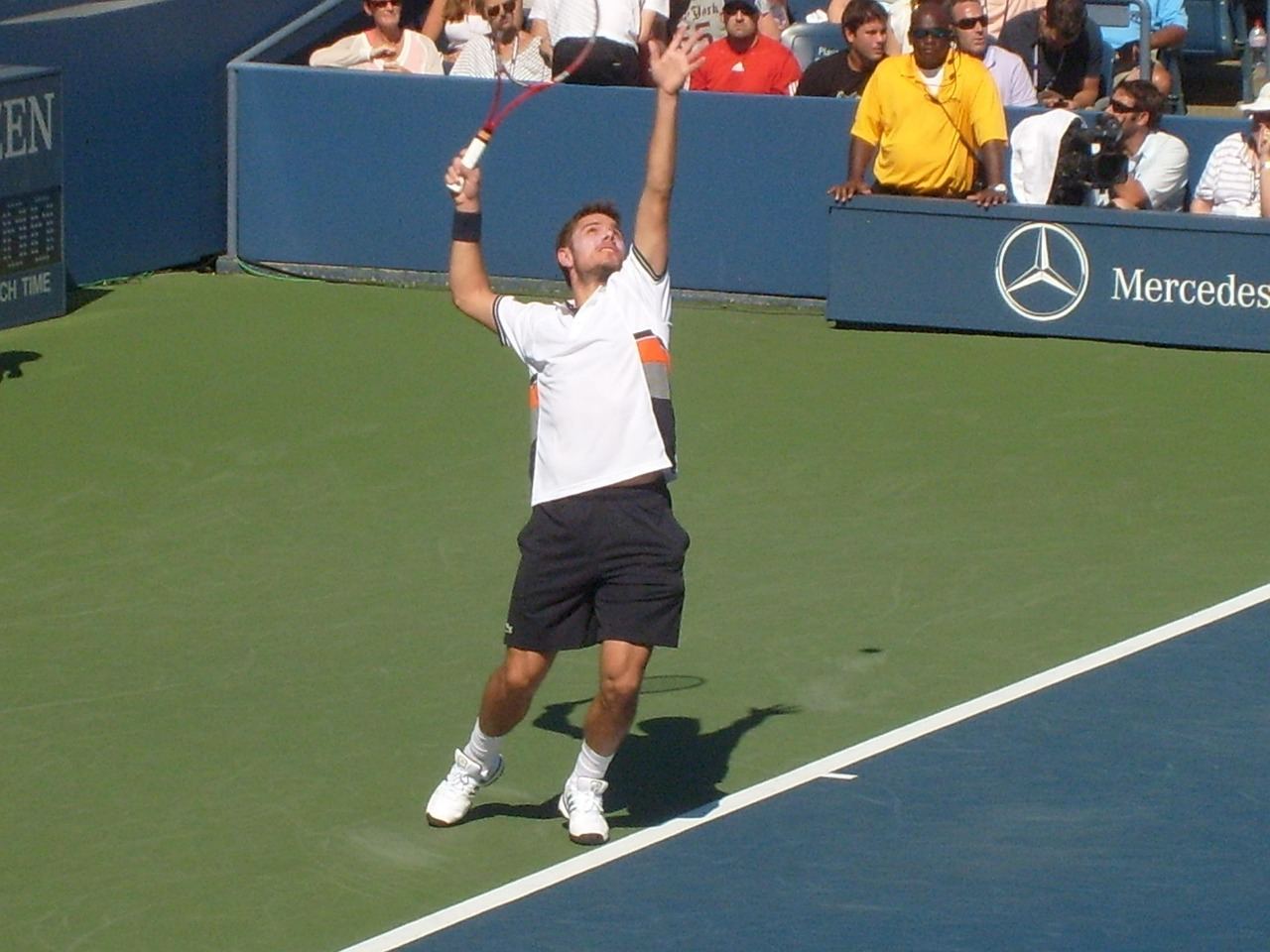
Singles tennis isn't just about hitting balls — it's a high-stakes chess match where every shot is a setup for the next move to outsmart your opponent.
Learning singles tennis as a beginner is an exciting way to engage in a competitive one-on-one sport that sharpens your skills on the court, where you alternate hitting a felt ball over a net until someone misses or hits out.
Unlike doubles or casual hitting, singlesputs every decision – positioning, shot selection, stamina – entirely on you.
No teammates to cover your gaps.
In singles tennis, participants engage in hitting the ball back and forth across the court, executing a variety of shots like groundstrokes, volleys, and serves while running and pivoting to cover the court alone. This involves repetitive drills and competitive exchanges where players maintain rallies, focusing on shot accuracy, positioning, and strategic responses to an opponent's movements.
Singles tennis induces a flow state through high-stakes rallies that require focus and quick decision-making, while providing skill feedback loops from visible rally lengths and error patterns, allowing for continual self-correction and a sense of accomplishment as players conquer specific challenges in their game.
You think singles tennis is just two people hitting a ball back and forth until someone screws up.
The sport isn't about mistakes, it's about pulling together what happens after each shot.
Watch a club-level match between two players who've been playing for two years.
They're not just rallying. One player keeps pulling their opponent wide to the backhand, then wrong-footing them through the middle – a pattern they've been setting up for four shots.
The winner isn't the faster one. It's the one who planned further ahead.
The mental game can feel intimidating, as if sustaining a long rally might be beyond reach.
But those who crave mastery don't quit – they find the challenge irresistible. Next, we'll unpack how to build that mental edge so it becomes second nature.
Tennis seen from the sidelines is deceptive. What feels like an elegant dance from afar becomes a chaotic scramble when you're in the game.
The challenge is coordination, not skill. Tracking the ball, knowing where your feet are, and making contact with the racket all at once is a new demand.
Suddenly, everything shifts. Shots that looked smooth now feel erratic. The court feels enormous, and the ground beneath you feels like quicksand as you try to react in time.
Your opening sessions are a whirlwind. Hitting cleanly is a rarity, and consistent rallies feel elusive at first.
A strange rhythm develops. Something like music in the madness. Navigating the court as a whole, rather than staying stubbornly at center court, helps you stay in the game.
When to start: Early morning
Duration: 1 hour
Cost to try: $0
Success criteria: If you can rally 10 forehands and 10 backhands in a row and land 5 of 10 serves inside the service box, do session 2.
Your forearm tenses up when the point matters, and a white-knuckle grip kills both power and control before the ball even leaves your strings.
Switch to a grip pressure of about 4 out of 10 – loose enough that someone could pull the racket from your hand with a firm tug.
The lines feel like the target because that's where winners land on TV – but beginners who aim at lines gift their opponent every third point.
Aim 3–4 feet inside the baseline and sidelines until your shot consistency holds above 80% in a rally.
The serve feels like its own separate event, so new players watch it land instead of moving – and they're flatfooted when the return comes back fast.
The moment your racket finishes the swing, take a split-step toward the center of the baseline so you're already loaded and moving.
Pace feels like progress. It isn't – unforced errors from overhitting end more amateur matches than any opponent does.
Drop your swing speed by 20% and focus on brushing up the back of the ball to generate topspin, which keeps hard shots inside the court.
The serve gets all the practice time because it feels like the "skill" shot, but the return of serve determines whether you're even in the point.
Stand a full step behind the baseline on first serves and focus your return practice on blocking the ball deep and crosscourt – placement over power, every time.
Singles tennis courts are more abundant than you think. Check out public parks, tennis clubs, and recreation centers in your city.
Go to the USTA Club Finder at usta.com/en/home/play/tennis-in-your-community/find-a-club.html. This directory from the United States Tennis Association is your best starting point.
Search "USTA league [your city]" to find USTA Adult Leagues matched by skill level, keeping you from facing off against seasoned pros.
Use Meetup.com for "[your city] tennis" to find casual singles round robins with no membership requirements.
Search "tennis ladder [your city]" on TennisRungs.com or Tennis-Ladder.com for structured matchmaking at your level.
Introducing yourself with, "I'm a beginner, I don't have an NTRP rating yet – what's the right entry point here?" helps you find beginner clinics or rated leagues instead of being outmatched.
Four players share the court and the pressure. The alleys change positioning and reward net play over baseline grinding.
A great choice if you want the social aspect of tennis without the full physical load of singles.
Played on a shorter court with slower balls, this format aids in learning technique. Originally designed for kids, it's beneficial for adults too.
Ideal for beginners eager to develop proper strokes before tackling a full court.
This group fitness class centers around drilling instead of competing. Expect lots of movement and hitting without the hassle of scoring.
Great for those seeking a workout minus the pressure of playing an actual match, and it removes intimidation quickly.
Played in an enclosed glass court much like a squash court, Padel involves scoring like tennis but incorporates walls.
If you're into singles tennis and want a team sport to enjoy with friends, Padel is an exciting alternative.
Cost is similar to tennis, but finding Padel courts can be tough unless you're in a city.
Enjoy the same game with compressed rules: no-ad scoring, first to four games, and tiebreak at three-all.
Perfect for regular players who crave more competitive reps in a shorter time.
If this resonates, Wakeboarding explores a similar direction.
A close neighbor worth considering: Longboarding.
A close neighbor worth considering: Bodyboarding.
Court position management changes everything in singles tennis.
Most beginners obsess over hitting harder or cleaner. This focus often leads to stalling out within six months. The real lever isn't your stroke but your position when your opponent hits the ball.
Court position management means recovering to the right spot before your opponent makes contact. Avoid returning to the center blindly; instead, aim for a calculated triangle. Find the midpoint between the two most dangerous replies to your last shot.
Positioning mistakes make even good shots problematic. They force you into ugly, defensive scrambles that seem like technique issues. But when positioning clicks, anticipation replaces reaction. Better footwork and faster swings matter much less without it.
Repeating drills without a ball frees you from distraction. Next, we'll explore where this tactical edge gives you the biggest advantage.
Commit to 8 sessions across 30 days, about twice a week. This will get you beyond awkward beginnings and into authentic rallies, which is the real test of your liking for this sport.
If you want to keep going, that's a good sign. If you're replaying a perfect forehand in your head, it's more than nostalgia. That's the loop that hooks people for life. Next steps? Schedule another court session and find a playing partner who matches your skill.
If you're indifferent, it's not a failure but a clue. You might not be into solo play, but social tennis could be more your style. Try a casual doubles match before stepping away completely. Sometimes the social aspect changes the entire experience.
If you didn't want to be there, that's valuable to know. Tennis requires mental presence; if your mind wanders, it might not be for you. Trust this instinct.
A telling sign: you're watching amateur match footage late at night. Not just the famous tournaments, but local club games and recorded weekend matches. That genuine interest in the everyday version of tennis shows a deep interest, not just in the sport's aesthetics.
If chronic joint issues exist, singles tennis might not be suitable. It's physically demanding, even with excellent form, which can take time to develop. Accessing courts can also be a roadblock – long waits and travel can dampen enthusiasm. Consistency is key in the first year. Without a regular hitting partner, loneliness can set in despite group lessons being an option. If coordinating schedules is tough, the isolation of finding court time could become exhausting.
Curious what else is out there? Skim our list of hobbies for ideas that go in a different direction.
Sometimes you just need something for the next ten minutes — that's what things to do when bored is for.
Most beginners can learn fundamental strokes and court positioning within 8–12 weeks of regular practice, typically 2–3 lessons per week. Competitive readiness takes longer, usually 6–12 months of consistent training, but you can enjoy casual singles play much sooner.
You'll need a racket ($50–150 for beginners), tennis shoes, and access to a court, but you don't need premium gear to begin. Many facilities offer affordable court rentals or memberships, and basic equipment performs well for learning—you can upgrade later as you progress.
Singles tennis is highly demanding—it combines explosive speed, constant directional changes, and sustained cardio for 1–3 hours per match. It's more intense than doubles tennis because you cover the entire court alone, making it an excellent full-body workout that builds both strength and endurance.
Yes, complete beginners are welcome and can start with group lessons or private coaching at any age. The learning curve is manageable with proper instruction, and you'll improve steadily with practice—you don't need prior experience to enjoy the game.
In singles, you compete one-on-one and cover the entire court alone, requiring more footwork, court coverage, and mental strategy. Doubles relies more on partner coordination and serves a social function, while singles is more individually focused and strategically demanding.
Monthly court memberships typically range from $30–100 depending on location and facility quality, with additional costs for coaching ($30–100 per hour) if desired. Equipment is a one-time investment of $200–400 for a beginner setup, making tennis more affordable long-term than many assume.