BoredomBusted — Find Your Next Favorite Thing To Do
Discover hobbies, activities, places, and ideas that spark joy. Whether you're looking for something creative, active, social, or relaxing, BoredomBusted helps you find your next favorite thing to do.
Browse our hobby guides, things-to-do collections, and place ideas to never be bored again.
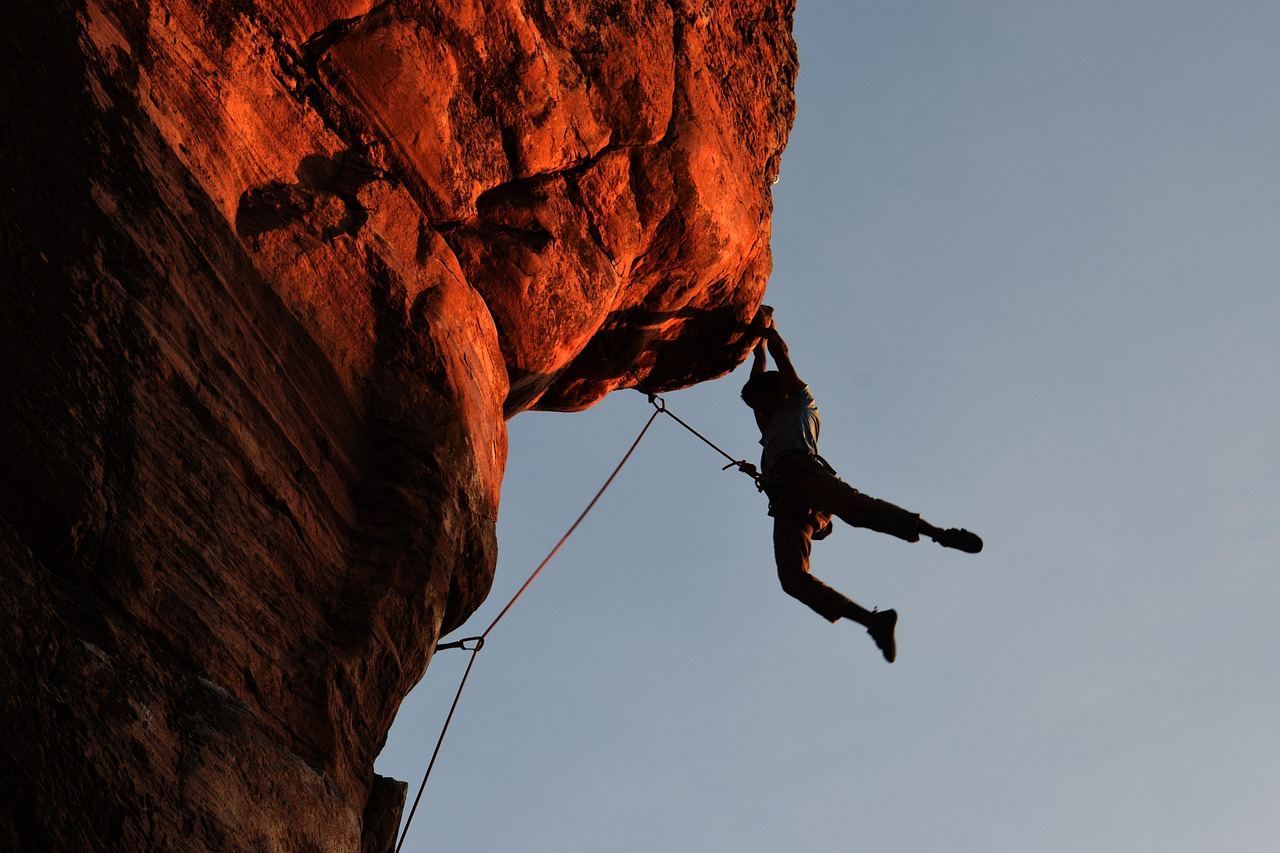
Bouldering isn't just rope-free climbing — it's a movement puzzle where strategy trumps strength, baffling even the strongest climbers.
Getting started with bouldering as a beginner is an exhilarating way to challenge yourself on short, powerful routes without the need for ropes or harnesses – you solve short, powerful routes called 'problems' on walls under 20 feet, with a foam pad breaking your falls.
Unlike sport climbing, there's no gear barrier and no partner required.
The challenge is pure problem-solving: strength, technique, and figuring out the sequence before your arms give out.
In bouldering, you climb short, ropeless routes on indoor walls or outdoor boulders, tackling specific sequences of holds while focusing on your body positioning and movement technique. You analyze each boulder problem visually, chalk your hands for grip, and execute a series of dynamic or static moves, often using crash pads for safety as you aim to reach the top of the problem.
Bouldering induces a flow state through immediate, intense challenges that require full concentration, aligning your skill level with the problem's demands. Feedback loops provide rapid progress through immediate success or failure, reinforcing a sense of accomplishment as you refine your technique. The constant novelty of different boulder problems fosters creativity in movement, while the commu…
Bouldering is more than rock climbing without a harness.
That idea reduces bouldering to a simpler sport, when in reality, it's a mental game wrapped in physical challenge.
Bouldering is about solving movement puzzles, not testing raw strength. The climber completing a route faster isn't necessarily stronger, they have thought through it better.
Each "problem" is carefully crafted to test your approach. You aren't fighting the wall as much as you are learning to read it.
The social atmosphere is unique too. People will join you, analyze your moves, and offer unsolicited advice—remarkably without irritation.
Consider a V3 problem that perplexed a former collegiate gymnast for forty minutes. It wasn't about lacking strength. Her mistake was forcing a move without recognizing a better alternative. A smaller climber showed her the correct hip rotation, solving it instantly.
Same setup. Same difficulty. Everything changed with a slight shift in thinking.
That mismatch between movement and strategy is where many beginners struggle early on. Next, let's explore how to make those first sessions count.
At the start, you'll feel like you're wrestling with the wall. Forearms tight, fingers throbbing, and feet that slide off holds that seemed bigger from the ground. Your confidence often ends up as crumpled as you on the mat beneath you.
Those first sessions are a steep learning curve. Underestimating the route's difficulty often leaves you with forearms locking up on supposedly easier climbs. Your skin is another surprise. It cracks and peels, forcing you to cut sessions short even when your drive is high.
Footwork starts making sense out of necessity — not because someone tells you, but because your feet grow tired of failing. Finally, you solve a climb that seemed impossible just days ago, only to immediately seek out the next challenge that stops you cold.
Baffled and a bit embarrassed, you watch others make it look easy. But you start to see it as proof — your body can figure this out too.
When to start: Early morning
Duration: 2 hours
Cost to try: $20
Success criteria: if you finished without serious injury, do session 2.
Gripping holds too tightly feels instinctive for beginners afraid of falling.
Relax and open your hand between moves. This saves energy; the holds aren't going anywhere.
Bouldering seems arm-focused from afar, so new climbers neglect their feet.
Jumping to higher grades seems impressive but leads to careless falls.
Fatigue hits fast when trying the same move repeatedly without rest.
Rest 3–5 minutes before retrying. Observe others or mentally rehearse while recovering.
Beginners plan routes from the ground but improvise once tired.
Pause and name your next moves aloud. Your initial plan is often smarter than your tired instincts.
Bouldering takes place indoors and outdoors. Climbing gyms are the starting point for most beginners. Gyms offer graded problems, colored holds, and extra safety with padded floors.
Search "bouldering gym [your city]" on Google Maps. Many gyms host free intro nights or have community sessions advertised on their Instagram.
Explore USA Climbing's gym finder on usaclimbing.org, the national governing body's site. They list affiliated facilities by zip code, making it easy to find nearby options.
Check Meetup.com for "bouldering [your city]." Outdoor groups often organize weekend crag sessions here, welcoming beginners.
Visit Mountain Project's local forums at mountainproject.com for area-specific threads. This is the go-to place for outdoor boulderers to share tips and event details.
Walk into a gym and say, "I've never climbed before. Ask if there's an intro session or orientation. Most places offer free tutorials, gear rental waivers for the first day, or a staff-led 20-minute walkthrough.
Outdoor bouldering means climbing on real rock like sandstone, granite, or limestone without a route-setter. Landing spots matter, so pay attention to your crash pad placement. **Best for climbers who want the hobby to feel less like a gym class**. You'll need a crash pad ($150–$300) and ideally a friend who knows the area.
In competition bouldering, problems are unveiled fresh on the day, timed, and scored. It can be exhilarating if you're driven by pressure. Best for people who need external pressure to push harder than they would alone.
Moonboards and Kilterboards are LED training tools found in many gyms, with problems stored in an app. Progress is measurable, and you compare it against climbers worldwide. Best for people who want measurable progress and structured training over climbing whatever seems fun.
Home wall bouldering involves setting up a woody in your garage or basement. Costs range from $500–$2,000. Best for climbers who want to stay sharp all the time and don't mind explaining their setup to visitors.
Buildering involves climbing buildings and urban structures. The moves are similar to bouldering, but it's technically illegal in most places. Not recommended as a starting point — but it exists, and now you know.
A close neighbor worth considering: Free Solo Climbing.
Readers who enjoy this often gravitate toward Ice Climbing next.
If you want a related angle, Top Rope Climbing is the natural next stop.
Most beginners focus on getting physically stronger, doing more pull-ups and gripping tighter.
That won't change your climbing. Route reading will.
Route reading means planning your climb before you start. Deciding which holds suit each body part and where your hips should be on each move.
Don't just wing it. Visualize each step clearly from the ground.
Climbers who master route reading move deliberately. They conserve energy and can analyze falls effectively because they understand which decisions led to failure.
Without this skill, you'll just repeat mistakes, thinking strength is the issue when it's really planning.
Six sessions over 30 days. That's your test – roughly one or two climbs per week, enough to get past the initial forearm-pump misery and see what's actually underneath.
Less than six and you're just measuring the learning curve, not the hobby. More than that right now and you're front-loading before you have enough information.
If you're already planning your next visit before you've left the gym, trust that instinct. This means you're invested. Start tracking the problems you've attempted and buy climbing shoes instead of renting. The rental process is the first thing that separates casual tryers from those who stick.
If you went, it was okay, and you don't think about it much afterward, that's a soft no. Consider trying up to ten sessions if there was a single moment of genuine surprise. Don't extend just because you feel obligated to like it.
If you dreaded going by the third session, it's a clear sign this isn't for you. Bouldering requires patience and the willingness to tackle frustrating challenges. If the environment felt wrong, progress won't change that.
You're studying routes even when not climbing, watching others tackle problems to see their solutions. This inclination shows a genuine connection to the hobby that isn't common.
If nothing here clicks, our guide to what to do when bored covers shorter, lower-commitment options.
No, beginners of any fitness level can start bouldering—gyms have routes designed for all abilities. Bouldering builds strength gradually as you progress, and technique matters more than raw power in the early stages. Most people see improvement within their first few weeks of regular climbing.
Gym memberships typically range from $50–$150 per month depending on location and facilities. You only need climbing shoes (rented free or for $3–5 at most gyms) and chalk, so total startup cost is minimal. Once you progress, you might invest in your own shoes and crash pads for outdoor climbing.
You can start climbing on your first visit and enjoy simple routes immediately. Most climbers develop solid fundamentals within 4–6 weeks of consistent practice. However, bouldering is a lifelong skill—there's always a harder problem to solve.
Bouldering involves climbing shorter walls (typically 12–15 feet) without ropes, relying on safety mats below. Traditional rock climbing uses ropes and harnesses for protection on much taller routes. Bouldering focuses on problem-solving and short, intense movements, while rope climbing emphasizes endurance and longer ascents.
Bouldering in a gym is safe solo thanks to the padded floor and manageable heights. Outdoor bouldering typically benefits from a partner to spot you and keep the experience social, though it's not strictly necessary. Many climbers enjoy both solo gym sessions and group outdoor trips.
Climbing 2–3 times per week is ideal for building strength and skill while allowing your body to recover. Even one session weekly will result in steady progress, especially for beginners. Rest days are crucial—muscles strengthen during recovery, not during the workout itself.