BoredomBusted — Find Your Next Favorite Thing To Do
Discover hobbies, activities, places, and ideas that spark joy. Whether you're looking for something creative, active, social, or relaxing, BoredomBusted helps you find your next favorite thing to do.
Browse our hobby guides, things-to-do collections, and place ideas to never be bored again.
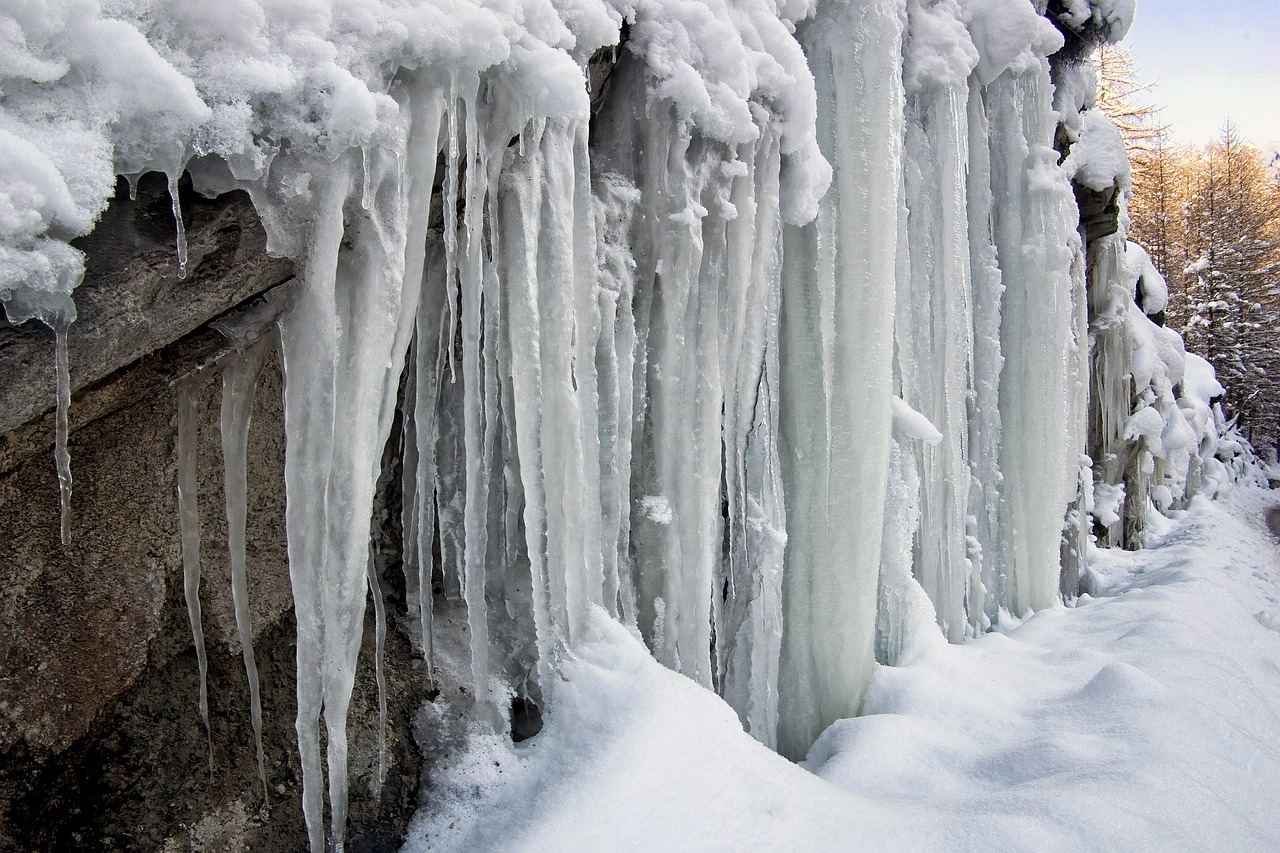
Ice climbing feels extreme but has a low barrier to entry — first-timers can scale 30 feet in just two hours with the right guidance.
Getting started with ice climbing as a beginner involves understanding the essential techniques and gear required for safely ascending frozen terrains. Ice climbing means ascending frozen waterfalls, glaciers, and ice-covered rock faces using steel-tipped crampons on your boots and ice axes in each hand.
You kick and swing your way up, placing ice screws as you go for protection.
Unlike rock climbing, the surface changes every season – sometimes every day.
In ice climbing, hobbyists ascend frozen waterfalls and ice formations using specialized ice axes and crampons, executing powerful swings and kicks while maintaining balance through core engagement and strategic tool placement, often adapting to challenging ice conditions without guidance.
Ice climbing induces a flow state through high-stakes physical challenges, offering rapid skill feedback as climbers master techniques like one-arm hangs, fostering a sense of accomplishment and novelty that keeps motivation high and boredom at bay.
You think ice climbing is for people who free-solo El Capitan for fun. Extreme adventures in remote locations, probably sponsored by someone. That assumption is wrong – and it's keeping you off the most accessible vertical terrain in the world.
Your first day on ice is closer than you think. Gear does more of the work than you expect. Two solid tool placements and you're hanging on steel, not fingertips. Your grip strength isn't what limits you.
The community wants to teach you. Ice climbers know the season is short. Nobody wants to watch a newcomer fumble alone at the base.
Picture this. A first-timer at a guided intro in Ouray, Colorado. They top out a 30-foot WI2 pillar within two hours of touching ice.
Not because they're athletic. Technique is fast to learn, and the terrain rewards quickly.
You're ready to give it a try right now. You just need to know what, exactly, to bring. And that list is shorter than you think.
Watching ice climbing is like witnessing controlled aggression – all crampon kicks and axe swings.
Doing it feels like wrestling a wall that refuses to be won, while your forearms quietly betray you.
Most newcomers struggle in that gap, where climbing seems intuitive but the reality feels like chaos.
Your forearms throb within minutes. Placements feel random, and crampons slip unpredictably.
Each swing demands more from you than you expect.
At first, you're swinging too hard and over-gripping, finishing a session more exhausted than someone twice as high up.
Then, footwork starts to make sense, but arms still distrust it – relying more on the axe than your legs.
Eventually, a placement genuinely clicks, revealing why people are hooked on this challenge.
You're still not skilled yet, but you start to learn the wall instead of just surviving each climb.
Tired. Confused. Arms worn out.
Then one swing lands just right.
It's not talent that keeps climbers coming back – it's that one placement that finally thuds perfectly, not scratching the surface.
Every session becomes a quest to feel that sensation again.
Dull tools punish beginners, so if you rent gear, check when the picks were last sharpened. A well-tuned axe gives feedback a dull one won't provide, and you rely on that feedback especially on day one.
When to start: Early morning
Duration: 2 hours
Cost to try: $0
Success criteria: If you climb a low-angle ice section and place both tools and crampons securely for three consecutive moves, do session 2.
New climbers often use front points as if standing on their toes. It's intuitive but tiring.
Practice flat-footing on low-angle ice. Your calves last longer this way.
Everyone thinks power is key, leading to wild swings that waste energy.
A controlled swing with a flick of the wrist is needed. Practice on easier surfaces to set a solid stick.
On the wall, you might sweat; belaying, you might freeze. Most beginners struggle here.
Bring a belay jacket you can quickly put on when grounding. Clip it to your harness for easy access.
It feels natural to bend your wrists, but it drains your energy fast.
Keep your wrist straight and let the tool handle the load. This way, you'll climb longer without fatigue.
Beginners wait too long to place screws, ending up shaky and tired.
Find a resting position before you start placing ice screws. Let your feet support you and save your arms.
Ice climbing is all about location: frozen waterfalls, ice-covered rock faces, or artificial ice towers. If you're not near mountains, focus on artificial towers. Climbing gyms and outdoor recreation areas often build them nearby.
Tell whoever you contact you've never swung an ice tool before. They'll pair you with a guide or lead and ensure you have rental gear.
In the US, the American Alpine Club (AAC) guides climbers toward safety and provides vetted instruction. In Canada, the Alpine Club of Canada serves the same purpose.
Frozen waterfalls and seasonal ice are where you begin. This is what most imagine when they think of ice climbing.
Ideal for beginners in a guide program or transitioning from gym climbing.
Glaciers and frozen mountain faces are your playground. Part of bigger mountaineering missions.
For those comfortable with WI climbing looking to tackle mountaineering challenges.
Expect costs for crampons, ice axes, and possibly an alpine skills course.
Ice and rock combined. Swing tools into rock features, not just ice.
For experienced WI climbers seeking a winter challenge when weather isn't ideal.
Not a beginner detour. Dry-tooling shoes and specialized gear increase costs.
Some places offer refrigerated walls with real or textured ice. Perfect practice for tool swings and footwork.
Great for total beginners wanting to try before committing outdoors.
Expect session fees between $30–$60, rentals included.
Mix skiing in and climbing out on certain routes. More about context than a separate variant.
Perfect for backcountry skiers looking for more alpine exploration options.
For something adjacent, see Bouldering.
If the texture of this appeals to you, Free Solo Climbing is built on similar bones.
A close neighbor worth considering: Sport Climbing.
Most beginners focus too much on arm strength. They pull harder, grip tighter, and often burn out quickly.
The real work happens in your feet, not your hands.
Focus on front-point weighting – driving your crampons into the ice and trusting them completely before moving anything else. No tapping or scraping. Just a deliberate kick that sets both front points, then shifting your full body weight onto that foot before using your hands.
With your feet loaded, your arms can relax – no more burning out after just 20 feet.
Without this, you're stuck in a pull-up contest against a frozen waterfall.
And training alone won't fix that.
Four sessions over one icy season. Maybe twice a month, or whenever the temperature drops enough to freeze your local waterfall.
If you're replaying moves in your head and eyeing ice formations on every frosty morning, that's genuine excitement. This sport thrives on that kind of focus. Keep going and start building a routine.
Feeling neutral after these sessions suggests you're not hooked. Maybe push through one more attempt later in the season, or try a different local spot to see if a change in scenery stirs your interest.
Counting down to the drive home indicates a disconnect with the activity. Ice climbing is not for you if the adventure feels more like a burden than a thrill.
Sensing potential routes in frozen waterfalls, not just seeing beauty but analyzing them, shows a climber's mindset emerging.
Living hours from consistent ice without committing to weekend warrioring? That conflict won't resolve magically. Ice climbing demands significant travel time.
Accessibility isn't a minor hurdle; it's a daunting logistical reality.
If existing joint issues or a packed schedule are serous obstacles for you, ice climbing will only add stress. This pursuit demands commitment—time and physical readiness aren't negotiable.
Ice Climbing is one path among many — browse the full hobbies list to weigh it against the rest.
Ice Climbing is a deeper commitment than most boredom cures — for lighter options, check things to do when bored.
Ice climbing can be learned as a beginner with proper instruction and guidance. Most beginners start with rock climbing experience or trained instruction on glaciers and frozen waterfalls, though some guided tours accept complete newcomers. The key is learning correct technique and safety protocols before attempting harder routes.
Ice climbing uses specialized equipment like ice axes and crampons to ascend frozen surfaces, while rock climbing uses hands and feet on rock. Ice is more dynamic and unpredictable than rock—it can shift, melt, or break—requiring different movement techniques and mental preparation.
A beginner can master fundamental techniques in 1–2 days of instruction, but developing solid skills takes several climbs over a season. Most people feel comfortable on moderate routes after 4–6 outings with guidance.
Essential gear (ice axes, crampons, boots) ranges from $300–$800 for decent beginner equipment. Most beginners rent gear for $20–$50 per day to test the sport before investing, and guided tours typically include equipment rental in their fee.
Like any climbing, ice climbing carries risks including falls, falls ice, and avalanches—but these risks are manageable with proper training, equipment, and guided experiences. Most accidents happen due to lack of experience or skipped safety precautions, not the activity itself.
Winter (December–March in the Northern Hemisphere) is peak season when waterfalls and glaciers are fully frozen. Early winter and late winter can be unpredictable as conditions shift, so mid-winter typically offers the most stable climbing conditions.