BoredomBusted — Find Your Next Favorite Thing To Do
Discover hobbies, activities, places, and ideas that spark joy. Whether you're looking for something creative, active, social, or relaxing, BoredomBusted helps you find your next favorite thing to do.
Browse our hobby guides, things-to-do collections, and place ideas to never be bored again.
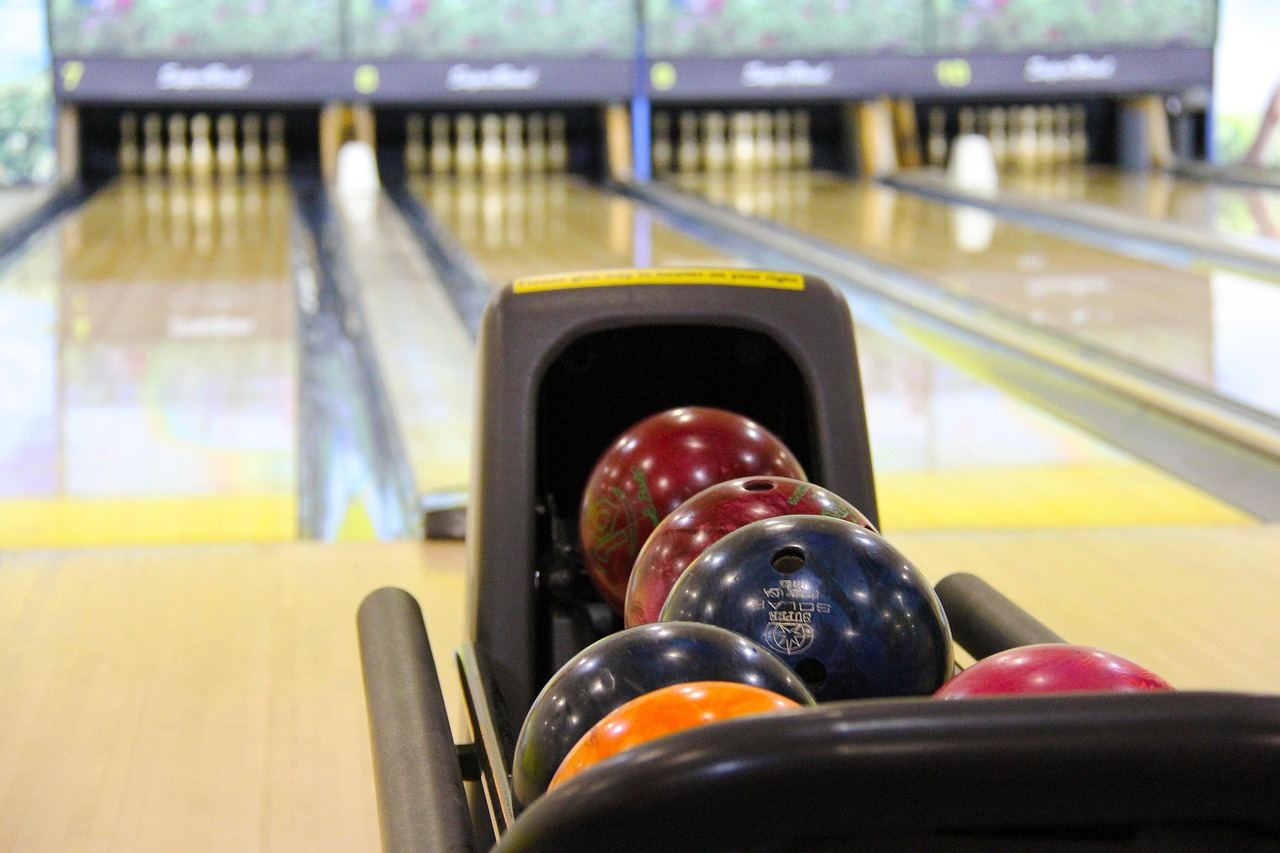
Bowling isn't just a fun pastime — it's a serious competitive sport where many bowlers pursue skill growth and compete at national levels.
Getting started with bowling as a beginner is a fun way to engage with friends while developing your skills. You roll a ball down a lane to knock over pins — it's a simple yet addictive premise.
It mixes skill, precision, and strategy. People of all ages find it engaging.
Whether you're just having fun with friends or joining leagues, bowling keeps you on your toes and helps you improve your technique.
In bowling practice, adults engage in targeted skill drills that involve standing in one spot and repeatedly rolling the ball at specific targets down the lane, focusing on aspects like target accuracy, spare shooting, and release mechanics. Practitioners work systematically through distinct drills, refining their approach, stance, and speed while tracking their performance to make adjustments an…
Bowling's structured practice fosters incremental skill feedback, where clear goals and immediate results build confidence and motivation, allowing participants to see tangible improvements and feel a sense of accomplishment as they progress through various drills.
You think bowling is just something to do on a Friday night with friends.
It's hard to see beyond the neon lights and rented shoes.But it's also a space where competitive sports thrive.
Consider someone like Kelly Kulick. She shattered assumptions by winning the 2010 PBA Tournament of Champions, the first woman to beat male competitors in a major national bowling tournament.
Weekly practice.
Professional leagues.
The thrill of competition.
That's the lesser-known side of bowling.
Track your progress.
Set goals.
Join competitions.
Bowling offers more than meets the eye. It's ready for those looking to step up their game.
When you walk into the bowling alley, the noise hits you immediately. It's a wall of crashes, beeping machines, and casual shouting. The environment feels chaotic yet exciting.
Rental shoes will feel awkward. Loose, stiff, and faintly smelling of feet, they take some getting used to. Don't be surprised if you spend the first five minutes adjusting them while your friends watch.
Your first rolls usually don't go as planned. Some might sail into the gutter, others feel heavy in your hand. Bowling's finesse sneaks up on you—it's more than just throwing a ball.
Eventually, you hit some pins head-on. The sound of the pins toppling is a real thrill that keeps you coming back. It's the combination of aiming, releasing, and watching the pins fall that makes you overlook your sore thumb and low score.
When to start: Morning
Duration: 1.5 hours
Cost to try: $20
Success criteria: If you roll three frames with a consistent four-step approach and at least one ball hits the pocket or leaves a makeable spare, do session 2.
Most beginners blame bad luck or the lane conditions. The real culprits are five fixable habits that compound every frame.
Beginners muscle the ball down the lane and wonder why their shoulder aches by frame six. The power source isn't your arm at all.
Your approach and footwork set up everything. Drive with your legs and let the arm swing freely — it's a pendulum, not a push.
A soft wrist feels natural mid-swing but kills your accuracy and leaves the ball wobbling off your hand. Most people don't notice it's happening.
Keep your wrist firm and locked through the entire swing. A clean release follows automatically when the wrist doesn't break early.
A tight grip creates tension all the way up the arm. That tension is what makes your ball drift wide.
Relaxing your grip is the fastest way to improve control. The fingers guide the ball — they don't need to hold on for dear life.
Maximum force sends the ball straight and fast, which looks powerful but reduces your pin carry. Pins fall better when the ball hits the pocket with rotation, not just speed.
Slow down and focus on hitting the pocket with rotation. A slower ball in the right spot beats a fast ball in the wrong one every time.
Beginners watch the ball instead of the target arrows on the lane. The head comes up, the slide foot drifts, and the whole delivery falls apart in the last two steps.
Eyes on the target arrows, head down, slide foot centered — lock those three things and your finish position takes care of itself.
Stardust Bowl hosts major USBC events. Look for the Intercollegiate Championships from April 18-23 and the Women's Championships until July 2. Royal Pin Woodland in Indianapolis has a cosmic bowling scene on its 70 lanes, while Bowlero North Brunswick is popular for its 82 lanes and active leagues.
For intense league play, head to AMF Riviera Lanes in Akron, Ohio. Cities like New York, LA, and Ashburn, Virginia, are also hotspots for bowling.
Check out the USBC Open Championships in Reno, Nevada with nearly 11,000 teams registered. Other big tournaments include the USBC Queens, U.S. Women's Open, and PWBA Tour Championship.
Visiting local bowling centers is your first step. Ask about beginner leagues to find your footing. Cosmic bowling nights are perfect for a casual, social vibe. Look for all-ages programs at venues like Royal Pin Woodland and Bowlero.
For online bowling communities, you'll need to search directly on Reddit, Discord, and other forums, as these aren't specified in common search results.
10-Pin Bowling is the worldwide standard. It has 10 pins in a triangle setup and uses a ball with three finger holes. This is the typical 10-frame game you find at most bowling alleys in the U.S.
5-Pin Bowling dominates the Canadian scene. With its unique "V" pin formation and smaller scale, it offers a moderately challenging yet distinct experience.
Candlepin Bowling demands finesse. Originating in 1880 in Massachusetts, this New England favorite features candle-shaped pins that require accuracy and control.
Duckpin Bowling gives you three rolls per frame. These pins are heftier than candlepin but smaller than 10-pin, offering a balanced challenge that began around 1900.
Within 10-pin, various styles suit different players.
Strokers play with accuracy and finesse. Crankers bring speed and high rev rates. Tweeners balance both approaches, while Two-Handers maximize speed and revolutions. Spinners focus on rotational release, and Straight Bowlers prefer a direct, hook-minimal line.
For something adjacent, see Dodgeball.
For something adjacent, see Billiards.
If the texture of this appeals to you, Cricket is built on similar bones.
The true foundation of solid bowling is the pendulum swing from your shoulder socket.
Let the ball fall from a freely swinging arm. This passive release, not a forceful throw, brings immediate consistency and reduces injury.
Everything else in bowling opens up when your release is relaxed. Without tension in your shoulders and wrist, lane reading, angle adjustments, and power control become attainable.
This hobby is for you if you: - Prefer activities where you can talk and socialize between turns rather than staying locked in constant focus - Like having a clear, immediate feedback loop on whether you succeeded or failed - Enjoy low-stakes competition where losing doesn't sting because the stakes are genuinely low - Want a hobby that requires showing up but not obsessive practice to have fun It's probably not for you if: - You get frustrated by activities where luck plays a significant role in outcomes - You need to feel like you're getting noticeably better every time you show up, or improvement stalls your interest
When you don't want to commit, things to do when bored is a better starting point.
Typical bowling alley costs range from $3–$6 per game, plus $2–$3 for shoe rental if you don't own your own. Most alleys offer discounts for multiple games or late-night hours, making it an affordable outing for groups or casual players.
You'll need a bowling ball (which alleys provide, though personal balls improve control), bowling shoes (available for rent), and your own approach shoes are optional. That's it—most alleys supply everything else, so beginners can start with just showing up.
Bowling is easy to pick up but takes practice to master. You can have fun on your first visit regardless of skill level, though improving your technique—like your approach, release, and targeting—takes weeks or months of regular play.
A single game typically takes 10–15 minutes per person, so a group of 4 players can expect 40–60 minutes for one round. Many people play 2–3 games in a session, which usually takes 1.5–2 hours total.
Bowling works both ways—you can bowl solo and enjoy practicing at your own pace, or join a league and play with others for a social experience. Many alleys welcome single bowlers and pair you with other groups if you'd like company.
Kids as young as 3–4 can start with bumpers and lighter balls, while most people find the sport most enjoyable from age 6 onward. There's no upper age limit—bowling is a lifelong activity enjoyed by people of all ages and fitness levels.