BoredomBusted — Find Your Next Favorite Thing To Do
Discover hobbies, activities, places, and ideas that spark joy. Whether you're looking for something creative, active, social, or relaxing, BoredomBusted helps you find your next favorite thing to do.
Browse our hobby guides, things-to-do collections, and place ideas to never be bored again.
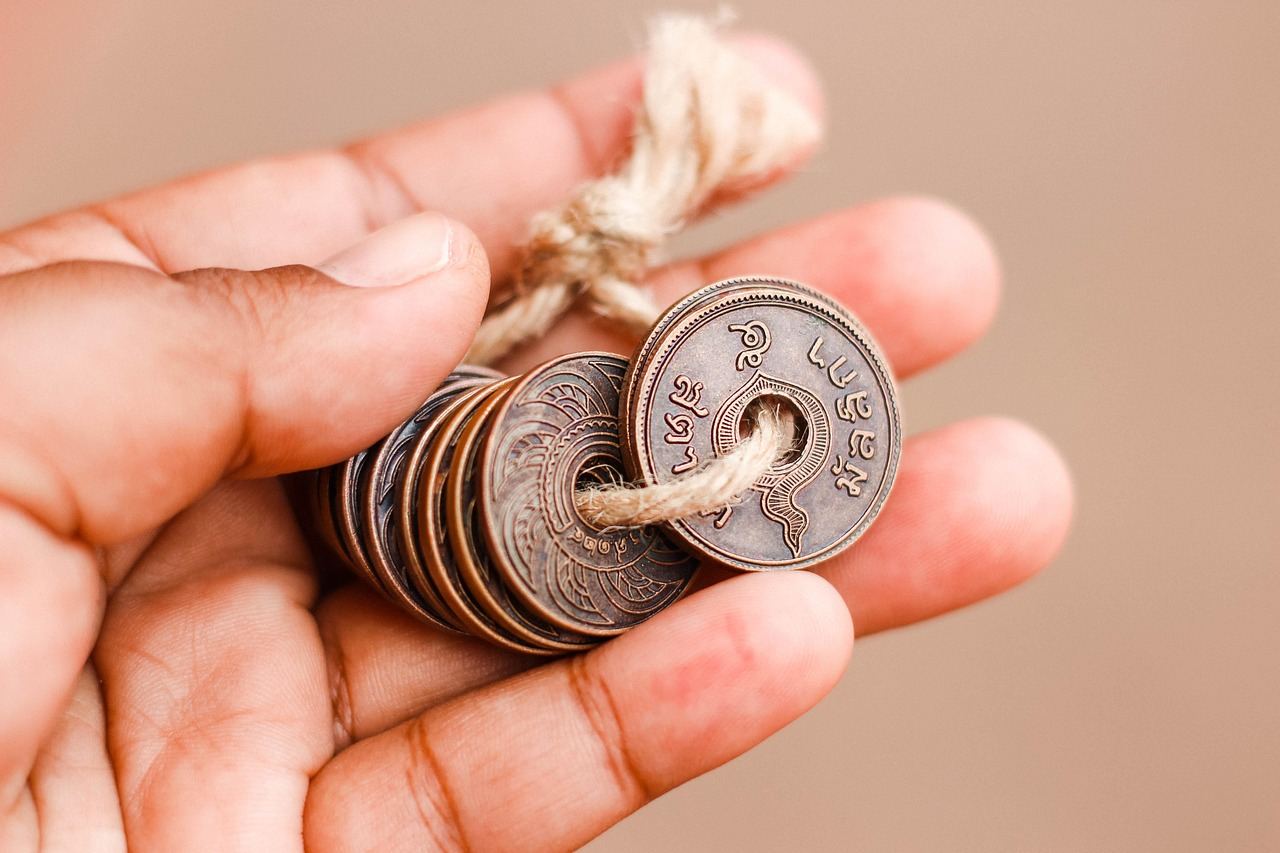
Ancient coin collecting isn't just for the affluent; you can own genuine 2,000-year-old coins for under $20 and uncover rich history through research.
Getting started with ancient coin collecting as a beginner allows you to connect with and preserve historical artifacts from the past. Coins from Greek, Roman, Byzantine, and other early civilizations, all minted before roughly 500 AD.
Sourcing these gems involves dealers, auctions, and estate sales. Each coin is then authenticated and attributed to a specific era or mint.
Every piece is a tangible connection to ancient times. A physical artifact with a history stretching back thousands of years.
In ancient coin collecting, hobbyists engage in acquiring, examining, and organizing coins from eras like Greek, Roman, or biblical times, focusing on details such as design, strike sharpness, and historical significance, all while physically handling and curating their collections through themed selections.
This hobby fosters a flow state by balancing skill and challenge in identifying rare coins, while providing a sense of accomplishment through tangible progress, social belonging in communities, and a connection to history, making each coin a piece of personal conquest over time.
You think this is for people with white gloves and a museum budget. You picture dusty academics cataloguing Roman emperors under fluorescent lights – not something you'd actually do on a Tuesday night.
You're missing out on one of the most tactile, story-rich hobbies in existence.
Ancient coins aren't display pieces – they're primary sources. The face on that bronze coin was a political choice, a propaganda move, minted to control how millions of people thought about power.
You can buy a genuine 2,000-year-old Roman coin for under $20. Not a replica. Not a print. The actual object, handled by actual Romans, yours for the price of a takeout order.
The research pulls you in harder than the collecting does. Cross-referencing a mint mark, tracking a dynasty's coinage shifts, figuring out why this emperor's portrait looks different – that's the part people don't see coming.
Imagine finding a worn bronze coin in a bulk lot for just $4. That's what a collector in Ohio did. After six hours of patient research, she discovered it belonged to a fleeting emperor from 268 AD, whose reign barely left a trace in history.
The coin wasn't rare. But knowing what it was made it irreplaceable.
That research process – where to look, what to trust, how to read what's actually on the coin – is exactly what the next section is about.
Handling your first batch of uncleaned Roman coins can feel baffling. You're staring at what seems like mere dirt rather than treasures from the past. The sense of history shrinks into a quiet mystery, much different from watching an expert sort denarii with ease.
Coins initially look valuable just by being old. But that's before you learn to distinguish cleaning damage from natural wear. You'll even return a coin you thought rare. Your early assumptions will shift as patience, not luck, becomes your tool for attribution.
In the beginning, expect to feel overwhelmed. Recognizing specific coins isn't just tricky because they're corroded. It's because interpreting ancient coins requires a new skill set that takes time to develop. Like a new language, it needs practice.
Start by opening tools like the OCRE database and Wildwinds. When a new coin arrives, compare the legends around the portraits letter by letter. This approach prevents the second-week frustration of expecting instant recognition. Next, let's explore the common mistakes that keep beginners stuck.
When to start: Morning
Duration: 1 hour
Cost to try: $20
Success criteria: If you identify and record the ruler, mint, date range, and one visible symbol for 2 ancient coins, do session 2.
Owning something 2,000 years old feels thrilling right away, but patience is required for identification. Avoid diving in without knowledge.
Start with one coin type, like Roman Imperial or Greek civic. Learn its details before buying anything.
Auction images are often deceptive. A coin that seems silver-bright in photos might look entirely different in person.
Request unedited images from sellers and learn terms like "tooled," "smoothed," and "surface cleaned" to avoid costly mistakes.
New collectors often mistake a green crust for dirt, thinking something better lies beneath. Typically, that layer is valuable patina.
Do not clean the coin unless you're following expert guidelines like those from Numismatic Conservation Services.
A third-party grade seems reassuring but ancient coins are not graded like modern ones. The slab increases cost without adding the security you think it does.
Check unslabbed examples on VCoins and acsearch.info to understand what slab fees are really worth.
Familiarity with one seller limits your view of the market and affects pricing perception.
Compare purchase options on at least three platforms. Try Roma Numismatics, Savoca, and CNG archives for quick price recalibration.
You can dive into ancient coin collecting from your desk or at a local library study room. Coin show floors and numismatic club meeting rooms are also great places to be.
Real growth happens when you connect with other collectors. They provide insights and share experiences that can't be found online.
At any meetup, announce your beginner status with a few unidentified bronzes. You'll attract expert advice and probably a reading list too.
Veteran collectors are eager to share insights and will even warn you about unreliable dealers.
Greek coins predate their Roman counterparts and feature a diverse array from different city-states, gods, and art styles. Each coin captures a specific place and moment in history.
Perfect for collectors who appreciate artistic significance over historical narrative. Be ready to spend an additional $50–100 per coin compared to Roman coins.
Roman coins are abundant, well-documented, and simple to authenticate. They are the common entry point for beginners for a reason.
Ideal if you're unsure where to start.
Byzantine coins offer a link between ancient and medieval times, spanning 330–1453 AD. Their bold appearance, featuring gold solidi and copper folles, makes them stand out.
Preferable for collectors seeking visually distinct pieces in a less crowded niche.
This variant involves searching for die varieties, double strikes, and off-center flans within one coin type.
Best for collectors who have a basic collection and want to dive deeper into research. Expect startup costs to rise by $30–150 due to required reference books.
Instead of following a chronological order, you collect on themes such as animals, deities, or women rulers.
Great for those looking for a cohesive collection without sticking to one time period or civilization.
If the texture of this appeals to you, Modern Coin Collecting is built on similar bones.
Collecting Items is a sibling pursuit and often surfaces the same kind of curiosity.
Genealogy lives in the same world — different mechanics, similar appeal.
Collecting Items is a sibling pursuit and often surfaces the same kind of curiosity.
Genealogy lives in the same world — different mechanics, similar appeal.
If the texture of this appeals to you, Spoon Collecting is built on similar bones.
Most beginners spend their first year optimizing for finding coins – haunting eBay, joining forums, watching auctions.
That's not the lever. The real plateau happens because they can't read a coin's surface.
The one skill is die study – learning to identify a coin not by its description, but by the specific tool marks, flow lines, and strike characteristics left by the exact die that struck it.
Not this is a Roman denarius of Trajan. More like: "this die has a die crack running from the emperor's nose to the edge, which matches 23 known specimens, and mine is mid-die-life based on the sharpness of the reverse legend."
Reading a die lets you evaluate coins, not just buy them. Fakes become obvious before you've even handed over money.
Otherwise, you're stuck relying on someone else's authentication and honesty.
Die study reveals how a coin should appear at peak strike quality.
You stop mistaking a weak die for heavy wear. You learn why coins from the same year might look different.
Five sessions over 30 days, ideally one per week, plus a fifth when curiosity calls. That's the plan to see if ancient coin collecting catches your interest.
You keep finding reasons to look at another coin. A reference book leads you to a forum post, which leads you to midnight readings about the Seleucid Empire. That's not distraction – that's the hobby. Start building a focused want list and make your first intentional purchase.
It was fine, but not compelling enough to pull you back. Ancient coins often click on the sixth or seventh handling. Extend by three more sessions if you're genuinely curious, not just hoping it grows on you.
Impatience shadowed you throughout. Here, patience isn't a virtue – it's the texture of the hobby. Cataloguing, researching provenance, waiting on overseas mail. If it feels like friction rather than flow, this isn't for you.
Found yourself Googling a specific emperor or period already? That's the signal this hobby is for you. When a coin's story captivates, the journey begins.
On the other hand, if coins without context seem just metal lumps, expect constant frustration.
Looking for something lighter? Our boredom-busters guide is built for exactly that.
Looking for something lighter? Our boredom-busters guide is built for exactly that.
You can start with coins in the $10–50 range, such as Roman bronzes or later-period issues, though prices vary widely by rarity and condition. Serious collectors often budget $100–500+ for better specimens, but beginners can build meaningful collections affordably by focusing on specific regions or time periods.
Focus on authenticity (buy from reputable dealers), condition (wear and damage affect value), and provenance (documentation of where it came from). Choose coins that appeal to you personally—whether by era, ruler, mint, or the symbols depicted—since this makes the hobby more rewarding.
Authentication requires examining striking patterns, metal composition, weight, and historical records—something best learned through books, museum visits, and experienced dealer guidance. For valuable coins, professional grading services like NGC or PCGS provide certified authentication and preservation.
Store coins in acid-free holders or slabs, keep them in a cool, dry place away from humidity and salt air, and handle them minimally by the edges only. Avoid cleaning coins, as this permanently damages their value and historical patina.
You can begin with curiosity alone, but learning basic numismatic history, terminology, and grading standards deepens enjoyment and helps you make smarter purchases. Online communities, collector guides, and museum collections provide accessible resources for self-directed learning.
This depends on your goals and budget—you can acquire 10–20 quality coins in a few months, or spend years developing a specialized collection by empire or period. The rewarding part is the ongoing journey of discovery rather than reaching a specific endpoint.