BoredomBusted — Find Your Next Favorite Thing To Do
Discover hobbies, activities, places, and ideas that spark joy. Whether you're looking for something creative, active, social, or relaxing, BoredomBusted helps you find your next favorite thing to do.
Browse our hobby guides, things-to-do collections, and place ideas to never be bored again.
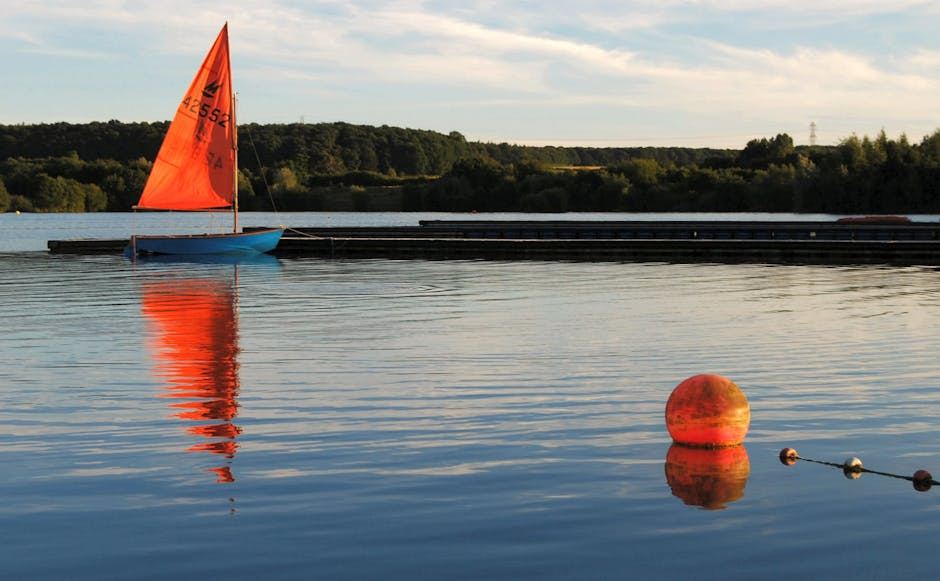
Dinghy sailing isn’t a posh pastime; it's a brutally physical solo challenge that keeps you so engaged, you forget the world for hours.
Getting started with dinghy sailing as a beginner opens up a world of adventure, allowing you to navigate small boats powered solely by the wind.
You control two sails – the mainsail and jib – adjusting them continuously to catch wind at the right angle.
Unlike keelboat sailing, there's no heavy ballast keeping you upright – your body weight is the counterbalance, which makes every gust feel immediate and personal.
In dinghy sailing, adults actively manipulate sails using the mainsheet, adjust their weight to maintain balance on a heeling deck, and respond to changing wind and water conditions while making real-time decisions about course and positioning.
Dinghy sailing fosters a flow state through its requirement for continuous skill application and immediate sensory feedback, as practitioners experience direct consequences from their actions on the water, enhancing engagement and focus.
You think dinghy sailing is a rich person's weekend hobby. Blazers, yacht clubs, people named Gerald. You're already half-checked out.
Dinghy sailing is far from glamorous— it's one of the most physically demanding, technically layered solo skills you can pick up as an adult.
A friend who picked this up at 34 described her first solo run like this: she was hiked out over the water, heart going. She was completely locked into reading a gust coming across the reservoir. She realised she hadn't thought about anything else for two solid hours.
That's the unexpected hook— and the next section is about what your first time on the water actually looks like before any of that flow state kicks in.
Your first time dinghy sailing doesn't feel like the effortless gliding you see. Instead, it's the splash of water and the confusion of wind directions.
You'll spend more time capsizing and lost than actually sailing. Keeping the bow pointing the right way becomes the main challenge. The calm grace you envisioned is nowhere in sight.
The wind feels unpredictable at first. Ropes have roles and names you can't quite grasp yet. Yet, it's fascinating to see how quickly your body starts to sense what's happening.
Initially, every gust seems like a challenge, making the experience more panic than sailing. But one smooth run changes everything, transforming your mindset.
Understand the "no-go zone" before sailing. This area, about 45 degrees into the wind, leaves you stalled. New sailors often get stuck here, losing speed and control.
When to start: Early morning
Duration: 2 hours
Cost to try: $30
Success criteria: if you finished without capsizing, do session 2.
Beginners often cleat the mainsheet prematurely to free their hands. This overlooks the need for constant adjustments as conditions change.
Always hold the mainsheet in your hand during your first ten sessions. If it's too much to hold, it's too soon to cleat it.
The stern seems secure, but sitting there pins it down. This drags the transom like a brake.
Shift forward until the boat is level. Let the bow wake guide you, not your instincts.
Turning away from gusts is a natural instinct. But this causes erratic steering and reduces speed.
Ease the mainsheet two inches when hit by a gust. This stabilizes the boat and keeps you on course before using the tiller.
New sailors often keep the centreboard fully down. This happens because they don't know its importance on different courses.
Raise it halfway on a broad reach or run. Keeping it down creates unnecessary drag and risks capsizing.
Panic can lead you to climb onto the hull. But this causes the boat to roll over faster.
Head for the centreboard right away. Stand on it, grab the rail, and use your weight to right the hull before climbing in.
Dinghy sailing thrives on lakes, reservoirs, estuaries, and sheltered coastal bays. Anywhere with enough wind but sheltered enough for beginners to stay safe.
Most clubs are based inland, so living near the coast isn't a requirement to start.
Tell the club you're a complete beginner. Ask about Learn to Sail or Start Sailing courses.
You'll receive structured instruction, access to a club boat, and guidance after your first experience capsizing.
Laser dinghies hold the title as the most popular racing boats globally. There's no crew to blame — it's all on your technique. Ideal for sailors craving a clear path from practice to improvement.
In doublehanded racing, you're not alone — you have a teammate. More coordination means more complexity. Perfect for pairs seeking a shared adventure rather than a solo race. Expect a rise in costs if your boat is equipped with a spinnaker.
Catamaran dinghies, like the Hobie Cat 16, offer two hulls for incredible speed. Monohull skills transfer only partially — it's wholly different in feel. Best for those who find typical dinghies a bit too tame.
Inland lake sailing uses the same boats, but on friendlier waters with unpredictable wind. Recoveries are calmer and the stakes are lower, making it perfect for newcomers to sailing.
Dinghy cruising is about the journey, like overnight trips and coastal exploration. It's not racing — it's about independence and adventure. Best for those who find racing too cutthroat and day sails too brief.
If the texture of this appeals to you, Catamaran Sailing is built on similar bones.
For something adjacent, see Ice Sailing.
Some of the same instincts show up in Ocean Sailing — worth a look if this clicked.
Reading heel angle is the most important skill in dinghy sailing. Beginners often fixate on sail trim because it seems like the sailor thing to do.
But everything the boat does is telling you something valuable. It's about listening.
The secret is in reading heel angle as a live feedback loop. The boat's tilt constantly signals how it's performing, letting you address issues before they escalate.
Every dinghy has a sweet spot. A slight heel to leeward gives speed and responsiveness. When you're in it, the tiller feels light and alive. Drift past that spot, and you'll feel the boat resisting and stalling. Beginners often ignore these signals.
Reading heel turns your body weight into your main control tool. You stop reacting to symptoms like flapping sails or a stubborn tiller and start fixing the real issue. Without this awareness, you're making adjustments blindly, managing multiple corrections when one would suffice.
Once you've honed this skill, everything else in dinghy sailing will feel more intuitive.
Try six sailing sessions over 30 days. That's a solid starter test.
The initial sessions can be overwhelming. You'll need multiple attempts to progress past the disorientation and truly experience sailing. Six sessions should give you a genuine feel without a long-term obligation.
If you find yourself constantly checking tide times and wind forecasts, that's not mere curiosity. It's a signal that you're hooked. Begin considering club membership and explore your first keelboat progression course.
But if you completed the sessions and feel indifferent, take note. You could try one more session if you think poor conditions or instruction affected your experience. Otherwise, your interest might not align with the activity.
On the other hand, if you've dreaded getting into the boat by the fourth session, it's a clear sign. Some people just aren't into being cold and wet, and that's perfectly okay. Consider this a meaningful nudge to explore other interests.
Finding yourself watching sailing race footage on YouTube just for the fun of it? That's your brain responding to the hobby, not just curiosity.
For ideas that take five minutes instead of five weeks, see things to do when you're bored.
Initial costs vary widely depending on whether you buy or rent a dinghy. Renting through a sailing club typically costs $50–$150 per session, while purchasing a used dinghy ranges from $2,000–$10,000, plus additional expenses for safety equipment, maintenance, and club memberships. Many beginners start with rental and club lessons to avoid upfront investment before committing.
Most people can grasp basic sailing fundamentals in 2–4 weeks of regular practice, though developing true proficiency takes 6–12 months. Initial lessons focus on boat handling, wind awareness, and safety, which beginners pick up quickly with proper instruction and hands-on experience.
Most casual outings last 1–3 hours, while structured club lessons usually run 2–3 hours. Competitive racing sessions or longer adventures can extend to 4+ hours depending on wind conditions and your goals.
While strong swimming isn't strictly required, basic water comfort and the ability to stay afloat are essential for safety. You'll always wear a personal flotation device (PFD), and most sailing clubs require proof of basic swimming ability or water confidence before you begin.
Beginners typically start with single-handed or two-person dinghies (12–16 feet), which are forgiving, responsive, and easy to transport. Larger dinghies offer more stability but require stronger wind knowledge and crew coordination—reserve those for intermediate sailors.
Dinghy sailing is weather-dependent; most sailors avoid strong winds, heavy rain, and freezing temperatures for safety and comfort. Mild winters with consistent moderate winds offer great sailing conditions in many regions, though summer typically provides the best beginner-friendly conditions.