BoredomBusted — Find Your Next Favorite Thing To Do
Discover hobbies, activities, places, and ideas that spark joy. Whether you're looking for something creative, active, social, or relaxing, BoredomBusted helps you find your next favorite thing to do.
Browse our hobby guides, things-to-do collections, and place ideas to never be bored again.
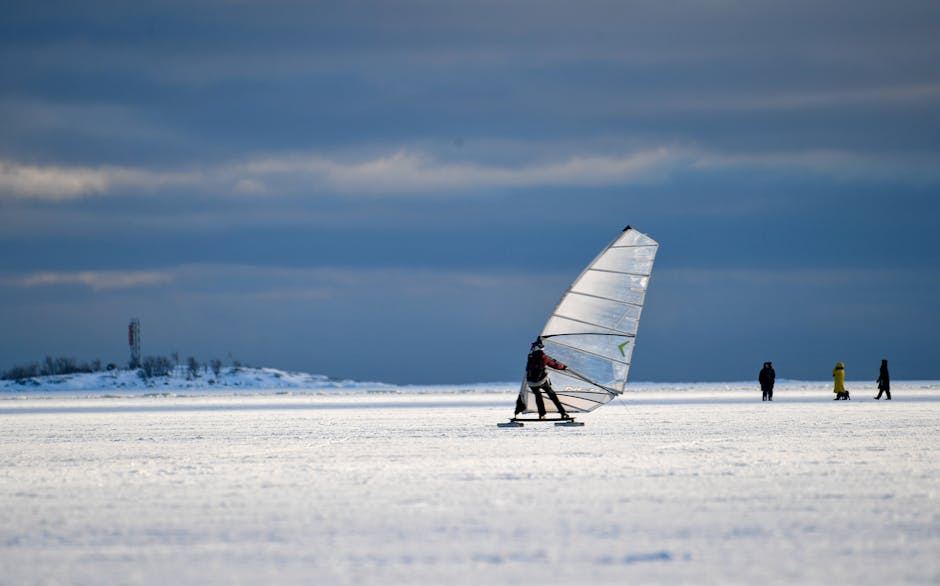
Ice sailing isn't just for wealthy retiree types but a thrilling puzzle of speed and terrain, with a low entry cost that invites swift improvement.
Learning ice sailing as a beginner involves simply attaching a sail to a blade-equipped frame and allowing frozen lakes to guide your adventure.
Wind does the work; ice removes the friction that slows everything else down, which is why these rigs routinely hit four times wind speed.
Unlike regular sailing, there's no hull drag.
Unlike ice skating, speed isn't limited by your legs.
In ice sailing, participants rig a lightweight iceboat with a sail and three runners, launching it on frozen lakes to navigate at high speeds, making precise adjustments to sail trim and steering to harness the wind while gliding across smooth ice.
Ice sailing induces a flow state through instantaneous skill feedback, as precise adjustments yield immediate speed rewards, while the novelty of extreme speeds and the sense of accomplishment from progressing to competitive racing foster obsession and social belonging among hobbyists.
You think ice sailing is a rich person's sport, reserved for retirees with lake houses and extra cash.
You're picturing a yacht, sails towering like a skyscraper, helmed by someone named Geoff.That image misses the reality entirely.
Ice sailing demands reading a frozen lake's perils and thrills. Wind direction, ice texture, pressure cracks – it's a live-action puzzle at 40 mph.
Surprisingly, getting started isn't pricey. A used DN-class iceboat costs less than a decent road bike. It's the same kind professionals race globally.
Ice demands quicker learning. On open water, faulty tactics take time to catch up with you. On ice, mistakes bite instantly, pushing sailors to improve rapidly.
Take Marcus. He bought a secondhand DN for $800 in Minnesota.
By his second winter, he was competing at regionals, squaring off against ten-year veterans.This isn't about beginner's luck. It's a testament to how quickly the steep, honest learning curve can elevate you.
The real challenge lies in understanding the right gear and setup. That's what comes next.
Watching ice sailing is like witnessing a dance in mid-air. Trying it? Picture standing on a slick surface while a kite dismantles your balance.
First encounters reveal that
wind insists on being felt. Ice shows no mercy, speeding you along relentlessly. Speed comes naturally, yet
control is everything. It's where most beginners stumble.
In the first week, you'll mostly push the boat and wrestle with rigging. More rigging than actual sailing gets done, and
that's how it should be. By the second week, you'll move, overcorrect, lose wind, and repeat—and suddenly, something clicks by day's end.
Week three brings tacking into the field of possibility. You'll still use too much sail, heading into that fourth week feeling enthusiastic. Finally, in week four, a session where everything works hits you, urging you to go faster.
That's when mistakes sneak in
because enthusiasm often leads to overconfidence.
Before stepping onto the ice, know this: blades are meant to glide, not grip. Every instinct about slowing comes up useless. Leaning back, dragging a foot, pulling the sheet—each delivers unintended results. Learn to depower the sail first; it's your brake. Everything else can wait.
Next, let's dive into the errors that keep ice sailors snagged in frustration longer than necessary.
When to start: Early morning
Duration: 2 hours
Cost to try: $100
Success criteria: If you can steer a straight 100-yard run, stop by pointing into the wind, and make three controlled turns without tipping, do session 2.
Beginners think they can stop easily like on land. Ice is different.
Use a smaller sail area at first. It lets you adjust before opening up on hard ice.
Ice varies. Beginners wrongly see it as a constant.
Check thickness at three places: shore, mid-lake, far end. Use a hand auger for safety.
New sailors overuse the tiller like a boat. It backfires.
Shift your body first, then trim or ease the sheet. The tiller comes last.
Rough, snowy ice leads to setting blades wrong for glare ice.
Start with a shallower blade angle. Get a builder to help. Adjust when you're more experienced.
Apparent wind feels light at speed. Real wind surprises you.
Check a weather station before launching. Don't trust wind on your cheek when moving.
Ice sailing thrives on frozen lakes and reservoirs. Look for consistent ice that's at least 4 inches thick with enough space for wind to build.
Those in the Midwest or Great Lakes should check Wisconsin and Michigan sailing directories.
Admit you're new to ice sailing. People are glad to share rides and gear. Everyone remembers being in your shoes.
The DN is a single-seat, plank-runner design raced globally. It's for anyone seeking organized fleets, a clear path to improve, and competitions to join. Open-source plans make it budget-friendly if you're handy, with boat builds possible for a few hundred dollars.
Skeeters are low-slung racing machines exceeding 100 mph. For seasoned sailors ready for intense speeds. Used models cost $3,000–$8,000, demanding skill and favorable conditions.
For those with soft-water experience, but new to ice. The Nite is wider and more stable than a DN, making it a welcoming choice.
Stern Steerers are steered from the back, reversing typical sailing instincts. Ideal for those interested in ice sailing history or seeking something different. Not performance-oriented.
Try kiteboarding on ice—using a power kite with ice skates or a buggy. Great for those without boat access but eager for the wind-on-ice experience. It's a low-cost way to explore if frozen lakes suit you.
If you want a related angle, Ocean Sailing is the natural next stop.
If this resonates, Catamaran Sailing explores a similar direction.
Dinghy Sailing is a sibling pursuit and often surfaces the same kind of curiosity.
Runner pressure management is the game-changer. It's about controlling the weight and edge pressure on each runner.
On ice, your steering and power come from this pressure distribution. Beginners often see it as fixed instead of shaping it second by second.
When you master this, everything changes. The boat cooperates with you. Skids transform into smooth carvings.Upwind angles that seemed impossible become achievable.
You're no longer just reacting to the ice, frantically trimming sails to fix what starts with your feet.
Mastering these steps helps you transition from passenger to pilot. Next, understand how different ice and wind conditions affect your technique.
Four sessions over the winter. You'll find yourself navigating the conditions instead of hoping for perfect weather.
When you're checking wind forecasts the night before, it's a sign. You found the silence between gusts addictive. The cold becomes irrelevant. This shows you're wired for the precision, patience, and speed required. Start by joining a club, sail with a regular skipper, and learn rigging from those who don't repeat themselves.
If you went, thought it was fine, and forgot about it until now, that's a clue. Consider one more session with good wind conditions. If you're still indifferent, this hobby likely isn't for you.
Dreading the ice after your second session? That's telling. Cold discomfort and exposed speeds don't ease with practice. Accepting this isn't quitting—it's understanding yourself better.
Seeing a frozen lake and wondering about its thickness isn't just curiosity—it's the mindset.
Ice sailors think in terms of thickness, wind, and surface texture. If you've made this mental shift, you're thinking like an ice sailor.
Ice Sailing is a deeper commitment than most boredom cures — for lighter options, check things to do when bored.
You'll need a specialized ice boat with a sail, runners (blades) designed for ice, and appropriate winter clothing. Many beginners rent equipment from sailing clubs before investing in their own, so you don't need to buy everything upfront.
Most beginners can learn basic sailing techniques in 1–2 days of instruction, but becoming proficient typically takes several weeks of practice. The learning curve depends on your sailing experience—prior sailing knowledge speeds up the process significantly.
Ice sailing carries inherent risks like any water sport, including capsizing and collision, but dangers are manageable with proper safety gear (helmet, life jacket), training, and weather awareness. Most accidents occur when sailors ignore safety protocols or venture onto unsafe ice.
Entry costs range from $200–$500 for a season of rentals and lessons at a club, while purchasing a used ice boat typically starts around $1,000–$3,000. High-end competitive equipment can exceed $10,000, but beginners can enjoy the sport affordably through club rentals.
Ice sailing uses specially designed boats with sharp runners instead of hulls, allowing them to glide across frozen surfaces at much higher speeds than water sailing. The technique and strategy differ too—ice sailors navigate differently due to reduced water resistance and the unique physics of ice.
Ice sailing typically occurs from December through March in cold climates where lakes freeze thick enough to support boats. The exact season depends on your location and local ice conditions, which are monitored by sailing clubs for safety.